
REVIEW · NEPAL
Pokhara: 7-Day Annapurna Base Camp Trek & Hot Spring
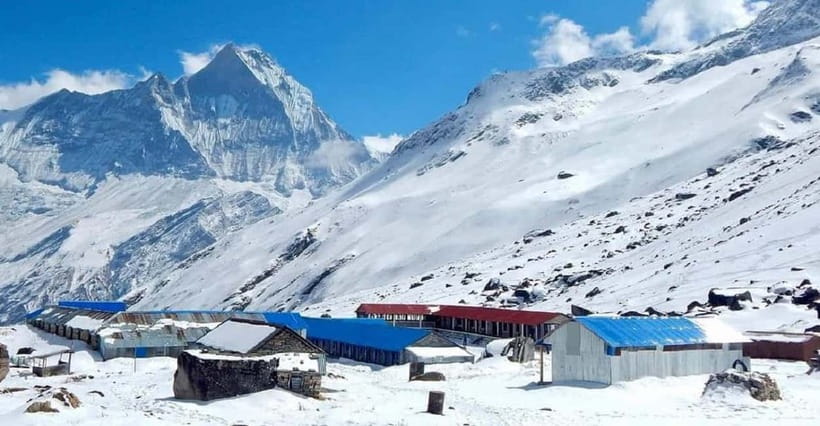
An overnight stay at Annapurna Base Camp is the big draw here. You walk through forest and mountain villages, reach 4,130 meters, wake near the Annapurna range, and finish with a soak in Jhinu Danda’s natural hot springs. It is a strong mix of effort and reward.
I like the chance to see Annapurna and Machapuchare from close range, and I like that this is a private group rather than a large departure. The route also gives you more than mountain views: you pass through ethnic settlements, rhododendron forests, springs, and waterfalls.
The main concern is organization. The return can finish earlier than expected, and transport arrangements may not always match what you expect from the outbound journey. Clarify the exact vehicle, meals, lodging villages, and return plan before you set off.
Key points to know before you book
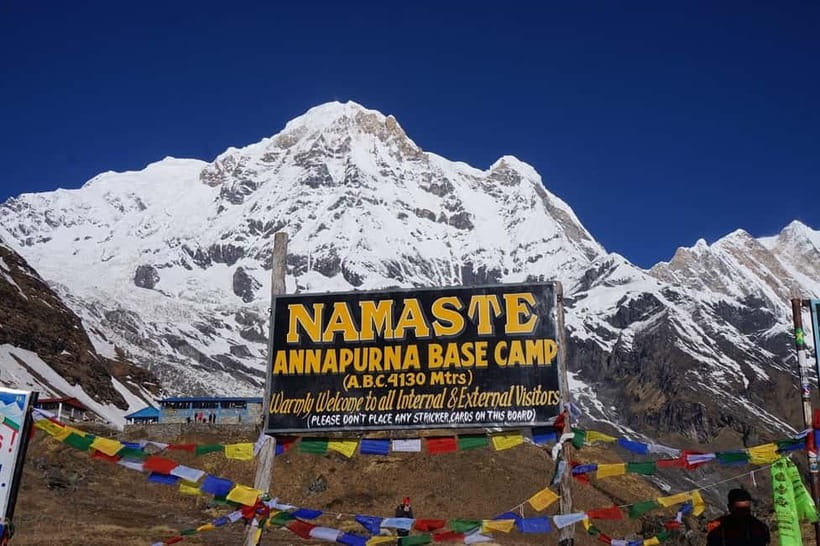
- 4,130-meter high point: Sleep at Annapurna Base Camp, close to the mountain range.
- Sunrise near the peaks: The early view over Annapurna is one of the trek’s strongest rewards.
- Jhinu Danda hot springs: End the hiking portion with a warm soak at 1,610 meters.
- Private group format: Your party travels with a government-registered trekking guide.
- Basic tea-house lodging: Accommodation is practical and simple, not a mountain resort.
- $190 starting price: Good value if your chosen option includes meals, transport, and the listed gear.
What the seven-day route is really like
This is a point-to-point mountain trek with a fairly direct schedule. You begin near Pokhara, walk to Annapurna Base Camp, descend through Bamboo to Jhinu Danda, and return to Pokhara on the final day.
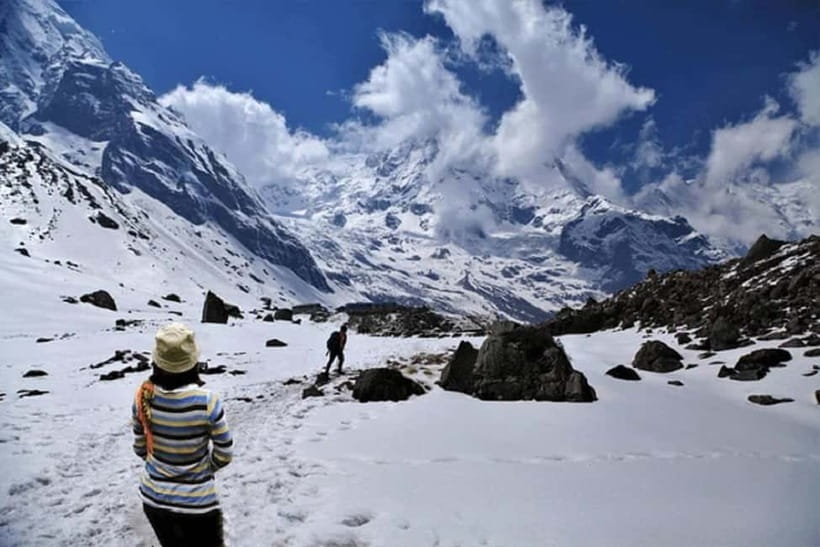
The route reaches high altitude quickly enough that you should take the daily walks seriously. The itinerary includes long hiking days, and conditions at 4,130 meters can feel very different from the warm streets of Pokhara. You need comfortable walking shoes, warm clothing, a jacket, trekking trousers, a hat, and a change of clothes.
The price is appealing because it can cover a lot: permits, local and government fees, tea-house lodging, a guide, guide and porter costs, meals under the selected option, transport, taxes, a first-aid kit, and trekking items such as a stick or sleeping bag when needed.
Still, do not assume every version includes the same extras. Meals and private vehicle use depend on the option you choose. Personal spending is not included, and you should budget for drinks, Wi-Fi, and other purchases in the mountain lodges. Carry cash, since the trek information specifically recommends it.
More Hikes and Treks in Nepal:
- Pokhara: 5 Day Annapurna Base Camp Trek & Natural Hot Spring
★ 4.9 · 44 reviews - From Pokhara: 5-Day Annapurna Basecamp Trek with Hot Springs
★ 4.9 · 26 reviews - Pokhara: 7-Day Annapurna Base Camp Trek & Natural Hot Spring
★ 5.0 · 11 reviews
Day 1: Pokhara to Ghandruk at 1,940 meters
After breakfast, you ride from Pokhara toward Nayapool with your guide. The walking section begins there and takes about five to six hours to reach Ghandruk.
This opening day gives you a useful introduction to the Annapurna region. The route follows the Modi Khola, passes through ethnic villages, and moves through forest. Ghandruk at 1,940 meters is not just a place to sleep. It is your first real mountain settlement on the route and gives the trek a cultural side from the beginning.
The day is long enough to test your pace, especially if you are carrying more than a small pack. Ask how much your porter will carry and keep your own essentials close. Water, cash, a warm layer, and your flashlight should not be buried in luggage.
One point deserves careful attention before booking: the exact overnight villages and route sequence should be confirmed in writing. The advertised journey describes several different settlements, but the mountain route can change with road or trail conditions. You do not want to discover only after arrival that the trip involves a return through some of the same places.
Day 2: Ghandruk to Chomrong at 2,170 meters
The walk to Chomrong continues through hillside settlements and rhododendron forest. The Annapurna range remains part of the scenery, giving you repeated mountain views rather than saving everything for the final day.
Chomrong is an important stop because it sits on the approach toward the sanctuary and base camp area. At 2,170 meters, it is higher than Ghandruk but still well below the trek’s main altitude challenge. The day helps you settle into the rhythm of breakfast, walking, tea-house stops, and an early evening.
Rhododendron forest is a special feature of this route. The trees give the trail shade and color, though the exact appearance changes with the season. You also pass through working villages, so this part feels more like a lived-in mountain route than a pure wilderness walk.
Keep your expectations practical. The lodging is in basic tea houses or lodges, and facilities can be limited. Wi-Fi and drinking water may cost extra, so treat the included price as a starting package rather than a promise that every daily need is covered.
Day 3: Chomrong to Himalaya at 2,920 meters
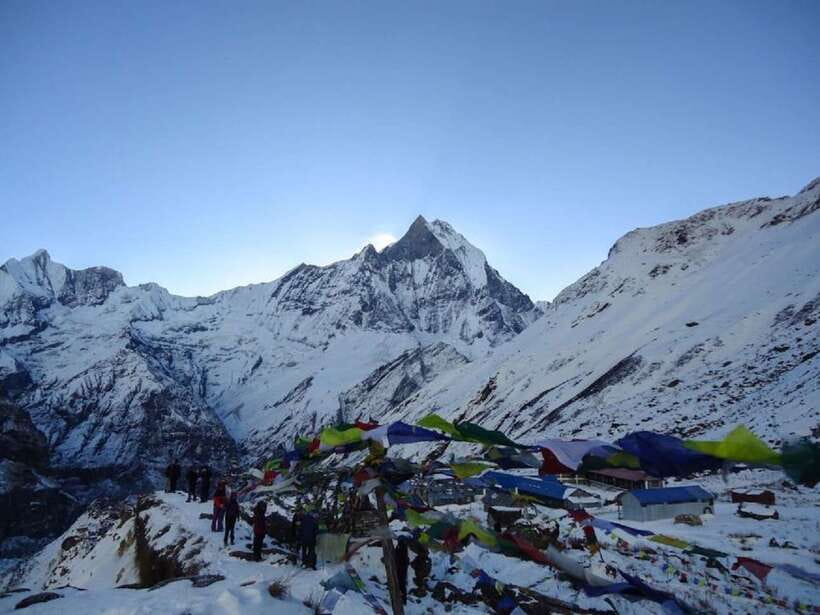
The third day takes you to Himalaya, at 2,920 meters. You continue through forest and village areas, with views of the surrounding peaks along the way.
This is where the trek begins to feel more serious. The route gains height, and you may notice the effort more than you did on the first two days. The schedule gives you a full day to reach the overnight stop rather than pushing straight to base camp, which makes the approach easier to understand and manage.
The forest is one of the pleasures of this section. Springs and waterfalls are part of the route, and the sound of running water breaks up the steady work of climbing. The settlements also remind you that the trail is used as a local passage, not only as a sightseeing path.
Your guide matters here. The company provides an experienced, government-registered guide and covers the guide’s food, lodging, insurance, salary, transport, and equipment. English, Hindi, and Nepali are listed as guide languages. No individual guide names are provided, so confirm who will lead your group before departure if that matters to you.
A few more hot spring trips around Nepal worth a look
- Pokhara: 7-Day Annapurna Base Camp Via PoonHill & Hot Spring
★ 5.0 · 6 reviews - Pokhara: Amazing 7-Day ABC Trek with Natural Hot Spring
★ 5.0 · 5 reviews - 7 Days Annapurna Base Camp Trek from Pokhara with Hot Spring
★ 5.0 · 2 reviews - 7 Days Best of Turkey Tour: Istanbul-Cappadocia-Ephesus-Pamukkale
★ 5.0 · 91 reviews
Day 4: Himalaya to Annapurna Base Camp at 4,130 meters
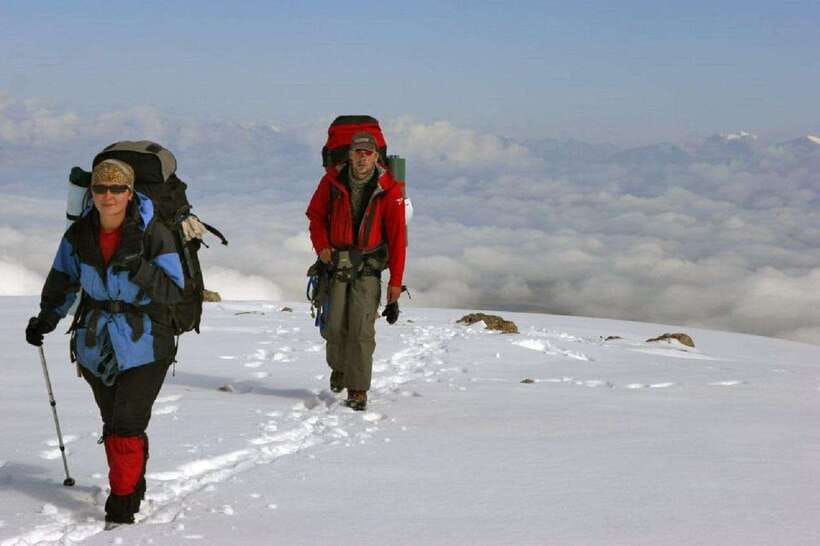
Day four is the main event. From Himalaya, you continue upward to Annapurna Base Camp, reaching 4,130 meters and spending the night there.
The reward is proximity. You are no longer looking at the Annapurna range from a distant village. You are staying close to the peaks, with Machapuchare also part of the mountain view. The setting is the reason to accept the effort, basic accommodation, and cold conditions.
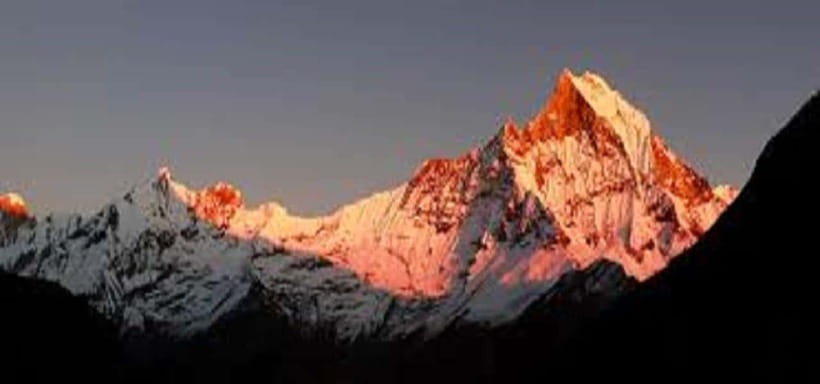
The sunrise is another major highlight. You should expect an early start to see the first light over the Annapurna range, though the precise sunrise arrangements are not stated. Ask your guide about the best viewpoint and timing when you arrive.
This is also the day to be honest about your condition. A 4,130-meter overnight stay is not a casual walk in the park. The itinerary does not describe an extra acclimatization day, so you need to choose this trek with the altitude and daily walking demands in mind. Your guide and first-aid kit are useful safeguards, but they do not replace travel insurance.
Make sure your policy covers emergency rescue. The price excludes travel insurance, and any emergency rescue costs must be covered by you through your insurance. That is not a detail to leave until the last minute.
Day 5: Annapurna Base Camp to Bamboo at 2,335 meters
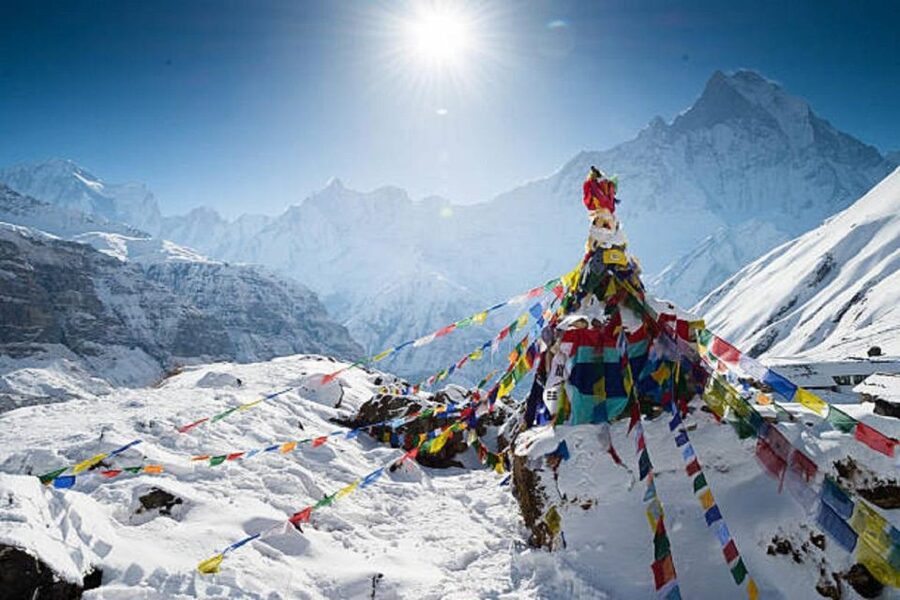
After your night at base camp, you descend to Bamboo. The route returns through rhododendron forest, with natural springs, waterfalls, and settlements along the way.
The descent usually changes the feel of the trip. You have already reached the goal, so the pace can become more relaxed, but downhill walking can still be tiring. Good hiking shoes matter here, especially on wet or uneven sections.
Bamboo at 2,335 meters is far lower than base camp, which can make the night feel easier. You also return to thicker forest and a warmer setting. This is a good day to refill water, sort your clothes, and prepare for the final walk toward the hot springs.
Do not count on all lodge services being free. Drinking water and Wi-Fi can cost extra, and personal expenses are excluded. Cash is specifically recommended, so keep enough accessible for the mountain section rather than packing it deep in your main bag.
Day 6: Bamboo to Jhinu Danda at 1,610 meters
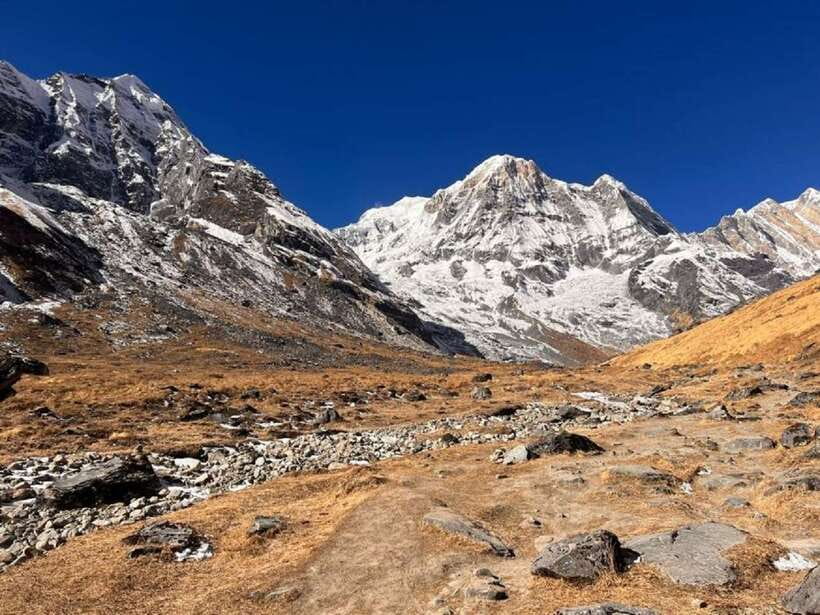
The sixth day takes you to Jhinu Danda, where the natural hot springs provide the trip’s recovery session. After several days of walking, this is a well-chosen finale to the hiking portion.
The springs are not simply a decorative extra. They give you a chance to relax your tired muscles before returning to Pokhara. Pack swimwear or a practical change of clothes where you can reach it easily. The supplied packing advice includes a change of clothes, and this is the day you will appreciate it most.
Jhinu Danda also makes a useful contrast with base camp. You move from a high, cold mountain setting to a lower village at 1,610 meters. The trip therefore finishes with comfort and warmth rather than one final punishing climb.
The itinerary uses both Jhinudanda and Jhinu Danda, but they refer to the same planned hot-spring stop. Confirm the spelling and exact bathing location with your guide so there is no confusion on the day.
Day 7: Jhinu Danda to Nayapool and back to Pokhara
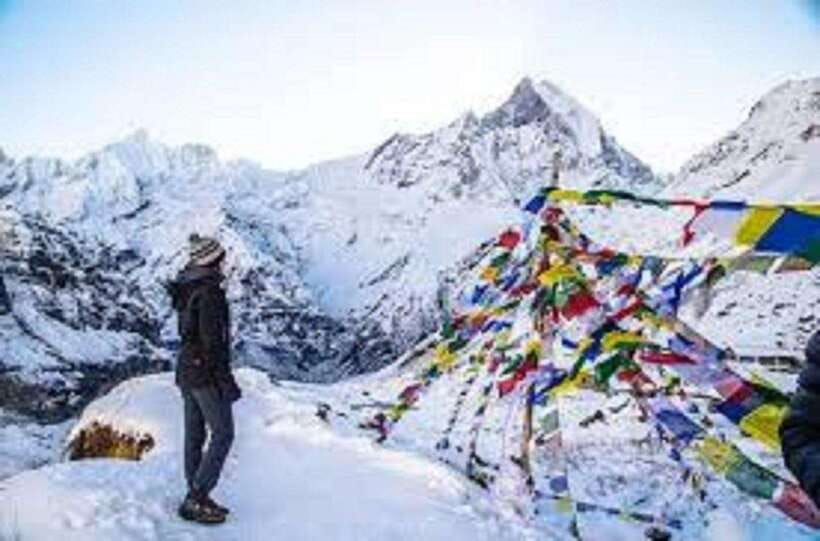
The final day takes you from Jhinu Danda to Nayapool, where you catch transport back to Pokhara. The activity ends after you are dropped at a Pokhara hotel of your choice.
This is the part of the schedule that needs the clearest discussion. The return journey may end sooner than the stated seven-day plan if the walking section is completed faster than expected. A previous experience with this operator described returning two days early and finding that a private Jeep had not been arranged for the return, resulting in a bus journey on difficult Nepalese roads.
That does not mean your return will follow the same pattern, but it is a real planning issue. Ask these questions before you pay:
- Is a private vehicle included in your selected package?
- What happens if the route finishes ahead of schedule?
- Is transport from Nayapool to Pokhara reserved in advance?
- Which parts of the airport and hotel transfer are included?
- Are all seven nights and meals included in your chosen price?
Clear answers can prevent a disappointing final day after an otherwise excellent mountain route.
What the $190 price delivers
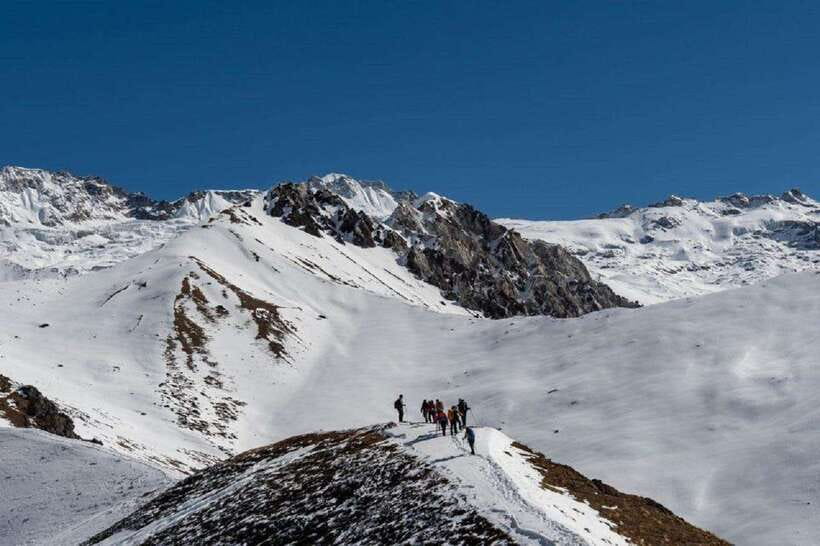
At $190 per person, this can be strong value for a seven-day private trek if the selected package includes the full set of listed services. Permits, accommodation, guide and porter support, local transport, meals, taxes, and some trekking equipment add up quickly when arranged separately.
The key phrase is selected option. Meals depend on the option chosen, as does private vehicle use. You should compare the exact package rather than assuming the lowest displayed fare includes every item.
The price does not cover personal expenses or travel insurance. You may also pay separately for Wi-Fi and drinking water at tea houses. Those costs are not unusual on a mountain trek, but they should be part of your budget.
The private-group format adds value if you want a more personal pace or do not want to join a large party. It also makes communication with the guide easier. On the other hand, private travel only helps if the transport and overnight arrangements are clearly managed, so confirm the details before departure.
What to pack for the Annapurna route
The required list is sensible, but mountain weather rewards careful packing. Bring hiking shoes, comfortable shoes, warm clothing, a jacket, hiking trousers, a hat, and trekking gear suited to seven days.
You should also carry a flashlight, camera, hand sanitizer or tissues, cash, a hair tie if useful, and a passport or ID card. A copy of your passport or ID is accepted according to the activity information.
The operator can provide a trekking stick or sleeping bag when needed, but confirm availability before leaving Pokhara. Keep your personal medicines and important documents with you. Alcohol and drugs are not allowed, and pets and baby carriages are not suitable for this trek.
Who should book this trek?
I would recommend it to you if you want the classic Annapurna Base Camp route in a compact seven-day schedule, especially if the combination of mountain views, village life, and hot springs appeals to you.
It suits people who can manage repeated hiking days and who are prepared for an overnight stay at 4,130 meters. It is less suitable if you want a relaxed holiday with short walks, full hotel comforts, or a guaranteed fixed schedule with no transport questions.
The cultural element is also worthwhile. You are not simply walking toward a viewpoint. You pass through traditional settlements, stay in tea houses, and move through forests and mountain communities. The experience feels more connected to the region than a quick vehicle excursion.
Snow Peak Tours and Travels provides the basic structure, permits, guide, porter support, and first-aid equipment you need. Your job is to confirm the package details, insist on a clear return plan, and take insurance seriously.
Should you book the Annapurna Base Camp trek?
Book it if the mountain goal is your priority and you are comfortable with basic lodging, high altitude, and a demanding seven-day schedule. Annapurna Base Camp, the sunrise, rhododendron forests, and Jhinu Danda’s hot springs give this route a satisfying shape from start to finish.
I would book only after confirming the meal plan, tea-house nights, guide assignment, private transport, and return arrangements in writing. The trek itself offers excellent natural and cultural rewards, but the organization needs your attention.
Free cancellation up to 24 hours before departure and reserve-now, pay-later terms give you useful flexibility. Use that flexibility to check the details carefully, then go if you want a serious mountain experience at a relatively modest price.
FAQ
How long is the Annapurna Base Camp trek?
The activity lasts seven days, beginning with transport from Pokhara and ending with your return to a Pokhara hotel.
How high does the trek go?
The highest point is Annapurna Base Camp at 4,130 meters, or 13,550 feet.
Where does the trek start and finish?
The walking route begins near Nayapool after transport from Pokhara. It ends at Nayapool, followed by transport back to Pokhara.
Are meals included?
Meals during the trek are included with some options. Check the exact package you select because the included meals depend on the option chosen.
Is a trekking guide provided?
Yes. The activity includes an experienced, government-registered trekking guide. Guides may speak English, Hindi, or Nepali.
Is travel insurance included?
No. Travel insurance is not included. Your policy should cover emergency rescue costs before you take part in the trek.
Just added around Nepal
- 7 Days Annapurna Base Camp Trek from Pokhara with Hot Spring★ 5.0 · 2 reviews
- POON HILL HOT SPRING – 10 Days Trek★ 5.0 · 3 reviews
- Lower Mustang Jomsom Muktinath Hot Spring Tour in 4 WD Jeep★ 4.5 · 2 reviews
- 5-Day Annapurna Base Camp Trek with Natural Hot Springs★ 5.0 · 3 reviews
- Pokhara: 7-Day Annapurna Base Camp Via PoonHill & Hot Spring★ 5.0 · 6 reviews
- Pokhara: Amazing 7-Day ABC Trek with Natural Hot Spring★ 5.0 · 5 reviews
- Pokhara: 5-Day Trek to Annapurna Base Camp and Hot Springs★ 5.0 · 4 reviews
- Pokhara: 5-Day Annapurna Base Camp Trek with Hot Spring★ 5.0 · 3 reviews
Hiking & Trekking, compared.
Mount Batur Sunrise Guided Hike and Natural Hot Spring
Read our review →
Mount Batur Sunrise Hike and Natural Hot Spring Option
Read our review →
Private Tour Mount Batur Sunrise Trekking and Natural Hot Spring
Read our review →
Mount Batur Sunrise Hike, Breakfast & Hot Spring
Read our review →
Mount Batur Sunrise Hike with Breakfast & Hot Spring
Read our review →
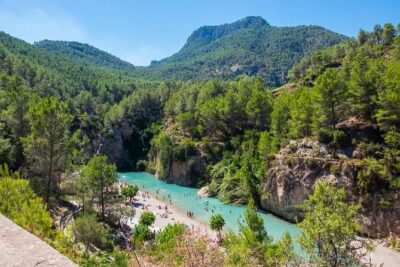
Montanejos Hiking Tour & Thermal Pools from Valencia
Read our review →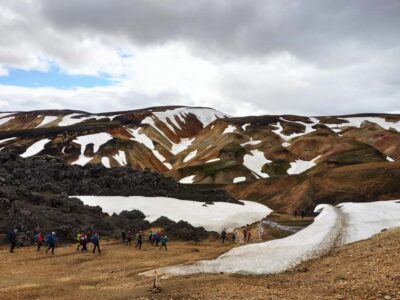
Landmannalaugar Hike and Hot Springs from Reykjavik & Hella
Read our review →Browse the lists this tour appears in