
REVIEW · NEPAL
5-Day Annapurna Base Camp Trek with Natural Hot Springs
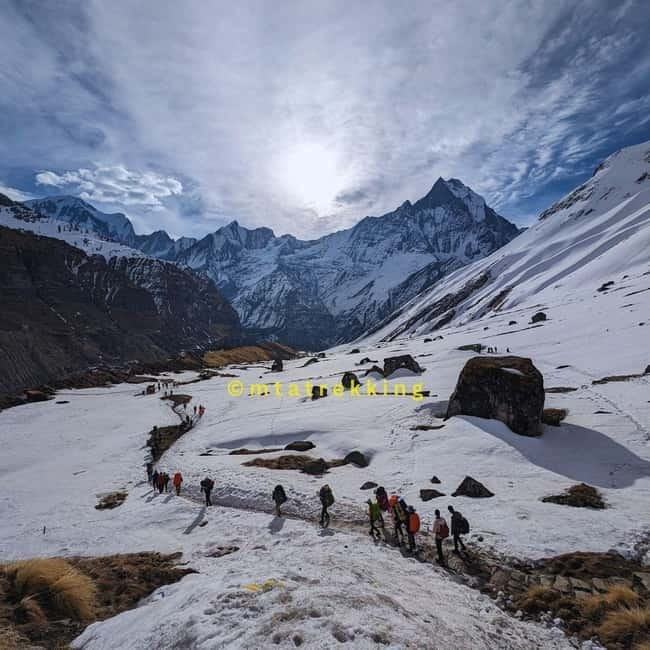
Annapurna Base Camp is the prize here, but the sunrise among the high peaks may be the moment you remember longest. This five-day route takes you from Pokhara through terraced fields, forests, Gurung villages, and rough alpine country to the base camp at 4,130 meters.
I like the private format, since your guide can adjust rest stops and walking speed. I also like the practical finish: the return route passes through Jhinu, where you can soak in natural hot springs before heading back to Pokhara.
The main concern is the pace. Five days is short for a trek that reaches serious altitude, and the long uphill days may be demanding for beginners. The itinerary also lists walking times of roughly four to six hours, but mountain conditions can make each day feel longer.
Key points to know before booking
- Reach 4,130 meters in five days: The route is rewarding, but you need to take altitude and pacing seriously.
- Start and finish in Lakeside Pokhara: Private vehicle transport covers the road journey to Siwai and back.
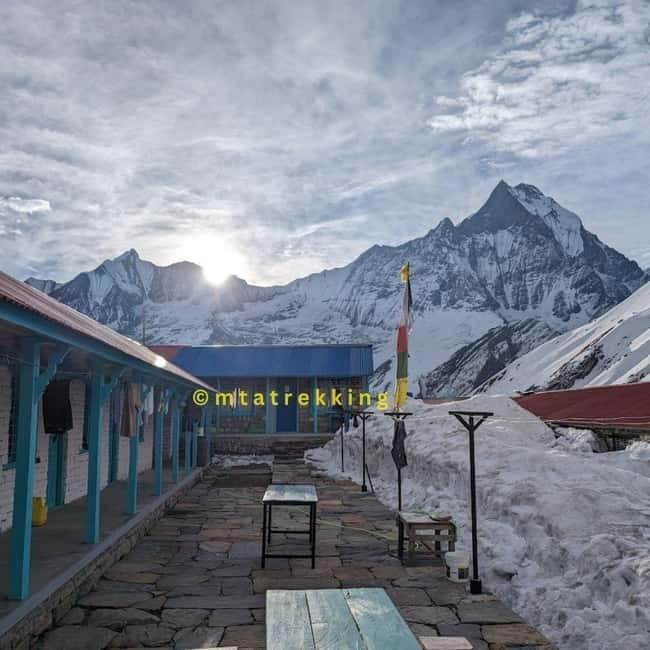
- Sleep in tea houses: Accommodation is simple mountain lodging, with hot showers, Wi-Fi, drinks, and laundry charged separately.
- Visit Machhapuchhre Base Camp: The route adds a stop near the famous Fishtail peak before reaching Annapurna Base Camp.
- Optional Jhinu hot springs stop: You can relax in the natural pools on the way back.
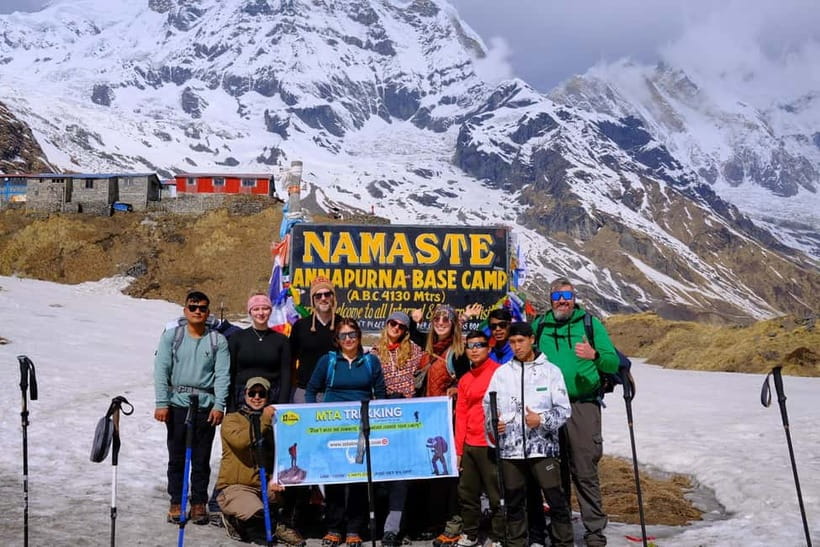
- Guide support is included: The English-speaking guide is government registered, and the trek is run as a private group by MTA Trekking.
What this five-day Annapurna route is really like
This is a compact Himalayan trek, not a gentle sightseeing walk. You cover forest paths, stone steps, village trails, and higher mountain ground in a short period. At its best, the route gives you a clear sense of Nepal in layers, from farming communities to bare, cold high country.
The trek begins and ends in Pokhara, which keeps the logistics simple. Pickup is available from a hotel in the Lakeside area or from Pokhara International Airport. From there, a private jeep or SUV takes you toward Siwai, the last road point for this route. The drive takes about three hours.
The price is $320 per person. That is a useful value if you want private transport, a guide, permits, tea-house accommodation, and luggage storage in Pokhara handled in one package. Check the meal option carefully, since meals are included only when you choose the full-board option.
A porter is not included. If you want one, the stated price is $20 per day. You should also budget for drinks, bottled or hot water, showers, Wi-Fi, laundry, and other personal purchases in the mountains.
More Natural Hot Spring Tours in Nepal:
- Pokhara: 5 Day Annapurna Base Camp Trek & Natural Hot Spring
★ 4.9 · 44 reviews - Pokhara: 7-Day Annapurna Base Camp Trek & Natural Hot Spring
★ 5.0 · 11 reviews - Pokhara: Amazing 7-Day ABC Trek with Natural Hot Spring
★ 5.0 · 5 reviews
Day 1: Pokhara to Lower Sinuwa through Jhinu
Your first morning combines road travel and hiking. After the drive from Pokhara to Siwai, you begin walking toward Lower Sinuwa, at about 2,300 meters. The walking time is listed as roughly five to six hours, depending on the exact pace and route conditions.
The trail passes through Jhinu, a village best known for its natural hot springs. On the way up, the village is more of a cultural and scenic stop than a long rest. You get your first look at the local settlement pattern, with homes and tea houses set along the mountain route.
This opening day gives you a useful introduction to the trek. You move from the busy lakeside setting of Pokhara into quieter hills, terraced farmland, and forested paths. The route is not yet high alpine, but the repeated climbs can still test your legs.
Lower Sinuwa is your overnight stop. The elevation is high enough to begin noticing the thinner air, though it is far below base camp. Tea-house accommodation means a simple room and shared facilities rather than hotel comfort. You should arrive with realistic expectations: mountain lodging is about shelter, food, and rest.
Day 2: The long climb from Lower Sinuwa to Deurali
Day two takes you higher, to Deurali at approximately 3,200 meters. The walking time is about six hours. This is one of the days when a private guide becomes especially useful, since you can discuss when to stop, drink, and slow down.
The scenery changes as you gain height. Lower sections include dense forest, while the trail gradually opens into a more rugged mountain setting. You will see the route shift from warm, green surroundings to cooler terrain with bigger views.
Deurali is a scenic overnight point, but the altitude makes this more than a postcard stop. Some people sleep lightly or develop a headache as they climb. That does not automatically mean a serious problem, but you should tell your guide about any symptoms rather than trying to hide them.
The itinerary calls the walking time six hours, though the exact experience depends on weather, trail conditions, and how often you stop. Your guide can help you keep a steady rhythm. A slow, even pace is more useful here than racing ahead and arriving exhausted.
Day 3: Deurali to Machhapuchhre Base Camp and Annapurna Base Camp
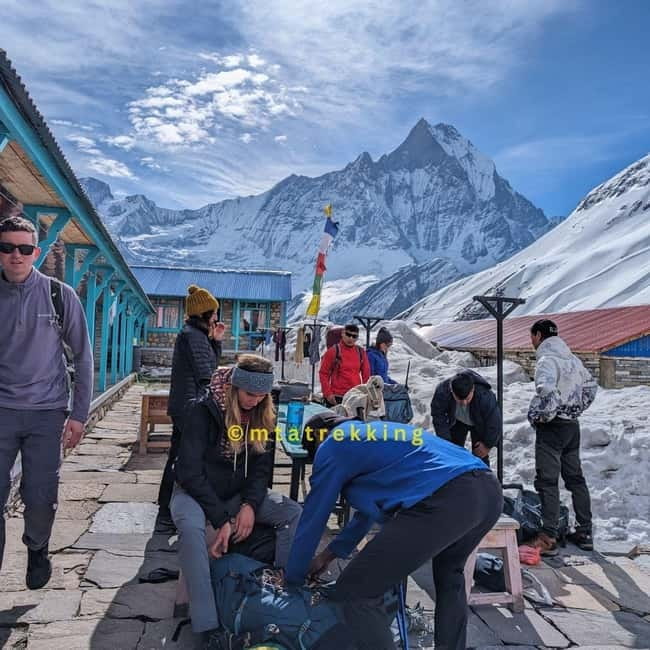
This is the high point of the trek, both literally and emotionally. The route from Deurali to Annapurna Base Camp is listed at about four hours, with a stop at Machhapuchhre Base Camp along the way.
Machhapuchhre, also called Fishtail, is one of Nepal’s most recognizable peaks. The base camp stop gives you time to look toward its sharp profile before continuing toward Annapurna Base Camp. The setting becomes more exposed and alpine, with the surrounding peaks taking over your view.
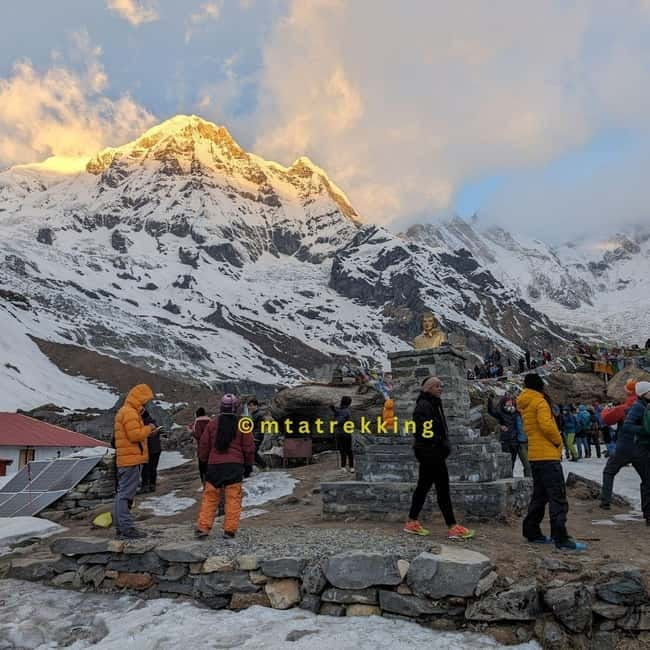
Annapurna Base Camp sits at 4,130 meters, or 13,550 feet. Reaching it is a serious accomplishment on a five-day schedule. Here, the trail ends in a broad mountain amphitheater surrounded by the Annapurna massif. The scale is difficult to judge from photographs, so give yourself time to simply look around.
You stay overnight at base camp. The cold and altitude can make this a demanding night, even if the walking day was not the longest on paper. Keep your clothing close, drink regularly, and follow your guide’s advice. Hot showers and other comforts are not included, so pack for a basic stay.
The strongest part of the experience may come at sunrise. The first light on the south face of Annapurna creates the kind of mountain scene that makes the early wake-up worthwhile. Guide Ramit received particular praise for managing walking times and rest breaks, as well as for explaining the natural features along the route. If Ramit is assigned to your group, his approach should suit anyone who values both steady pacing and local explanation.
More Hikes and Treks in Nepal:
- From Pokhara: 5-Day Annapurna Basecamp Trek with Hot Springs
★ 4.9 · 26 reviews - Pkr/Kathmandu: 5-Day Annapurna Base Camp & Hot spring Trek
★ 5.0 · 6 reviews - Pokhara: 5-Day Trek to Annapurna Base Camp and Hot Springs
★ 5.0 · 4 reviews - POON HILL HOT SPRING – 10 Days Trek
★ 5.0 · 3 reviews
Day 4: Morning views and the descent to Bamboo
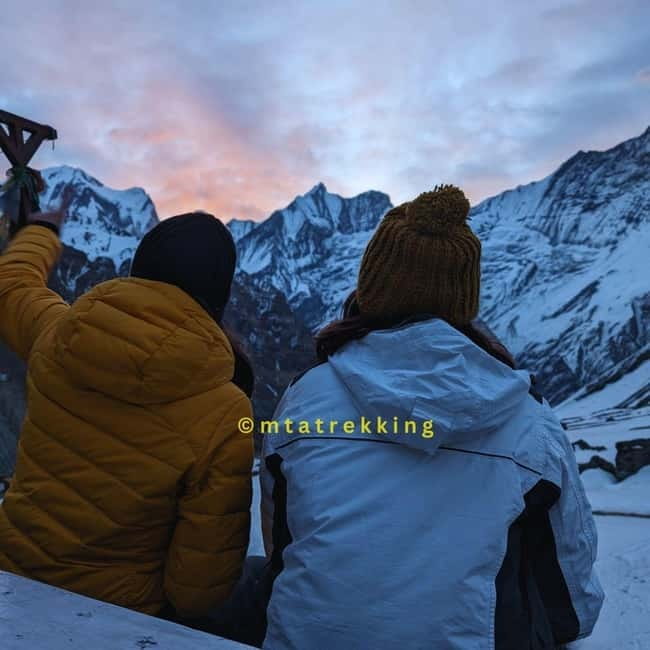
After your time at base camp, you descend to Bamboo, at around 2,400 meters. The walking time is listed as roughly six hours. This is a big downhill day, and downhill does not always mean easy. Stone steps and uneven paths can be hard on knees and ankles.
The return gives you a different view of places you passed while climbing. You can also enjoy the relief of dropping to lower altitude. If you had a headache or felt short of breath higher up, the descent should feel more comfortable, but you still need to pay attention to your body.
Bamboo is a practical overnight stop. It breaks up the long return to the road and gives you a chance to rest before the final walking section. The tea-house setting remains basic, but the lower elevation may make the evening more comfortable than your night at base camp.
This is also a good point to consider your personal belongings. Luggage storage is provided in Pokhara during the trek, so you only need to carry what you require on the trail. That helps, especially if you are not hiring a porter.
Day 5: Bamboo to Jhinu and back to Pokhara
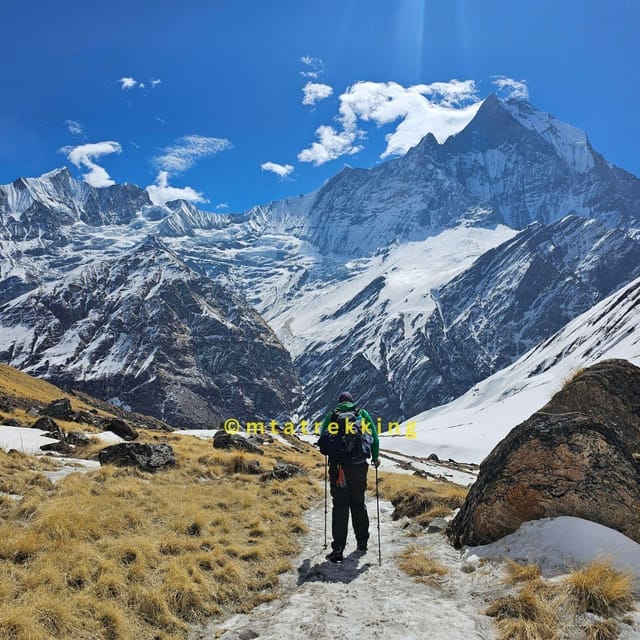
The final day combines a downhill walk, the optional hot springs stop, and the drive back to Pokhara. After walking toward Jhinu, you can choose to soak in the natural hot springs. This is a welcome way to ease tired legs, though the stop is optional and depends on timing and conditions.
From Jhinu, you return by private vehicle. The drive back to Lakeside Pokhara takes about three hours. After several days on foot, the road may feel rough and tiring, but reaching the city marks a clean end to the trek.
The hot springs are one of the best practical touches in the schedule. They give the return day a clear reward instead of making it only a long descent followed by a vehicle ride. Bring a change of clothes and cash, both listed as useful items for the activity.
Tea houses, meals, and what you pay for
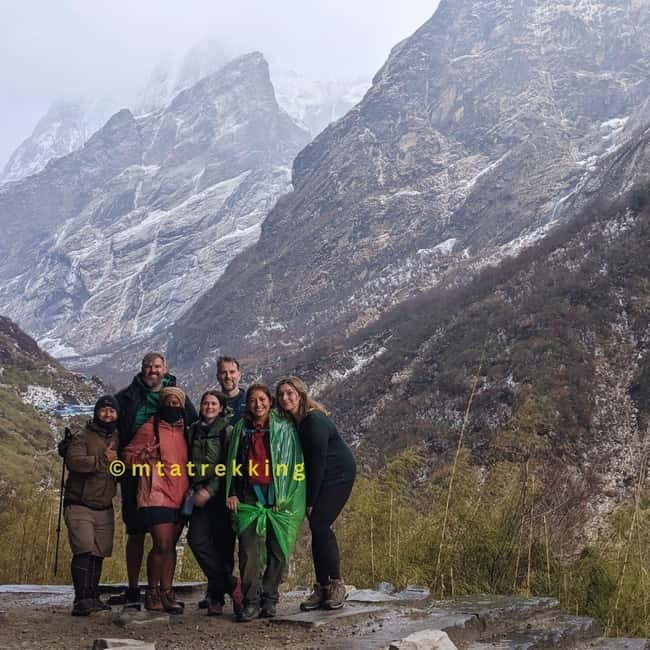
Tea-house accommodation is part of the experience. You sleep in local mountain lodges rather than large hotels, which brings you closer to the communities along the trail. Rooms and services can be simple, and the cost of comfort items rises in remote areas.
Hot showers, Wi-Fi, drinks, mineral water, hot water, and laundry are not included. You should carry enough cash for these extras. The activity specifically recommends choosing the full-board option if you want meals included, so confirm that choice before paying.
The $320 price also covers the Annapurna Conservation Area permit, government permits, TIMS, taxes, a government-registered guide, first-aid equipment, private transport, and pickup and drop-off. It is a fair package for someone who wants the main arrangements handled without joining a large group.
Rescue and insurance are not included. That is important at this altitude. You should arrange suitable trekking insurance before setting out, with coverage that fits high-altitude hiking and emergency evacuation.
Fitness, altitude, and weather
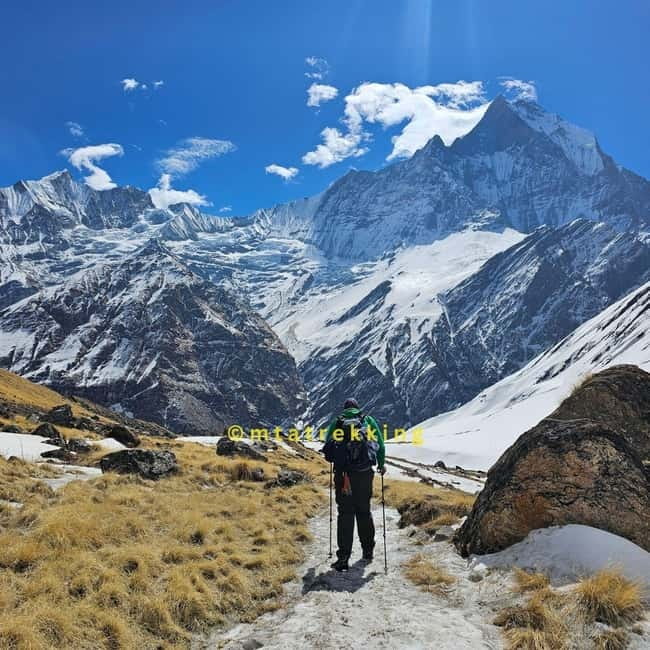
The trek is described as suitable for different experience levels, but that should not be read as easy for everyone. You walk for several hours on multiple days, gain significant altitude, and sleep at 4,130 meters. A beginner can attempt it, but a beginner should prepare seriously.
Annapurna Base Camp can bring altitude sickness. The supplied guidance calls it rare, but possibility matters more than probability. Tell your guide if you develop a headache, nausea, unusual tiredness, dizziness, or breathing trouble. Do not treat symptoms as a test of toughness.
The five-day schedule leaves less time for adjustment than a longer itinerary. Your best tools are a steady pace, regular water breaks, warm clothing, and honest communication with the guide. If you already have altitude sickness, this activity is not suitable.
Monsoon season, especially June through August, brings heavy rain and changeable conditions. Lower sections may be slippery, and leeches can be a nuisance. Long trousers tucked into gaiters and insect repellent can help. The mountain scenery may also be less clear during wet weather.
What to pack for this particular trek
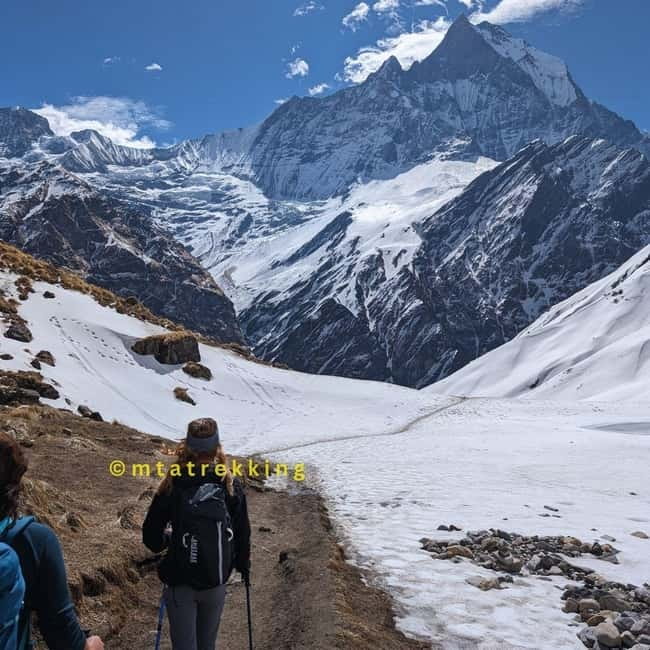
Start with comfortable hiking shoes and comfortable clothes that allow easy movement. You also need a change of clothes, cash, and a passport or identification card. A copy of your passport or ID is accepted.
Because the route includes cold high-altitude nights and wet lower trails, pack clothing for changing conditions. You should also bring protection for rain, though the exact gear list is not specified here. Keep important documents and spare clothing protected from moisture.
If you hire a porter, the listed rate is $20 per day. Without one, use the luggage storage in Pokhara and carry only your trail essentials. A lighter bag makes the stone steps and long descents much easier.
Who will enjoy this trek most
I would recommend this trip to someone who wants a private Himalayan experience but has only five days. It suits you if you want mountain views, local villages, tea-house nights, and a clear goal rather than a long, loose route through the region.
It also works well for people who value a guide’s help with timing and explanation. The positive feedback about Ramit points to the value of a guide who can explain the natural setting, manage breaks, and keep the group moving at a sensible rate.
I would hesitate to recommend it to anyone with limited mobility, anyone who does not tolerate long walking days, or anyone uncomfortable with basic lodging. It is not suitable for pregnant women, wheelchair users, people with visual impairments, people over 70 according to the stated conditions, or people with altitude sickness.
The private group format helps, but it cannot remove the physical demands. You still need to climb, descend, sleep high, and manage your own comfort items.
Should you book the Annapurna Base Camp trek?
Book it if you want a short, organized route from Pokhara to one of Nepal’s great mountain viewpoints, with a private guide and transport already arranged. The combination of Annapurna Base Camp, Machhapuchhre Base Camp, Gurung villages, tea-house stays, and Jhinu hot springs gives the five days a good mix.
Think twice if you need a slow acclimatization schedule or prefer more comfort. The price is attractive for the permits, vehicle, guide, and lodging included, but meals depend on the option you select, and extra mountain services can add up.
For a strong walker with realistic expectations, this is a focused and memorable introduction to the Annapurna region. Pack light, prepare for altitude, carry cash, and treat the five-day schedule as an active mountain trip rather than a casual holiday.
FAQ
How long is the Annapurna Base Camp trek?
The activity lasts five days and four nights, including travel from Pokhara, the trek to base camp, the return walk, and the drive back to Pokhara.
What is the highest point of the trek?
Annapurna Base Camp is at 4,130 meters, or 13,550 feet.
Where does the trek start?
Pickup is available from hotels and locations in Lakeside Pokhara, as well as Pokhara International Airport.
Where does the trek finish?
The activity ends back at the meeting point in Lakeside Pokhara after the return drive.
Is private transport included?
Yes. Private transport is provided between Pokhara and Siwai, the last road point, with the drive taking about three hours each way.
Is a guide included?
Yes. A professional, government-registered trekking guide is included. The tour provides an English-speaking live guide.
Are meals included?
Meals are included when you choose the full-board option. Confirm that option when booking.
Is a porter included?
No. Porter service is optional and costs $20 per day.
Are the hot springs included?
The Jhinu hot springs stop is optional on the return route. The information provided does not state a separate entrance fee.
What should I bring?
Bring comfortable shoes, comfortable clothing, a change of clothes, cash, and a passport or identification card. A copy of the passport or ID is accepted.
More 5-Day Experiences in Nepal
- Pokhara: 5-Day Annapurna Base Camp Trek with Hot Spring
★ 5.0 · 3 reviews - 5-Day Aegean Tour – Gallipoli, Troy, Ephesus, Kusadasi, Pamukkale
★ 4.5 · 86 reviews - 5-Day Best of Cappadocia, Pamukkale and Ephesus
★ 5.0 · 6 reviews - Istanbul-Ephesus-Pamukkale (5 Days Private Tour)
★ 5.0 · 5 reviews
Just added around Nepal
- 7 Days Annapurna Base Camp Trek from Pokhara with Hot Spring★ 5.0 · 2 reviews
- POON HILL HOT SPRING – 10 Days Trek★ 5.0 · 3 reviews
- Lower Mustang Jomsom Muktinath Hot Spring Tour in 4 WD Jeep★ 4.5 · 2 reviews
- Pokhara: 7-Day Annapurna Base Camp Via PoonHill & Hot Spring★ 5.0 · 6 reviews
- Pokhara: Amazing 7-Day ABC Trek with Natural Hot Spring★ 5.0 · 5 reviews
- Pokhara: 5-Day Trek to Annapurna Base Camp and Hot Springs★ 5.0 · 4 reviews
- Pokhara: 7-Day Annapurna Base Camp Trek & Hot Spring★ 4.0 · 3 reviews
- Pokhara: 5-Day Annapurna Base Camp Trek with Hot Spring★ 5.0 · 3 reviews
Natural Hot Spring Tours, compared.
Mount Batur Sunrise Guided Hike and Natural Hot Spring
Read our review →
Mount Batur Sunrise Hike and Natural Hot Spring Option
Read our review →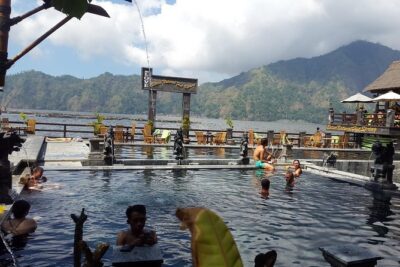
Mt Batur Sunrise, Breakfast & Natural Hot Springs
Read our review →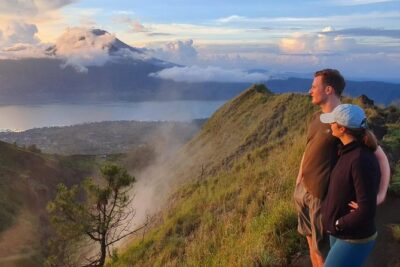
Private Tour Mount Batur Sunrise Trekking and Natural Hot Spring
Read our review →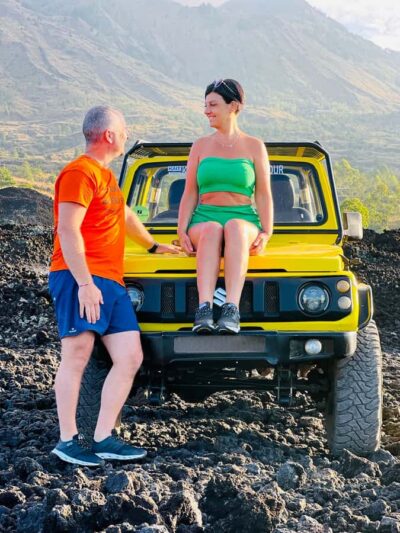
Day/Sunset Mount Batur 4WD Jeep and Natural Hot Spring
Read our review →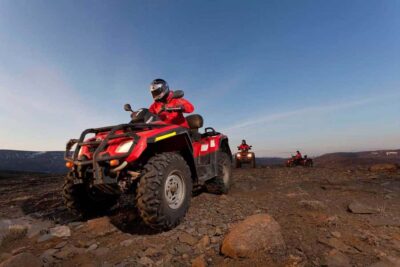
Mount Batur Quad Bike Tour and Natural Hot Springs
Read our review →

Mount Batur Sunrise Jeep Tour with Natural Hot Spring
Read our review →Browse the lists this tour appears in