
REVIEW · NEPAL
Pokhara: 7-Day Annapurna Base Camp Trek & Natural Hot Spring
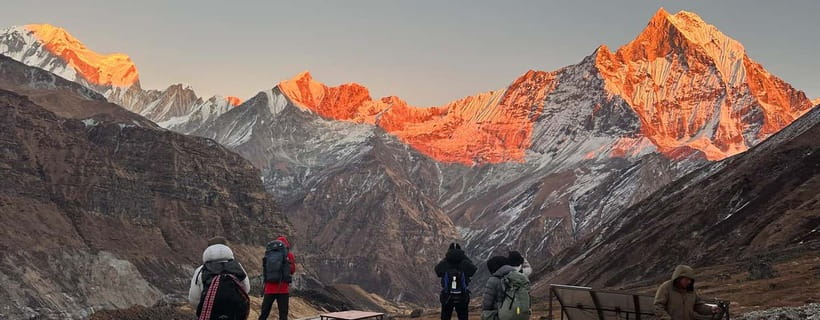
Annapurna Base Camp is the prize here, but the route makes the seven-day trek special. You pass through Gurung villages and rhododendron forests, then enter a mountain bowl ringed by huge Himalayan peaks. I especially like the mix of mountain scenery and local life, plus the hot spring stop at Jhinu Danda after the hard work is done.
I also like that the price includes permits, tea house lodging, meals on selected options, guide costs, transport, and basic trekking gear. The main catch is the pace: reaching 4,130 meters in four walking days is demanding, and the road sections near the start and finish can be dusty and less appealing than the mountain trails.
Key points for your Annapurna Base Camp week
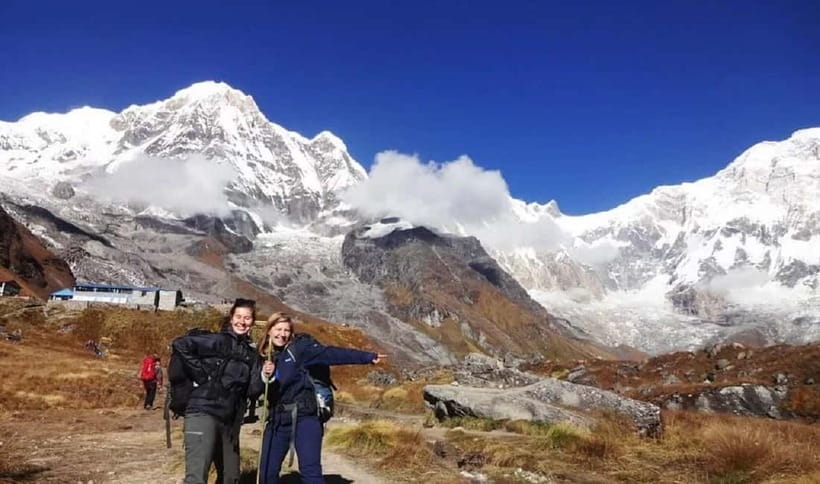
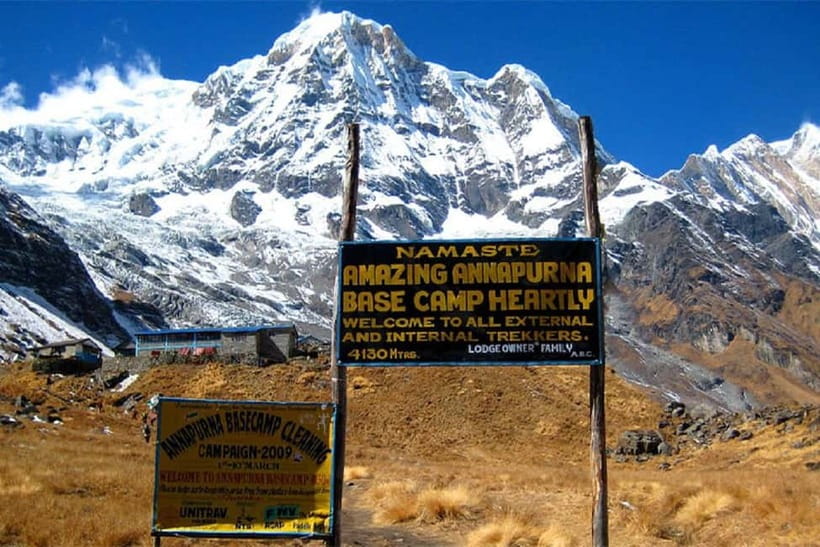
- Base camp at 4,130 meters: Reach the heart of the Annapurna Sanctuary after a demanding climb through changing mountain zones.
- A private guided trek: English, Hindi, and Nepali-speaking guides lead the way and help with safety, meals, pacing, and local customs.
- Ghandruk and Chomrong: Stay in traditional mountain villages with stone paths, tea houses, and broad views toward Annapurna and Machhapuchhre.
- A natural hot spring finish: Soak at Jhinu Danda after descending from the high country.
- Strong package value: Permits, government taxes, guide expenses, tea house stays, transport, and a first aid kit are included, depending on the selected meal option.
- A real physical challenge: Expect five to seven hours of walking on most days, with steep steps, changing altitude, and basic lodging.
Why this seven-day route works
This trek gives you a short route into one of Nepal’s most famous mountain sanctuaries. It is not a gentle scenic walk, but it packs villages, forests, high alpine scenery, and a rewarding descent into a single week.
You start near Pokhara, a useful base for preparing before the trail. Pickup is available from a Lakeside hotel or Pokhara International Airport, which removes some early-morning planning. Your group is private, so the guide can pay attention to your pace rather than managing a large mixed party.
The package costs $181 per person. That is a strong price for a guided trek when permits, transport, tea house accommodation, guide insurance and expenses, local taxes, and a first aid kit are included. Check the selected option carefully, because meals depend on the package you choose. A porter is extra at $20 per day, and personal snacks, drinks, insurance, and emergency rescue are not included.
The value is best for someone who wants a managed trek without arranging each permit, bed, meal, and vehicle separately. You still need to budget for drinks, snacks, personal expenses, and a porter if you do not want to carry your own bag.
More Natural Hot Spring Tours in Nepal:
- Pokhara: 5 Day Annapurna Base Camp Trek & Natural Hot Spring
★ 4.9 · 44 reviews - Pokhara: Amazing 7-Day ABC Trek with Natural Hot Spring
★ 5.0 · 5 reviews - 5-Day Annapurna Base Camp Trek with Natural Hot Springs
★ 5.0 · 3 reviews
Day 1: Pokhara to Ghandruk, your first mountain village
The first day combines about one hour of driving with five to six hours on foot. The drive takes you toward Nayapool, the usual starting area for this route, and the walking section leads through villages, forest, and the Modi Khola area toward Ghandruk.
Ghandruk sits at about 1,940 meters and gives you your first proper mountain-village stay. The appeal is not only the views. This is a place to slow down, follow stone paths, and settle into the simple rhythm of tea house trekking.
The first day can feel longer than the mileage suggests because your body is still adjusting to the trail. One practical point deserves attention: some of the route near the beginning involves dusty roads. If you dislike roadside walking, ask in advance how much vehicle support is possible for this section.
You sleep in a simple tea house or lodge. Do not expect hotel-style comfort. The value is the location, the shared mountain atmosphere, and the convenience of having a bed along a route where independent arrangements can take extra time.
Day 2: Ghandruk to Chomrong and the stone-step test
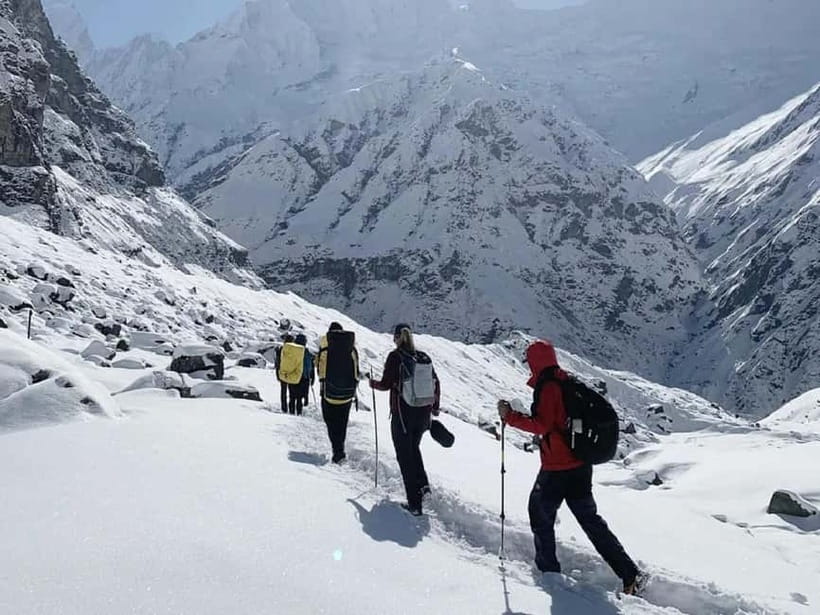
The walk to Chomrong takes roughly five to six hours and climbs through forest and stone stairways. Chomrong is at about 2,170 meters, so this is still an acclimatization day, but the repeated steps make it a proper workout.
This section is a good example of why reasonable fitness matters more than speed. You may feel strong on a level path, then find the stair climbing surprisingly tiring. Keep your pace steady and let your guide know early if you need a break.
Chomrong is a key village on the approach to the sanctuary. From here, the views toward Annapurna and Machhapuchhre become more dramatic, and the trail begins to feel more remote. The village also marks a transition from the lower hills toward the higher mountain valley.
Guide quality matters here. Several guides connected with this trek, including Chandra, Bishnu Giri, Anil, Jeet Bahadur, Laxman, and Sun, have been praised for helping with pacing, meals, safety, and encouragement. You cannot assume a particular guide unless the operator confirms it, but you can request one when booking if a named guide is important to you.
Day 3: Chomrong to Himalaya through forest and river country
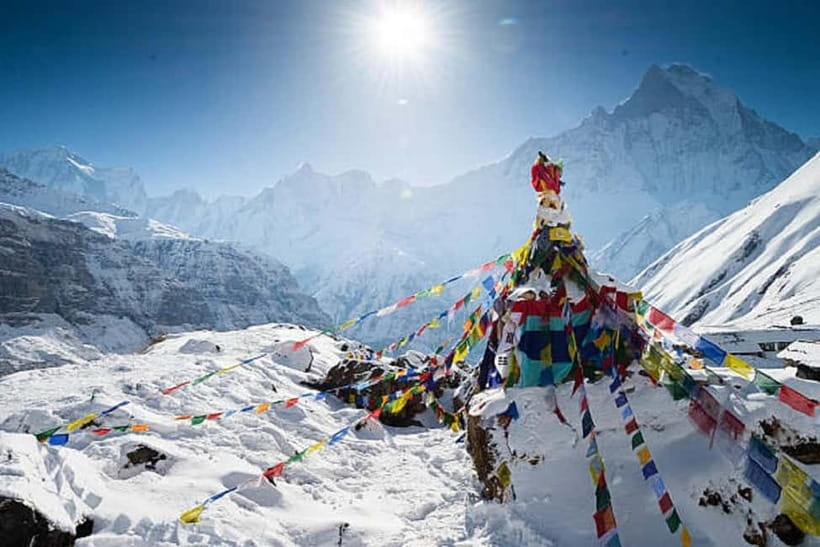
Day three takes six to seven hours and ends at Himalaya, at roughly 2,920 meters. The trail first drops toward the river, then climbs through bamboo and rhododendron forest.
This up-and-down shape can catch you off guard. A descent is not always a rest day, since every lost meter must be regained later. The forest, however, breaks up the effort and gives you shade and a changing view of the valley.
You will notice the route becoming more enclosed and more alpine as you move higher. The sound of water, steep valley walls, and thick forest create a very different mood from the open village views around Ghandruk and Chomrong.
Himalaya is a practical overnight stop before the big push to base camp. Tea house accommodation here is simple, and facilities may feel more basic than in Pokhara or the larger villages. Bring cash, a flashlight, warm layers, and a power bank, since personal comfort depends partly on what you carry.
More Hikes and Treks in Nepal:
- From Pokhara: 5-Day Annapurna Basecamp Trek with Hot Springs
★ 4.9 · 26 reviews - Pkr/Kathmandu: 5-Day Annapurna Base Camp & Hot spring Trek
★ 5.0 · 6 reviews - Pokhara: 5-Day Trek to Annapurna Base Camp and Hot Springs
★ 5.0 · 4 reviews - POON HILL HOT SPRING – 10 Days Trek
★ 5.0 · 3 reviews
Day 4: Himalaya to Machhapuchhre Base Camp and Annapurna Base Camp
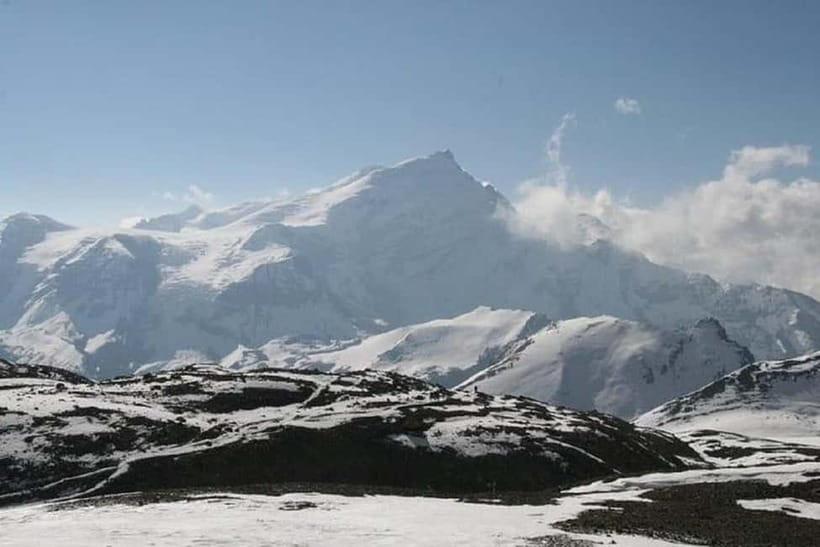
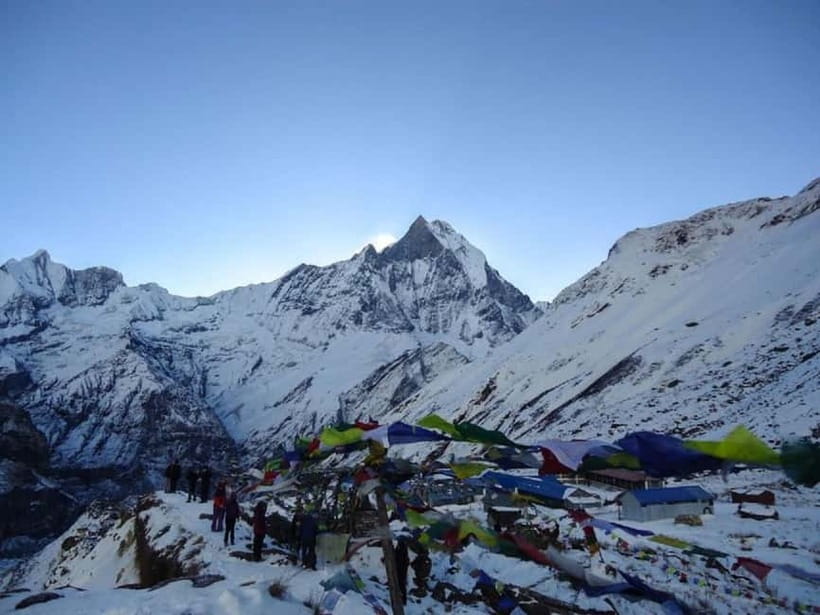
This is the central day of the trek. You walk six to seven hours from Himalaya through the alpine zone, pass Machhapuchhre Base Camp, and continue to Annapurna Base Camp at 4,130 meters.
The scenery changes sharply as the forest thins and the valley opens. You are heading into the Annapurna Sanctuary, a mountain amphitheater surrounded by major peaks. The route feels rewarding because the destination is not just a viewpoint. You are sleeping at the base camp itself.
The altitude is the serious part of this day. At 4,130 meters, the air is much thinner than in Pokhara, and the combination of long walking and climbing can make a manageable trail feel hard. Your guide should watch your condition, but you also need to speak up about headache, unusual tiredness, or other health concerns.
Warm clothes are essential, even if the lower valleys are mild. Pack a jacket, gloves, a hat, sunglasses, sunscreen, and a sleeping bag if needed. The operator says trekking gear and sleeping bags may be available depending on need, so confirm what is supplied before you leave Pokhara.
Base camp is the emotional high point of the week. Sunrise and sunset views around Annapurna I and Machhapuchhre are the kind of mountain moments that justify the effort. Conditions can change, though, so do not treat a clear view as guaranteed. January can offer quieter trails and tea houses, with one recent January trek benefiting from clear skies and low crowd levels, but winter also demands serious warm clothing.
Day 5: The long descent from base camp to Bamboo
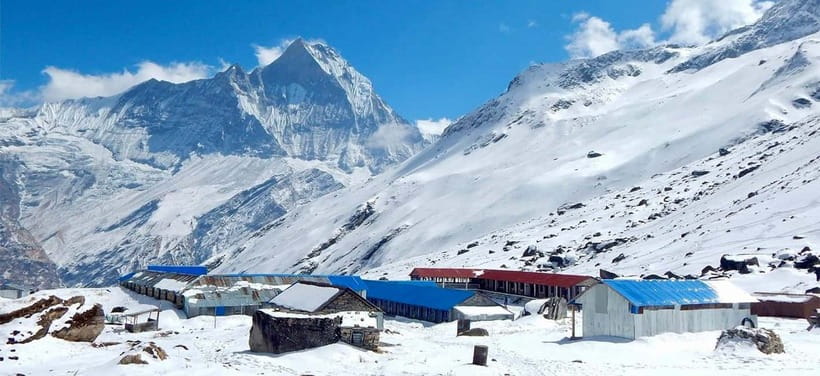
After the high point, you walk six to seven hours downhill to Bamboo, at about 2,335 meters. The descent gives you another look at the peaks, waterfalls, and valley walls, this time with the route unfolding behind you.
Downhill does not mean easy. Long stone steps can work your knees and thighs, especially after a cold night at altitude. Trekking poles are useful here, and a steady pace is kinder to your legs than rushing toward the lower valley.
Bamboo is a sensible overnight stop because it breaks the descent before Jhinu Danda. It also lets you sleep lower than base camp, which can feel welcome after the high night. Tea house rooms remain basic, but the lower altitude and forest setting usually make the evening feel less severe.
This is a good day to keep your camera ready. The direction of light changes, and views that were partly hidden on the way up can appear more clearly on the way down.
Day 6: Bamboo to Jhinu Danda and the hot spring reward
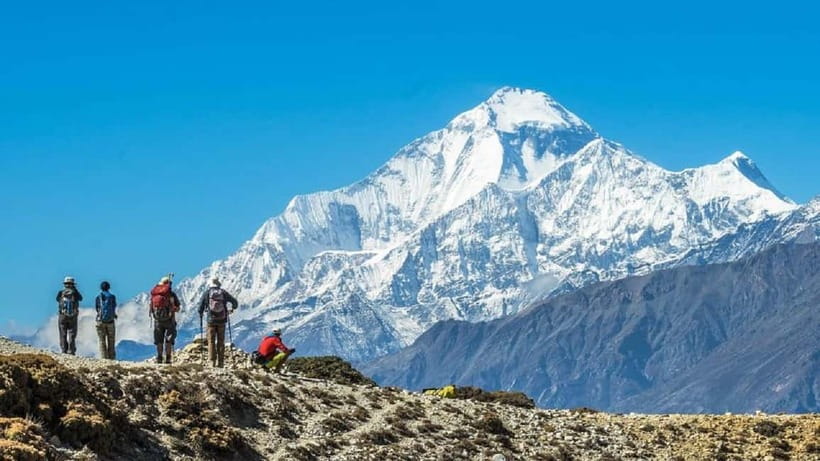
The six-day walking schedule continues with five to six hours from Bamboo to Jhinu Danda, at approximately 1,610 meters. The trail descends toward the riverside and returns to warmer, greener country.
Jhinu Danda is more than another overnight village. It is the recovery stop built into the route. After several hard days, you can walk to the natural hot springs and soak in warm water near the river.
Bring a towel and a change of clothes. A hot spring does not erase tired legs, but it turns the end of a demanding day into something pleasant and memorable. It also gives this itinerary a different feel from a simple out-and-back base camp trek.
The descent to Jhinu can still involve steep steps, so save energy for the final section. Comfortable shoes, waterproof footwear, and trekking poles can all help when the trail is wet or uneven. Rain gear is worth carrying because mountain weather can shift even when the forecast looks friendly.
Day 7: Jhinu Danda to Nayapool and back to Pokhara
The final day involves about four to five hours of walking, followed by roughly one hour of driving to Pokhara. You finish the trek at Nayapool and return to one of several drop-off points, including Lakeside hotels, Hotel Temple Tree, Hotel Barahi, Pokhara International Airport, and Sarangkot.
The walking is shorter than on the middle days, but the final road sections may test your patience. Dusty roads have been a noted drawback, and some people may prefer a car or jeep for parts of the first and last day. Ask about the exact vehicle plan before departure if road walking is a concern.
Returning to Pokhara gives you a clean ending rather than another night on the trail. You can arrange onward travel more easily from the city, though airport timing should be discussed carefully if you plan to fly the same day.
Tea houses, meals, and what the price really covers
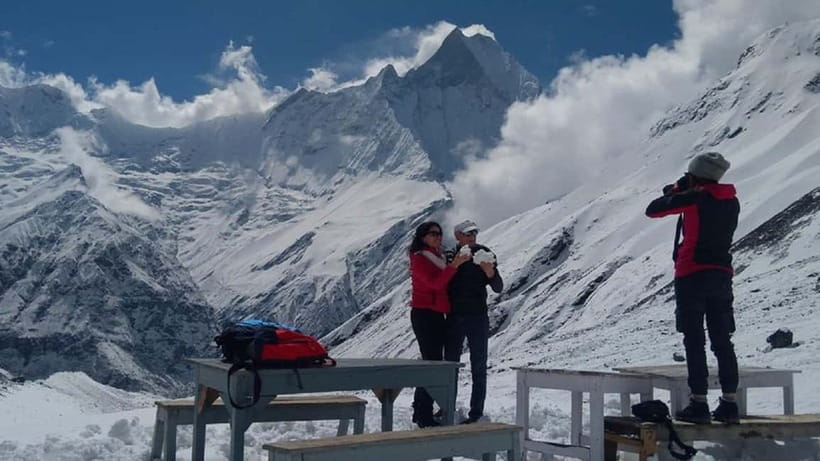
Tea house lodging is part of the character of this trek. You get a bed in villages and trail stops without carrying camping equipment, but facilities are simple and comfort varies with altitude and location.
Meals are included only on selected options, so check the booking choice closely. Personal snacks and beverages are not covered. Carry cash for those extras, since the trek information specifically advises bringing it.
The guide package is a useful part of the price. It covers the guide’s meals, accommodation, insurance, salary, transport, and equipment. The guide also carries a first aid kit and handles the route, permits, and local paperwork.
A porter is available for an additional $20 per day. If you are not used to carrying a pack for five to seven hours, that extra cost may be worthwhile. You still need a daypack with water, warm layers, rain gear, sunscreen, personal medicine, and valuables.
Preparation, altitude, and the right level of fitness
You should be in good health and have a reasonable fitness level before booking. The daily walking times are not extreme for a regular hiker, but the steep steps, high altitude, and consecutive days make this more demanding than a sightseeing tour.
Travel insurance is mandatory. Emergency rescue is available if needed, but it is not included in the tour price, so your policy should address trekking and altitude-related evacuation.
You must provide a passport copy at least one day before the trek so the required permits can be obtained. Bring comfortable and hiking shoes, warm clothes, gloves, a hat, sunglasses, sunscreen, rain gear, a towel, a flashlight, a power bank, and cash.
A private group gives the guide more room to adjust the pace. One useful strength of the guide service is flexibility: the day’s guesthouse can sometimes be based on your progress, allowing you to continue when you feel strong or stop when you need rest. That flexibility should never override safety at altitude.
Who should book this trek?
I would recommend this trip to you if you want a short, guided route to a major Himalayan destination and you are comfortable with basic tea house lodging. It suits people who value mountain views, village contact, and a clear seven-day plan more than private rooms or easy walking.
It is also a good choice if you want the reassurance of included permits, organized transport, and a guide who can help with meals and pacing. The repeated praise for guides such as Chandra and Bishnu Giri points to the human side of the trip: encouragement and local stories can matter as much as route-finding.
I would hesitate if you dislike steep stairs, long walking days, thin air, or simple accommodation. I would also question the fit if you need a fully vehicle-supported holiday, since the core of this experience is walking and some road sections may be dusty.
Should you book the Annapurna Base Camp trek?
Book it if you want a demanding but compact Himalayan trek with a clear goal, strong scenery, village stays, and a hot spring finish. At $181 per person, the package offers good value when you use the included permits, guide services, transport, lodging, and selected meals.
Before paying, confirm the meal option, the exact pickup point, sleeping bag and trekking-stick arrangements, porter needs, and how much road walking is planned on days one and seven. If those details suit you, this is a practical way to reach Annapurna Base Camp without having to manage every moving part yourself.
FAQ
How long is the Annapurna Base Camp trek?
The trek lasts seven days, including transport from Pokhara, the walking route to Annapurna Base Camp, the return to Nayapool, and the drive back to Pokhara.
What is the highest point of the trek?
Annapurna Base Camp is the highest overnight stop and sits at 4,130 meters, or about 13,550 feet.
Is transportation from Pokhara included?
Yes. Round-trip transportation is included between your hotel or Pokhara International Airport, the trek starting point, and Pokhara at the end.
Where can pickup take place?
Pickup is available from Pokhara International Airport or any hotel in the Lakeside area of Pokhara. The selected option may affect the exact starting location.
What type of accommodation is provided?
You stay in simple tea houses or lodges along the trekking route. Overnight stops include Ghandruk, Chomrong, Himalaya, Annapurna Base Camp, Bamboo, and Jhinu Danda.
Are meals included?
Meals are included depending on the option selected. Snacks and personal beverages are not included.
Is a trekking guide included?
Yes. The package includes a professional English-speaking guide certified by the Nepal Government. Guides can also speak Hindi and Nepali.
Is a porter included?
No. A porter is optional and costs $20 per day.
Do I need travel insurance?
Yes. Travel insurance is mandatory. Emergency rescue services are available if needed, but rescue costs are not included.
What should I bring?
Bring hiking or comfortable shoes, warm clothes, a jacket, rain gear, gloves, sunscreen, sunglasses, a hat, a towel, a flashlight, cash, a power bank, a passport copy, and suitable trekking clothing. A sleeping bag may be provided if needed, so confirm this before departure.
More 7-Day Experiences in Nepal
- Pokhara: 7-Day Annapurna Base Camp Via PoonHill & Hot Spring
★ 5.0 · 6 reviews - Pokhara: 7-Day Annapurna Base Camp Trek & Hot Spring
★ 4.0 · 3 reviews - 7 Days Annapurna Base Camp Trek from Pokhara with Hot Spring
★ 5.0 · 2 reviews - 7 Days Best of Turkey Tour: Istanbul-Cappadocia-Ephesus-Pamukkale
★ 5.0 · 91 reviews
Just added around Nepal
- 7 Days Annapurna Base Camp Trek from Pokhara with Hot Spring★ 5.0 · 2 reviews
- POON HILL HOT SPRING – 10 Days Trek★ 5.0 · 3 reviews
- Lower Mustang Jomsom Muktinath Hot Spring Tour in 4 WD Jeep★ 4.5 · 2 reviews
- 5-Day Annapurna Base Camp Trek with Natural Hot Springs★ 5.0 · 3 reviews
- Pokhara: 7-Day Annapurna Base Camp Via PoonHill & Hot Spring★ 5.0 · 6 reviews
- Pokhara: Amazing 7-Day ABC Trek with Natural Hot Spring★ 5.0 · 5 reviews
- Pokhara: 5-Day Trek to Annapurna Base Camp and Hot Springs★ 5.0 · 4 reviews
- Pokhara: 7-Day Annapurna Base Camp Trek & Hot Spring★ 4.0 · 3 reviews
Natural Hot Spring Tours, compared.
Mount Batur Sunrise Guided Hike and Natural Hot Spring
Read our review →
Mount Batur Sunrise Hike and Natural Hot Spring Option
Read our review →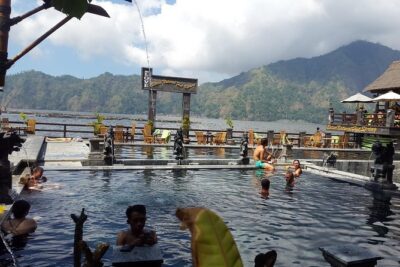
Mt Batur Sunrise, Breakfast & Natural Hot Springs
Read our review →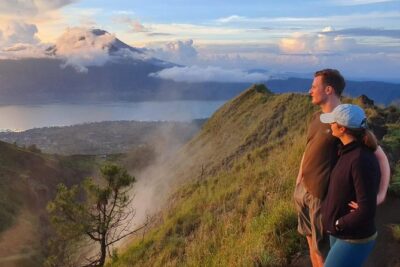
Private Tour Mount Batur Sunrise Trekking and Natural Hot Spring
Read our review →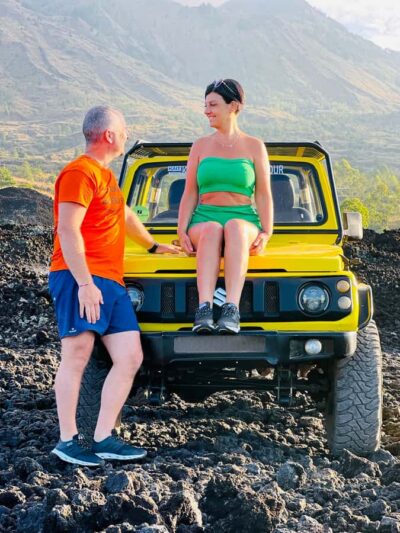
Day/Sunset Mount Batur 4WD Jeep and Natural Hot Spring
Read our review →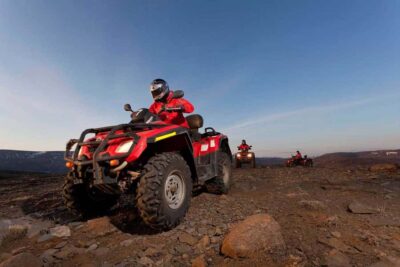
Mount Batur Quad Bike Tour and Natural Hot Springs
Read our review →

Mount Batur Sunrise Jeep Tour with Natural Hot Spring
Read our review →Browse the lists this tour appears in