
REVIEW · NEPAL
Pokhara: 5 Day Annapurna Base Camp Trek & Natural Hot Spring
Annapurna Base Camp is the reward at the end of a short, serious Himalayan trek. In five days, you walk from Pokhara’s warm foothills to a high bowl ringed by Annapurna, Machhapuchhre, and Hiunchuli, then return through the Jhinu natural hot spring.
I like the strong local character of the route, especially the Gurung villages, forest paths, waterfalls, and simple mountain lodges. I also like the practical setup: hotel pickup, permits, a registered guide, luggage storage in Pokhara, and shared jeep transport are arranged for you.
The catch is the pace. Five days leaves little room for a slow acclimatization schedule, and the climb to 4,130 meters can be hard. Meals are not included in the price, and the upper trail can be cold, steep, wet, or crowded depending on the season.
Key points to know before booking
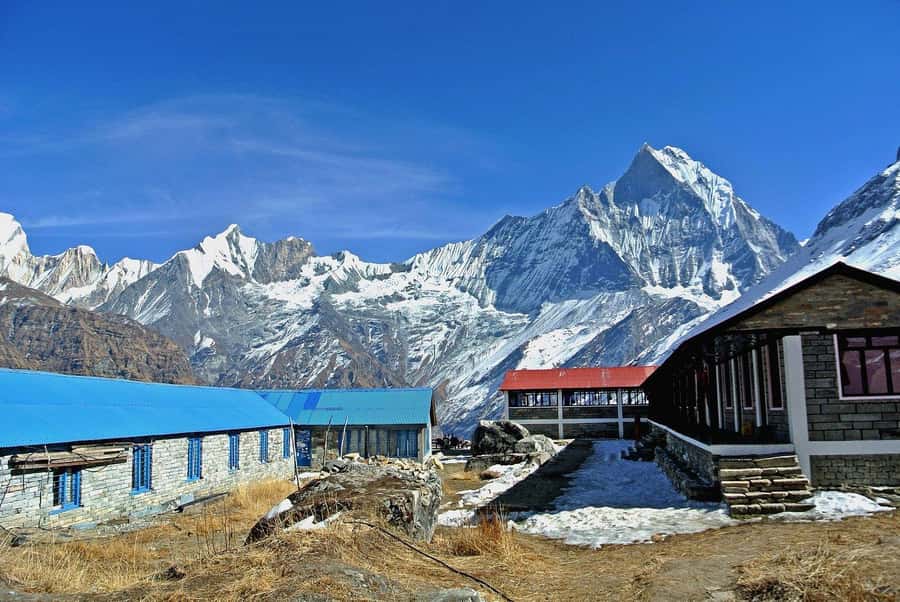
- Base Camp at 4,130 meters: Reach Annapurna Base Camp after passing Machhapuchhre Base Camp and entering a dramatic mountain amphitheater.
- Five days, not a gentle walk: Expect several hours of hiking each day, with steep stone steps and a quick rise in altitude.
- Gurung culture on the trail: Walk through traditional villages and hear about local life from your guide.
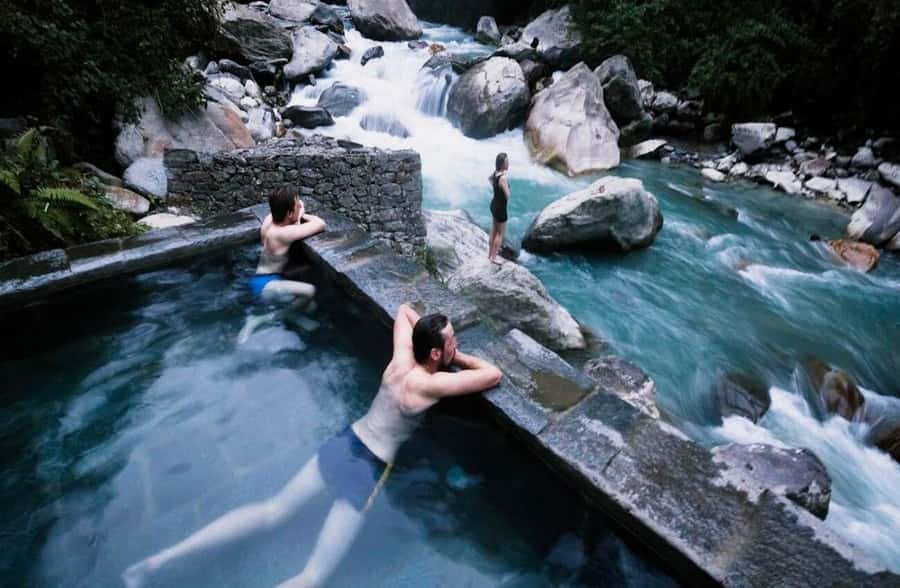
- Jhinu hot spring stop: Relax in the natural spring on the return journey before driving back to Pokhara.
- Guide quality matters: Deepak, Paras, Hari, Narayan, Sushil, Basanta, and other guides have been praised for care, pacing, and help with altitude problems.
- Good value at $171: Permits, guide costs, transport, lodging, luggage storage, and basic trekking equipment support are covered, but meals and a porter cost extra.
The real value of this five-day ABC trek
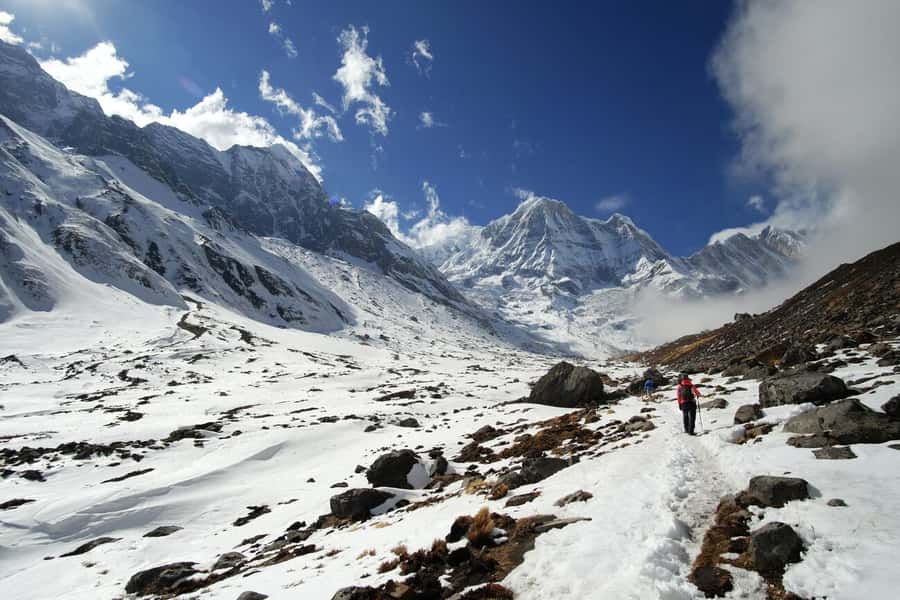
The Annapurna Base Camp route gives you a lot in a short period. You begin near Pokhara, where the climate is mild and the hills are cultivated, then climb through rice terraces, river valleys, thick forest, and high alpine terrain.
At the end, Annapurna Base Camp sits at 4,130 meters. That height is high enough to bring real cold and altitude concerns, but the route is still within reach for a fit first-time trekker who prepares properly and follows a patient guide.
The $171 price is attractive because several costly pieces are already handled. You get hotel pickup and drop-off in Lakeside Pokhara or from the airport, shared jeep transport to Jhinu and back, Annapurna Conservation Area permits, government permits, TIMS, taxes, guide accommodation, guide meals, guide transport, and guide insurance.
You also get tourist-standard lodge accommodation, a first-aid kit, and a duffel bag, trekking bag, or trekking poles if needed. Your extra luggage can be stored in Pokhara during the walk, which saves you from carrying city clothes and other items into the mountains.
There are limits. Your meals are paid for separately, and lodge prices usually rise higher on the trail. A porter is optional at $15 per day, so add that cost if you want someone else to carry your main bag.
More Natural Hot Spring Tours in Nepal:
- Pokhara: 7-Day Annapurna Base Camp Trek & Natural Hot Spring
★ 5.0 · 11 reviews - Pokhara: Amazing 7-Day ABC Trek with Natural Hot Spring
★ 5.0 · 5 reviews - 5-Day Annapurna Base Camp Trek with Natural Hot Springs
★ 5.0 · 3 reviews
Day 1: Pokhara to Jhinu and Lower Sinuwa
Your guide collects you from your Lakeside hotel, or from the airport if that has been arranged. The shared jeep takes about two hours to Jhinu, the roadhead for this version of the trek.
Road travel in the lower Annapurna region is part of the experience, but it is not the polished part. The journey can feel rough compared with a normal city transfer, and shared transport means you may not have complete control over the departure timing.
From Jhinu, you begin walking toward Lower Sinuwa at about 2,300 meters. The first day lasts around five hours. Expect a mix of village paths, forest, stone steps, and changing views as you leave the road behind.
This section introduces the cultural side of the trek. Gurung villages are not staged attractions. They are working communities, and your guide can help you understand local customs, homes, farming, and mountain life without turning the walk into a lecture.
The day is not simply a warm-up. You are already gaining height, and the repeated steps can test your legs. Keep your first afternoon controlled. Walking too fast at the start is a common way to make the following days harder.
Day 2: Lower Sinuwa to Deurali
Day two takes you from Lower Sinuwa to Deurali, at roughly 3,200 meters. The planned walking time is about six hours, making this one of the longer days.
The scenery changes as you climb. Lower forest gives way to a cooler mountain setting, with trees, streams, steep slopes, and occasional waterfalls along the route. The trail has an appealing rhythm: walk, stop for a drink, pass a lodge or village, then climb again.
This is also where the altitude begins to matter more. A guide who watches your pace is valuable here. Narayan has been praised for setting a comfortable rhythm and making time for lunch, rest, and photos, while guides such as Basanta and Paras have helped hikers adjust plans when altitude symptoms appeared.
You should tell your guide quickly if you develop a headache, nausea, unusual tiredness, dizziness, or trouble walking normally. Do not treat altitude illness as a test of toughness. The route can be changed if needed, and reaching Base Camp is never more important than getting down safely.
Deurali is a practical overnight stop before the final push. Accommodation is in a tourist-standard mountain lodge, not a luxury hotel. You should expect a simple room, basic facilities, and colder conditions than in Pokhara.
Day 3: Deurali to Annapurna Base Camp
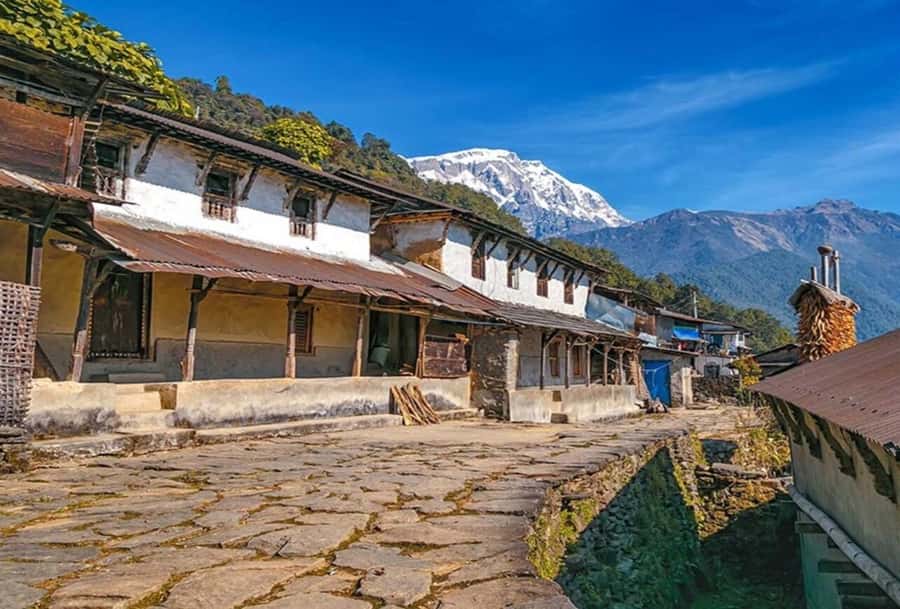
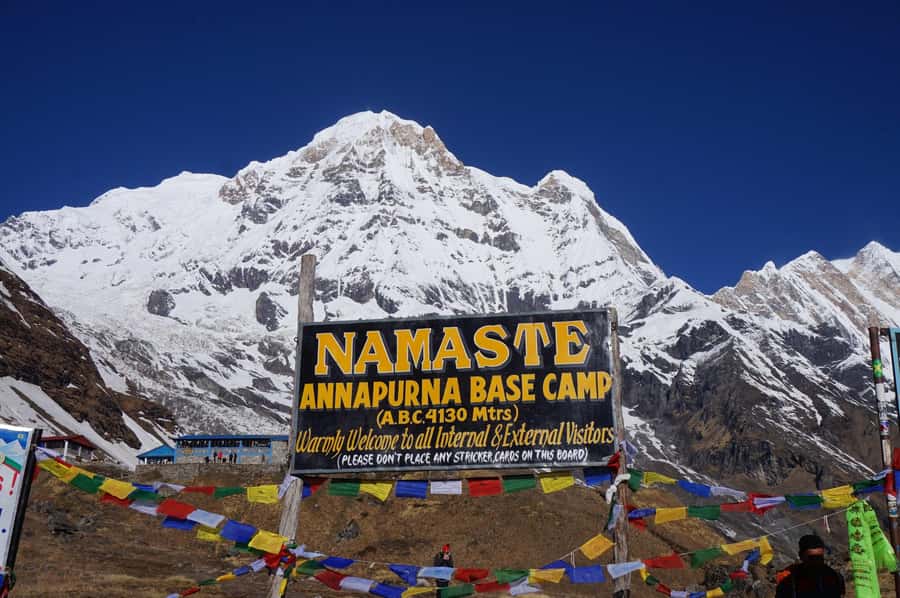
Day three is the emotional center of the trek. You walk from Deurali to Annapurna Base Camp through Machhapuchhre Base Camp, with about four hours of planned hiking.
The shorter time does not mean an easy day. You are now high in the mountains, and the thin air can slow you down. The trail becomes more open and rugged, and the huge peaks begin to feel close rather than distant.
Machhapuchhre, also called Fishtail, is one of the defining mountains of the route. Hiunchuli and the Annapurna range add to the sense that you are entering a natural bowl surrounded by enormous walls of rock and snow.
Annapurna Base Camp is at 4,130 meters. Here, the payoff is not a single viewpoint but the feeling of being surrounded by the massif. The scale can be hard to grasp in photographs. From the base camp, the mountains are no longer a distant backdrop to a village walk. They are the setting.
You will want time for photographs, but do not forget the cold. The high camp can feel biting, especially in the evening and early morning. One hiker specifically warned about the cold at Base Camp, and that is useful advice: pack warm layers, gloves, a hat, and dry socks even if Pokhara feels hot when you leave.
Weather controls the view. In clear conditions, the mountain panorama can be spectacular. Clouds, rain, or snow may cover parts of the range, particularly during the monsoon period. The trek still offers forests and villages in poor weather, but you should not book only for guaranteed summit-style views.
More Hikes and Treks in Nepal:
- From Pokhara: 5-Day Annapurna Basecamp Trek with Hot Springs
★ 4.9 · 26 reviews - Pkr/Kathmandu: 5-Day Annapurna Base Camp & Hot spring Trek
★ 5.0 · 6 reviews - Pokhara: 5-Day Trek to Annapurna Base Camp and Hot Springs
★ 5.0 · 4 reviews - POON HILL HOT SPRING – 10 Days Trek
★ 5.0 · 3 reviews
Day 4: Annapurna Base Camp to Bamboo
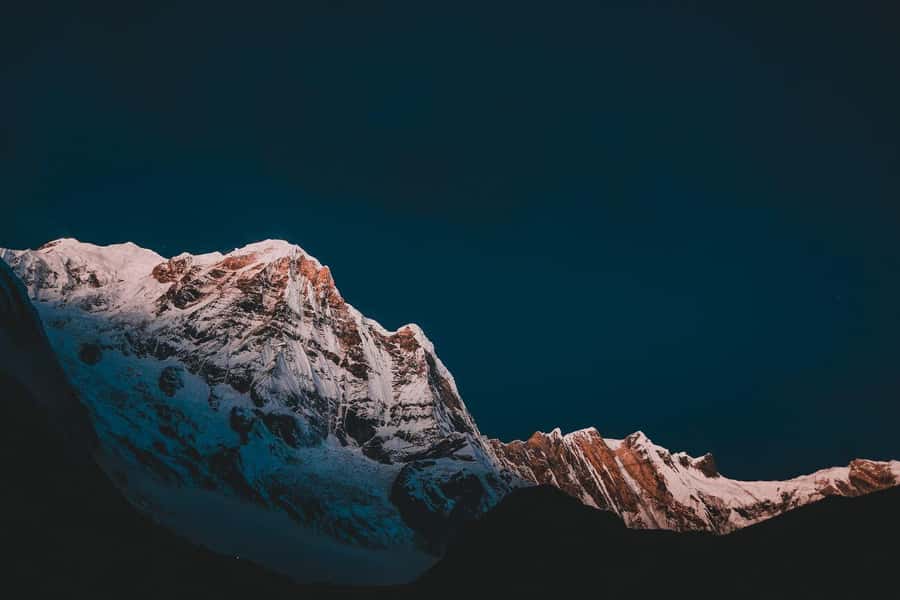
Day four begins with time to explore Annapurna Base Camp before retracing the trail toward Bamboo. The planned walking time is about six hours, with the route dropping to around 2,400 meters.
Going downhill sounds easy until your knees meet several hours of stone steps. Take care on wet sections, and use trekking poles if you have them. Poles are available through the operator when required, and they can help with balance during the descent.
The return offers a different view of the same route. You may notice details missed during the uphill effort: forest textures, river sounds, small shrines, village gardens, and changing views between the trees.
Bamboo is lower, warmer, and usually easier on the body than Base Camp. Still, fatigue is cumulative by this point. A porter can be useful if your pack has become uncomfortable, and the optional rate is listed at $15 per day.
Day 5: Bamboo to Jhinu, hot spring, and Pokhara
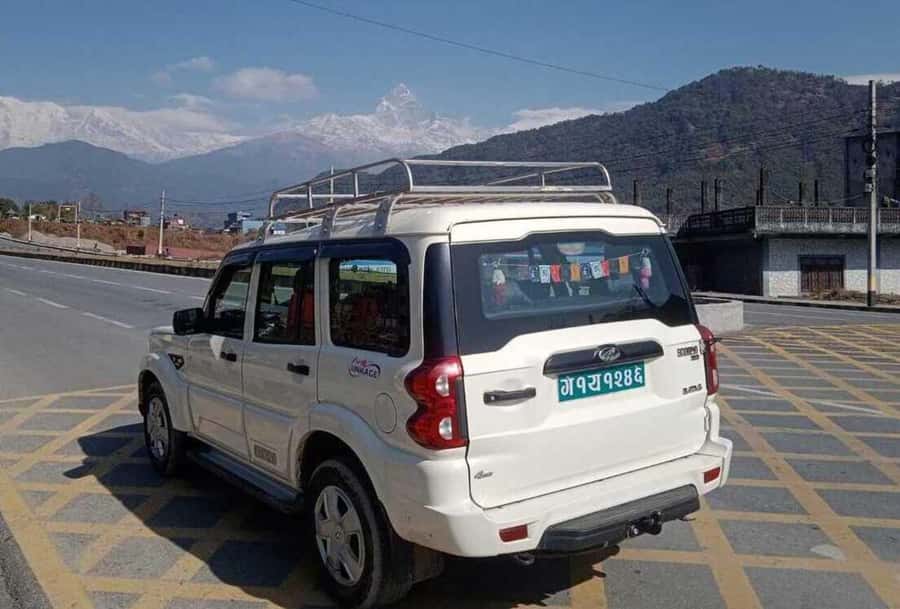
The final walking day takes you from Bamboo to Jhinu, with about six hours of hiking before the drive back to Pokhara. The listed lower altitude is around 822 meters, so the air becomes warmer as you descend.
The Jhinu hot spring is the sensible finale. After several days of climbs and descents, soaking in naturally warm water gives your legs a chance to recover before the road journey.
The stop is not just a bonus attraction. It changes the mood of the final day. Instead of ending with a tired walk directly into a vehicle, you get a short period to rest, talk with your group, and enjoy one of the region’s best-known natural features.
The shared jeep then takes you back to Pokhara in about two hours. Traffic and road conditions can affect the exact timing, so do not schedule an important flight or fixed appointment too close to the expected arrival.
Why your guide can make or break the trek
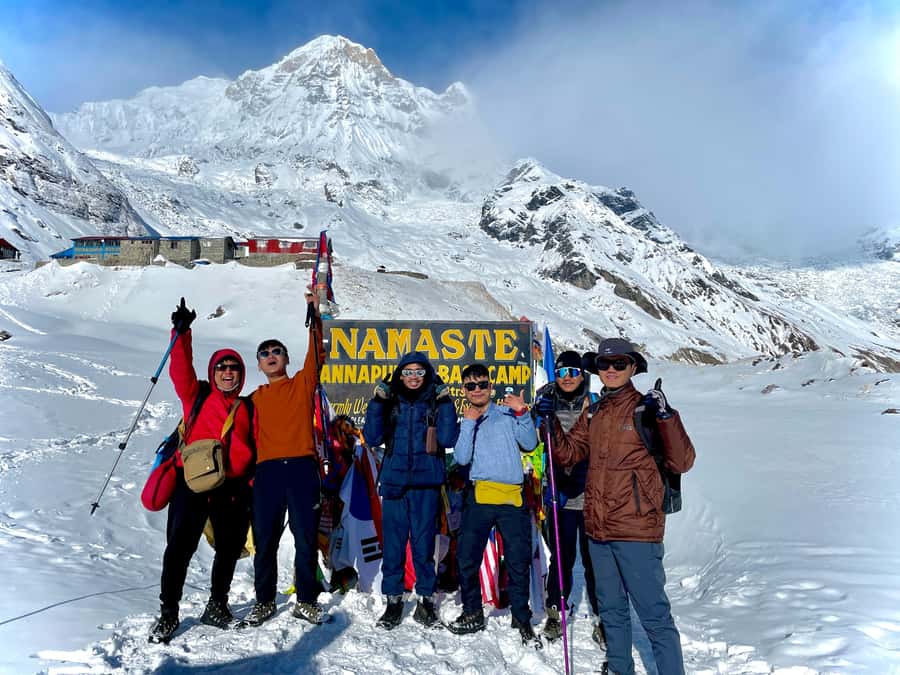
This route is easy to follow in broad terms, but the guide still matters. A good guide adjusts the pace, explains the surroundings, helps arrange lodge rooms, watches for altitude symptoms, and gives you a realistic idea of what each day will demand.
Several guides connected with this experience have received especially strong praise. Deepak is repeatedly described as calm, caring, and willing to help with bags, meals, lodge arrangements, and changing weather. Paras has been praised for handling altitude trouble with kindness and offering safer alternatives.
Hari has been noted for explaining local culture and the surrounding mountains. Narayan is valued for his long experience, clear daily briefings, and attention to rest stops. Basanta and porters such as Sushil have helped first-time hikers keep moving at a manageable pace.
Guide assignments can vary, so you should not assume you will receive one specific person. Still, the repeated pattern is useful: the human support is one of the strongest reasons to choose a guided version of this trek.
The guides also add cultural context. They can explain Gurung life, local words, village customs, mountain plants, and the practical details of living along the trail. That turns a demanding walk into a more meaningful connection with the region.
What the trek is like for first-time hikers
You do not need to be an expert mountaineer for this trip, but you do need to be ready for sustained uphill and downhill walking. One couple with no previous hiking experience completed the trek with support from their guide and porter, yet they also described the route as hard.
The most difficult parts are the repeated stone steps, long days, high altitude, cold at Base Camp, and the need to walk again after a tiring night. The five-day schedule is achievable for many people, but it is not leisurely.
Bring comfortable shoes with good grip. Waterproof shoes are particularly useful during the wet season. A poncho or reliable rain layer matters in monsoon months, when the trail can be wet and leeches may appear.
Pack light, but include:
- Warm layers for Base Camp
- Waterproof outerwear
- Comfortable walking shoes
- Gloves, hat, and spare socks
- A refillable water container
- Cash for meals and lodge purchases
- Basic personal medication
- Passport or identification, with a copy accepted
You can request a trekking pole, duffel bag, or trekking bag if needed. If you use a porter, keep valuables and essentials with you rather than placing everything in the porter’s load.
Season, weather, and the tradeoff between crowds and views
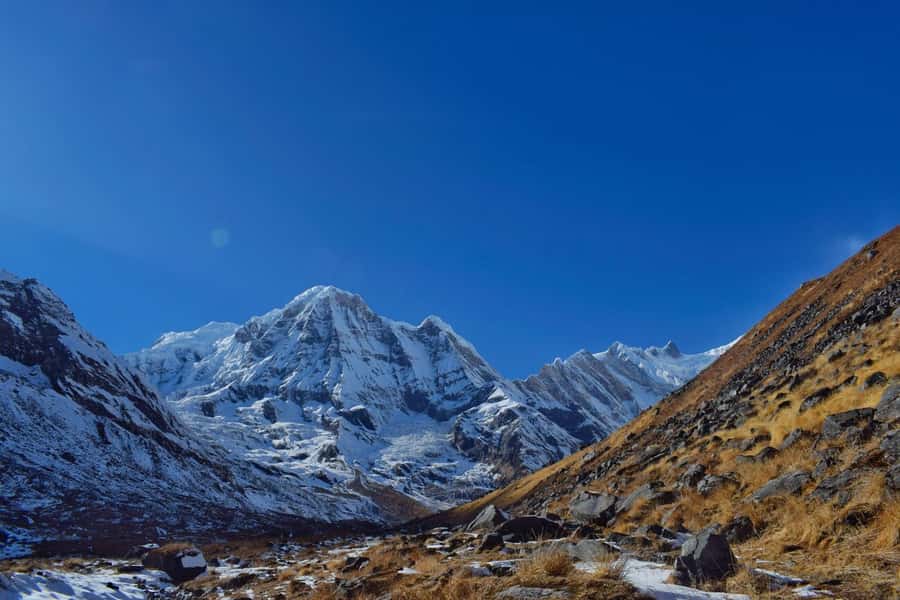
The supplied experiences cover winter, spring, summer monsoon, and autumn conditions. January brought clear sunny skies for one group, though the cold at Base Camp remained a concern.
The monsoon months can bring rain, cloud, slippery paths, and leeches. The benefit is fewer people on the trail, and one July group enjoyed having less crowding. Mountain views are less reliable at this time, so choose monsoon dates for a quieter walk rather than perfect panoramas.
Autumn and spring are often appealing for mountain trekking, but conditions can still change quickly. You should ask about the current forecast and trail conditions before departure, then pack for rain and cold even if the weather looks good in Pokhara.
Who should book this Annapurna Base Camp trip
I would choose this trek if you want a guided Himalayan experience with a clear five-day structure and practical support from Pokhara. It suits first-time high-altitude hikers who are reasonably fit, willing to walk several hours daily, and comfortable with simple lodge accommodation.
It is also a good fit for couples, families of adults, and private groups who want the guide’s attention rather than joining a large public tour. The tour is listed as a private group, though the jeep transport from Pokhara to Jhinu and back is shared.
I would think twice if you want hotel comfort, guaranteed clear views, slow acclimatization, or included meals. It is also not suitable for pregnant women, and anyone with medical concerns should seek professional advice before booking.
Free cancellation is available up to 24 hours before the activity for a full refund, and you can reserve now and pay later. Those terms help if your Nepal plans are still moving, but they do not remove the need to prepare for the physical demands.
Should you book it?
Book this five-day Annapurna Base Camp trek if reaching the foot of Annapurna is your priority and you value a guide who handles permits, transport, lodge arrangements, and trail support. At $171, the package offers solid value because the guide, permits, transport, accommodation, luggage storage, and several pieces of equipment support are covered.
Budget extra for meals and, if needed, a porter. Give yourself time to walk slowly, carry warm clothing, and treat altitude symptoms seriously.
I would recommend it to an active first-time trekker who wants a big Himalayan achievement without arranging every detail alone. I would not choose it for a relaxed holiday. This is a demanding mountain walk with a hot spring at the end, not a spa trip with a short scenic stroll.
FAQ
How long does the Annapurna Base Camp trek take?
The experience lasts five days and four nights. The planned route runs from Pokhara to Jhinu, then to Lower Sinuwa, Deurali, Annapurna Base Camp, Bamboo, and back to Jhinu before the drive to Pokhara.
What is the highest point on the trek?
Annapurna Base Camp is the highest listed point, at 4,130 meters. Machhapuchhre Base Camp is visited on the way.
Is transport from Pokhara included?
Yes. Hotel pickup and drop-off in Lakeside Pokhara or airport pickup are included. Shared jeep transport runs between Pokhara and Jhinu, with each road journey taking about two hours.
Are meals included in the $171 price?
No. Meals are available for purchase during the trek but are not included in the tour price.
Is a porter included?
No. A porter is optional and costs $15 per day. Guide accommodation, food, insurance, salary, transport, and equipment are included.
What should I bring?
Bring your passport or identification, with a copy accepted, and comfortable shoes. Warm layers, rain protection, waterproof shoes, and extra cash are also sensible based on the changing weather and lodge costs along the route.
More 5-Day Experiences in Nepal
- Pokhara: 5-Day Annapurna Base Camp Trek with Hot Spring
★ 5.0 · 3 reviews - 5-Day Aegean Tour – Gallipoli, Troy, Ephesus, Kusadasi, Pamukkale
★ 4.5 · 86 reviews - 5-Day Best of Cappadocia, Pamukkale and Ephesus
★ 5.0 · 6 reviews - Istanbul-Ephesus-Pamukkale (5 Days Private Tour)
★ 5.0 · 5 reviews
Just added around Nepal
- 7 Days Annapurna Base Camp Trek from Pokhara with Hot Spring★ 5.0 · 2 reviews
- POON HILL HOT SPRING – 10 Days Trek★ 5.0 · 3 reviews
- Lower Mustang Jomsom Muktinath Hot Spring Tour in 4 WD Jeep★ 4.5 · 2 reviews
- 5-Day Annapurna Base Camp Trek with Natural Hot Springs★ 5.0 · 3 reviews
- Pokhara: 7-Day Annapurna Base Camp Via PoonHill & Hot Spring★ 5.0 · 6 reviews
- Pokhara: Amazing 7-Day ABC Trek with Natural Hot Spring★ 5.0 · 5 reviews
- Pokhara: 5-Day Trek to Annapurna Base Camp and Hot Springs★ 5.0 · 4 reviews
- Pokhara: 7-Day Annapurna Base Camp Trek & Hot Spring★ 4.0 · 3 reviews
Natural Hot Spring Tours, compared.
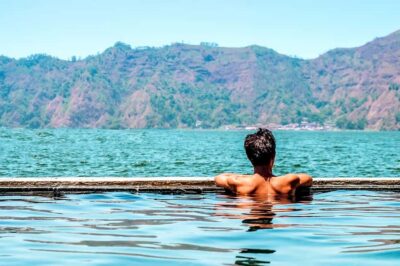
Mount Batur Sunrise Guided Hike and Natural Hot Spring
Read our review →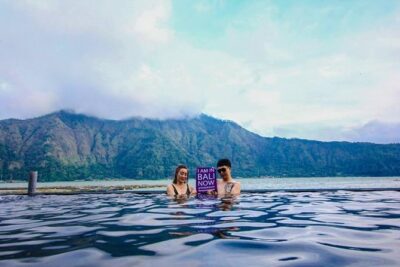
Mount Batur Sunrise Hike and Natural Hot Spring Option
Read our review →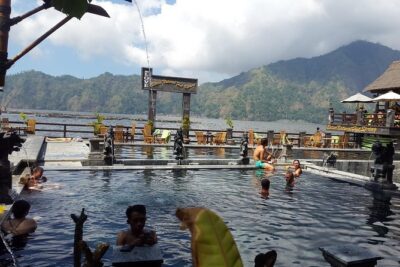
Mt Batur Sunrise, Breakfast & Natural Hot Springs
Read our review →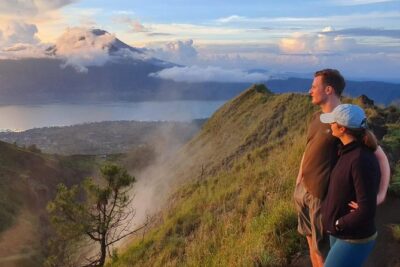
Private Tour Mount Batur Sunrise Trekking and Natural Hot Spring
Read our review →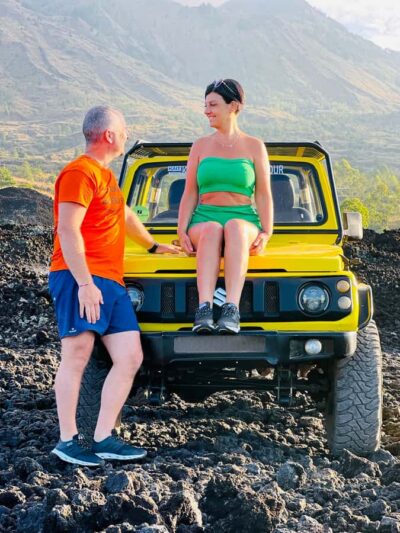
Day/Sunset Mount Batur 4WD Jeep and Natural Hot Spring
Read our review →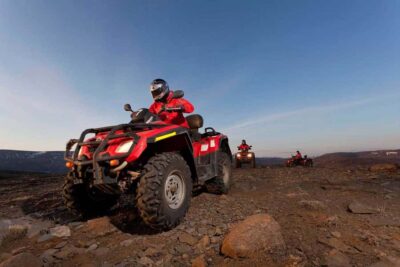
Mount Batur Quad Bike Tour and Natural Hot Springs
Read our review →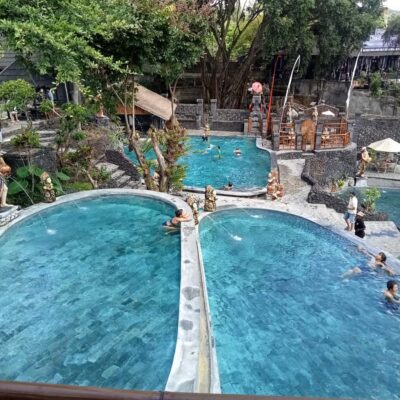

Mount Batur Sunrise Jeep Tour with Natural Hot Spring
Read our review →Browse the lists this tour appears in