
REVIEW · ROTORUA
Whakarewarewa: Self-Guided Geothermal Trails
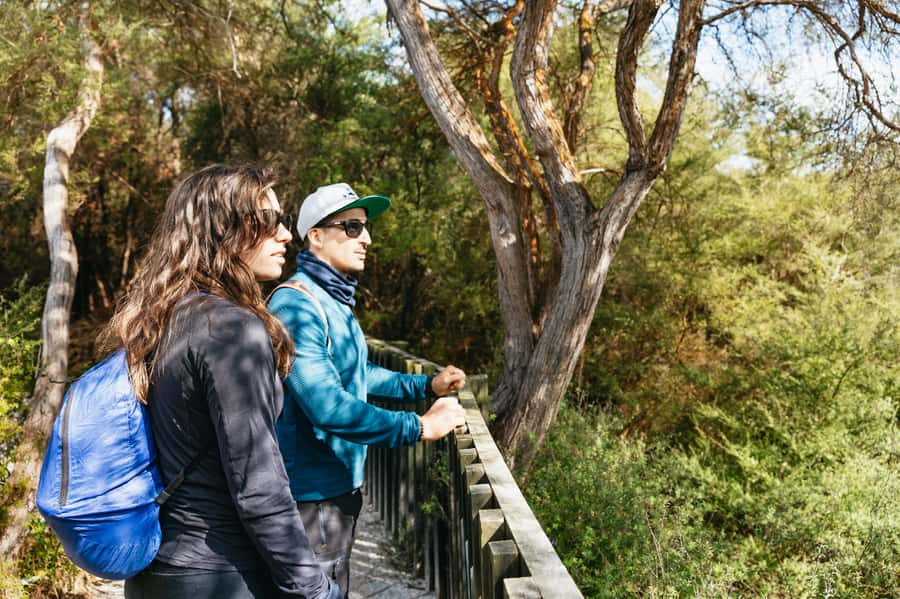
Whakarewarewa’s geothermal trails put you close to bubbling mud, steaming lakes, and geysers without tying you to a group timetable. You begin at the Geyser Café, exchange your voucher at the admissions office, then walk at your own pace through scenes that can feel almost prehistoric.
I like the freedom to stop for photos and the useful information boards along the way. I also like the mix of hot springs, native ferns, edible plants, and manuka bush, rather than a trail made up of thermal pools alone. The main drawback is that this is self-guided, so you will not have a live guide explaining Māori traditions or interpreting every pool as you walk.
Key points to know before you go
- About one hour on foot: The route is suited to a relaxed walk, with time for photos and signs.
- Viewpoints over the village and geysers: Bring your camera for broad views across Whakarewarewa.
- Hot springs and bubbling mud pools: You get close views of active geothermal features and steaming water.
- A self-guided visit: Information boards provide context, but no live guide accompanies you.
- $23 entrance price: The cost is reasonable if you want a flexible geothermal stop without booking a longer guided tour.
- Open from 9:00 AM to 3:00 PM: The last call is at 3:00 PM, so this is best planned as a daytime visit.
Starting at the Geyser Café and admissions office
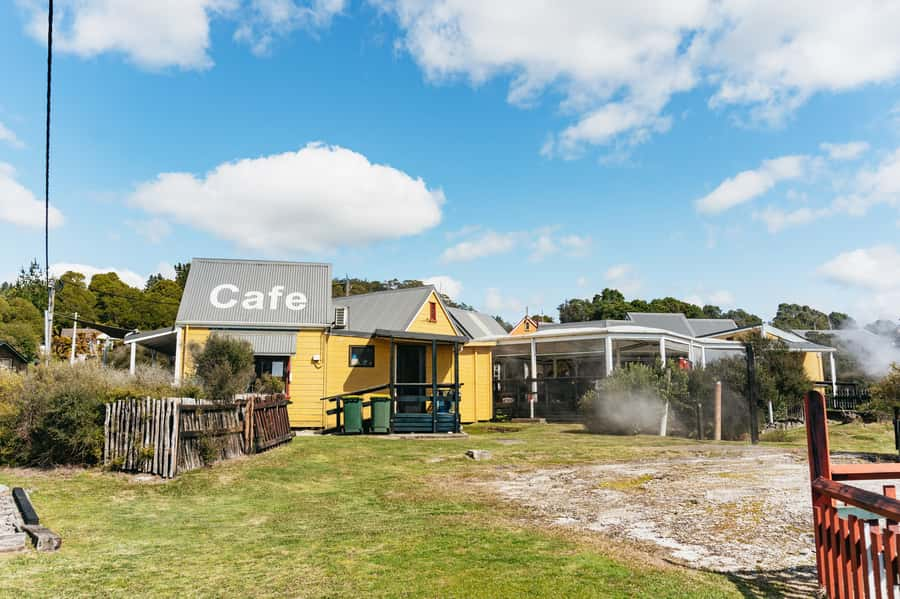
Your visit begins at the Geyser Café, with the voucher exchanged at the admissions office before you enter. That small step matters. You are not simply walking up to a public path and starting wherever you please. The admissions area is where you get access and begin reading about Whakarewarewa’s guiding legacy.
The opening information also introduces the world-famous guides who have passed through the village. No individual guide is named for this self-guided experience, so do not expect a personal introduction from a local host. Instead, the early signs give you a starting point for understanding that guiding has long been part of the village’s identity.
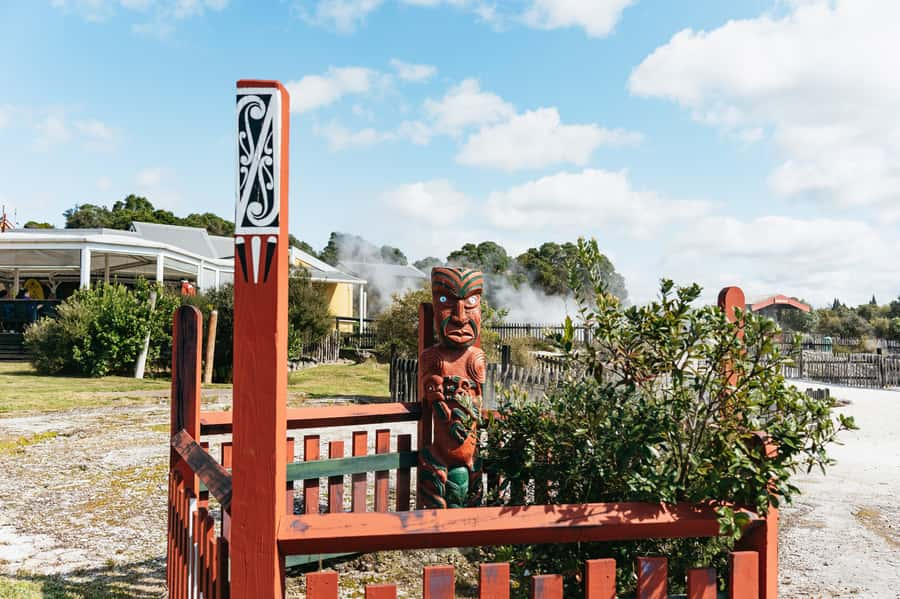
From the entrance, you pass under the memorial archway and continue toward Rahui, described as the main area of the village. This gives the walk a stronger sense of place than a stand-alone thermal park. You are not only looking at hot ground and colored water. You are entering a living Māori village setting with its own traditions and connection to the geothermal area.
The route is easy to follow, and the information boards help you make sense of what you are seeing. If you like to read every sign, pause often, or take pictures from several angles, the self-guided format lets you set the rhythm.
A few more hot spring trips around Rotorua worth a look
- Whaka Geothermal Trails Self-Guided Tour
★ 3.5 · 44 reviews - Self-Guided Geothermal Tour in Orakei Korako
★ 5.0 · 178 reviews - Hellisheiði Geothermal Exhibition: Entry and Audio Tour
★ 4.6 · 88 reviews
What the one-hour route actually offers
The walking portion is listed at about one hour. That is a useful planning figure, though your time can stretch if you stop for photographs or read the signs carefully. The experience is presented as valid for one day, with access available between 9:00 AM and 3:00 PM, so you have room to take a leisurely approach during those hours.
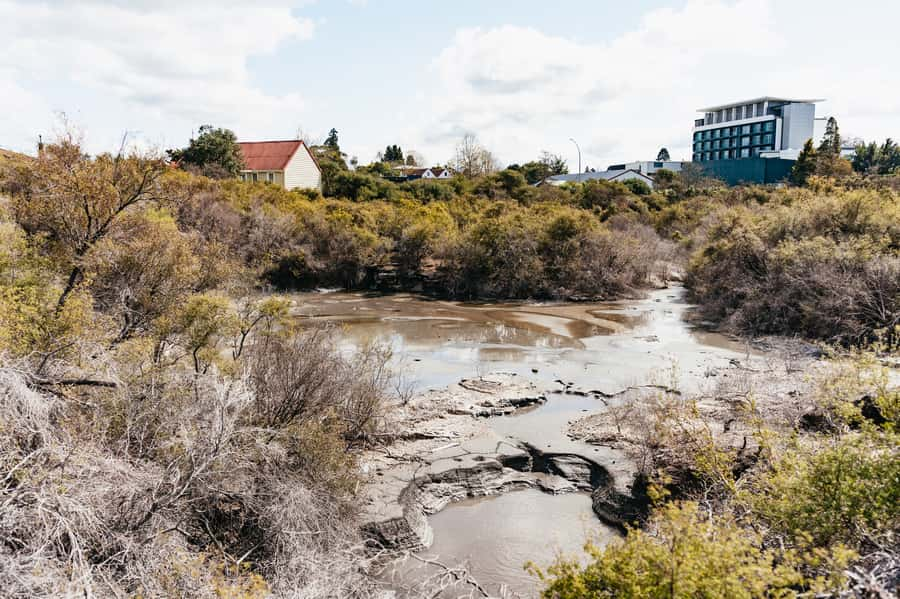
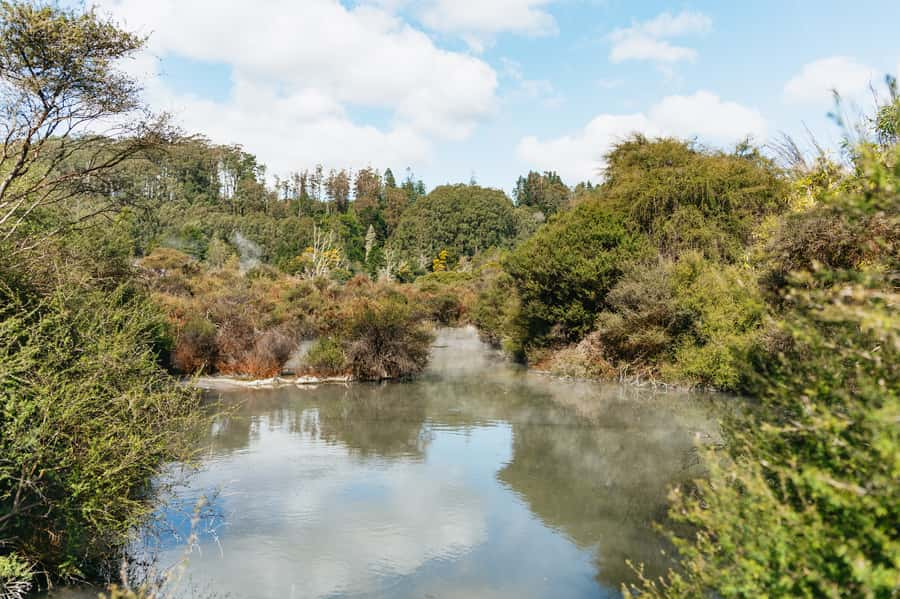
The path leads through geothermal scenery with a strong visual variety. You pass bubbling water, hot springs, steaming lakes, mud pools, and native manuka bushlands. Ferns and edible plants add a softer green layer beside the mineral colors and rising steam.
This combination is one of the best reasons to choose the trail. Some geothermal attractions focus on one major geyser or a tight cluster of pools. Here, the walk gives you several types of features in one visit. You can shift from a broad viewpoint to a close look at mud bubbling in a pool, then continue through bush and native vegetation.
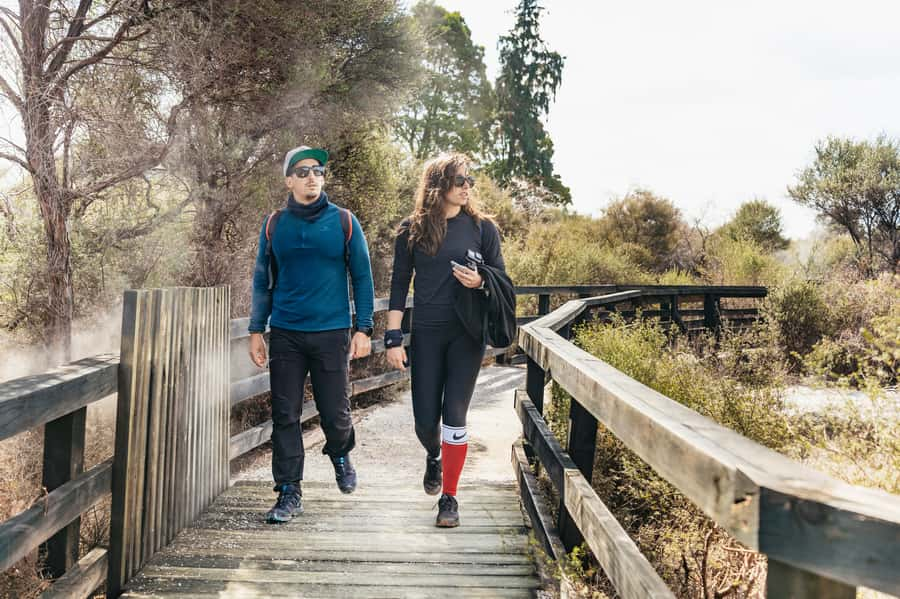
The ground is described as an easy walk, but comfortable shoes are still a sensible choice. You will get more from the route if you are not worrying about footwear while stopping at viewpoints. The trail is wheelchair accessible, which makes this a practical option for visitors who need an accessible attraction, though the supplied information does not give detailed notes about every surface or slope.
Steaming lakes, mud pools, and geothermal color
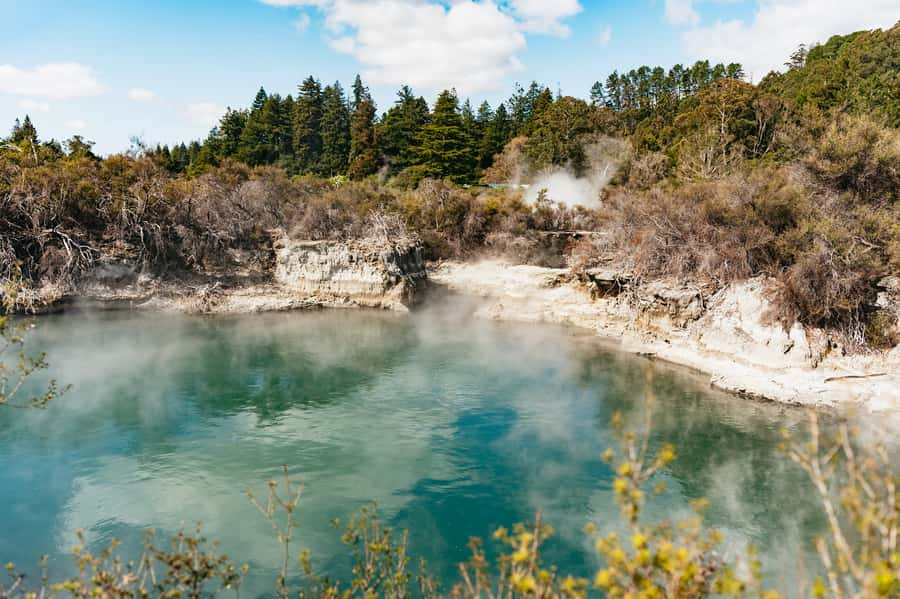
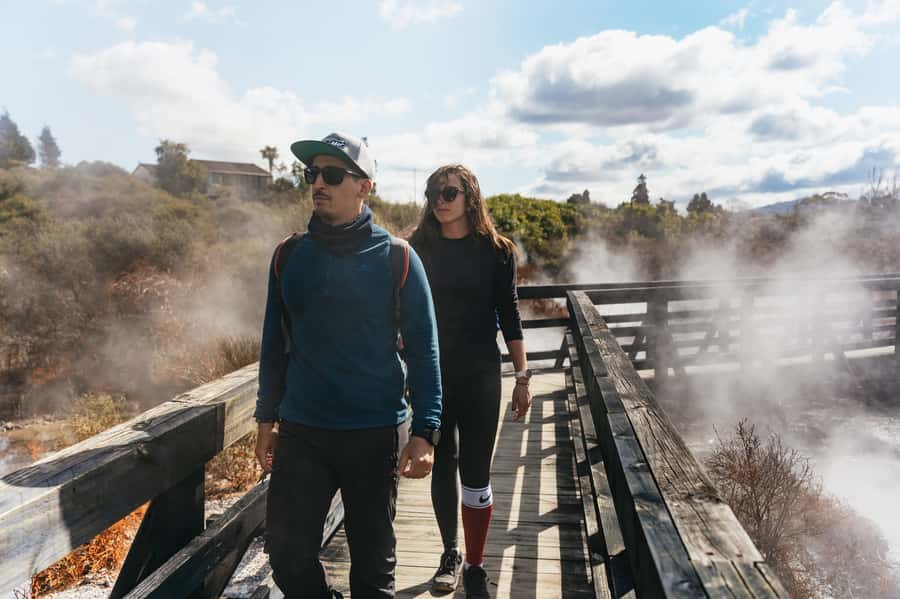
The hot-spring lakes are the visual centerpiece. Steam rising from warm water can change the mood of the place quickly, especially when it hangs over the surface and partly hides the far edge. You will want to keep your camera ready, but take time to look without a screen. Geothermal scenery often changes from one minute to the next as steam moves.
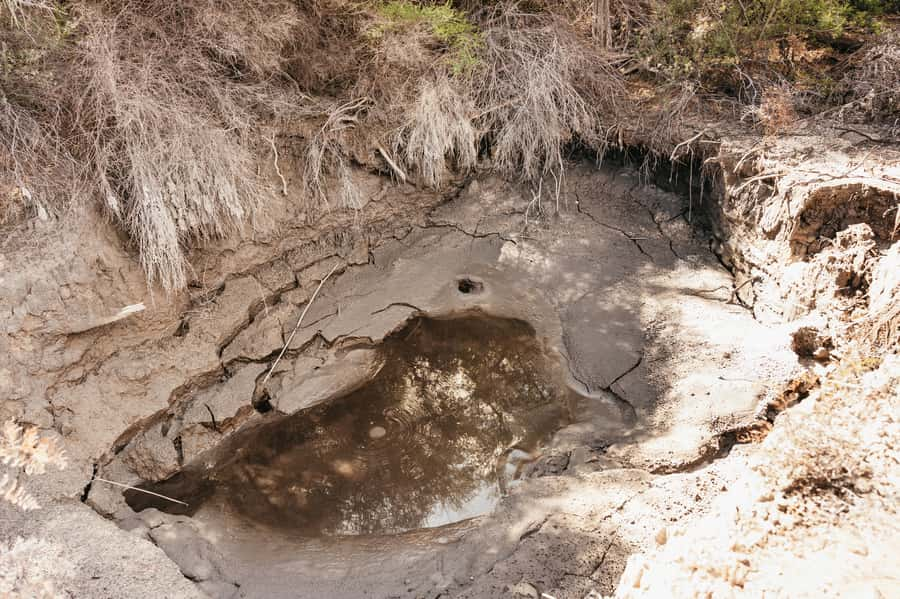
The bubbling mud pools offer a different kind of spectacle. They are less polished than a classic geyser eruption, but that is part of their appeal. Mud heaves, bubbles, and collapses in slow, uneven bursts. You do not need a live demonstration to see that the ground here is active.
Some people believe the bubbling waters have healing properties. The experience presents that belief as part of the setting, but it does not say that you can bathe in the pools or use them as a treatment. Treat the geothermal features as places to observe, not as swimming or bathing areas.
The route also offers viewpoints with wide views of the village and geysers. These stops help you see how the thermal activity fits into the wider setting. Close-up pools show texture and movement, while the viewpoints give you a sense of scale.
Native plants beside a geothermal area
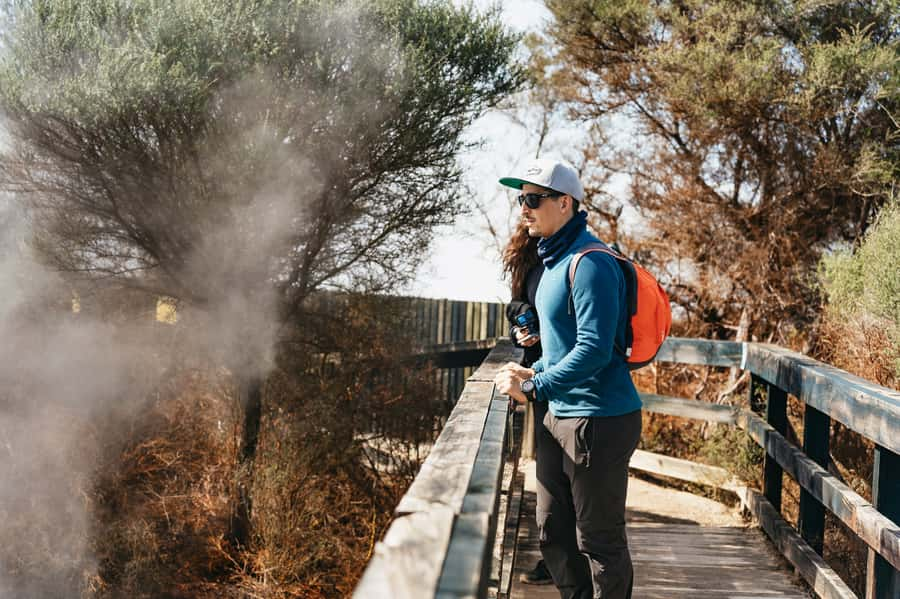
One detail I especially like is the inclusion of native plants. The walk is not only a collection of hot pools fenced off from everything else. You see native ferns, manuka bush, and edible plants along the route.
That contrast gives the experience more depth. Steam and mineral water create the dramatic moments, but the plant life helps you notice how the geothermal area is part of a larger natural setting. The plants also make the route feel less repetitive. After several pools, a stretch of bush gives your eyes a break before the next thermal feature.
The information provided does not identify every plant or explain how each edible species is used. If plant details are important to you, read the signs carefully at the admissions area and along the path. The trail is a good introduction, but it is not presented as a full botany walk.
Same place, a different kind of soak:
- Rotorua: Wai-O-Tapu Geothermal Park Entry Ticket
★ 4.6 · 2,601 reviews - Rotorua: Hell’s Gate Outdoor Mud Spa & Guided Walk
★ 4.7 · 1,140 reviews - Rotorua Forest Hot Tub Soak at Secret Spot
★ 5.0 · 556 reviews - Wai-O-Tapu Thermal Wonderland, Rotorua, New Zealand
★ 4.5 · 379 reviews
The value of going without a live guide
A self-guided trail gives you control. You can move quickly if you have other plans in Rotorua, or slow down for photos and signs. You do not need to keep up with a group, wait for a scheduled departure, or worry about missing the next stop because one viewpoint took longer than expected.
That flexibility is a real benefit for independent visitors. It also suits families and mixed-age groups, since each person can pause or continue at a comfortable speed. The strong information-board coverage means you are not walking through the area with no context.
The tradeoff is just as clear. A host or greeter is listed in English, but there is no live guide included on the trail. You will not be able to ask an on-the-spot question about a particular pool, hear stories tailored to your interests, or receive a personal explanation of Māori culture as you walk.
If your priority is the geothermal scenery and the freedom to explore, self-guiding works well. If your priority is detailed cultural interpretation, compare this with a guided village or geyser experience before booking. The trail gives you a useful introduction to the setting, but you provide the interpretation beyond the information boards.
Is $23 good value?
At $23 per person, the ticket sits in a sensible range for a focused geothermal attraction. You are paying for entry to the trails, not for transport, food, or a live guide. That keeps the price clear, but it also means you should count on arriving independently and bringing your own refreshments if needed.
The value is strongest when you want a flexible stop of around an hour. You get access to several types of thermal features, village views, native plants, and marked viewpoints without committing to a longer organized outing. The price also works well if you already have transport in the Rotorua area and want to add one more activity to the day.
The value is weaker if you expect a full-day program. The ticket is valid for one day, but the walking route itself is described as taking about one hour. You can take your time, but there is no promise of a full schedule of demonstrations, meals, transport, or guided talks.
The absence of food and drink is easy to manage. Eat before you arrive or use the Geyser Café as your starting point, but do not assume lunch or refreshments are part of the ticket.
The best time to fit it into your day
Access is available from 9:00 AM to 3:00 PM, with the last call at 3:00 PM. Plan to arrive well before that cutoff. A late arrival may leave too little time for the route, particularly if you want to read the signs and stop at the viewpoints.
Morning or early afternoon both make sense based on the available schedule. A morning visit leaves the rest of your day open for other Rotorua activities. An early afternoon visit can work as a shorter outing, but you should not push it close to the last call.
The self-guided format makes timing easier than a fixed tour. You do not have to match a departure time, and you can move at your own pace once inside. Still, the opening hours are firm enough that this should be treated as a daytime visit, not an evening walk.
Who will enjoy this trail most
I would recommend the experience to you if you want:
- A short and easy geothermal walk
- The freedom to explore without a live guide
- Viewpoints over the village and geysers
- Close views of hot-spring lakes and mud pools
- A mix of thermal features and native plant life
- A reasonably priced activity that fits around other plans
It is also a good match for photographers. Steam, bubbling mud, colored pools, bush, and village views offer plenty of subjects. Bring a camera, but remember that the most interesting images may come from waiting patiently for steam to shift.
Families may appreciate the simple format, since the walk does not depend on keeping pace with a guide. The accessible listing also makes it worth considering for visitors using a wheelchair. Because detailed surface information is not supplied, anyone with specific mobility needs should confirm the route conditions before arrival.
You may want a different experience if you need a detailed personal explanation of Māori culture, geology, or the village’s guiding tradition. This ticket gives you access and information boards, not a private interpreter.
Practical details that improve the visit
Wear comfortable shoes, even though the route is described as easy. You will enjoy the walk more if you can stop freely at the pools and viewpoints.
Keep your camera close. The mix of steaming lakes, mud pools, geysers, ferns, and bush creates better photo variety than a single thermal viewing platform. The viewpoint shots can show the village and geysers, while lower sections of the route give you closer details.
Allow about an hour for the walk, then add extra time if you like signs and photography. The attraction is valid for one day, but the listed access window is 9:00 AM to 3:00 PM, with last call at 3:00 PM.
Cancellation is free up to 24 hours in advance, and you can reserve now and pay later. Those terms are useful if your Rotorua schedule is still moving, though they do not change the main practical point: you still need to arrive during the stated daytime hours.
Should you book Whakarewarewa’s self-guided trails?
Book it if you want an accessible, easy-paced geothermal walk with hot springs, bubbling mud pools, village views, and native plants for $23. The information boards and open timing give you enough structure without taking away your freedom.
Skip it if you are specifically looking for a guide who will explain every feature or lead a full cultural program. For everyone else, this is a practical way to see Whakarewarewa’s geothermal setting without overcommitting time or money. Bring comfortable shoes, arrive before 3:00 PM, and give yourself enough time to stop at the viewpoints rather than racing through.
FAQ
Where does the Whakarewarewa geothermal walk begin?
The starting location is the Geyser Café. You must exchange your voucher at the admissions office before entering the trails.
How long does the walk take?
The walking itinerary is listed as about one hour. You can take longer if you stop to read the information boards or take photographs.
What can I see on the trails?
You can see steaming lakes, hot springs, bubbling mud pools, geysers, native manuka bushlands, ferns, edible plants, and views across the village.
Is a live guide included?
No. The experience is self-guided, with information boards along the route. An English-speaking host or greeter is listed, but a live guide is not included.
What are the opening hours?
The geothermal trails are available from 9:00 AM to 3:00 PM. The last call is at 3:00 PM.
Is the trail wheelchair accessible?
Yes, the activity is listed as wheelchair accessible. Detailed information about individual surfaces and slopes is not provided, so you may wish to confirm route conditions before arrival.
Just added around Rotorua
- WAI-O-TAPU Geothermal, Rotorua – Group Day Tour Ex Auckland★ 4.3 · 4 reviews
- Whaka Geothermal Trails Self-Guided Tour★ 3.5 · 44 reviews
- Thermal Path Tour★ 5.0 · 70 reviews
- Private Tour Waiotapu Geothermal Shore Excursion up to 8 passengers★ 5.0 · 6 reviews
- Mount Tarawera Orakei Korako Thermal Explorer★ 4.5 · 10 reviews
- Polynesian Spa Rotorua: Family Hot Pools and Freshwater Pool★ 3.5 · 14 reviews
- Wai Ariki Hot Springs and Spa Restorative Journey (2hrs)★ 4.5 · 73 reviews
- Crater Lakes Scenic Flight with Natural Hot Pool Bathing by Floatplane★ 5.0 · 6 reviews
Hot Spring Tours, compared.
Volcanic Islands Cruise with Hot Springs Visit
Read our review →
Mount Batur Sunrise Guided Hike and Natural Hot Spring
Read our review →
Sky Lagoon Entrance Pass With 7-Step Spa Ritual
Read our review →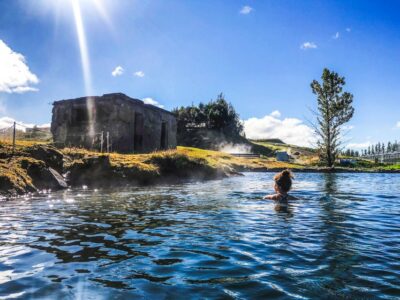
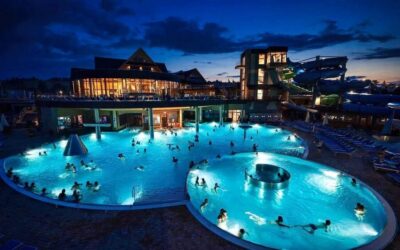
Zakopane, Thermal Springs, Cable Car, Local Tasting
Read our review →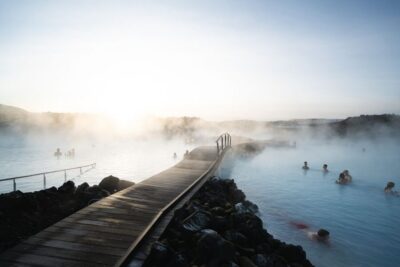
Golden Circle, Kerid Crater, & Blue Lagoon Tour
Read our review →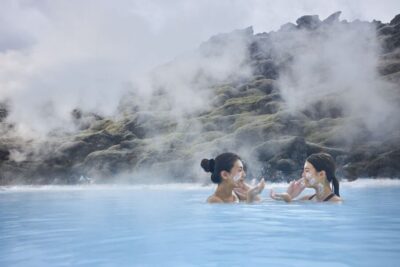
Tiger Cave Temple, Emerald Pool and Hot Springs Tour
Read our review →Browse the lists this tour appears in