
REVIEW · ICELAND
Hellisheiði Geothermal Exhibition: Entry and Audio Tour
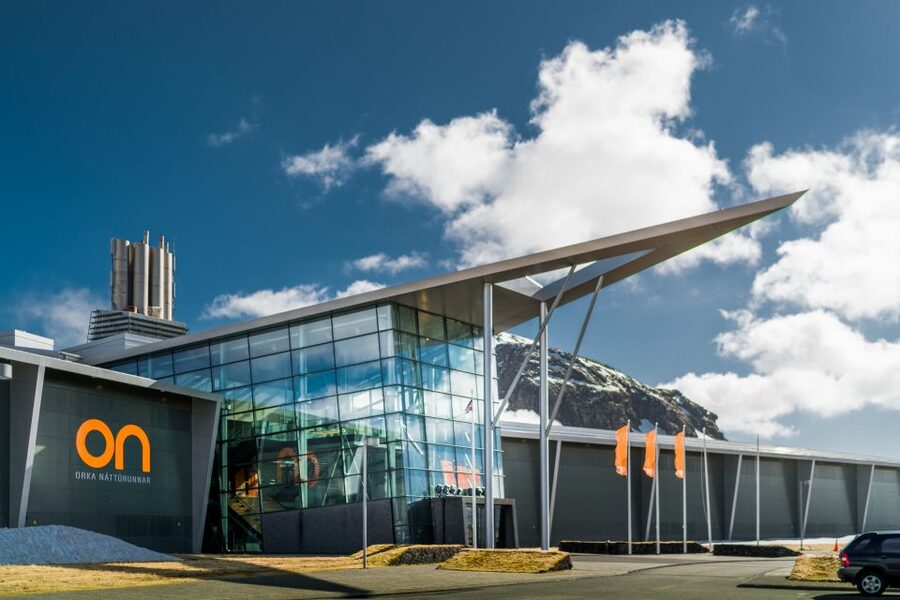
Iceland’s geothermal energy story becomes much clearer when you see it at work inside the Hellisheiði Power Plant, beneath Mount Hengill. This is the largest single-site geothermal power plant on Earth, surrounded by lava fields, moss, and mountain scenery rather than hidden behind a classroom wall.
I like the hands-on exhibits and the freedom to stay as long as you wish. I also like the Carbfix room, which connects geothermal power with carbon storage and climate work. The main limitation is simple: this is self-guided, not a hardhat tour inside the machinery, so visitors hoping to walk through the working plant may want more.
The experience suits science fans, families with curious children, and anyone driving the route from Reykjavík toward southern Iceland. Bring headphones and a charged smartphone. On-site staff can answer questions, and a staff member named Antonia has been noted for giving especially helpful explanations.
Key points to know before you go
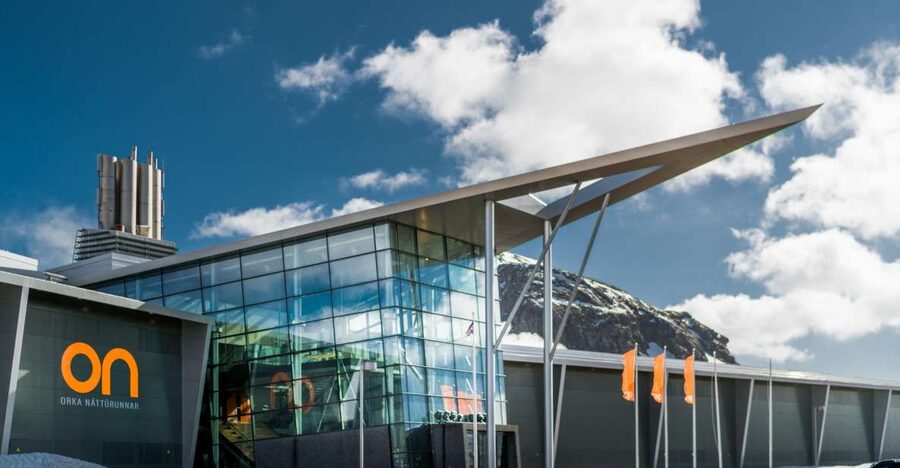
- The power plant sits about 20 minutes from Reykjavík, making it an easy stop by car.
- Stop 9 explains the production process, and it is the best place to begin if you want the basic engineering picture first.
- The Carbfix room covers carbon storage, giving the visit a wider climate focus than electricity production alone.
- The audio tour works on Android and iOS, with English and Icelandic commentary.
- You set the pace, with flexible entry times and no fixed finish time once you are inside.
- Indoor viewing platforms frame Icelandic nature, adding scenery to an otherwise technical visit.
Seeing Iceland’s heat turned into usable power
At Hellisheiði, geothermal energy is not an abstract idea. It is an active industrial process that produces electricity and hot water for Icelandic homes and businesses. The exhibition lets you follow that process through displays, films, audio commentary, and interactive features.
That matters because Iceland’s energy system can seem almost too easy from the outside. You see steaming ground, hot pools, and volcanic rock, then hear that much of the country uses renewable energy. The exhibition shows the work behind that picture: extraction, production, engineering, research, and the systems needed to move energy where people need it.
The plant lies beneath Mount Hengill, in an area marked by lava fields, green moss, and open mountain views. You do not need to choose between an indoor museum and an outdoor scenic stop. The building’s viewing platforms give you a chance to look out at the surrounding nature while keeping the visit warm and comfortable.
I would allow about an hour for a focused visit, though the ticket remains valid for one day and you may stay longer after entering. The flexible timing is useful if you are fitting Hellisheiði between Reykjavík and other stops in southern Iceland.
A few more hot spring trips around Iceland worth a look
- Geothermal Energy Exhibition Entry Ticket
★ 4.5 · 34 reviews - Full Day Ice Museum and Chena Hot Springs Tour
★ 4.4 · 32 reviews - Fire & Ice: Chena Hot Springs, Ice Museum + Aurora Adventure
★ 5.0 · 30 reviews
Begin with Stop 9 and the production process
The exhibition has several stations, but Stop 9, called Production Process, deserves your attention early. It lays out how thermal power and hot water are extracted from the earth and turned into useful energy.
If you begin elsewhere, the displays may feel like separate pieces of information. Stop 9 gives you the framework. Once you understand the production chain, the other stations become easier to follow because you can place each subject within the larger system.
This is also the part of the visit that best answers the basic question: how does geothermal power actually work? The experience is not just about Iceland having hot ground. It is about using that heat through a large, carefully engineered operation.
You should give this station enough time rather than treating it as a quick glance. The value of Hellisheiði comes from understanding the process, not simply seeing a modern building or watching a short film.
Interactive displays make technical ideas easier
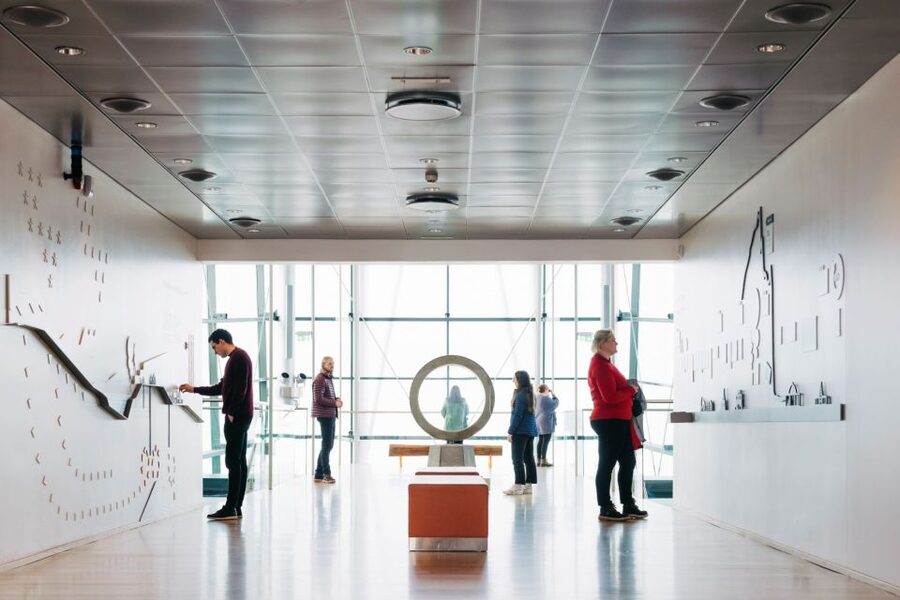
The exhibition uses interactive elements to explain subjects that can be hard to picture from text alone. Films and audio commentary add another layer, while the displays help you connect the natural heat below the ground with the equipment and systems above it.
I especially recommend this format for families and teenagers. Younger children may need help from an adult because geothermal production and carbon storage are complex subjects. The interactive parts keep the visit from feeling like a row of technical panels, but the information still asks for some attention.
Adults who enjoy science, technology, engineering, or environmental policy will likely spend longer at the exhibits. A science teacher could also find useful material here, particularly when explaining renewable energy and how natural resources can serve a community.
The tone is educational rather than theatrical. You are not being taken on a staged ride or given a dramatic show. Instead, you move from station to station, listen when you want, watch the films, and decide which subjects deserve more time.
Use the audio guide as a flexible companion

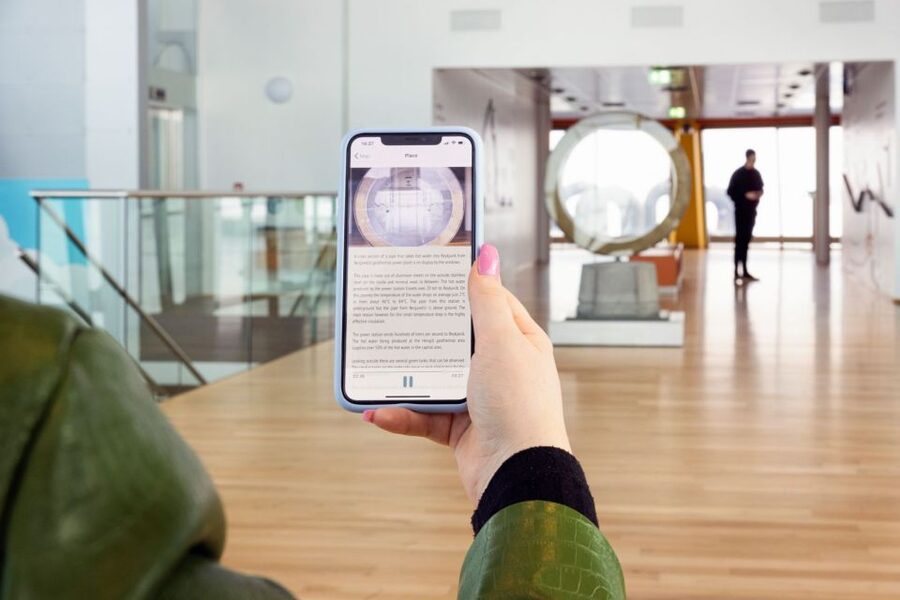
The included audio guide is available in English and Icelandic through Android and iOS. Bring your own headphones and make sure your phone is charged before arrival. Those two small preparations matter because the commentary is central to the self-guided format.
The audio gives structure to the displays and helps explain the plant’s history and operation. You can pause, replay, or move ahead without keeping up with a group. That makes the visit comfortable if people in your party have different interests.
The main tradeoff is that the audio experience may feel less connected than a live explanation. One part of the exhibition may explain the process while another gives broader background, and you have to build the full picture yourself. If you prefer asking questions as you go, speak with the staff at the entrance or during your visit.
This is where a live guide would add value. A guide could adjust the explanation for children, engineers, or visitors who want more detail about the equipment. Hellisheiði instead gives you privacy and control, which many people prefer.
Same place, a different kind of soak:
- Reykjavik: Sky Lagoon Entrance Pass With 7-Step Spa Ritual
★ 4.8 · 6,166 reviews - From Reykjavik: Golden Circle, Kerid, & Secret Lagoon Tour
★ 4.8 · 6,009 reviews - Reykjavik: Golden Circle, Kerid Crater, & Blue Lagoon Tour
★ 4.9 · 5,270 reviews - From Reykjavik: Blue Lagoon Admission with Transfers
★ 4.6 · 4,867 reviews
The Carbfix room adds a climate question
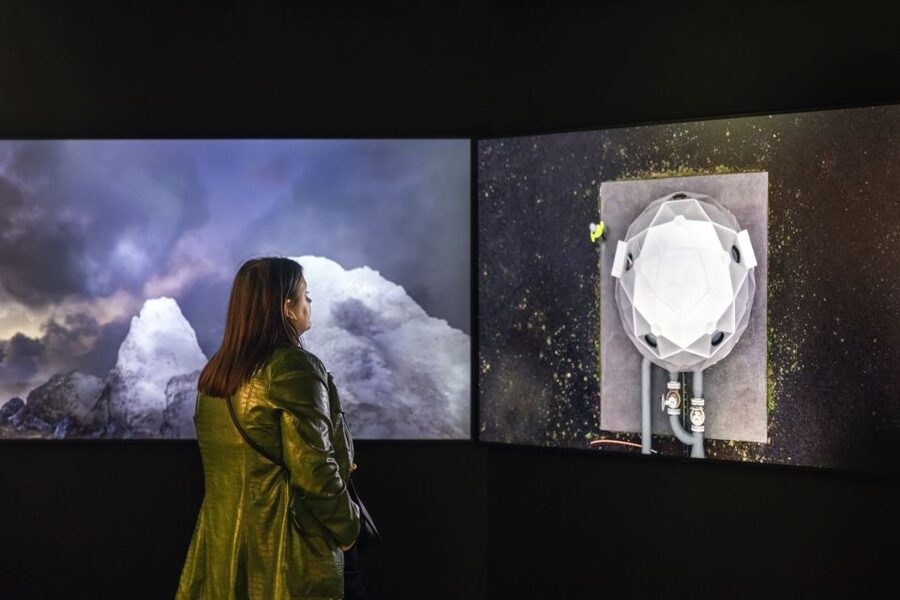
The Carbfix section is one of the most useful parts of the visit because it moves beyond the simple message of renewable energy. Geothermal power is presented alongside work connected with the climate crisis and global warming.
Carbfix is described as a leading solution that deals with carbon. The room explains the plant’s partnership with Carbfix and gives you a wider view of the challenge: producing energy is only one part of environmental responsibility. How an energy system handles emissions and long-term climate concerns matters too.
I would not rush through this section. It gives the visit a current purpose and shows that sustainability is not a finished achievement. It involves ongoing research, new methods, and large investments.
The exhibition is strongest when it links Iceland’s natural advantages with the human effort needed to use them responsibly. The lava fields and geothermal heat may be supplied by nature, but the power plant represents years of planning, construction, testing, and maintenance.
Viewing platforms bring the setting into the visit
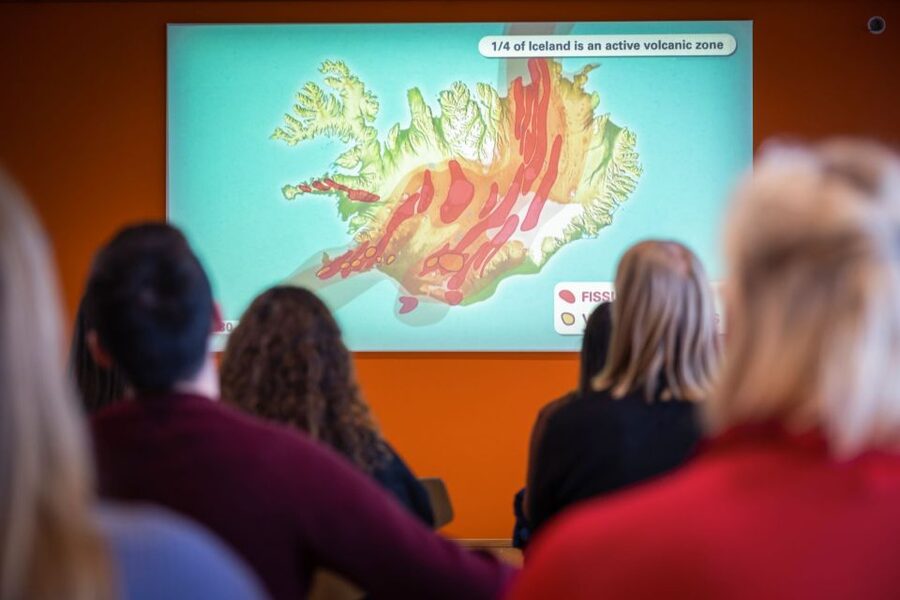
Hellisheiði is not only an indoor technical exhibition. Viewing platforms inside the building let you look toward the surrounding scenery, including the area around Mount Hengill.
The views help explain why the site was chosen and why geothermal energy is such a natural subject in Iceland. You are surrounded by volcanic ground, moss, and mountain forms, while the exhibition explains what happens beneath your feet.
These platforms are also a practical break between information-heavy sections. You can step away from the audio, look outside, and then return to the exhibits with a clearer head.
Do not expect the visit to replace a dedicated mountain or lava-field excursion. The views are part of the experience, not its main purpose. Still, they add a strong sense of place and make the power plant feel connected to Iceland rather than like an isolated industrial facility.
What the staff can add to a self-guided visit
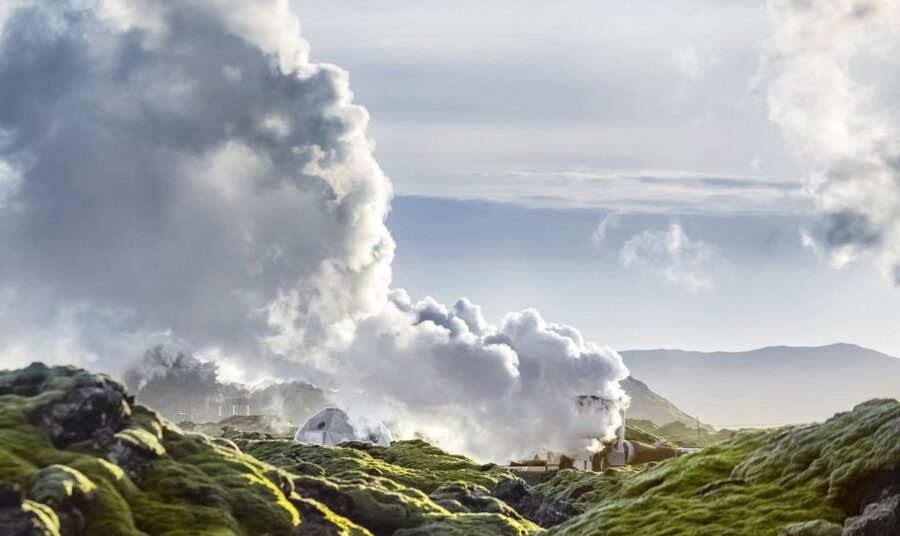
The tour is self-guided, but staff are available if you have questions. That distinction is important. You will not have a scheduled guide leading your group through the plant, and you should not expect a safety vest, hardhat, or access to the main working equipment.
The absence of a guided plant walk is the clearest weakness for visitors who want an up-close look at massive machinery. The exhibition explains the systems well, but a short employee-led tour would provide more personal context and better picture-taking opportunities.
On the other hand, the quiet self-paced format has real advantages. You do not need to wait for a departure time, and there is no pressure to leave a display before you understand it. Staff can fill in gaps when you need help, while the audio handles the basic explanation.
If you enjoy learning by asking questions, go prepared with a few. Ask about production, the plant’s environmental work, or how the displays connect. A staff member named Antonia has been singled out for answering questions carefully, though staff availability can vary.
Timing, access, and practical planning
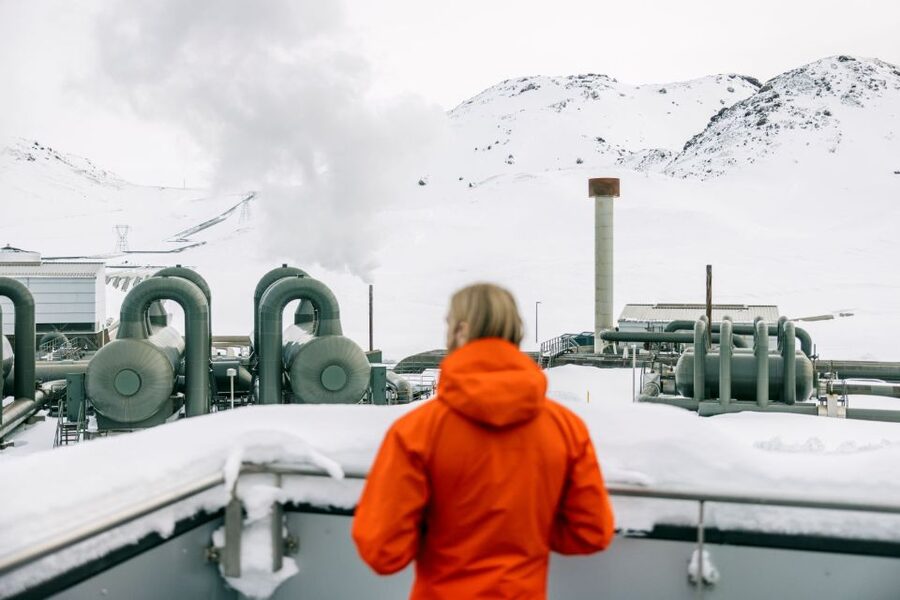
The power plant and exhibition are roughly 20 minutes outside Reykjavík. The listed address is The Geothermal Energy Exhibition, Hellisheiðarvirkjun, 801 Selfoss, Iceland. You go directly to the exhibition entrance with your ticket, and free parking is included.
Hours change with the season:
- November 1 through March 31: 9 a.m. to 4 p.m.
- April 1 through October 31: 9 a.m. to 5 p.m.
Start times are flexible, and you can stay as long as you like after entering during opening hours. That makes this a good fit for a road trip schedule, since you are not tied to a short timed presentation.
The exhibition is wheelchair accessible. Food and drinks are not included, though they are available to purchase on-site. The experience is offered in English and Icelandic, and the audio guide is included in both languages.
The booking terms are also forgiving. You can cancel up to 24 hours in advance for a full refund, and a reserve-now, pay-later option is available. These details are useful if Iceland’s weather or road conditions force you to change your plan.
Is the $21 entry fee good value?
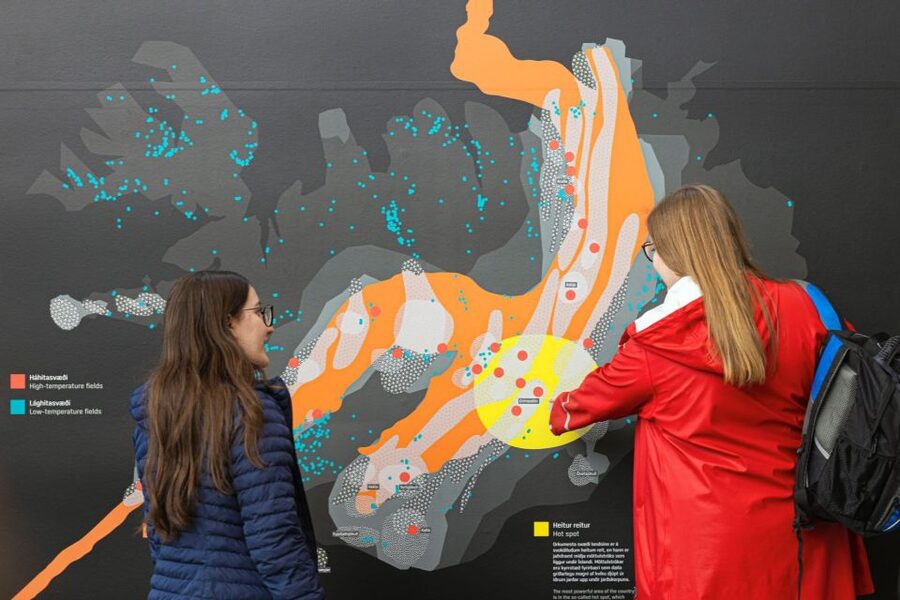
At $21 per person, Hellisheiði is not a free roadside stop, but it offers more than a quick information panel. You get entrance to a working geothermal facility’s exhibition, an audio tour, interactive displays, films, the Carbfix room, indoor viewing platforms, and free parking.
I think the price is fair if you give the visit enough time to understand the process. It is especially good value for anyone already interested in energy, technology, climate solutions, or Iceland’s use of natural resources. The visit can also add depth to a scenic drive that might otherwise consist of stopping for photographs and moving on.
The value is weaker if you are looking only for dramatic volcanic scenery or a behind-the-scenes machinery tour. This is an education-focused stop, not an adventure activity. You are paying for explanation and access to an exhibition, not for a guided walk through restricted plant areas.
For families, the price may make more sense if several people will use the interactive stations and audio commentary. Children may need an adult to translate the technical ideas into plain language, but older children and teenagers should find plenty to explore.
Who should book the Hellisheiði exhibition?
I would recommend it to you if you want to understand how Iceland uses geothermal heat in daily life rather than simply hearing that the country has renewable energy. It is a particularly strong choice for science-minded visitors, educators, students, families with older children, and anyone curious about climate solutions.
It also works well as a short stop outside Reykjavík. You can arrive when convenient, park for free, and leave when you are ready. The surrounding views give the visit a clear Icelandic setting, while the indoor exhibits keep the experience manageable in poor weather.
I would think twice if your main goal is a guided tour inside the plant. The lack of hardhats, safety vests, and employee-led access to the machinery may disappoint you. The audio guide is useful, but it cannot respond to your questions or tailor the pace in the way a live guide can.
Bring headphones, charge your phone, and start with Stop 9. Those three choices will help you get more from the visit.
FAQ
Where is the Hellisheiði Geothermal Exhibition?
It is at Hellisheiðarvirkjun, 801 Selfoss, Iceland, about 20 minutes outside Reykjavík.
How long can I stay at the exhibition?
Your ticket is valid for one day. Start times are flexible, and you may stay as long as you like after entering during opening hours.
What are the opening hours?
From November 1 through March 31, the exhibition is open from 9 a.m. to 4 p.m. From April 1 through October 31, it is open from 9 a.m. to 5 p.m.
Is an audio guide included?
Yes. A self-guided audio tour is included and is available for Android and iOS devices in English and Icelandic.
What should I bring?
Bring headphones and a charged smartphone so you can use the audio guide.
Is the exhibition wheelchair accessible?
Yes, the exhibition is wheelchair accessible.
Does the visit include a guided tour inside the power plant?
No. The experience is self-guided, although on-site staff are available to answer questions. Food and drinks are not included, but they can be purchased on-site.
More Audio Guides in Iceland
- Hot Springs NP Self Guided Driving and Walking Audio Tour
★ 4.5 · 14 reviews - Banff Cave & Hot Springs Audio Walking Tour (Not a Ticket)
★ 3.0 · 6 reviews - Pamukkale and Hierapolis Skip-the-Line Tickets + Audio Guide
★ 4.1 · 3 reviews - Hot Springs National Park Self Guided Audio Tour
★ 4.5 · 2 reviews
Just added around Iceland
- Akureyri: Whale Watching Tour & Forest Lagoon Entrance★ 3.8 · 4 reviews
- Husafell Canyon Baths Tour★ 5.0 · 70 reviews
- Landmannalaugar Geothermal area – Super Jeep Day Tour★ 5.0 · 33 reviews
- Geothermal Energy Exhibition Entry Ticket★ 4.5 · 34 reviews
- Unique bathing in an Icelandic hot springs at the Blue Lagoon★ 4.5 · 8 reviews
- Northern Lights & Geothermal Baths Adventure★ 4.5 · 24 reviews
- Unique West Iceland and Krauma SPA tour by minibus★ 5.0 · 31 reviews
- Golden Circle with Tomato Farm Lunch & Secret Lagoon Bathing★ 3.5 · 12 reviews
Hot Spring Tours, compared.
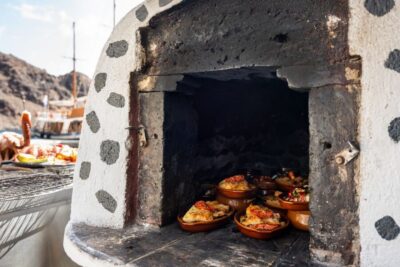
Volcanic Islands Cruise with Hot Springs Visit
Read our review →
Mount Batur Sunrise Guided Hike and Natural Hot Spring
Read our review →
Sky Lagoon Entrance Pass With 7-Step Spa Ritual
Read our review →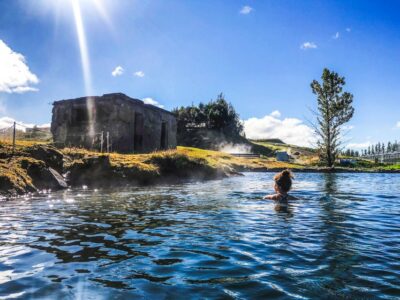
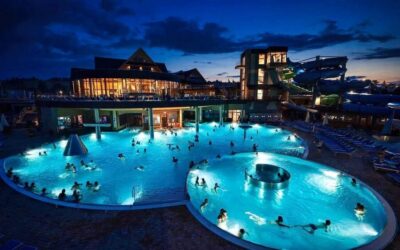
Zakopane, Thermal Springs, Cable Car, Local Tasting
Read our review →
Golden Circle, Kerid Crater, & Blue Lagoon Tour
Read our review →
Tiger Cave Temple, Emerald Pool and Hot Springs Tour
Read our review →Browse the lists this tour appears in