
REVIEW · ROTORUA
Thermal Path Tour
Rotorua’s geothermal world is not limited to the big-name parks. This four-hour outing takes you to Rainbow Mountain, Kerosene Creek, Waiotapu Mud Pool, and Waikite Valley, with local guide Stephen handling the driving and explaining what you are seeing. You get steaming water, bubbling mud, native plants, and a proper soak at the end.
I like the small group, capped at eight, and the mix of short walking with comfortable minivan travel. I also like the local angle: Stephen adds stories about plants, birds, geothermal science, and New Zealand beyond the usual sightseeing script. The main drawback is time. With several stops packed into four hours, the hot-pool session may feel too brief if soaking is your main goal.
Key points at a glance
- Rainbow Mountain walk: A half-hour walk to a crater with broad views and unusual geothermal vegetation.
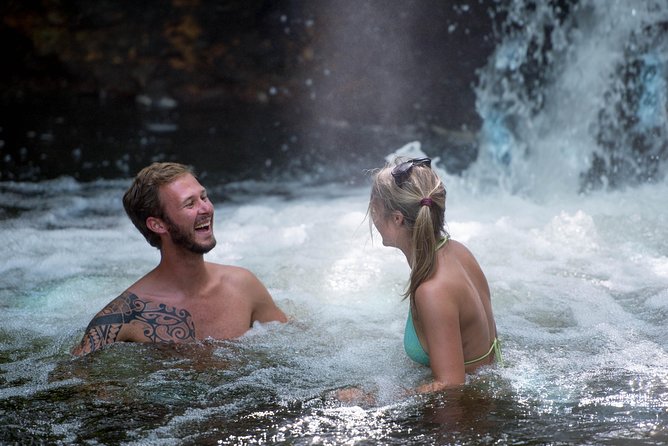
- Kerosene Creek: A naturally heated river where you can paddle your feet or bathe.
- Waiotapu Mud Pool: One of the best places in the area to watch boiling mud churn and pop.
- Te Manaroa Springs: See the largest discharge of boiling water in New Zealand before heading to the pools.
- Small-group format: The air-conditioned minivan carries no more than eight people.
- A practical half-day: Transport, guide, entry fees, and designated pickup and return are included for $93.09 per person.
Why this tour reaches beyond Rotorua’s main sights
Rotorua is famous for geothermal activity, but the most rewarding spots are not always the easiest to connect on your own. They are spread beyond the city, and a self-drive day means finding parking, checking access, allowing for walking time, and keeping your eyes on the road instead of the steam rising from the ground.
This tour solves that problem neatly. You meet at 1167 Fenton Street at 1:15 pm, climb into an air-conditioned minivan, and let Stephen set the pace. The group limit of eight matters here. It keeps the trip more personal than a large coach outing and gives the guide room to answer questions or adjust the pace.
I would choose this tour if you want several different geothermal settings in one afternoon. You see a mountain crater, a heated river, boiling mud, a major hot spring, and a bathing pool. That variety is the real value.
The setting also feels less packaged than a single attraction with a marked visitor route and gift shop. You still get an organized trip, but the focus is on places that are harder to link together without local help.
A few more hot spring trips around Rotorua worth a look
- Rotorua: Wai-O-Tapu Geothermal Park Entry Ticket
★ 4.6 · 2,601 reviews - Rotorua Forest Hot Tub Soak at Secret Spot
★ 5.0 · 556 reviews - Wai-O-Tapu Thermal Wonderland, Rotorua, New Zealand
★ 4.5 · 379 reviews
Rainbow Mountain: a short walk with a larger view
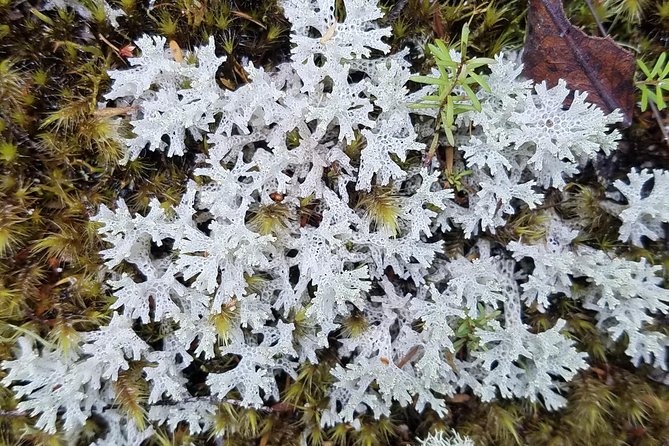
The first stop is Rainbow Mountain, known for its crater and distinctive geothermal vegetation. The walk takes about 30 minutes, though the full outing includes walks of up to two kilometres across the different stops.
This is a good opening because it gives you a sense of Rotorua’s volcanic character before you reach the hot water. You are not simply looking at steam from a platform. You are walking through an area shaped by heat, minerals, and volcanic ground, with views from the crater area.
Do not treat this as a strenuous mountain hike. It is a short nature walk, but you still need decent balance and a moderate level of fitness. Tree roots, rocks, uneven ground, and slippery patches are part of the risk. Supportive trainers or hiking boots are a much better choice than sandals.
Stephen also brings attention to the wider natural setting. His commentary covers local plants, birds, and New Zealand life, not just the mechanics of geothermal activity. One especially distinctive detail from the experience is his use of bird calls, which adds a light touch to the walk without turning it into a formal wildlife tour.
Kerosene Creek: a warm river in the forest
From Rainbow Mountain, the tour continues to Kerosene Creek, a geothermal river heated by underground activity. Here you can dip your toes or enter the water for a bath.
This stop gives you a different sense of geothermal water. At the mud pool, the action is noisy and restless. At Kerosene Creek, the appeal is the chance to sit with warm water moving around you in a natural setting. If you enjoy hot springs but do not want every stop to be a viewing platform, this is an important part of the afternoon.
The bathing conditions are not presented as a luxury spa. Expect a natural geothermal river rather than tiled pools, changing rooms, or a carefully controlled resort setting. That is part of the charm, but it also means you should come prepared and follow instructions closely.
There is a serious safety point here. In geothermal waters, keep your head above the water because of the risk of amoebic meningitis. The operator also warns you to remain on formed paths in geothermal areas. Thin crust, hot fluids, and gases including carbon dioxide and sulphide can cause severe injury or death.
Waiotapu Mud Pool: Rotorua’s loudest natural performance
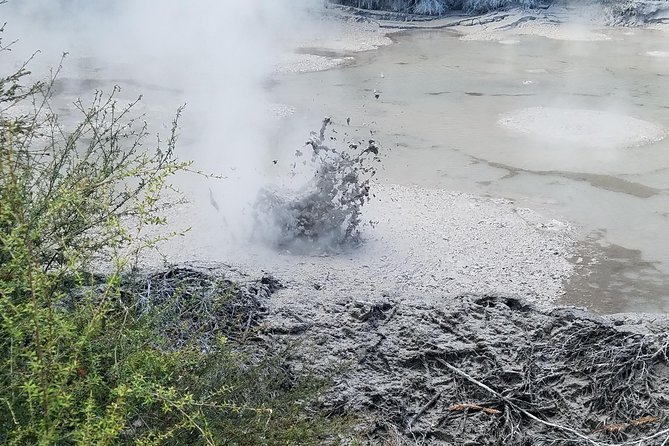
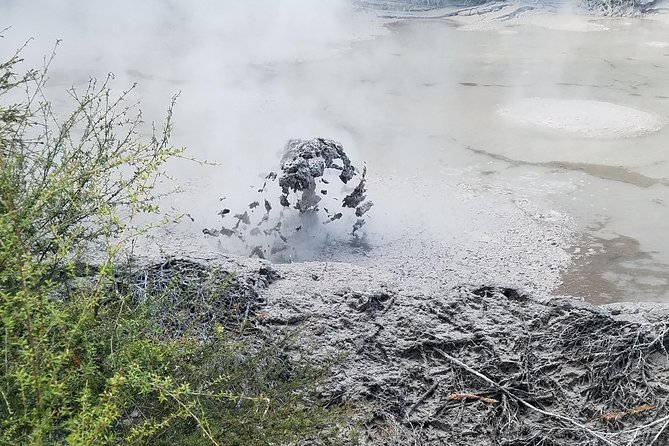
The next stop is Waiotapu Mud Pool, described as the largest and best example of boiling mud on the route. This is where the geothermal activity becomes especially visual and audible.
Mud pools work differently from clear hot springs. Gas pushes through wet earth, making the surface bubble, collapse, and spit. The result is not pretty in the conventional sense, but it is fascinating. You can take time to watch the patterns change and listen to the constant popping and gurgling.
This stop is a strong reason to choose the tour instead of spending the whole afternoon at a bath. You get to see the force beneath the region, not just enjoy the warmth it produces.
The ground around geothermal sites demands care. Stay on the formed trail, keep a safe distance from hot fluids, and do not wander off for a closer photograph. The unusual surface can look solid while hiding dangerous heat underneath.
Same place, a different kind of soak:
- Rotorua: Hell’s Gate Outdoor Mud Spa & Guided Walk
★ 4.7 · 1,140 reviews - Polynesian Spa Rotorua: Deluxe Lake Spa Hot Spring Bathing
★ 4.5 · 358 reviews - Rotorua: Secret Spot Hot Tubs
★ 4.8 · 326 reviews - From Rotorua: Wai O Tapu & Waimangu Eco Thermal Morning Tour
★ 4.8 · 320 reviews
Te Manaroa Springs and the living water of Waikite Valley
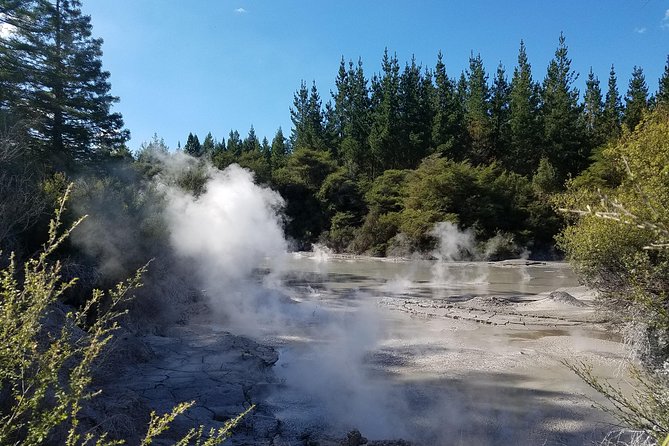
The route then reaches Waikite Valley, where a short walk leads to Te Manaroa Springs. The spring is described as the largest discharge of boiling water in New Zealand, so this is more than a quick photo stop.
The phrase living waters suits the place. Water surges from below the ground with a force that makes the area feel active rather than static. Stephen’s explanations help connect what you see at the spring with the wider geothermal system, including the relationship between boiling water, mud, gases, and mineral-rich pools.
The walk is short, but the same footwear advice applies. You will encounter natural ground rather than a smooth urban path. Dress for changing weather and expect the tour to operate in most conditions.
This is also where the afternoon shifts from looking at geothermal activity to enjoying it. After seeing the spring, you head to the mineral hot pools at Waikite Valley.
The final soak: relaxing, but watch the clock
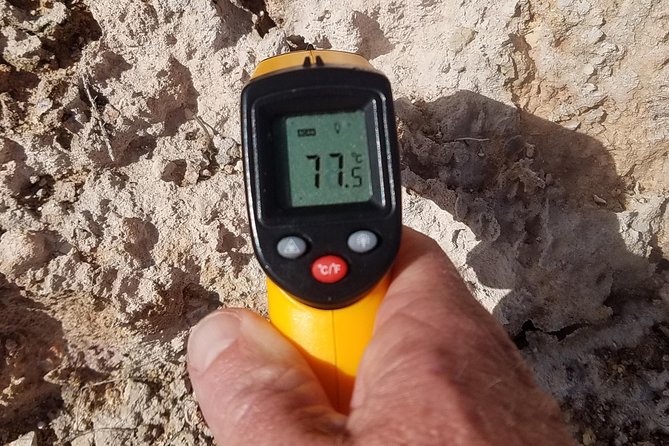
The tour finishes with time in one of Waikite Valley’s silky mineral hot pools. After walking, standing, and taking in several active geothermal sites, this is a welcome change of pace.
I like the order of the itinerary. You first get the active, noisy, and earthy parts of Rotorua, then finish with warm water and a slower rhythm. It makes the bath feel earned rather than tacked onto the itinerary.
Still, you should set your expectations carefully. One person found the time in the hot springs shorter than preferred. That is the trade-off of a four-hour tour with several stops. If your priority is a long spa session, book a dedicated bathing experience instead. If you want a broad introduction to Rotorua’s geothermal character with a relaxing finish, the balance works well.
Keep your head above the water here too. The health warning applies to geothermal bathing, not only to the river stop.
Stephen’s guiding style and the small-group advantage
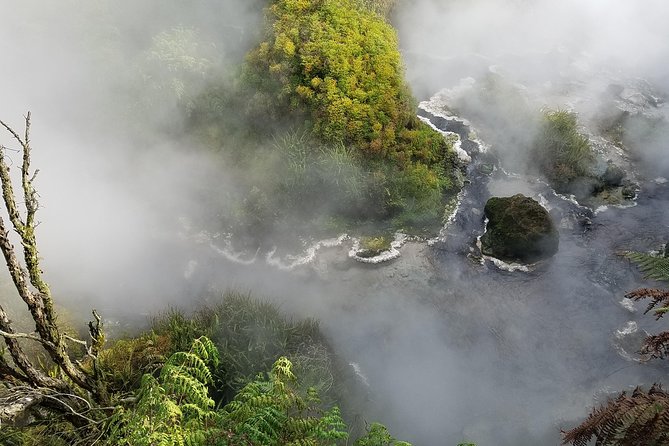
Stephen is the guide, driver, and interpreter for the afternoon. The strongest feature of his approach is the range of information he brings into the trip. You can expect discussion of geothermal features, local flora and fauna, New Zealand history, and the natural environment.
That breadth makes the tour feel less like a string of photo stops. The mud pool is not just a muddy hole, and the hot spring is not just warm water. You get a clearer idea of how these places fit into Rotorua’s natural setting.
The small group also helps with comfort. With a maximum of eight people, the minivan is more suitable for questions and conversation than a full-size coach. The pace can be adjusted when needed, though everyone still needs a reasonable level of fitness and balance.
This is a good choice if you prefer a guide who shares local detail in an easy-going way. It is less suited to someone who wants complete independence, silence, or a tightly timed attraction-hopping schedule.
Is $93.09 good value?
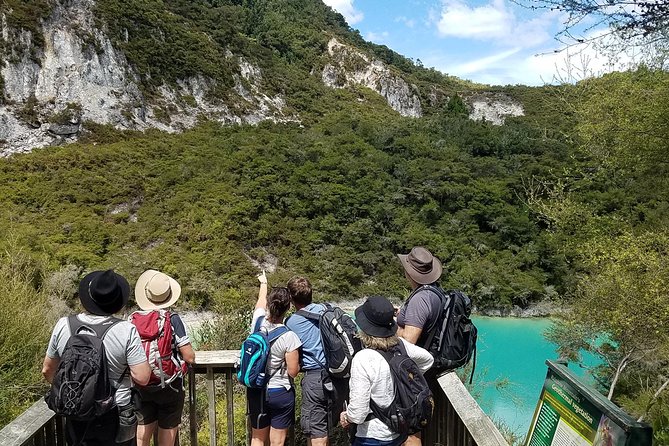
At $93.09 per person, the price is reasonable for a four-hour guided outing that includes transport, a local guide, pickup and return at the designated meeting point, entry fees, and taxes.
The value comes from the combination. You are not paying only for a soak or only for a walk. You are getting transport out of Rotorua, several geothermal sites, interpretation, and a final bath. Hiring a taxi or arranging separate visits would take more planning and might not connect these exact stops smoothly.
The price is particularly fair if you do not have a car. You avoid driving on unfamiliar roads and can focus on the scenery and guide commentary. It is also useful for a short Rotorua stay, since the afternoon format leaves the morning free.
The tour is booked, on average, 41 days in advance, so I would not leave it until the last day of a busy trip. Confirmation arrives within 48 hours, subject to availability.
Timing, weather, and what to bring
The tour starts at 1:15 pm and returns to the same meeting point. The afternoon schedule suits anyone who wants a relaxed morning or has other plans before lunch.
It operates in most weather conditions, so bring layers and dress for the forecast rather than assuming geothermal heat means warm air. Rain can make roots, rocks, and paths slippery. Supportive footwear is essential.
You should also be ready for walking of up to two kilometres across the tour. The distances are manageable for someone with moderate fitness, but the ground is uneven and requires care. This is not a suitable outing if you have trouble walking on natural paths or maintaining balance.
Free cancellation is available up to 24 hours before the start time. A cancellation inside that window is not refunded, and poor weather may lead to a different date or a full refund.
Who should book the Thermal Path Tour?
I would recommend it to you if you want:
- Several geothermal sites in one half-day
- A group of eight or fewer
- Local commentary on nature and geothermal activity
- A natural river and mineral pool experience
- Transport included from central Rotorua
- Some walking, but not a full-day hike
I would think twice if you want a long, unhurried spa visit, a completely private tour, or a purely accessible route with no uneven surfaces. The bathing time is limited by the number of stops, and geothermal ground always demands attention.
For most people, the strongest reason to book is the mix. You see Rotorua’s boiling, bubbling side and then settle into warm mineral water before heading back to town. That gives you a fuller picture of the region than a bath alone, without requiring a car or a day of planning.
FAQ
Where does the Thermal Path Tour start?
It starts at 1167 Fenton Street, Rotorua 3010, New Zealand.
What time does the tour depart?
The scheduled start time is 1:15 pm.
How long does the tour last?
The experience lasts approximately four hours.
Where does the tour finish?
It returns to the original meeting point in Rotorua.
What sites are included?
The route includes Rainbow Mountain, Kerosene Creek, Waiotapu Mud Pool, Te Manaroa Springs at Waikite Valley, and the Waikite Valley mineral hot pools.
Is transport included?
Yes. Transport is provided in an air-conditioned minivan, with pickup and drop-off at designated meeting points.
How many people can join the tour?
The maximum group size is eight people.
What fitness level is required?
A moderate level of physical fitness and good balance are required. The tour includes walks of up to two kilometres over uneven ground, with possible roots, rocks, and slippery surfaces.
What happens if the weather is poor?
The tour requires good weather. If it is canceled because of poor weather, you will be offered another date or a full refund.
Just added around Rotorua
- Whakarewarewa: Self-Guided Geothermal Trails★ 4.5 · 41 reviews
- WAI-O-TAPU Geothermal, Rotorua – Group Day Tour Ex Auckland★ 4.3 · 4 reviews
- Whaka Geothermal Trails Self-Guided Tour★ 3.5 · 44 reviews
- Private Tour Waiotapu Geothermal Shore Excursion up to 8 passengers★ 5.0 · 6 reviews
- Mount Tarawera Orakei Korako Thermal Explorer★ 4.5 · 10 reviews
- Polynesian Spa Rotorua: Family Hot Pools and Freshwater Pool★ 3.5 · 14 reviews
- Wai Ariki Hot Springs and Spa Restorative Journey (2hrs)★ 4.5 · 73 reviews
- Crater Lakes Scenic Flight with Natural Hot Pool Bathing by Floatplane★ 5.0 · 6 reviews
Hot Spring Tours, compared.
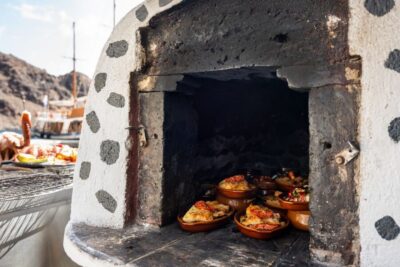
Volcanic Islands Cruise with Hot Springs Visit
Read our review →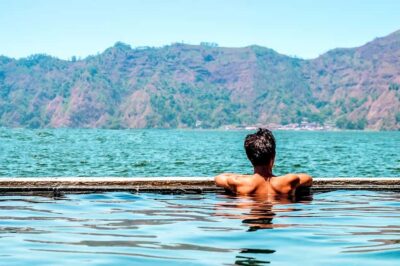
Mount Batur Sunrise Guided Hike and Natural Hot Spring
Read our review →
Sky Lagoon Entrance Pass With 7-Step Spa Ritual
Read our review →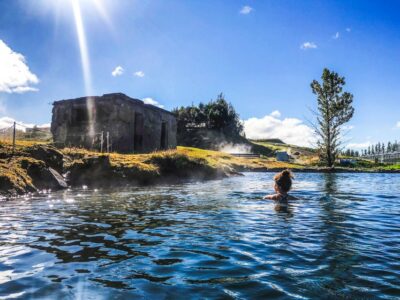
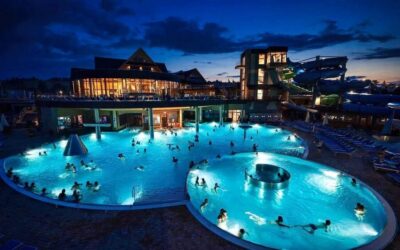
Zakopane, Thermal Springs, Cable Car, Local Tasting
Read our review →
Golden Circle, Kerid Crater, & Blue Lagoon Tour
Read our review →
Tiger Cave Temple, Emerald Pool and Hot Springs Tour
Read our review →Browse the lists this tour appears in