
REVIEW · AUCKLAND
From Auckland: Rotorua Māori Village & Hot Springs with Haka
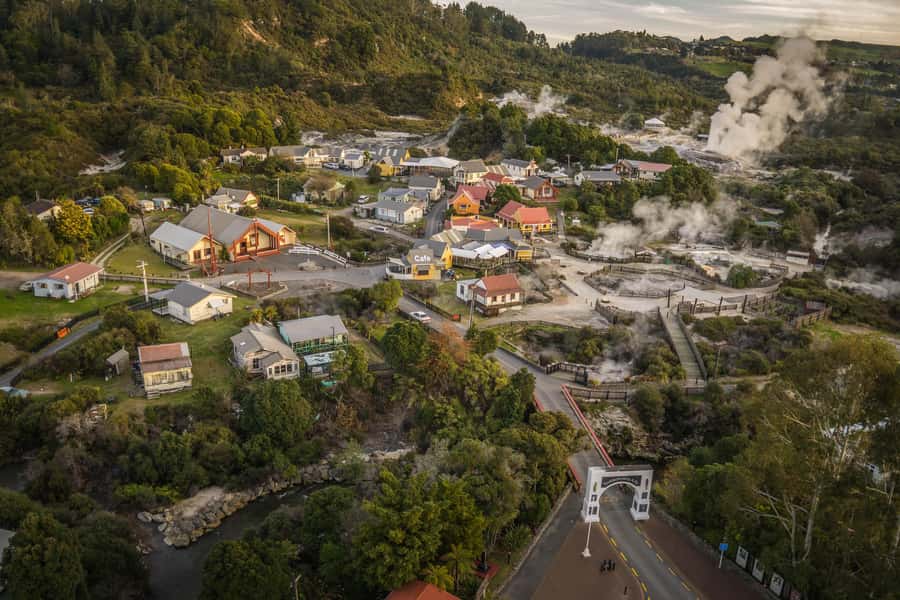
Rotorua’s geothermal ground gives this day its character: steam rises beside homes, mud bubbles, geysers send water skyward, and Māori life continues around it all. At Whakarewarewa Village, you get more than a quick cultural show. You walk through a living community with local guides, then watch a haka and other performances.
I like the pairing of Māori culture and geothermal sights, followed by two hours at Polynesian Spa with views toward Lake Rotorua. I also like the small group size, which allows guides such as Huzefa, Matt, Brendan, and JJ to offer extra stops, photo tips, and practical help. The drawback is simple: this is a very long day, with roughly three hours on the road each way from Auckland.
Key points at a glance
- Whakarewarewa is a living Māori village: See homes, customs, geothermal cooking, bubbling pools, vents, and geysers in one setting.
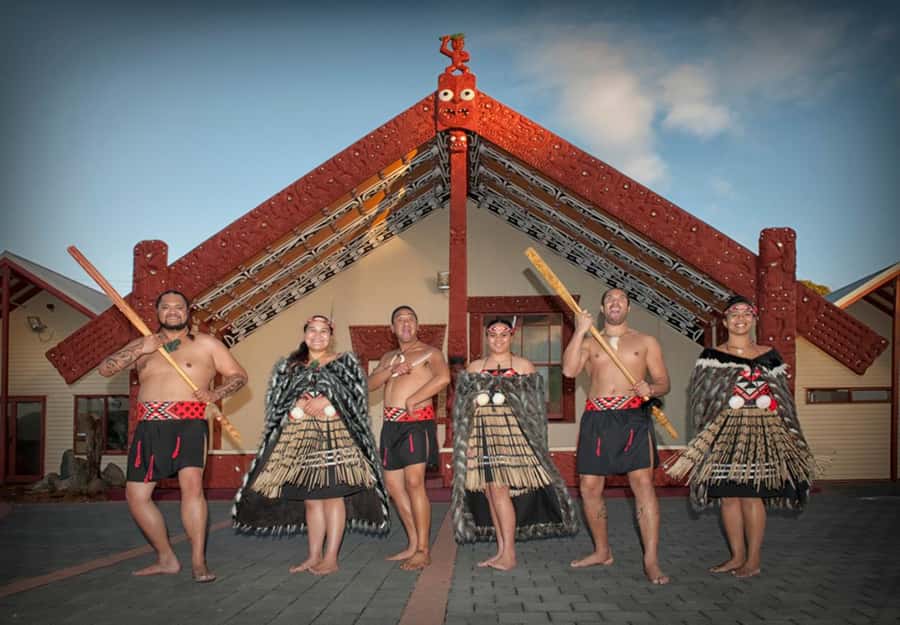
- The haka is a major highlight: Traditional song and dance give the cultural visit its energy and emotional force.
- Polynesian Spa ends the day gently: Spend about two hours in mineral pools beside Lake Rotorua.
- Small groups make a difference: The tour carries no more than 11 people, with hotel pickup and drop-off in central Auckland.
- Food costs extra: You can buy lunch at the village cafe, including traditionally prepared hangi food, but meals and drinks are not part of the price.
- Plan for a full 12 hours: The trip suits you best if you want Rotorua in one day and can handle a long bus ride.
From Auckland to Rotorua: a big day with a clear purpose
This is a practical choice if Auckland is your base and you have only one day available for Rotorua. You avoid arranging a separate car, booking several attractions, and finding your way around a new city. The bus collects you from selected central Auckland hotels and returns you to the same general area later in the day.
The price is $236 per person. That is not a budget outing, but it covers round-trip transport, hotel pickup and drop-off, a guide, entry to Whakarewarewa Village, the cultural performances, and Polynesian Spa. Once you add those costs separately, the price becomes easier to understand. You are paying for convenience as much as admission tickets.
The tradeoff is time. The road journey takes about three hours in each direction, so a substantial part of your day is spent sitting in the vehicle. Past guides have made rest stops, pointed out sights, and helped avoid some traffic on the return to Auckland, but no guide can erase the distance. If you are already visiting Rotorua for several nights, staying there is the more relaxed plan. If you are based in Auckland and cannot spare an overnight stop, this tour makes the day possible.
Pickup begins up to 20 minutes before the scheduled departure. Be outside and ready five to 10 minutes early, since the vehicle makes several stops and cannot wait for late arrivals. Pickup points include major hotels such as the Sofitel, Pullman, Cordis, Hilton, SkyCity, M Social, and Grand Millennium. If you are near the airport or South Auckland, the listed pickup point is The Sebel Auckland Manukau.
A few more hot spring trips around Auckland worth a look
- Auckland to Hobbiton Movie Set and Rotorua’s Geothermal Valley
★ 5.0 · 115 reviews - Ex Auckland: Rotorua Māori Village with Haka and Hot Springs
★ 5.0 · 55 reviews - Rotorua Cultural & Geothermal Small Group Tour From Auckland
★ 5.0 · 22 reviews
Entering Whakarewarewa Village
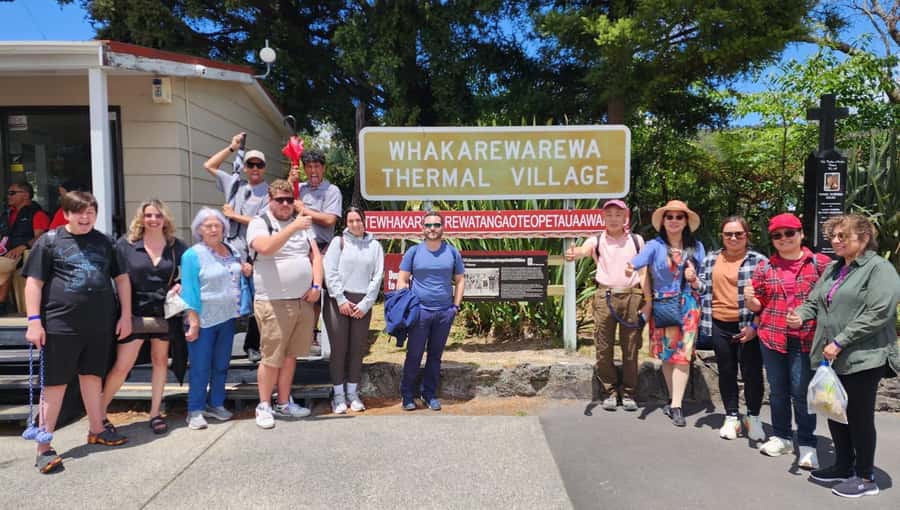
The first major stop is Whakarewarewa, where you spend about three hours with a local guide. The setting is unusual even before the cultural tour begins. Steam moves through the village, and the smell of sulphur reminds you that Rotorua is built around active geothermal forces.
This is not simply a fenced-off thermal park. Whakarewarewa is an active Māori community, and that makes the visit more personal. Local guides explain daily life, customs, and the connection between the people and the ground beneath them. You see how geothermal activity is part of the setting where people live and work, rather than a separate attraction viewed from a distance.
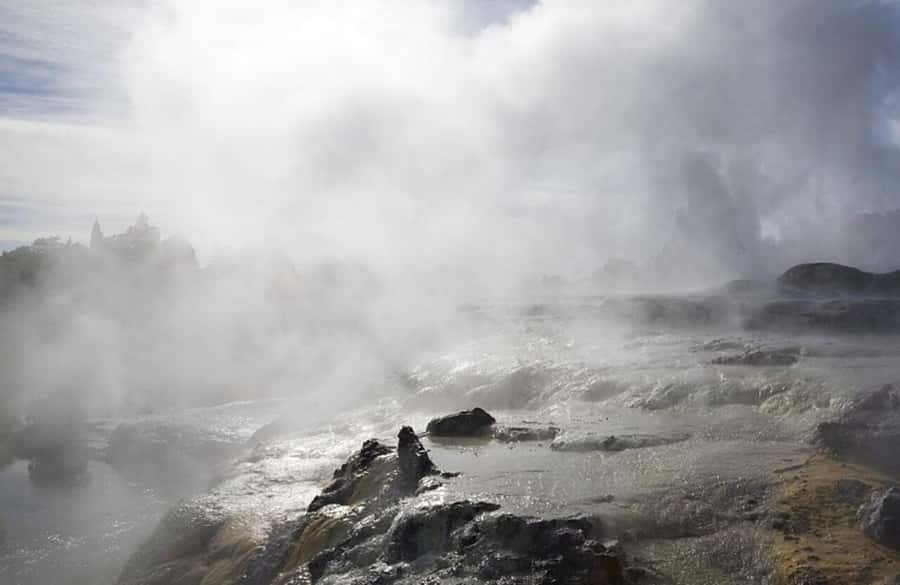
The walk includes bubbling mud pools, boiling hot pools, steaming vents, silica formations, and geysers. Take care with footwear and follow the guide’s directions near hot ground. The combination of Māori life and geothermal activity gives the stop its meaning. You are not only looking at unusual rocks and steam. You are learning why this place matters to the people who call it home.
The guiding is one of the strongest parts of the day. Michael, who has led the village visit, is described as clear and patient, with a good grasp of village life and the surrounding geothermal area. Your exact village guide may differ, but the format remains local and direct rather than a distant audio presentation.
Geothermal sights with a human story
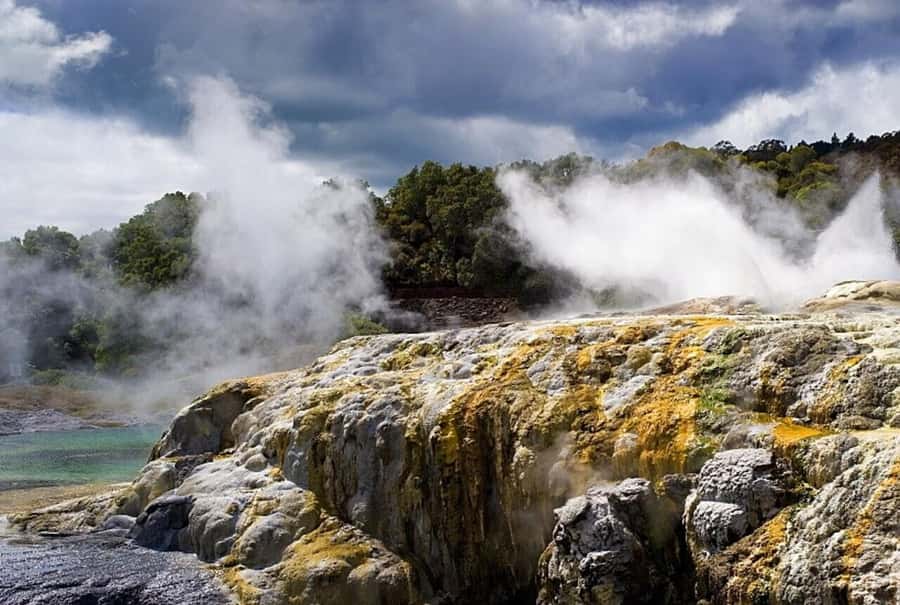
Rotorua’s silica formations can look almost manufactured, with pale mineral surfaces shaped by hot water over time. The mud pools are less polished and more theatrical: they bubble, pop, and shift in a way that makes the ground feel alive. Geysers add height and drama, while smaller vents keep steam drifting across the paths.
I like that the tour gives you time to see the geothermal area after the guided portion. You are not hurried from one viewpoint to the next. After the cultural presentation, you can walk around and take photos at your own pace before moving on to the spa.
Keep your expectations in check. The itinerary does not promise a particular geyser eruption time or a long independent exploration of every thermal feature in Rotorua. The focus is Whakarewarewa, with its village setting, geothermal activity, and Māori culture. If your main goal is to visit several separate geothermal parks, you would need a different plan.
The small group limit of 11 helps here. A guide can answer questions without addressing a large crowd, and the vehicle feels more personal than a full-size coach. Past guides including Huzefa and Matt have also added short photo stops or extra points of interest along the route. These extras depend on the day, traffic, and timing, so treat them as a bonus rather than a promise.
The haka and cultural performance
The performance is the emotional center of the village visit. You watch Māori song and dance, including the haka, alongside other cultural elements. The haka is forceful, rhythmic, and designed to command attention. Seeing it in the same community where you have just learned about Māori life gives the performance more context than a stand-alone stage show.
The best approach is to watch closely and listen to the explanations. The gestures, facial expressions, rhythm, and group movement are not random entertainment. They express identity, welcome, strength, and connection. The performance is accessible even if you know little about Māori culture, and the guide’s introduction helps you understand what you are seeing.
The cultural show also breaks up the geothermal walking. Three hours can feel long if you only inspect pools and vents, but the village visit has several different parts: guiding, thermal sights, local stories, and performance. This variety is one reason the stop earns its time.
If the haka is your main reason for booking, this tour gives you a solid opportunity to see one without arranging a separate evening cultural program. If you want a full hangi feast and a longer formal cultural ceremony, check exactly what your booking includes. Food is not included in the tour price, and the supplied details do not promise a meal as part of the admission.
Same place, a different kind of soak:
- Romantic Auckland Sunset tour with Winery & Thermal pool
★ 5.0 · 11 reviews - Waitomo Glow Worm Caves & Te Puia – Rotorua’s Geothermal Valley
★ 5.0 · 9 reviews - Auckland: Rotorua Māori Cultural & Geothermal Tour & Lunch
★ 4.9 · 9 reviews - Private 2 Day Tour: Hobbiton, Waitomo, Rotorua Geothermal & Hamilton Gardens
★ 4.0 · 5 reviews
Lunch at the village cafe
The two-hour Polynesian Spa portion is listed alongside lunch, but food and drinks are not included. Plan to pay separately for anything you eat. A traditional hangi meal may be available at the village cafe, and it can be a useful way to try food prepared in the local geothermal setting.
Do not assume lunch is served at a set time or included in the ticket. Ask your guide about the day’s timing and allow enough time to eat without cutting into the village visit. Bring a reusable water bottle, especially if you plan to soak later.
This is also the point where you can manage your own pace. The village walk, performance, and geothermal area provide plenty to take in, so a simple lunch may be more practical than a long sit-down meal. The tour’s main value comes from the cultural and geothermal visits, not from a packaged dining experience.
Soaking at Polynesian Spa beside Lake Rotorua
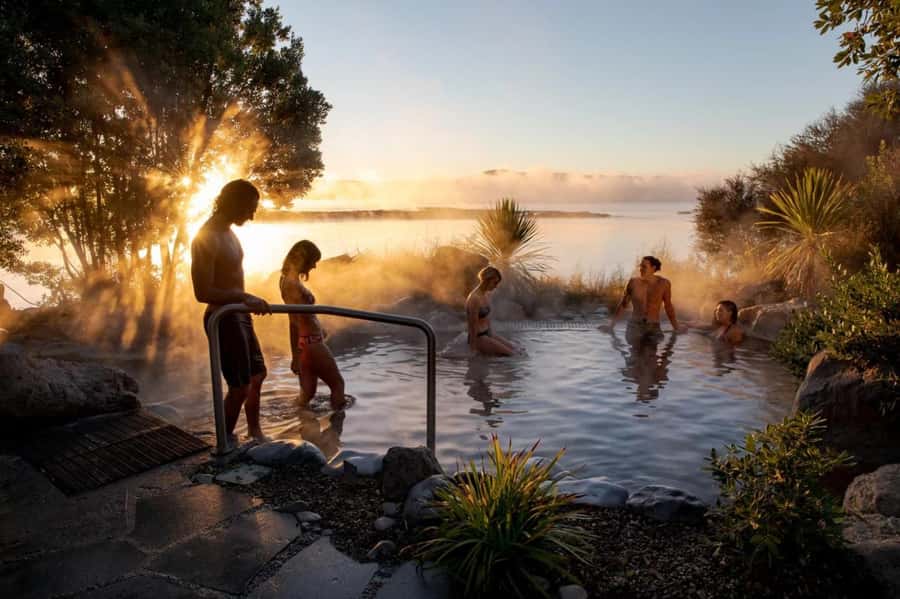
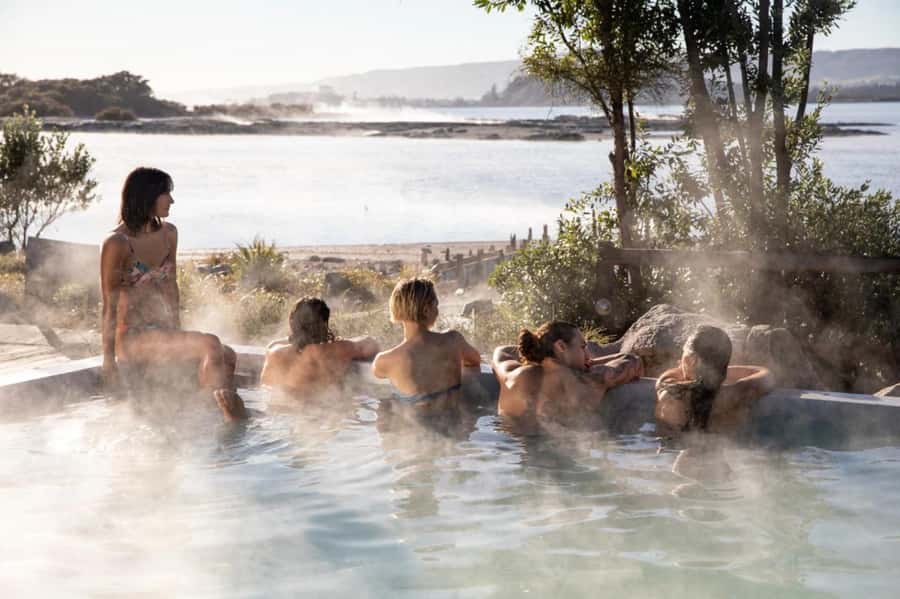
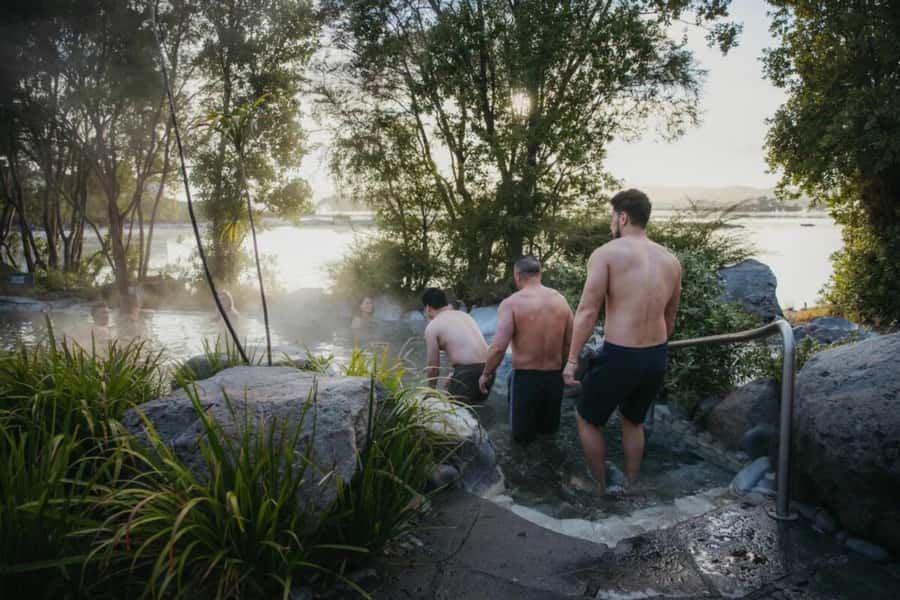
After the walking and performance, the tour shifts from active sightseeing to quiet soaking. You get about two hours at Polynesian Spa, where mineral-rich geothermal water fills pools in a natural setting near Lake Rotorua.
The spa offers alkaline waters and acidic springs, with different pools providing different bathing experiences. You can choose where to soak and spend the time at a gentler pace. After a morning and early afternoon of travel and walking, this is a well-judged finish. You do not have to squeeze in another attraction when your feet are tired.
The setting is a major part of the appeal. You can look toward Lake Rotorua and the surrounding forest while sitting in warm mineral water. It is not a private spa retreat, and the tour gives you a limited visit rather than a full day of treatments. Still, two hours is enough to make the stop feel worthwhile rather than rushed.
Bring swimwear, flip-flops, and a water bottle. Adult swimwear can be hired or purchased at the Spa Essentials Shop, but bringing your own is simpler. Consult a medical practitioner before bathing if you are pregnant, have heart problems, another serious medical condition, or an allergy to sulphur. The tour is not suitable for people with heart problems, and it is not wheelchair accessible.
The guide can shape the whole day
The long road time makes the guide especially important. A silent transfer would make this outing feel much harder, while a good guide can turn the drive into part of the experience by explaining places along the route, arranging sensible rest stops, and keeping the day moving.
Huzefa has been particularly effective at this role, offering context about New Zealand’s history, culture, and economy, contacting people ahead of time about logistics, and suggesting photo stops. Matt has helped with traffic and timing, while Brendan and JJ have been praised for a friendly, well-paced approach. These names reflect guides who may operate the tour, not a guarantee that one particular person will lead your departure.
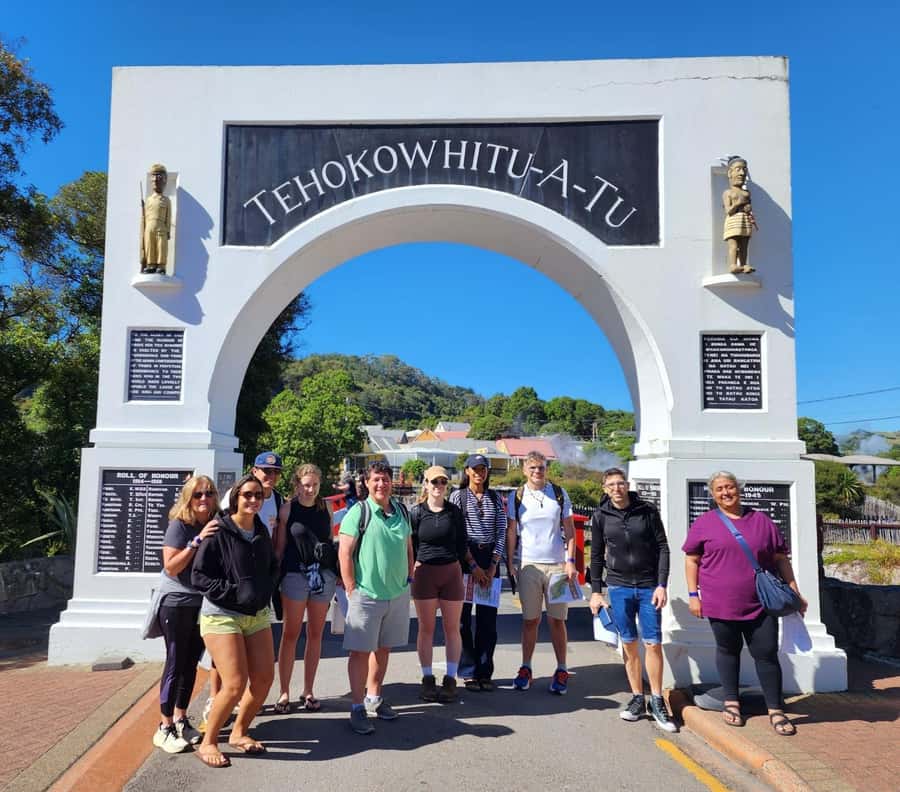
The group size is limited to 11. That is large enough to have a social feel, but small enough for direct conversation and easier boarding. It also means the group must stay on schedule. Pickup windows can vary by day, and the vehicle may arrive within about 10 minutes of the stated time.
Who should book this Rotorua day trip?
I would recommend it to you if you:
- Are staying in Auckland and want Rotorua without renting a car
- Want Māori culture and geothermal sights in the same day
- Prefer a small group to a large coach
- Like the idea of ending a busy sightseeing day at a mineral spa
- Can manage a 12-hour schedule and long road journey
- Want a guided introduction rather than planning several Rotorua attractions yourself
It is less suitable if you want a slow holiday day, have limited tolerance for vehicle travel, or need wheelchair access. It may also be poor value if you already have several days in Rotorua and can visit the village and spa independently.
The free cancellation policy allows you to cancel up to 24 hours before departure for a full refund, and you can reserve now and pay later. Those terms help if your Auckland schedule is still shifting, but they do not change the basic point: you need to be ready for an early start and a late return.
Is the $236 price worth it?
For a full day from Auckland, I think the price is reasonable if you value simplicity. You receive transport, a guide, two substantial attractions, village admission, performances, and spa entry. You also avoid the planning burden of coordinating a long drive, parking, and separate tickets.
The value is weaker if you care mainly about geothermal scenery. In that case, a trip focused on thermal parks may give you more time among geysers and pools. This tour is designed as a balanced day: culture first, relaxation later.
I also like that the final stop is not another lookout or museum. The spa gives the schedule a change of pace, and that matters after a long ride from Auckland. The tour is expensive enough that I would budget for lunch and any swimwear rental in advance, but the combination is hard to duplicate in one organized day.
Should you book it?
Book this tour if you want the easiest way to connect Auckland with Rotorua’s Māori culture, geothermal activity, haka, and mineral pools in one long day. The living village, local guiding, and cultural performance are the strongest reasons to go, while the Polynesian Spa gives you a calm finish.
Skip it if you can stay overnight in Rotorua and prefer to set your own pace. For everyone else, accept the three-hour drive each way, pack swimwear and flip-flops, arrive early for pickup, and treat the road time as the price of reaching one of New Zealand’s most distinctive cultural and geothermal areas.
FAQ
How long does the Auckland to Rotorua tour last?
The full activity lasts 12 hours. The road journey takes roughly three hours each way, with about three hours at Whakarewarewa Village and two hours at Polynesian Spa.
What is included in the tour price?
The price includes round-trip bus transportation, selected hotel pickup and drop-off, a guide, entry to Whakarewarewa Village, cultural performances, and entry to Polynesian Spa.
Is lunch included?
No. Food and drinks are not included. You can buy food at the village cafe, including traditionally prepared hangi food when available.
What should I bring to Polynesian Spa?
Bring swimwear, flip-flops, and a reusable water bottle. Adult swimwear can also be hired or purchased at the Spa Essentials Shop.
Is the tour suitable for children?
Children must be accompanied by an adult, and unaccompanied minors are not allowed.
Is the tour wheelchair accessible?
No. The tour is not suitable for wheelchair users. It is also not suitable for people with heart problems. If you are pregnant, have another serious medical condition, or have a sulphur allergy, consult your medical practitioner before using the pools.
Just added around Auckland
- Waitomo Glow Worm Caves & Te Puia – Rotorua’s Geothermal Valley★ 5.0 · 9 reviews
- [PRIVATE] SUNSET. Wine. Hot Pool. Dinner★ 5.0 · 3 reviews
- Romantic Auckland Sunset tour with Winery & Thermal pool★ 5.0 · 11 reviews
- Private 2 Day Tour: Hobbiton, Waitomo, Rotorua Geothermal & Hamilton Gardens★ 4.0 · 5 reviews
- From Auckland: Rotorua’s Geothermal Experience Private Tour★ 4.6 · 2 reviews
- Ex Auckland: TE PUIA Geothermal, Redwood & Blue Springs★ 4.4 · 5 reviews
- Auckland: Full-Day Trip to Rotorua Geothermal Valley★ 4.2 · 2 reviews
- Auckland: Wai-O-Tapu, Maori Haka & Hot Springs Rotorua Tour★ 3.8 · 5 reviews
Hot Spring Tours, compared.
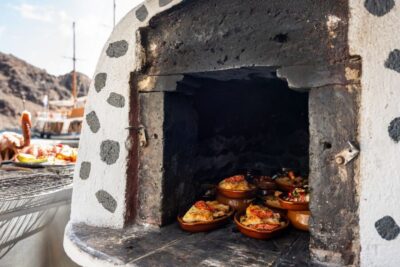
Volcanic Islands Cruise with Hot Springs Visit
Read our review →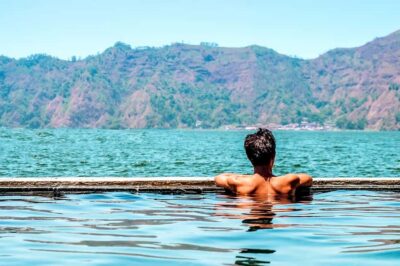
Mount Batur Sunrise Guided Hike and Natural Hot Spring
Read our review →
Sky Lagoon Entrance Pass With 7-Step Spa Ritual
Read our review →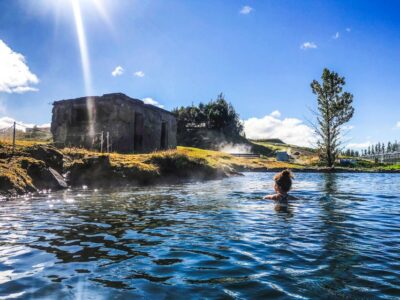
Zakopane, Thermal Springs, Cable Car, Local Tasting
Read our review →
Golden Circle, Kerid Crater, & Blue Lagoon Tour
Read our review →
Tiger Cave Temple, Emerald Pool and Hot Springs Tour
Read our review →Browse the lists this tour appears in