
REVIEW · ITALY
Montecatini Terme: Olive Grove Tour with Oil Tasting
The best part of this Montecatini Terme olive oil tour is that you see the whole chain, from trees on the hillside to bottles ready for the table. At Podere Cavozzoli, the family’s work takes place in the fields, equipment areas, and cellar, followed by a serious tasting of its organic extra virgin olive oils. The hilltop views are a fine bonus.
I like the mix of farm work and food education. You learn about pruning, harvesting, extraction, and sustainable growing, then put that information to work with the tasting. I also like the personal scale: guides such as Lucca and Nicholai explain the process with technical detail but keep the visit friendly and relaxed. The main drawback is transport, since the farm sits above town and the bus is not considered dependable.
Key points to know before you book
- See the full production chain: The visit covers the olive fields, machinery, and cellar rather than stopping at a tasting table.
- Expect a serious oil lesson: You learn how to judge EVO oil and become a more informed buyer.
- Family-run and organic: Podere Cavozzoli focuses on sustainable cultivation and careful production.
- Plan your ride uphill: A taxi from Montecatini Terme station takes about 10 minutes. The bus is not recommended.
- Allow two hours: The tour has enough time for explanations, views, and tasting without taking up a full day.
- Come ready to walk: Comfortable, closed-toe shoes and water are sensible choices.
Why this small farm visit feels different
Many olive oil experiences reduce the subject to a few bottles and a quick explanation. This one gives you a working farm setting. You enter Podere Cavozzoli and see how the company connects its fields, machinery, and cellar.
That matters because quality olive oil is shaped long before tasting. The condition of the fruit, the care given to the trees, the harvest, and the milling method all affect the final product. Here, the guide explains those links instead of treating the oil as a simple souvenir.
The family-run approach also gives the visit a more personal feel. Podere Cavozzoli says it does not compromise on quality and is working to connect sustainable olive growing with modern milling technology. You get a useful look at both sides: traditional agricultural care and newer equipment designed to protect the oil.
This is not a grand estate tour with a long list of rooms and formal displays. It is a focused visit to an olive-growing business. If you want polished spectacle, you may find it modest. If you want to understand how Tuscan oil is made, the direct setting works in its favor.
A few more hot spring trips around Italy worth a look
- Montecatini Terme cycle and wine tasting visit
★ 5.0 · 19 reviews - Montecatini Terme: Aperitifs with local wine and oil tasting
★ 5.0 · 16 reviews - Chianciano Terme: Guided Winery Tour & Wine Tasting
★ 5.0 · 2 reviews
Starting at the olive groves above Montecatini Terme
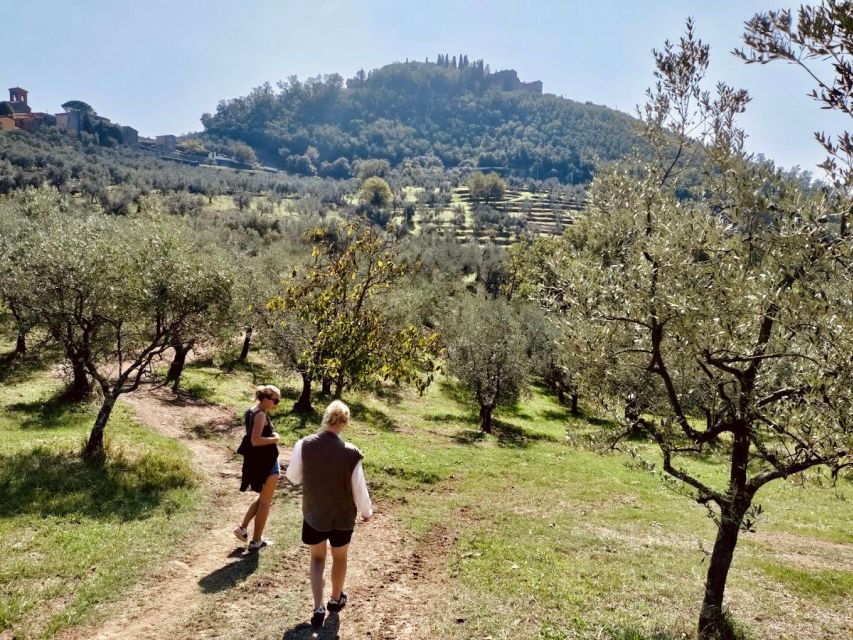
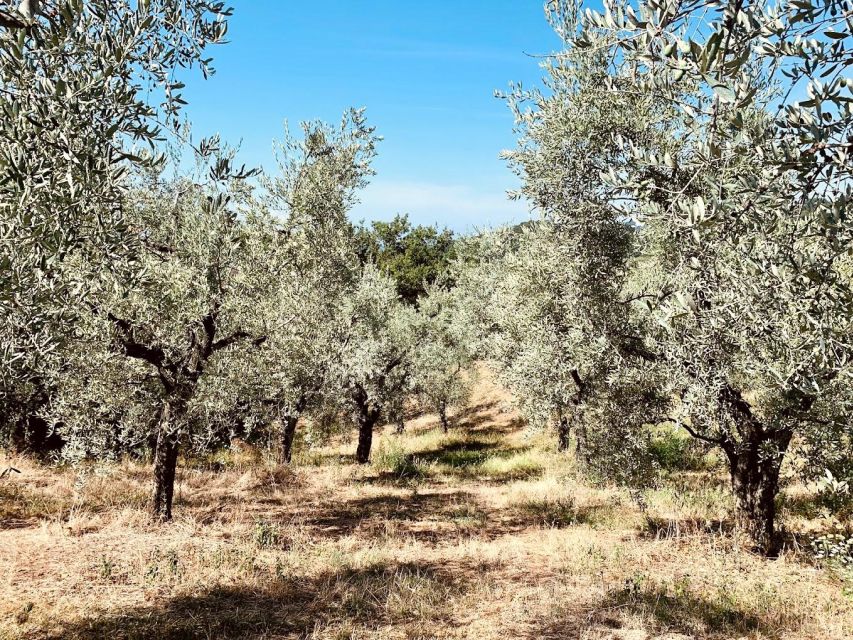
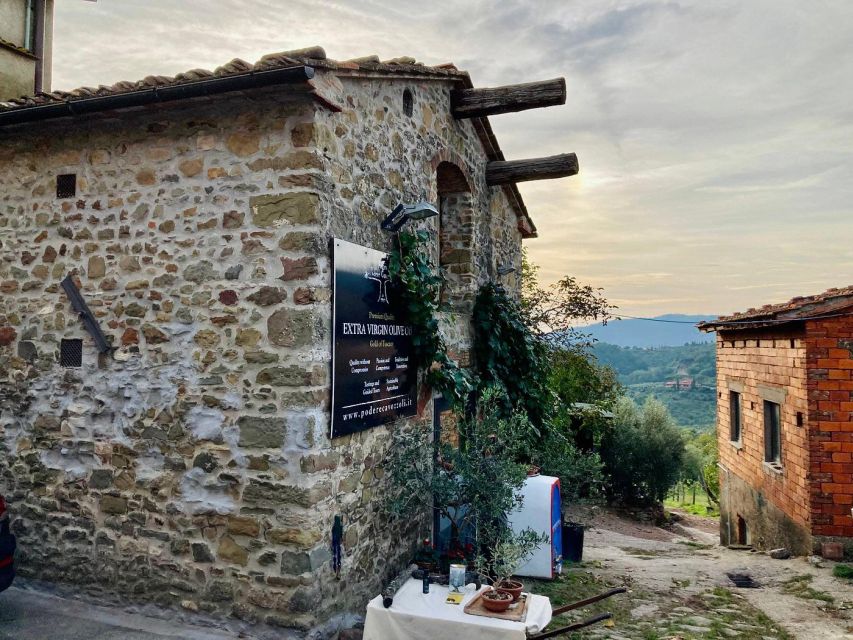
The farm sits uphill from Montecatini Terme, near the sign marked Olio Cavozzoli and in front of the Montecatini Alto road sign. The position gives the tour a strong opening: you are looking across the town from above while standing among the trees that supply the farm’s main product.
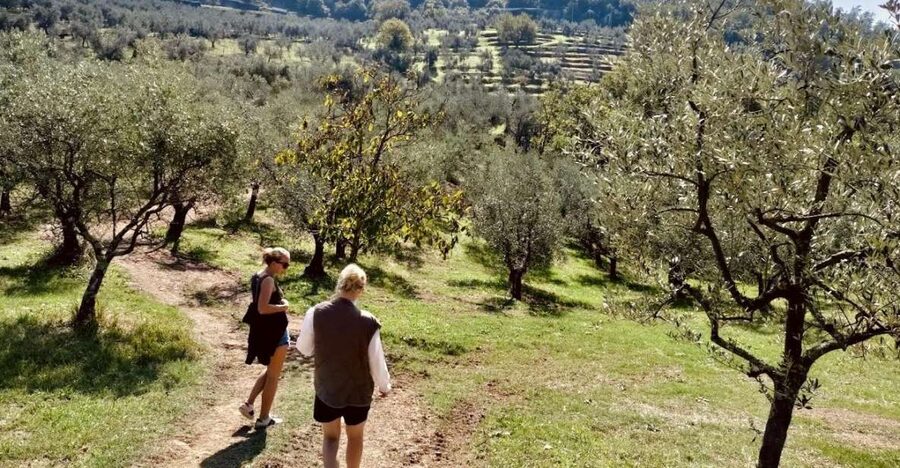
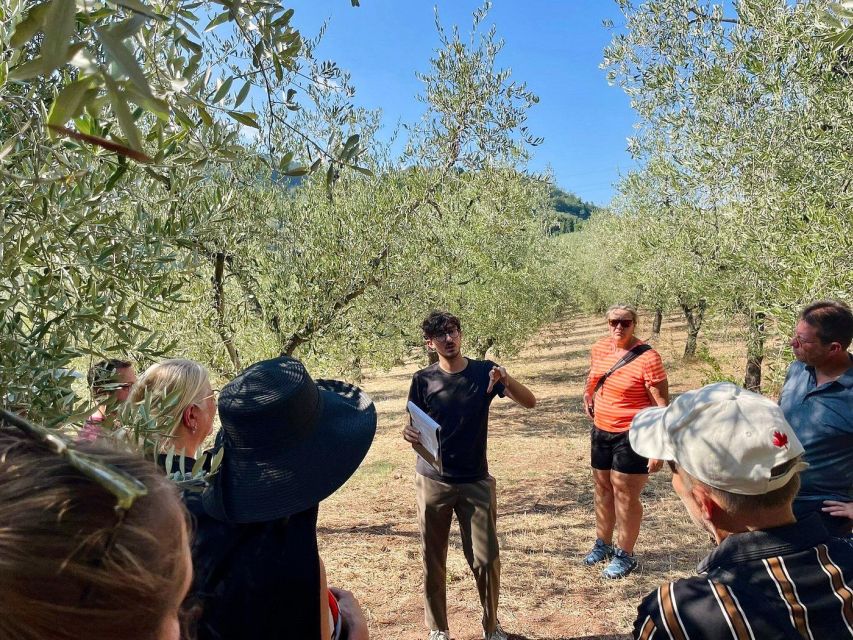
The setting is part of the lesson. Olive trees are not an abstract crop here. You can see the rows, the slope, and the work required to maintain them. Guides explain growing, pruning, harvesting, and the care needed to keep the trees productive under an organic method.
A September visit can offer a particularly clear sense of the agricultural year, while spring and other seasons show the groves at a different stage. The supplied tour information does not promise a particular harvest activity on every date, so you should book this for the farming explanation rather than expecting to take part in picking olives.
The views are one of the experience’s most praised features. They give you a reason to pause between explanations, camera in hand. Bring water and shoes suited to uneven outdoor ground. Closed-toe shoes are specifically advised, and comfortable footwear is more important than dressing up.
Learning what organic olive growing requires
The guide takes you through the work behind the bottle. You hear about pruning, tree maintenance, and harvest timing, along with the care required to produce high-quality oil through sustainable agriculture.
This is where the tour has more substance than a standard food stop. You learn that organic production is not simply a marketing label. It involves ongoing attention in the grove and a commitment to methods that support the farm’s wider approach to sustainability.
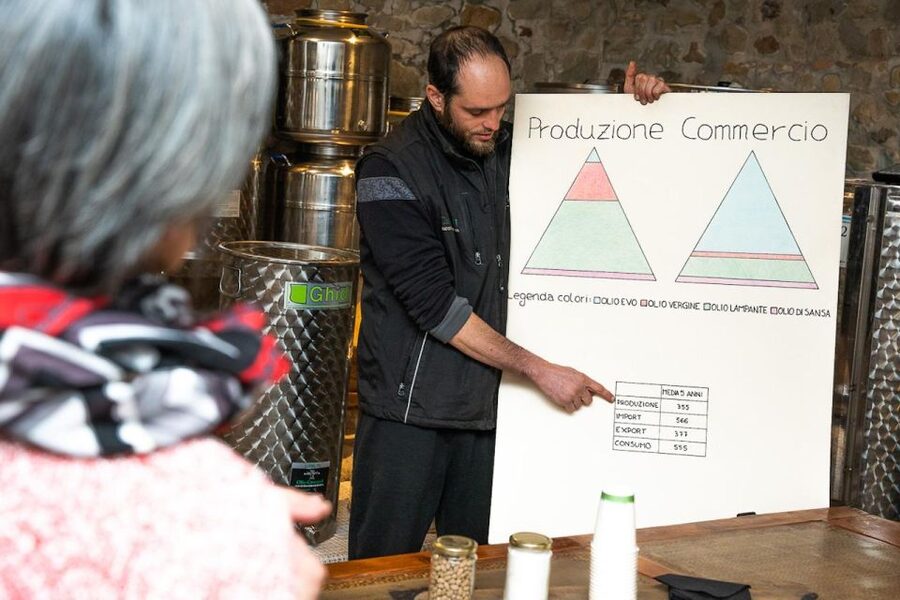
The guides can also adapt to the interests of the group. Lucca has handled groups of chefs and answered detailed technical questions while keeping the visit light. Nicholai has been praised for giving a thorough explanation of the trees, harvesting, and healthy production. If you like asking questions, this appears to be a good place to do it.
The experience works for beginners, too. You do not need to know the difference between extra virgin and ordinary olive oil before arriving. The guide builds the lesson from the basics, then gives you terms and observations you can use at the table or in a shop.
From the trees to the equipment and cellar
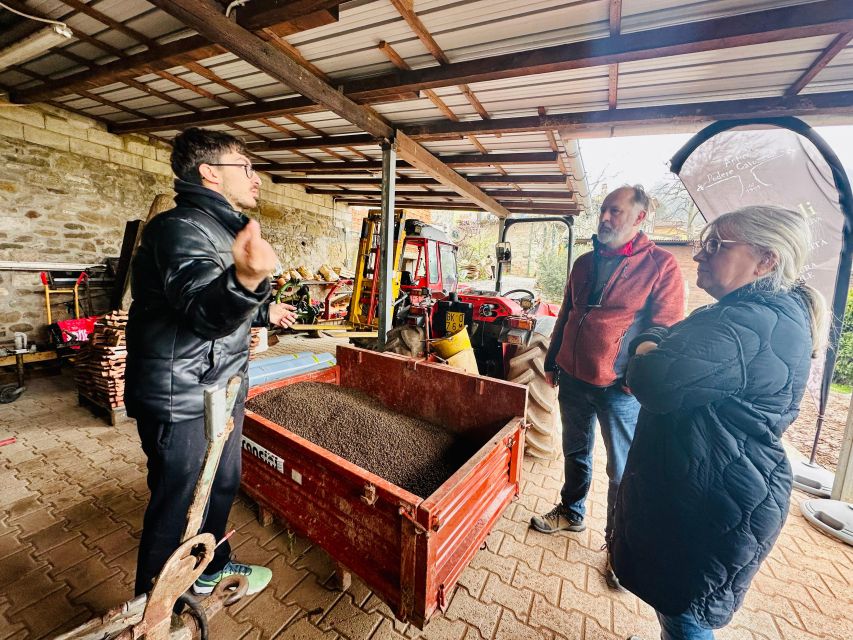
The tour continues beyond the grove to the equipment and cellar. This is an important part of the visit because it shows what happens after harvesting. You see the company’s production side and learn how milling technology affects the quality of the finished oil.
The aim is not to overwhelm you with machinery. Rather, the guide explains the work and care involved in turning olives into oil while preserving the qualities that make extra virgin oil valuable. The farm’s approach combines close attention from the family with modern milling methods.
The cellar provides another link in the process. Instead of tasting an anonymous product, you understand that the oil came from a specific farm with a defined growing method and production system. That traceability is useful when you return home and compare oils on a supermarket shelf.
The exact order of the farm stops can depend on conditions and the guide. A torrential rainstorm did not prevent one visit from going ahead, since the guide adjusted the plan and kept the group engaged. Still, weather can affect how much time you spend outdoors, so take a light rain layer if the forecast looks poor.
Same place, a different kind of soak:
- Rome: Opera Concert at Palazzo Poli – Fontana di Trevi
★ 4.7 · 1,026 reviews - Ischia: Giardini Poseidon Thermal Park Official Entry Ticket
★ 4.8 · 464 reviews - Merano: Terme Merano Pools Entry Ticket
★ 4.4 · 240 reviews - Chianciano Terme: Theia Thermal Pools Entrance Ticket
★ 4.4 · 185 reviews
The tasting: learning to judge olive oil
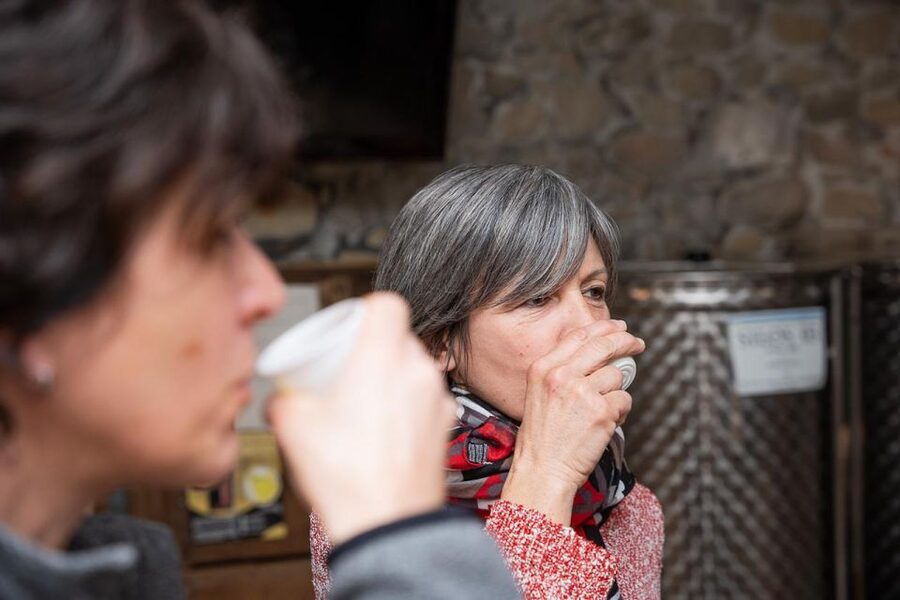
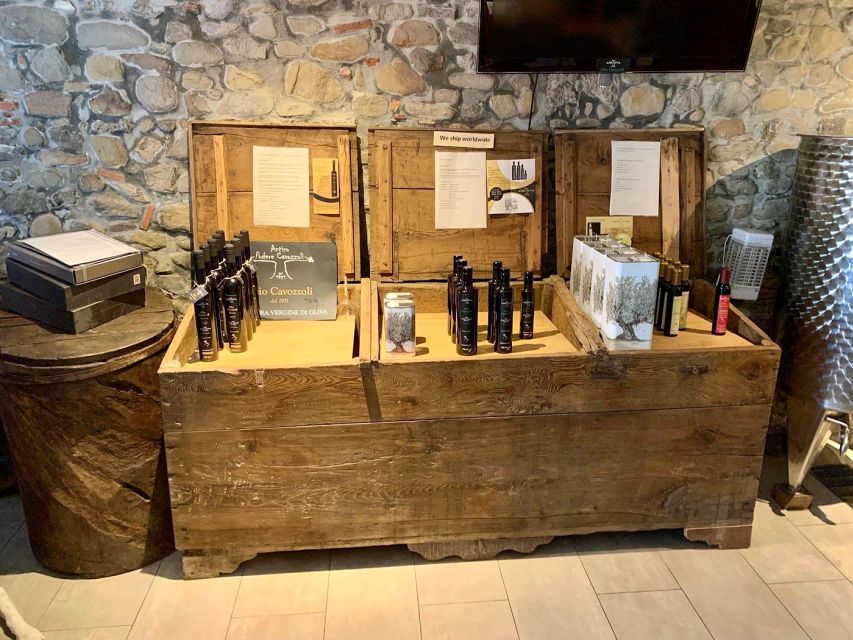
The tasting is the payoff, but it is not just a snack at the end. You taste the oils produced at Podere Cavozzoli and receive guidance on becoming a more aware consumer.
That distinction makes the $47 price easier to assess. You are paying for a two-hour guided visit, access to the farm, the production explanation, and the tasting. If you only want to buy a bottle, a shop will be cheaper and faster. If you want to understand why one oil costs more than another, the farm visit gives you more lasting value.
The tasting also lets you test the ideas introduced in the grove and production areas. After hearing about organic cultivation, harvest, and milling, you can consider how those choices show up in the oil itself.
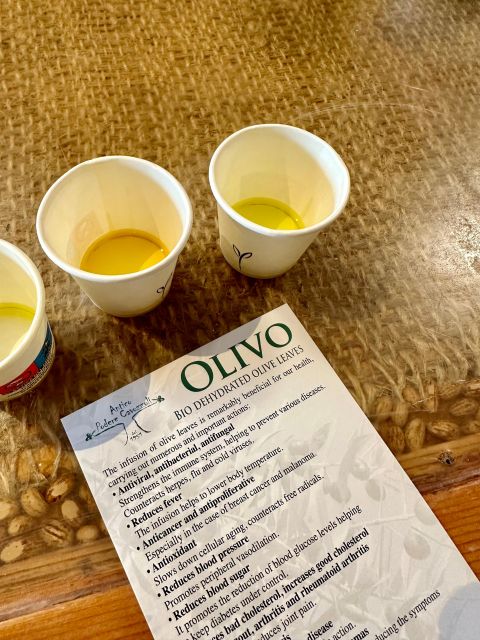
The selection includes organic oils produced by the farm. One visit also included olive tea, although that should be treated as a possible extra rather than a guaranteed part of every booking. The focus remains the oil tasting.
You should expect the tasting to be guided rather than a free pour with no explanation. The goal is to help you identify quality and make better choices. This is especially useful if you cook often, buy olive oil as a gift, or want to take home a product with a clear connection to its source.
Guides who make the technical side accessible
The experience depends heavily on the guide, and the named guides connected with the tour include Lucca and Nicholai, also written as Nickoli in one account. Both are described as friendly, clear, and able to explain the production process in detail.
Lucca seems particularly well suited to groups that enjoy questions. He has worked with chefs and handled technical discussion without turning the tour into a lecture. Nicholai has been praised for his thorough explanation of the oil-making process and the health-focused side of responsible production.
The owner, Jacko, may also be present, though his availability should not be assumed. Meeting the person behind a family business can add a personal touch, but the core experience does not depend on it.
The tours are available in English and Italian. If you book in English, you can expect the guide to explain the farming and oil-making process in that language, with room for questions. The light humor and flexible approach are useful when the weather changes or a group has a wide range of knowledge.
Getting there from Montecatini Terme
The practical weak spot is reaching the farm. By car, Podere Cavozzoli is accessible by following the address. At the meeting point, look for the Olio Cavozzoli sign near the Montecatini Alto road sign.
By train, arrive at Montecatini Terme station. From there, the farm information suggests a taxi rather than relying on the bus to the Montecatini Alto cemetery. The taxi ride takes about 10 minutes.
That extra ride affects the true cost and timing of the experience. A solo visitor should account for taxi expense, while a couple or small group can spread the fare. The uphill location is part of what provides the views, but it means this is not a simple walk from the station.
The activity is listed as wheelchair accessible. You should still confirm the current transport and access details when booking, especially if you need a taxi with particular equipment or have concerns about the outdoor sections.
Who will get the most from this two-hour tour
I would choose this for anyone who wants a food experience with real agricultural context. It suits cooks, food-focused visitors, couples, and families with older children who can manage a farm setting and a guided explanation.
It is also a good choice if you have already seen the major Tuscan towns and want a quieter activity near Montecatini Terme. You get a change from churches, piazzas, and museums without committing to a full day away from town.
Chefs and serious home cooks may appreciate it most. The guide can answer technical questions, and the tasting gives you a better basis for comparing oils later.
I would be more cautious if you dislike outdoor walking, have only a short stop in Montecatini, or want a highly active excursion. The tour is educational and measured. Its appeal comes from careful explanation, not speed or spectacle.
Price, timing, and what to bring
At $47 per person, the price is fair if you value the combination of a farm visit, guide, views, and tasting. It is not the cheapest way to sample olive oil, but it offers more than a retail tasting because you see the fields and production areas.
The two-hour duration is well judged. It is long enough to explain the work properly but short enough to fit around other Montecatini plans. Starting times vary, so check availability for your date.
Bring:
- Comfortable shoes
- Closed-toe shoes
- Water
- A light rain layer if the forecast is unsettled
The tour includes the guided visit, oil tasting, and entrance to Podere Cavozzoli. Italian and English are available. You can cancel up to 24 hours before the activity for a full refund, and the reserve-now, pay-later option can help if your schedule is still changing.
Should you book Podere Cavozzoli?
Book it if you want to understand Tuscan olive oil rather than simply taste it. The combination of organic farming, family care, modern milling, hillside views, and a guided tasting gives you a useful look at a real local product.
The strongest reasons to go are the farm access, the clear explanations from guides such as Lucca and Nicholai, and the chance to taste the oil after seeing how it is made. The main point to plan around is transportation, since the farm is uphill and a taxi is the sensible choice from Montecatini Terme station.
For a food-minded visit near Montecatini, this is a strong value. Just wear proper shoes, allow time for the ride, and arrive ready to ask questions.
FAQ
How long does the Montecatini olive grove tour last?
The tour lasts two hours, including the farm visit and oil tasting.
How much does the tour cost?
The listed price is $47 per person.
What does the activity include?
It includes the guided tour, the oil tasting, and entrance to Podere Cavozzoli.
Where is the meeting point?
Meet near the sign marked Olio Cavozzoli, located in front of the Montecatini Alto road sign.
How can I reach Podere Cavozzoli from the train station?
From Montecatini Terme station, you can take a taxi to Podere Cavozzoli. The ride takes about 10 minutes. The available information does not recommend relying on the bus.
Is the tour offered in English?
Yes. The tour is available in English and Italian.
Is the experience wheelchair accessible?
Yes, the activity is listed as wheelchair accessible.
Can I cancel my booking?
Yes. You can cancel up to 24 hours in advance for a full refund. The reserve-now, pay-later option is also available.
Just added around Italy
- Venice Airport (VCE) to Abano Terme – Round-Trip Private Transfer★ 5.0 · 2 reviews
- Saturnia Thermal & Wellness from Civitavecchia Port★ 5.0 · 8 reviews
- E-Bike Tour fortresses and mountains near the Free Baths of Saturnia★ 5.0 · 10 reviews
- Saturnia’s thermal waters a hike through history★ 5.0 · 2 reviews
- Bassano del Grappa Tour: from Padua and Abano/Montegrotto Terme★ 5.0 · 2 reviews
- Saturnia and Città del Tufo in E Bike★ 5.0 · 2 reviews
- Saturnia Thermal Spring Small Group Day Trip from Rome with Lunch★ 5.0 · 13 reviews
- Private Full-day Cascate del Mulino Hot Springs from Rome★ 5.0 · 31 reviews
Food & Drink, compared.
Zakopane, Thermal Springs, Cable Car, Local Tasting
Read our review →
Expert Aurora Hunt – Thermal Gear, Food, Campfire
Read our review →
Jakarta: Volcano, Tea/Rice Fields, Hot Spring, Local Food
Read our review →
ZAKOPANE & THERMAL SPRINGS, Funicular, Cheese Tasting
Read our review →
Budapest BeerSpa with Unlimited Beer and Optional Széchenyi Bath
Read our review →
Zakopane Cable Car, Spirits, Tasting & Thermal Baths
Read our review →
Zakopane Cable Car, Vodka, Tasting & Thermal Springs
Read our review →
Zakopane Tour, Hot Springs, Cable Car, Local Tasting
Read our review →Browse the lists this tour appears in