
REVIEW · ITALY
Chianciano Terme: Guided Winery Tour & Wine Tasting
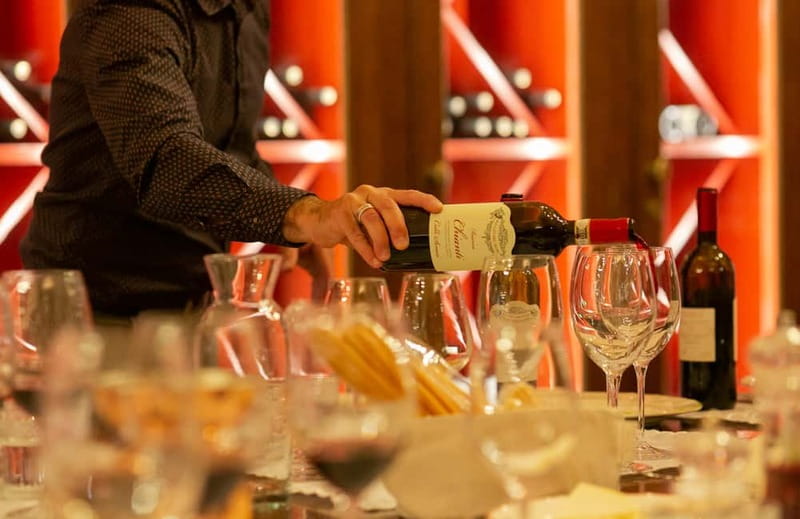
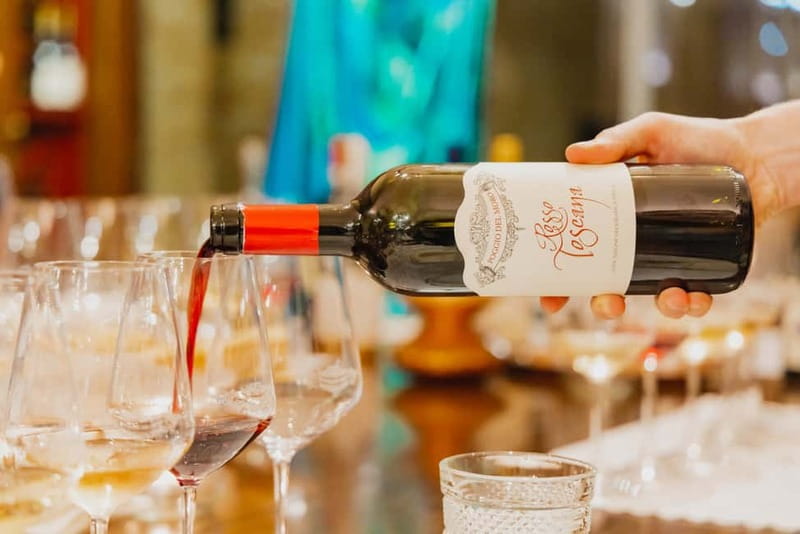
Poggio del Moro gives you a quick look at organic winemaking in the Val d’Orcia, with a tasting of three estate wines and snacks in a small wine bar. The visit moves through the winery, barrique cellar, vineyards, and olive press, so you see more than a bottle and a counter.
I like the organic and natural focus, and I like that the tasting includes the estate’s own extra virgin olive oil, bruschetta, breadsticks, and other farm products. The main drawback is the 30-minute length: this is a compact introduction, not a leisurely half-day winery visit.
Key points to know
- Three named wines: Taste IGT Bianco IVOLE, IGT Rosé GALIO, and DOCG Chianti NU from the Flower Power Line.
- A real working setting: The visit includes the winery, barrique cellar, vineyards, and olive press.
- Personal guidance: Tatiana, the owner, or an enologist leads the visit, depending on availability.
- Local food pairing: Expect Tuscan appetizers, bruschetta with Poggio del Moro olive oil, and breadsticks.
- Good short-stop value: At $29 per person, it fits neatly into a day exploring Chianciano Terme and Val d’Orcia.
- Easy for many visitors: The experience is wheelchair accessible, with guides in Italian, English, and Russian.
A short winery visit with a clear sense of place
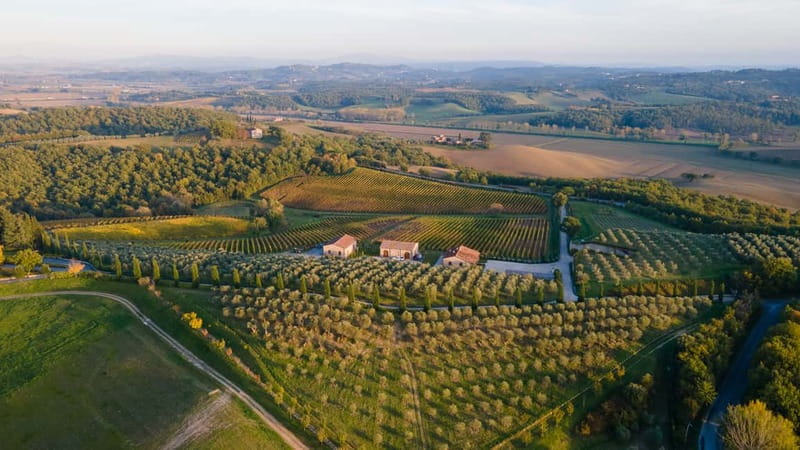
Poggio del Moro is a boutique winery in Chianciano Terme, set in the Tuscan countryside near the Val d’Orcia. The visit is built around a simple idea: show you how the estate works, then let you taste the results.
That makes the experience more useful than a tasting held in a generic shop. You see the winery and barrique cellar, then connect those spaces with the wine in your glass. The vineyards and olive press add another layer, since Poggio del Moro produces more than wine.
You should set your expectations carefully. The activity lasts 30 minutes, so the tour cannot cover every stage of production in detail. Think of it as a focused introduction, with enough sightseeing and tasting to give you a feel for the estate.
I would place it between a quick tasting and a full winery tour. It gives you a genuine local setting and direct contact with the people who make the products, but it does not take up an entire morning or afternoon.
A few more hot spring trips around Italy worth a look
- From Montecatini Terme: Wine Experience in Tuscan Farm
★ 4.8 · 120 reviews - Siena, San Gimignano and Chianti Wine Small Group from Montecatini Terme
★ 4.5 · 52 reviews - Chianti Wine and Vinci half day Small Group Tour from Montecatini Terme
★ 5.0 · 30 reviews
Entering Poggio del Moro in Chianciano Terme
The visit takes place at Poggio del Moro, a boutique estate surrounded by the Val d’Orcia countryside. The setting is part of the appeal. You are not simply sampling Tuscan wine in an urban bar. You are visiting the place where the wine and olive oil are produced.
The estate works with organic and natural wines. That detail matters if you want to understand what you are tasting rather than simply collecting a few glasses of local wine. Your guide can connect the bottles to the winery’s approach and production spaces.
The exact guide depends on the day. Tatiana, the owner, may lead the visit, or you may be shown around by the estate’s enologist. That is a useful distinction. An owner can give you the personal story of the business, while an enologist may offer a more technical view of the wines.
The strongest feedback about the visit centers on friendly service and personal attention. The tasting can also be flexible. If the winemaker is your guide, you may be offered different wines that he wants to present, rather than following a rigid script from start to finish.
The winery and barrique cellar
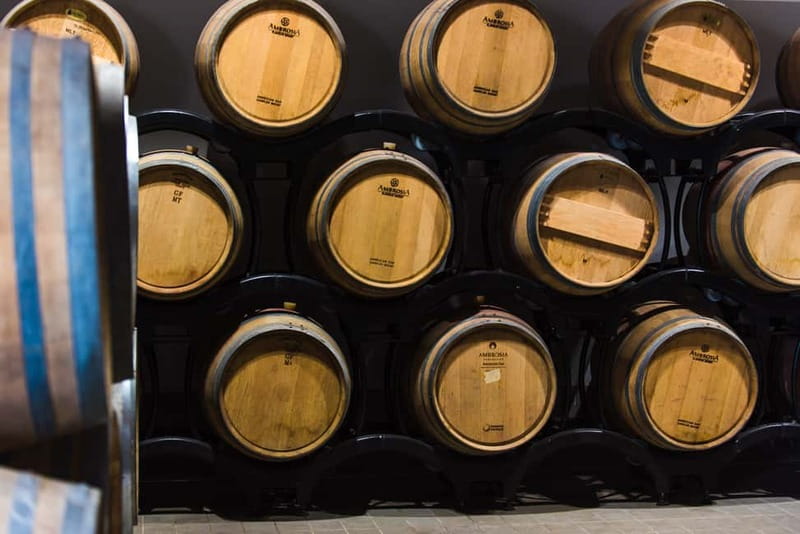
The tour includes Poggio del Moro’s winery and barrique cellar. These are brief stops, but they help explain the work behind the bottles.
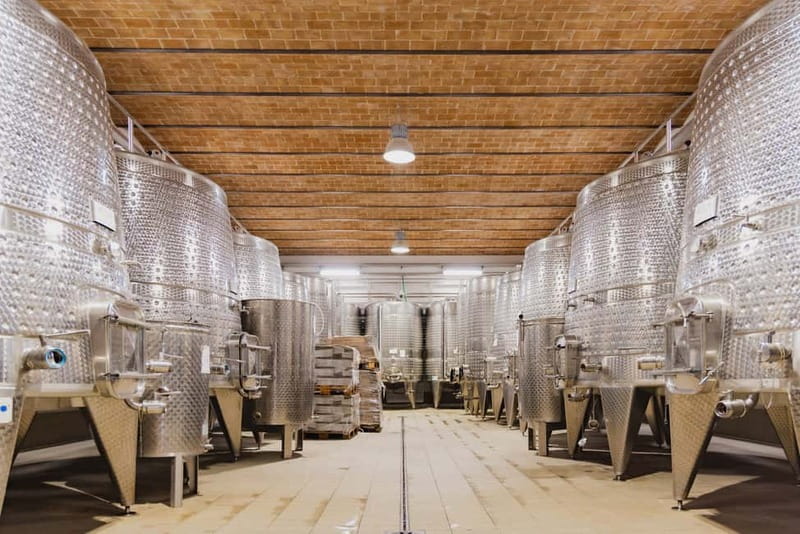
The winery gives you the production side of the estate. The barrique cellar points to the role of aging and storage in the final character of wine. You should not expect a long technical lecture during a half-hour activity, but you will get a physical sense of where the wine is handled and kept.
I like this part because it gives the tasting some context. A wine can seem abstract when you only hear its name and read a label. Seeing the working areas makes the later tasting more grounded.
The pace is likely to be brisk. You will want comfortable shoes, which are specifically recommended. That is practical advice for moving around a winery and outdoor estate areas, even though the experience is short.
Seeing the vineyards and olive press
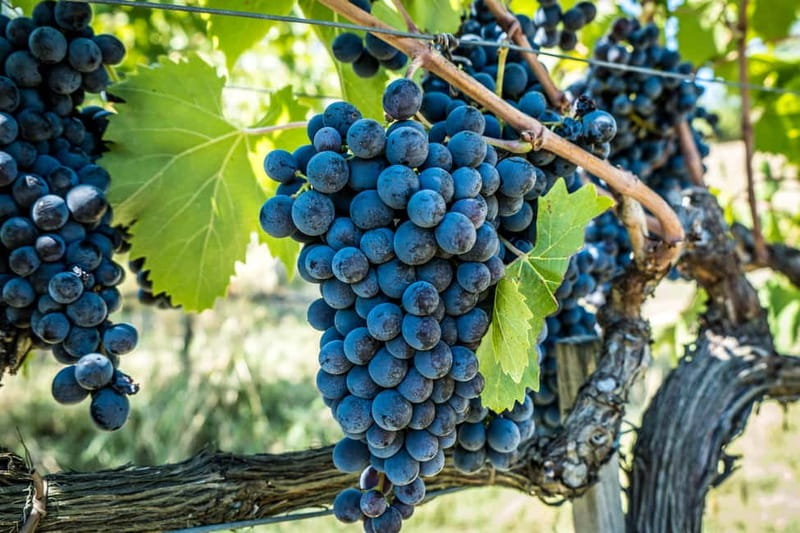
The highlights include the vineyards and the estate’s olive press. These stops broaden the visit beyond wine and show how Poggio del Moro uses its land.
The vineyard visit is especially useful for first-time wine visitors. You do not need to know grape varieties or winemaking terms to understand that the bottle begins here. The olive press is also a nice touch, since the tasting includes the estate’s extra virgin olive oil.
This combination gives the experience a distinctly Tuscan character. Wine is the main subject, but olive oil, bread, and bruschetta make the visit feel connected to everyday food traditions.
The supplied details do not specify how much time you spend at each outdoor stop, so you should not plan on a long vineyard walk. The 30-minute duration suggests a short look rather than an extended countryside stroll.
Same place, a different kind of soak:
- Rome: Opera Concert at Palazzo Poli – Fontana di Trevi
★ 4.7 · 1,026 reviews - Ischia: Giardini Poseidon Thermal Park Official Entry Ticket
★ 4.8 · 464 reviews - Merano: Terme Merano Pools Entry Ticket
★ 4.4 · 240 reviews - Chianciano Terme: Theia Thermal Pools Entrance Ticket
★ 4.4 · 185 reviews
Tasting IVOLE, GALIO, and NU
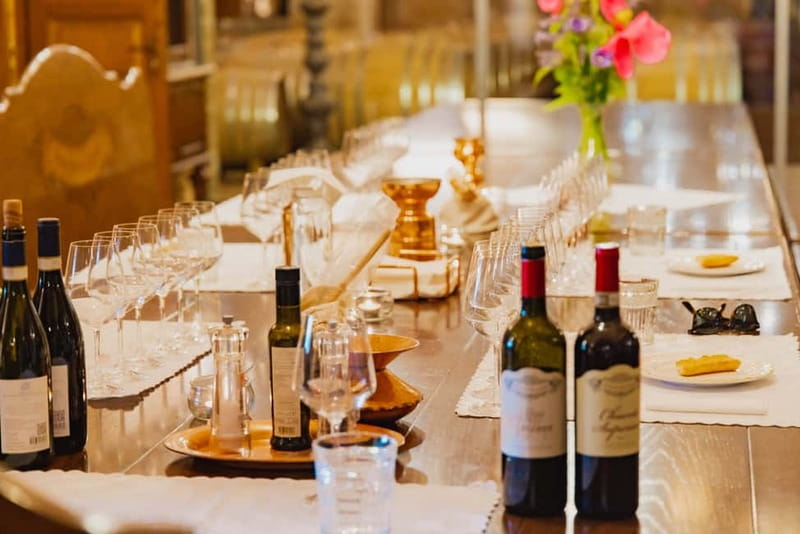
The tasting features three wines from Poggio del Moro’s Flower Power Line:
- IGT Bianco IVOLE
- IGT Rosé GALIO
- DOCG Chianti NU
The selection gives you three different styles in one sitting. IVOLE is the white, GALIO is the rosé, and NU is the Chianti. That range lets you compare the estate’s approach across lighter and fuller expressions.
NU carries the DOCG Chianti designation, which places it within one of Tuscany’s best-known wine categories. IVOLE and GALIO are labeled IGT, a broader classification that can allow the winemaker more freedom in the blend or production style. You do not need to memorize those classifications, but they help explain why the three bottles may feel quite different.
Your guide should provide the tasting context, though the exact depth will depend on whether Tatiana or the enologist leads the session. If you are interested in organic production or natural wine, use the short visit to ask focused questions about the wines in front of you.
One useful detail comes from the personal style of the tasting. The winemaker may show you additional wines or make choices based on what he wants to share. That can be a plus if you prefer a human conversation to a fixed tasting formula. It can also mean the exact presentation may vary from one visit to another.
Tuscan snacks and estate olive oil
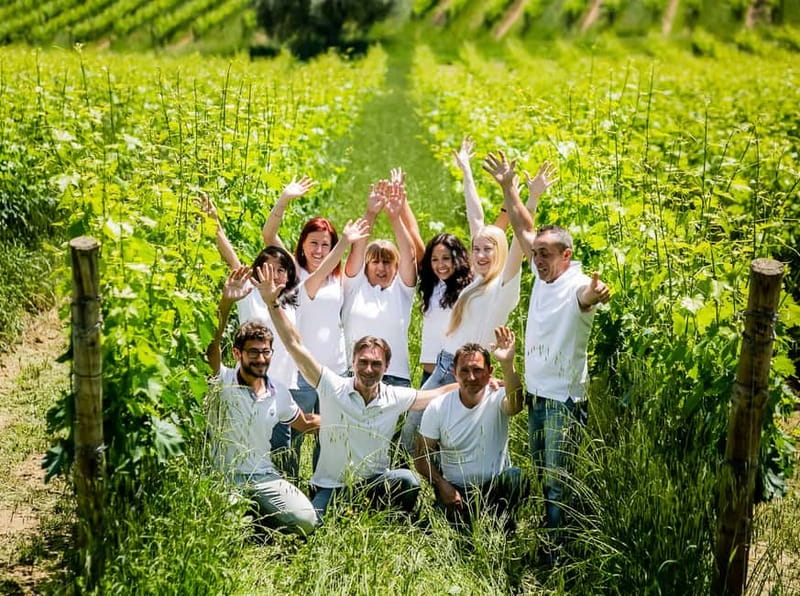
The tasting is served with Tuscan appetizers, bruschetta, breadsticks, and Poggio del Moro extra virgin olive oil. This is more than a decorative plate. Food changes how you perceive wine, especially when you taste the same wine before and after a bite of bread or bruschetta.
The estate olive oil is a particularly good match for the setting. You can taste a product made at the same place as the wine, then buy it from the shop if you like it. Jams and honey are also available for purchase, along with the estate wines.
The food offering is light. It should take the edge off a tasting, but it is not a replacement for lunch. If you schedule this visit around a meal, plan to eat separately.
I like the way the snacks keep the tasting local without making it fussy. Tuscan food often works best when it is direct: bread, oil, and a few simple accompaniments. Here, the food supports the wine and gives you another reason to pay attention to the estate’s products.
Is $29 a fair price?
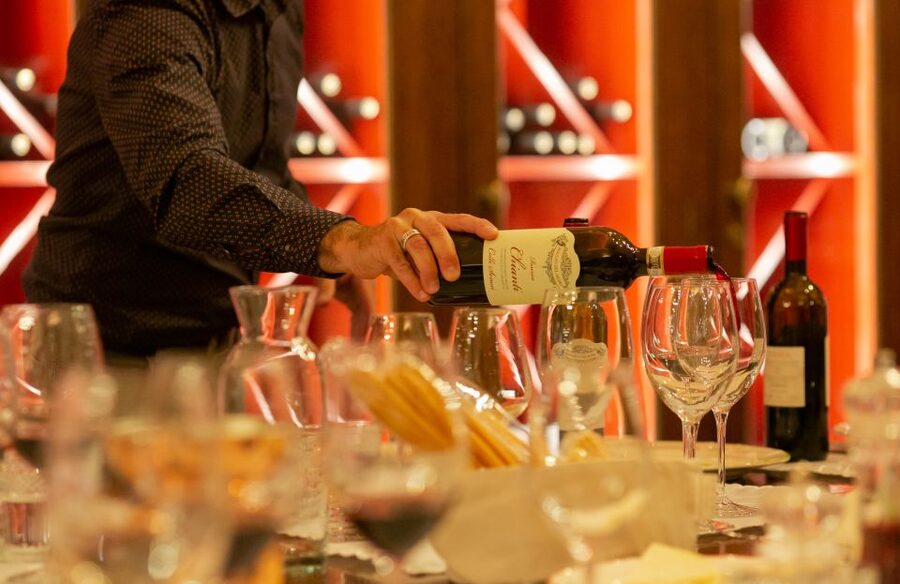
At $29 per person, this experience offers reasonable value if you want a short introduction to a Tuscan winery. The price includes the guided tour, the winery and barrique cellar visit, three wines, and the accompanying food.
The value depends mainly on your schedule. If you have only a small gap between sightseeing stops, the 30-minute format is useful. You can visit a working boutique estate without giving up half a day.
If you are seeking a long, detailed wine education, $29 will not buy that here because the activity is too brief. You are paying for a compact visit, not a full production tour, cooking class, or extended meal.
I would consider the price strongest for people already visiting Chianciano Terme or the Val d’Orcia. You do not need to build an entire day around it. Add it to a countryside itinerary, then continue to another town, meal, or scenic stop.
The chance to taste organic and natural wines while meeting the owner or enologist improves the value. You are paying for access to a real estate and a guided introduction, not just three pours.
Who will enjoy this most?

This visit suits you if you want a small-scale winery experience with a local feel. It works particularly well for couples, solo visitors, and small groups who prefer a brief stop to a formal all-day tour.
It is also a good pick if you are curious about organic and natural wines. The winery’s identity is built around those methods, so the subject is central rather than an afterthought.
Food-minded visitors should enjoy the olive oil, bruschetta, jams, and honey available at the shop. You can turn the tasting into a chance to choose edible souvenirs from the estate.
The experience may be less satisfying if you want a long vineyard walk or a large meal. The supplied information does not promise a full lunch, extensive outdoor touring, or a lengthy technical presentation.
Wheelchair users can consider this activity because it is listed as wheelchair accessible. Comfortable shoes are still recommended, and the visit includes winery and estate areas rather than only a shop counter.
Languages, timing, and practical planning
The host or greeter may speak Italian, English, or Russian. That gives you a useful choice of language, though the exact person leading your visit can vary.
The duration is fixed at 30 minutes, but starting times depend on availability. Check the schedule before planning your route through Chianciano Terme.
You can cancel up to 24 hours in advance for a full refund. The reserve-now-and-pay-later option also lets you hold a place without paying at the time of booking, which is useful when your Tuscan route is still changing.
Wear comfortable shoes. That is the only specific item you are asked to bring, and it makes sense for a visit that includes the winery, cellar, vineyards, and olive press.
Allow yourself enough time to browse the Poggio del Moro shop after the tasting. The estate sells wine, extra virgin olive oil, jams, and honey. The shop is a practical reason to carry a little room in your luggage, especially if you like taking home food products from places you have visited.
My take on the short format
The best feature here is the balance between a real estate visit and a quick tasting. You see several parts of Poggio del Moro, taste three wines, and try products made at the property, all without committing most of your day.
The limitation is just as clear. Thirty minutes passes quickly. If you want detailed explanations of organic farming, cellar work, aging, and regional wine laws, you may need to ask direct questions and keep the visit focused.
I also appreciate that the experience can feel personal. Tatiana or the enologist leads the visit, and the winemaker may choose to show wines beyond the standard three. That flexibility adds character, though it means the exact conversation will not be identical every time.
Should you book Poggio del Moro?
Book it if you want a convenient, good-value taste of Tuscan wine in an authentic estate setting. The combination of organic wines, three named tastings, estate olive oil, simple Tuscan snacks, and access to the winery makes $29 a sensible price for a short stop.
Skip it if your priority is a long vineyard tour, a full meal, or a serious multi-hour wine course. For everyone else, especially visitors already exploring Chianciano Terme and the Val d’Orcia, Poggio del Moro offers a pleasant way to connect local scenery, wine, and food without overloading your day.
FAQ
How long does the Poggio del Moro winery experience last?
The guided winery tour and tasting last 30 minutes.
How much does the experience cost?
The price is $29 per person.
Which wines are included in the tasting?
You taste three Poggio del Moro wines from the Flower Power Line: IGT Bianco IVOLE, IGT Rosé GALIO, and DOCG Chianti NU.
What food is served with the wine?
The tasting includes Tuscan appetizers, bruschetta with Poggio del Moro extra virgin olive oil, and breadsticks.
Who leads the winery visit?
Tatiana, the owner of Poggio del Moro, or the estate’s enologist leads the visit.
What languages are available?
The host or greeter may speak Italian, English, or Russian.
Is the activity wheelchair accessible?
Yes, the experience is listed as wheelchair accessible.
What should I bring?
Comfortable shoes are recommended.
Can I cancel or pay later?
You can cancel up to 24 hours in advance for a full refund. You can also reserve your place and pay later, keeping your travel plans flexible.
Just added around Italy
- Venice Airport (VCE) to Abano Terme – Round-Trip Private Transfer★ 5.0 · 2 reviews
- Saturnia Thermal & Wellness from Civitavecchia Port★ 5.0 · 8 reviews
- E-Bike Tour fortresses and mountains near the Free Baths of Saturnia★ 5.0 · 10 reviews
- Saturnia’s thermal waters a hike through history★ 5.0 · 2 reviews
- Bassano del Grappa Tour: from Padua and Abano/Montegrotto Terme★ 5.0 · 2 reviews
- Saturnia and Città del Tufo in E Bike★ 5.0 · 2 reviews
- Saturnia Thermal Spring Small Group Day Trip from Rome with Lunch★ 5.0 · 13 reviews
- Private Full-day Cascate del Mulino Hot Springs from Rome★ 5.0 · 31 reviews
Food & Drink, compared.
Zakopane, Thermal Springs, Cable Car, Local Tasting
Read our review →
Expert Aurora Hunt – Thermal Gear, Food, Campfire
Read our review →
Jakarta: Volcano, Tea/Rice Fields, Hot Spring, Local Food
Read our review →
ZAKOPANE & THERMAL SPRINGS, Funicular, Cheese Tasting
Read our review →
Budapest BeerSpa with Unlimited Beer and Optional Széchenyi Bath
Read our review →
Zakopane Cable Car, Spirits, Tasting & Thermal Baths
Read our review →
Zakopane Cable Car, Vodka, Tasting & Thermal Springs
Read our review →
Zakopane Tour, Hot Springs, Cable Car, Local Tasting
Read our review →Browse the lists this tour appears in