
REVIEW · ROTORUA
Rotorua: Marama Geyser Light Trail & Geothermal Experience
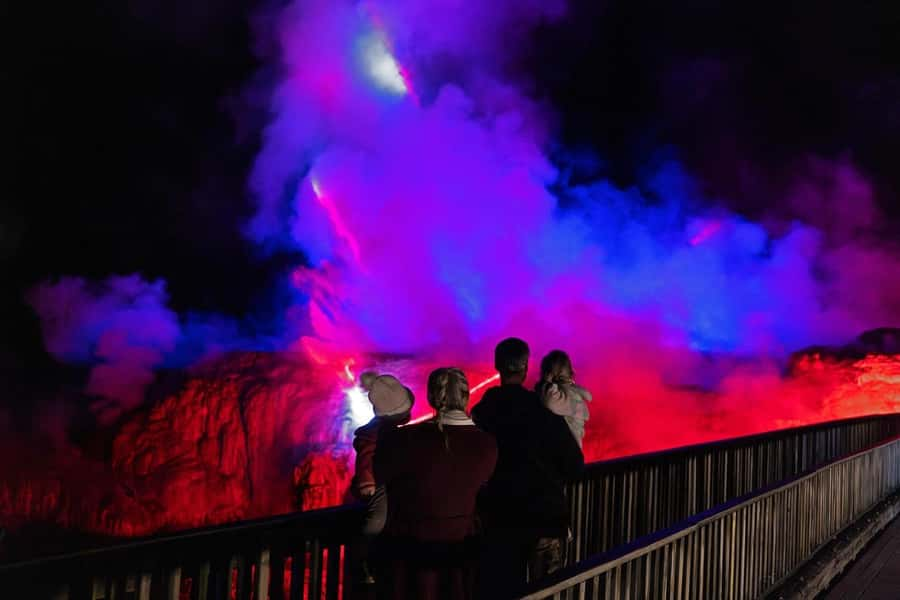
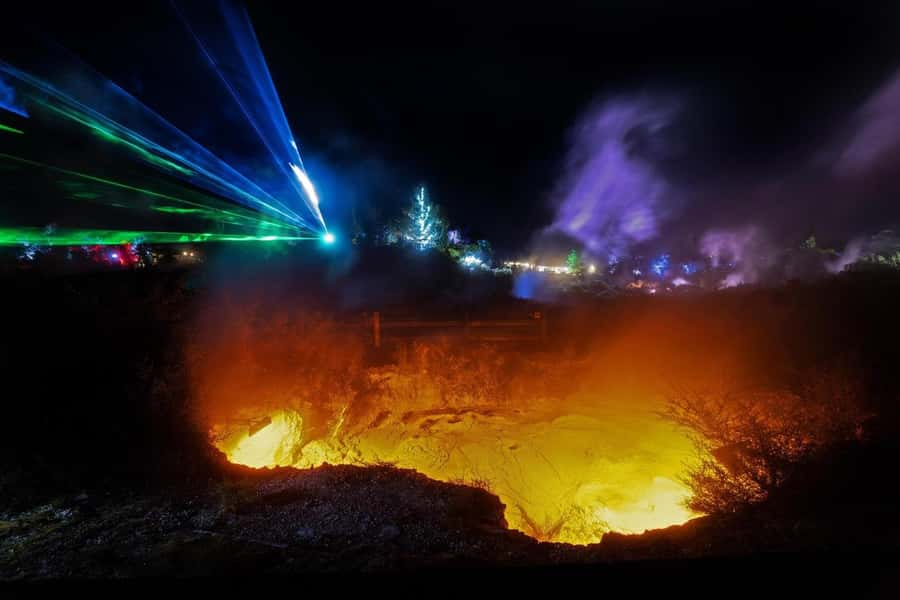
Te Puia’s Marama Geyser Light Trail turns a geothermal valley into an outdoor night show. Pōhutu Geyser glowing after dark is the main prize, but the walk also uses sound, storytelling, and ten light scenes to give the familiar valley a fresh mood. The trail begins in a festival-like setting and ends at Pikirangi Village beneath the glow of Mārama, the moon.
I like two things here. First, you explore at your own pace rather than being locked into a tightly timed stage show. Second, Maisey Rika’s music gives the walk a strong local voice, while the geothermal features remain the focus. The main drawback is that some lighting effects may feel intense, and the unpaved 1.5km route is not suitable for people with mobility impairments.
Key points to know before you go
- Pōhutu Geyser after dark: The geothermal valley takes on a very different character when its steam and water are picked out by colored light.
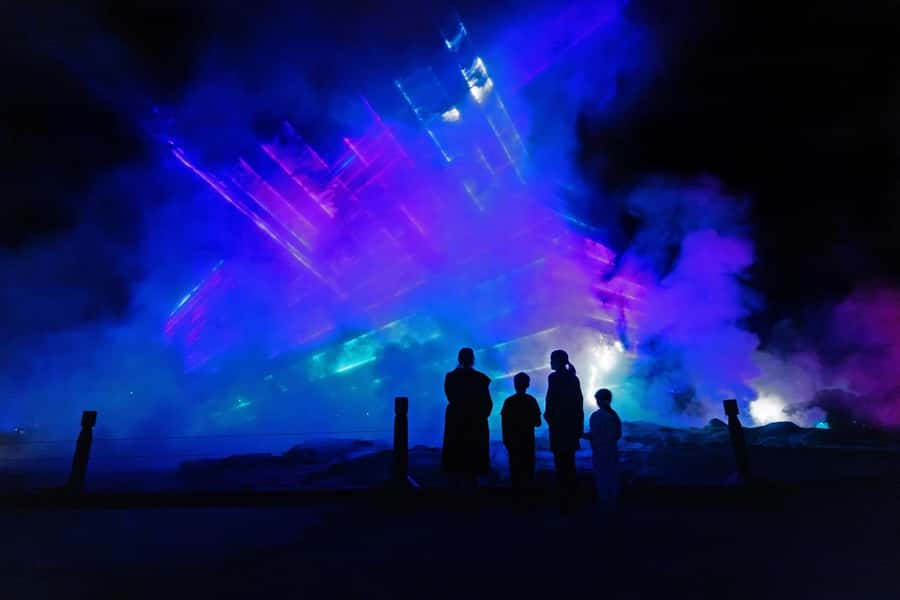
- Ten distinct light scenes: The route changes as you move from the entrance through interactive artworks and into the valley.
- Maisey Rika provides the soundtrack: Her music follows you along the trail and adds a distinctly New Zealand feel.
- A 1.5km outdoor walk: Allow about 60 minutes for the path, or closer to 90 minutes for the full evening experience.
- A pause at the Terrace: You can buy a sweet treat or drink while looking toward Pōhutu Geyser.
- Wednesday to Sunday only: Gates remain open for four hours each evening, with final entry one hour before closing.
Why Marama works best as a night-time visit
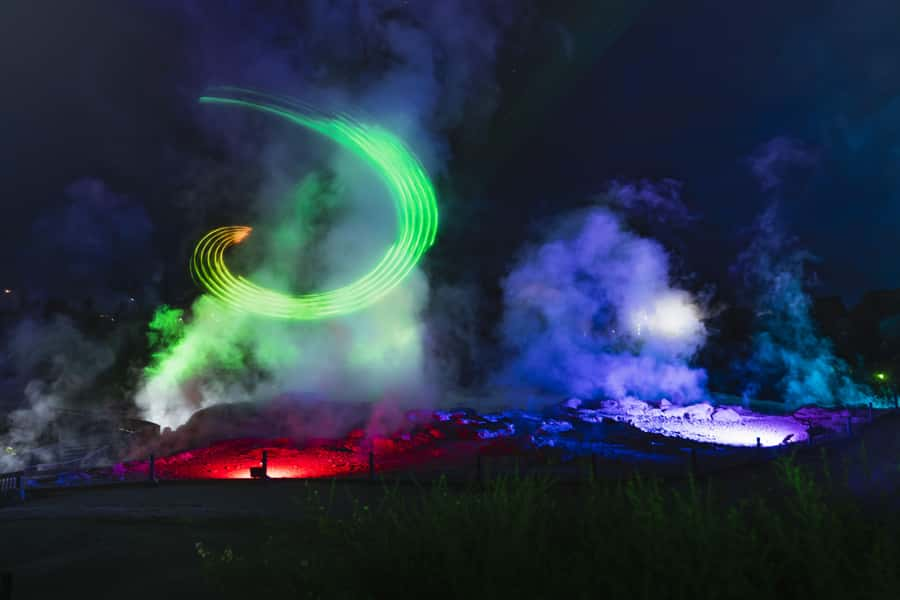
Rotorua is famous for bubbling mud, steaming ground, and erupting geysers. In daylight, those features are easy to read as natural attractions. After dark, the mood changes. Light directs your attention, shadows hide parts of the valley, and steam becomes part of the show rather than just a sign of geothermal activity.
Marama is not simply a colored path through Te Puia. It is a hosted outdoor walk that combines lighting, sound, art, and interpretation. You move through scenes rather than stopping at one large performance area. That makes the evening feel more like a slow journey than a conventional light show.
The experience also keeps the natural setting at its center. The lights bring attention to paths, geysers, and the valley, but you are still walking through a real geothermal area. That balance matters. If you want a full theatrical production with seats and a fixed start, this may feel too loose. If you like moving at your own speed and seeing a familiar place presented differently, the format makes good sense.
A few more hot spring trips around Rotorua worth a look
- Rotorua: Wai-O-Tapu Geothermal Park Entry Ticket
★ 4.6 · 2,601 reviews - Rotorua Forest Hot Tub Soak at Secret Spot
★ 5.0 · 556 reviews - Wai-O-Tapu Thermal Wonderland, Rotorua, New Zealand
★ 4.5 · 379 reviews
Starting at Te Puia’s main entrance
You meet at Te Puia’s main entrance at carpark 1, on Hemo Road in Whakarewarewa, about 2.5 kilometers south of Rotorua. The entrance setting is designed to signal that this is an evening event, with lights and sound creating a festival-like beginning before the trail heads farther into the valley.
English is the language used for hosting and guidance. You should expect staff or guides positioned along the route to help explain what you are seeing. That is useful because lighting can make geothermal features look dramatic while also making their scale and location harder to judge.
The opening section is a good place to settle into the pace. You can take photographs here, but the darker sections later are where a camera may struggle. Bring one if you like taking pictures, but do not expect your phone to capture the same effect you see in person. The changing light, steam, and distance from the geyser are part of the appeal, and photographs may flatten all three.
Following Maisey Rika’s music through the valley
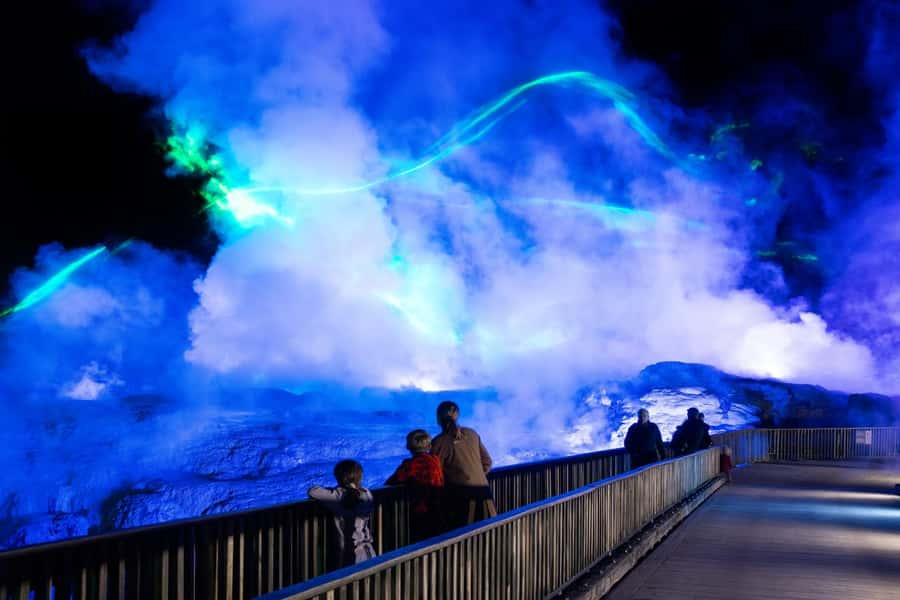
Maisey Rika’s music runs through the experience and gives the walk an emotional thread. Rather than treating the sound as background noise, Marama uses it to guide you from one scene to the next. That helps the route feel connected, especially when several light installations are spread across the valley.
The music is also one of the more distinctive parts of the evening. The lighting could otherwise feel like a general-purpose illumination event that might be staged anywhere. A local artist’s work ties the sound to Aotearoa and gives the walk more character.
You will encounter interactive artworks and light scenes along the way. The supplied information does not describe each installation in detail, so you should not arrive expecting a specific game, puzzle, or hands-on activity at every stop. The experience is primarily a visual and musical walk. If you want more participation, you might find parts of it a little restrained. One recent visitor hoped for more games and chances to play with the lights.
That is a fair point, but it also explains the appeal. Marama is designed to be watched, heard, and explored at your own speed. You are not required to solve anything or keep up with a group.
Ten scenes between darkness and light
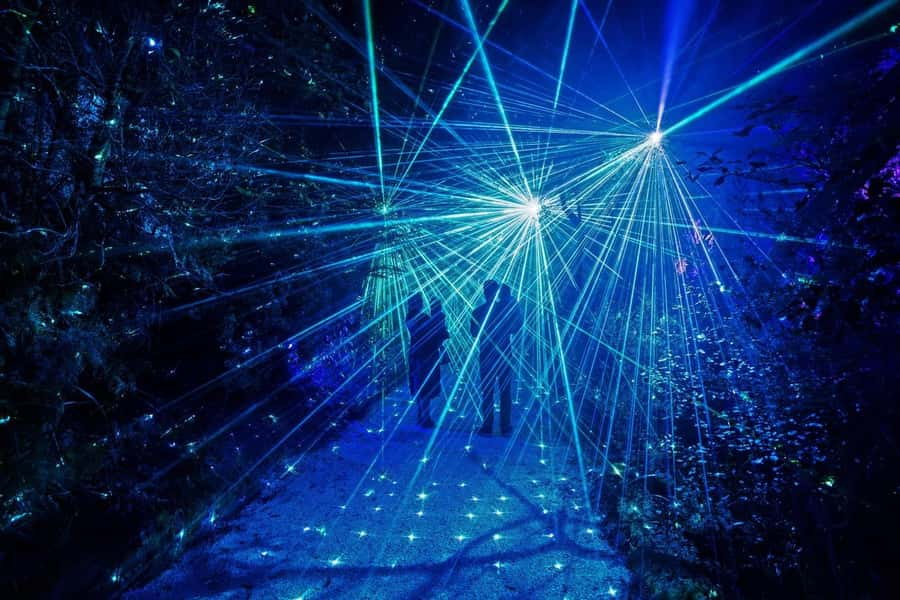
The central route takes you from darker sections into a series of ten illuminated scenes. Each one brings a different part of the setting into view. You may find that the most effective moments are not the brightest ones. A narrow path, a burst of color through steam, or a sudden view across the valley can work better than a large display.
The progression from darkness to light gives the walk a simple structure. You begin with less information and gradually see more of the geothermal surroundings. That approach makes the natural features feel newly discovered, even if you have already visited Te Puia during the day.
You will want to keep your pace flexible. The track is approximately 1.5 kilometers, and the basic walk takes around 60 minutes. The wider evening visit is described as approximately 90 minutes, which allows time for pauses, photographs, the Terrace stop, and the final section at Pikirangi Village.
The path is unpaved. Comfortable shoes are important, particularly if wet weather has affected the ground. The route is not suitable for wheelchairs or people with mobility impairments, so check that limitation carefully before booking.
Same place, a different kind of soak:
- Rotorua: Hell’s Gate Outdoor Mud Spa & Guided Walk
★ 4.7 · 1,140 reviews - Polynesian Spa Rotorua: Deluxe Lake Spa Hot Spring Bathing
★ 4.5 · 358 reviews - Rotorua: Secret Spot Hot Tubs
★ 4.8 · 326 reviews - From Rotorua: Wai O Tapu & Waimangu Eco Thermal Morning Tour
★ 4.8 · 320 reviews
The Terrace and the view of Pōhutu Geyser
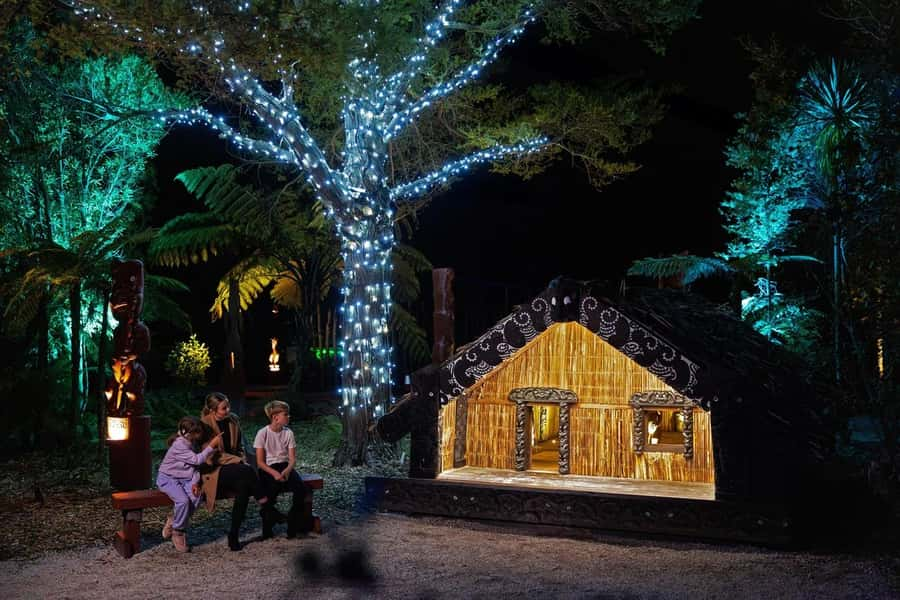
The Terrace provides a natural pause in the route. Food is not included, but you can purchase a sweet treat or drink here. That small break gives you time to step out of the flow of the light scenes and look toward Pōhutu Geyser.
This is likely to be one of the most memorable points of the evening. Pōhutu is already a major feature of Te Puia, but colored light and darkness change how you read the geyser. Steam becomes more visible, the surrounding valley recedes, and the water appears to have a stronger visual presence.
Do not treat the Terrace as a full meal stop. The information provided only promises snacks and drinks for purchase, not dinner. If you need a substantial meal, plan that separately before or after the experience.
The Terrace is also a sensible place to slow down. The route is short, but rushing from one installation to another would undercut the reason to come at night. Give yourself time to watch the geyser rather than taking one photograph and moving on.
Ending beneath Mārama at Pikirangi Village
The trail finishes at Pikirangi Village, a traditional setting used for the farewell. The final passage beneath Mārama, the moon, gives the event a clear ending rather than simply returning you to the entrance after the last light installation.
This closing moment helps connect the spectacle to place. The evening is not only about colored lights on geothermal features. It finishes with a reference to Māori cultural setting and the night sky, which gives the route a stronger sense of purpose.
You should expect the experience to remain outdoors from start to finish. Rotorua evenings can be cool, so bring weather-appropriate clothing. A warm layer is a practical choice even if the afternoon has been mild.
What the $29 price buys you
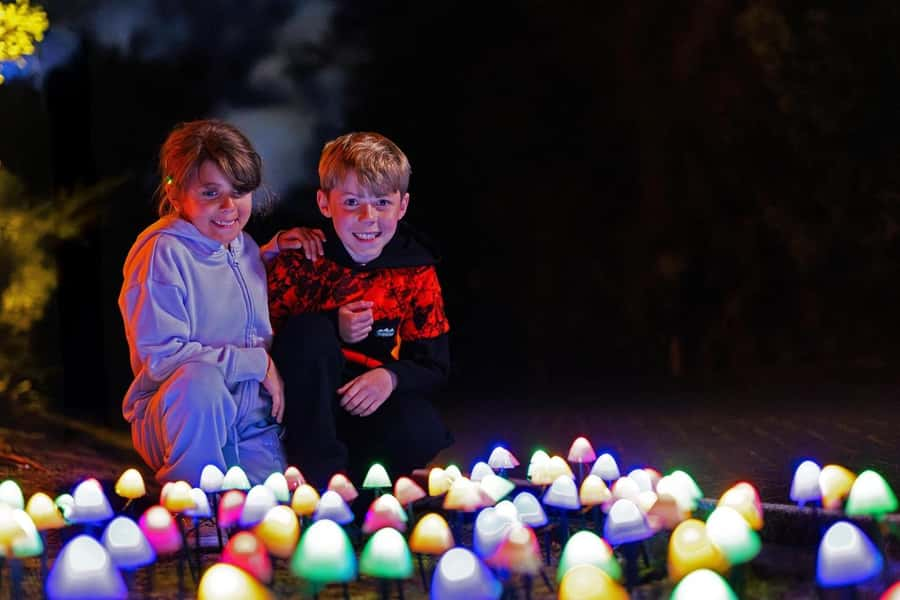
At $29 per person, Marama is reasonably priced for a hosted evening activity, especially if you want a short, easy-to-fit addition to a Rotorua itinerary. The fee covers the lighting experience, the outdoor walk, and Maisey Rika’s sound component. It does not cover food or drinks at the Terrace.
The value depends on what kind of evening you want. You are paying for atmosphere and presentation, not for a long guided tour packed with facts. The track is only 1.5 kilometers, and the main walk may take about an hour. That means the price is less attractive if you measure activities by duration alone.
I think it makes better value as a night visit to Te Puia than as a standalone light installation. You see the valley, the geysers, the path, the music, and the cultural setting working together. The visual treatment of Pōhutu is the strongest reason to book, while the interactive artworks and soundtrack add variety around it.
The current rating is 4.6 from 42 ratings, with particularly strong praise for the atmosphere, the freedom to walk at your own pace, and the sight of the geyser lit at night. That matches the experience’s likely strengths. You should book it for the setting and mood, not because you expect a complex game or a large-scale performance.
Timing, clothing, and practical planning
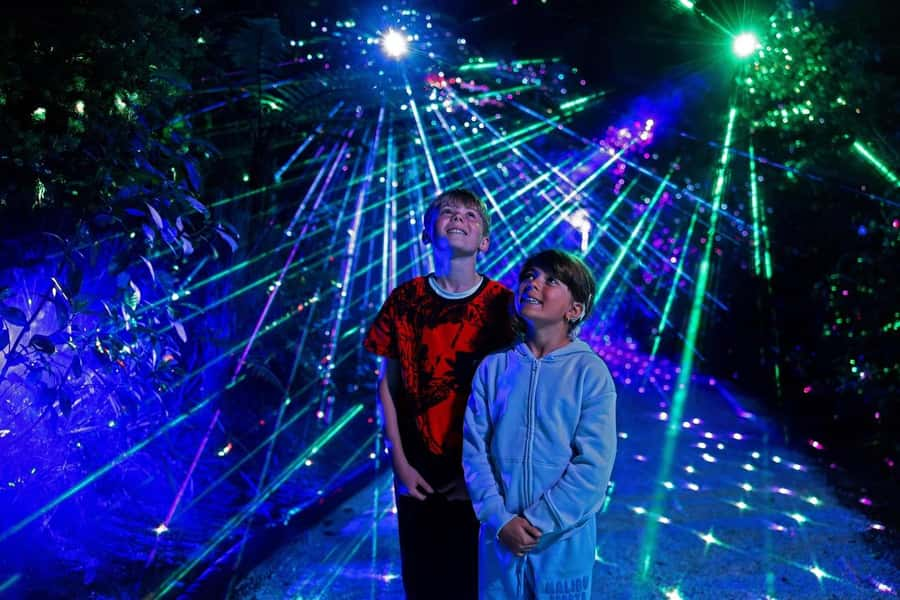
Marama runs from Wednesday through Sunday. The gates are open for four hours each evening, and final entry is one hour before closing. Check the available start times for your date, then avoid arriving at the last possible moment. A later entry could leave less room for pauses at the Terrace or photographs along the route.
The stated walk time varies between approximately 60 and 90 minutes. Think of 60 minutes as the moving time and 90 minutes as a more comfortable allowance for the full visit. You explore at your own pace, so the exact length depends on how long you stop at the scenes and geyser viewpoints.
Bring:
- Comfortable shoes for an unpaved path
- Warm, weather-appropriate clothing
- A camera or phone if you want photographs
- Enough time to pause rather than hurry
Some visual effects may be intense and can cause discomfort for people with light sensitivity or motion sickness. This is not a minor footnote if flashing or changing light bothers you. Consider that point before booking, and be prepared for a sensory experience rather than a simple stroll with soft illumination.
The meeting point is easy to identify: Te Puia’s main entrance at carpark 1. The site is approximately 2.5 kilometers south of Rotorua on Hemo Road, Whakarewarewa. No transport service is included in the information provided, so you should arrange your own way to the entrance.
Free cancellation is available up to 24 hours in advance, and you can reserve now and pay later. Those terms are useful if your Rotorua plans may shift, though you still need to check the available times for your chosen date.
Who will enjoy this Rotorua evening most
I would choose Marama if you want to see Te Puia from a different angle after a daytime visit, or if you prefer a short evening activity rather than a long meal or performance. It also suits photographers who enjoy unusual lighting, though the best photographs may take patience.
Families and couples may like the relaxed pace, but keep the visual effects in mind for anyone sensitive to strong light or motion. The route is outdoors and unpaved, so it is not a good fit for people who need wheelchair access or have mobility impairments.
You should also think about your appetite for interactivity. The experience includes interactive artworks, but it is not presented as a riddle trail or a game. If you want a lively, hands-on event, parts may feel quiet. If you want music, atmosphere, and time to look around without being hurried, it is a better match.
Should you book Marama?
Book this experience if Pōhutu Geyser at night, local music, and a carefully timed walk through Rotorua’s geothermal valley sound appealing. The $29 price is fair for a 60 to 90 minute evening activity, and the option to explore at your own speed makes it easy to enjoy without feeling managed.
Skip it if you dislike changing lights, need a fully paved route, or want a substantial cultural performance with a packed schedule. Marama’s appeal is its mood: steam, color, music, geothermal power, and a calm walk toward Pikirangi Village. Give it warm clothing and enough time, and it offers a memorable second look at one of Rotorua’s best-known places.
FAQ
How long does the Marama Geyser Light Trail take?
The 1.5km walking route takes around 60 minutes to explore. The full experience is approximately 90 minutes when you allow time for pauses, photographs, and the Terrace.
Which days does the experience operate?
Marama runs Wednesday through Sunday. The gates are open for four hours each evening, and final entry is one hour before closing.
Where do I meet for the experience?
Meet at Te Puia’s main entrance at carpark 1, on Hemo Road in Whakarewarewa. Te Puia is approximately 2.5 kilometers south of Rotorua.
Is food included in the $29 price?
No. Food is not included, though you can buy a sweet treat or drink at the Terrace during the walk.
Is the trail suitable for wheelchairs?
No. The route includes unpaved paths and is not suitable for wheelchairs or people with mobility impairments.
What should I bring?
Wear comfortable shoes and clothing suited to the weather. A camera is optional, and warm clothing is recommended for the outdoor evening walk.
Just added around Rotorua
- Whakarewarewa: Self-Guided Geothermal Trails★ 4.5 · 41 reviews
- WAI-O-TAPU Geothermal, Rotorua – Group Day Tour Ex Auckland★ 4.3 · 4 reviews
- Whaka Geothermal Trails Self-Guided Tour★ 3.5 · 44 reviews
- Thermal Path Tour★ 5.0 · 70 reviews
- Private Tour Waiotapu Geothermal Shore Excursion up to 8 passengers★ 5.0 · 6 reviews
- Wai Ariki Hot Springs and Spa Restorative Journey (2hrs)★ 4.5 · 73 reviews
- Mount Tarawera Orakei Korako Thermal Explorer★ 4.5 · 10 reviews
- Polynesian Spa Rotorua: Family Hot Pools and Freshwater Pool★ 3.5 · 14 reviews
Hot Spring Tours, compared.
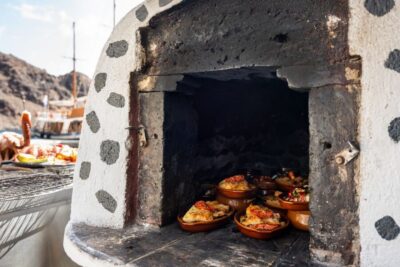
Volcanic Islands Cruise with Hot Springs Visit
Read our review →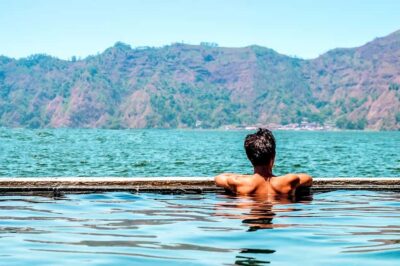
Mount Batur Sunrise Guided Hike and Natural Hot Spring
Read our review →
Sky Lagoon Entrance Pass With 7-Step Spa Ritual
Read our review →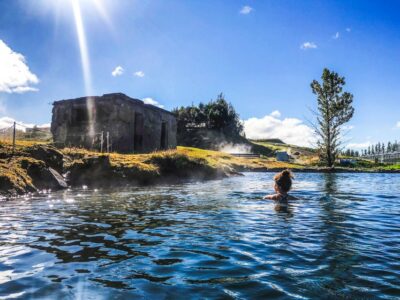
Zakopane, Thermal Springs, Cable Car, Local Tasting
Read our review →
Golden Circle, Kerid Crater, & Blue Lagoon Tour
Read our review →
Tiger Cave Temple, Emerald Pool and Hot Springs Tour
Read our review →Browse the lists this tour appears in