
REVIEW · JAPAN
Kobe Guided Tour Including Port Area and Arima Onsen Town
Kobe’s appeal comes from its sharp change of mood: one moment you are exploring a port city shaped by overseas trade, and the next you are in traditional Arima Onsen town beyond Mount Rokko. This four-hour tour links those two sides with a local guide, rather than leaving you to sort out the route alone.
I like the chance to learn Japanese manners while sampling the city’s food and confectionery culture, and I like that guide Yuta offers clear English and a personal, question-friendly approach. The main catch is time: four hours is short for such a wide area, and transportation fares and meals are not included in the $57 price.
- Two sides of Kobe: See the international port character and traditional Arima Onsen town in one outing.
- A local guide named Yuta: Expect help with questions, directions, culture, and Japanese customs in English or Japanese.
- A four-hour format: Useful for a compact introduction, but not suited to a slow, detailed visit at every stop.
- Onsen culture: Learn about and try an authentic Japanese hot-spring experience, with bare feet not allowed.
- Food along the way: Japanese cuisine and confectionery are part of the cultural focus, though meal costs are extra.
- Simple meeting point: Meet near the East exit ticket gates at JR Motomachi, not at the Hankyu station.
Kobe in Four Hours: A City of Two Moods
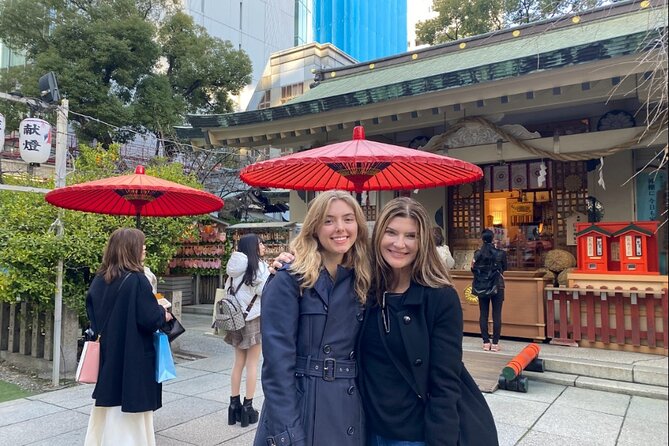
This tour is built around contrast. Kobe is known as a port city where imports, trade, and international residents helped shape local culture. Arima, on the other side of Mount Rokko, offers a very different setting, with hot-spring traditions and an older Japanese atmosphere.
That contrast is the real reason to consider this experience. A city-only walk could explain Kobe’s port identity, but it would miss the traditional side. An Arima-only visit would give you an onsen town, but not the broader story of how Kobe developed as a place connected to the outside world.
You should think of this as a guided introduction, not a long, leisurely inspection of every sight. Four hours moves quickly. The value comes from having someone organize the broad picture and explain customs as you go.
The precise order of the port and Arima portions is not specified, so you should be ready for the tour to adjust around transport and timing. That flexibility can help, but it also means you should not book it expecting a fixed list of named landmarks or a highly detailed museum itinerary.
Meeting Yuta at JR Motomachi

Your starting point is JR Motomachi Station. The instructions are specific: use the East exit and meet near the ticket gates. Do not confuse JR Motomachi with the nearby Hankyu line station, since arriving at the wrong railway station could cost valuable time.
This is a sensible place to begin because the tour needs a clear central meeting point before moving through Kobe. Still, give yourself extra time. The guide can help if you make a train mistake, but a late start matters on a four-hour schedule.
Yuta is the named guide associated with this experience. You can expect to communicate in English or Japanese, and the strongest reason to value his role is the personal format. He is not simply there to point out places. You can ask about Japanese life, food, history, and manners as the tour develops.
That question-and-answer style is especially useful if this is your first time in Japan. A sign or building can tell you what something is. A local guide can explain how to behave, why a custom matters, or how a Japanese setting fits into daily life.
More Onsen Tours in Japan:
- From Osaka: Himeji Castle, Arima Onsen & Mt. Rokko Day Tour
★ 4.6 · 339 reviews - From Tokyo: Private Tour to Fuji/Hakone – Onsen, Art, Nature
★ 5.0 · 116 reviews - Mt. Fuji, Hakone Private Tour from Tokyo – Onsen, Arts and Nature
★ 5.0 · 79 reviews
Kobe’s Port Story and International Character
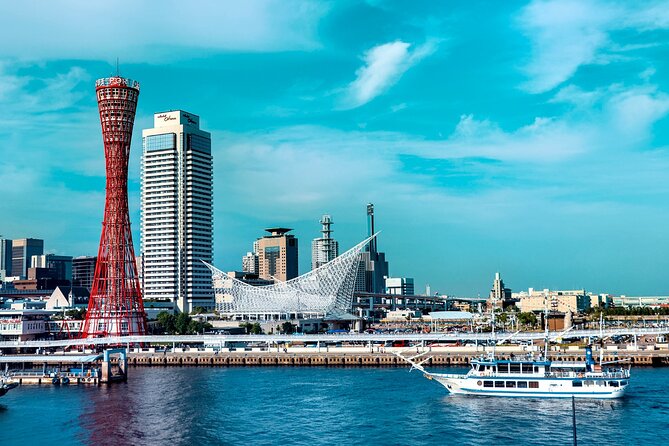
Kobe’s port area provides the urban half of the tour. The important point is not just taking photos near the water. Kobe’s identity grew from imports, trade, and contact with people from other countries, so the port offers a way to understand why the city feels different from a purely traditional Japanese town.
You may find this part most useful if you want context rather than a checklist of landmarks. The guide can connect the city’s international character with its food, architecture, and local customs, although the tour details do not promise a particular building, museum, or harbor viewpoint.
That lack of a named port route is worth keeping in mind. If you have one specific Kobe sight at the top of your list, ask about it before booking. The experience promises a broad tour of Kobe’s known sights, but it does not provide a complete stop-by-stop schedule.
I like this kind of introduction for a first visit or a port call. You get a local explanation of the city instead of wandering without a plan. If you already know Kobe well, the benefit will depend more on Yuta’s conversation and cultural explanations than on discovering a long list of new attractions.
Crossing Toward Arima Onsen Town
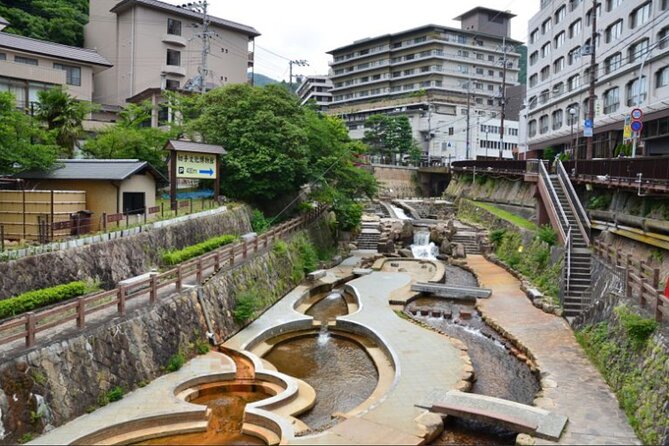
The second half points toward Arima Onsen, a traditional hot-spring town beyond Mount Rokko. The change in setting is central to the experience. You leave behind Kobe’s trading-port identity and move toward a place associated with relaxation, Japanese customs, and onsen culture.
The tour description does not state the exact transport method, so transportation fares are your responsibility. That affects the final cost and makes cash important. It also means you should view the $57 price as the guide fee and organized experience, not the entire day’s expense.
Arima is a good choice for a short cultural tour because it gives you a recognizable traditional setting without requiring a separate full-day plan. You can learn why hot springs matter in Japan and see how manners shape the experience.
Do not expect the same pace as a full Arima visit. The trip has to cover both Kobe and Arima within four hours, and the return is back at the original meeting point. Your time in the onsen town may feel brief if you want long bathing time, extended shopping, or a slow meal.
Trying an Authentic Onsen
The onsen portion is one of the tour’s clearest draws. You are introduced to an authentic Japanese hot-spring setting and the manners that go with it. For many first-time visitors, this cultural guidance is as important as the water itself.
The supplied details do not identify a particular bathhouse or explain exactly how long you will bathe. You should therefore treat the experience as an introduction to onsen culture rather than a guaranteed long soak at a named facility.
Bring comfortable clothes and remember that bare feet are not allowed. This rule matters because Japanese bathing spaces have clear expectations about cleanliness and footwear. Follow Yuta’s instructions closely, especially if you are unfamiliar with onsen etiquette.
Cash is also useful here. No meal or transportation costs are included, and the tour information advises bringing cash. It is better to have money ready than to spend part of a short visit looking for a payment option.
The experience is not suitable for someone with a cold. That is practical advice, not a minor footnote: a hot-spring outing is not a good choice when you are unwell. It is also not suitable for people over 95 years old according to the stated conditions.
A few more hot spring trips around Japan worth a look
- Guide tour of Japanese bathing culture at Funaoka Onsen
★ 5.0 · 15 reviews - Samurai Guide Sho’s Mt. Takao Hike, Temple & Onsen from Shinjuku
★ 5.0 · 9 reviews - Kobe Guided Tour Including Port Area and Arima Onsen Town
★ 4.5 · 5 reviews - Mt. Fuji Tours to Lake Kawaguchi and Yamanaka Onsen English Guide
★ 4.5 · 4 reviews
Food, Confectionery, and Everyday Japanese Manners
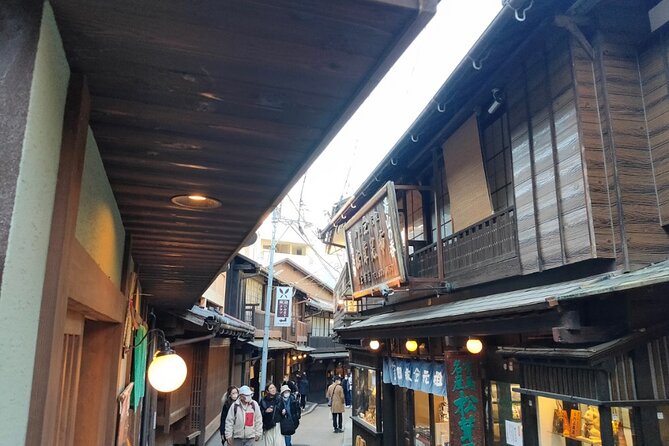
Food is part of the cultural purpose. You can expect an introduction to Japanese cuisine and confectionery, with opportunities to learn how these fit into local life. The details do not promise a specific restaurant, dish, or tasting menu, so do not book this as a food tour in the strict sense.
Meals cost extra. That gives you control over spending, but it also means the $57 price does not cover everything you may eat. If you have dietary needs or a particular Kobe specialty in mind, ask the guide before the tour begins.
I like that food is treated alongside history and manners. A snack or meal can explain local habits in a way a formal lecture cannot. You may learn how to approach a dish, what small customs to notice, or why Japanese confectionery has a place in the culture.
The guide’s conversational style should help here. Yuta’s English is described as clear, and that matters when you are asking about unfamiliar ingredients or customs. You do not need to know the right question in advance. A good exchange can lead from food to family habits, regional differences, or everyday Japanese etiquette.
What the $57 Price Really Covers
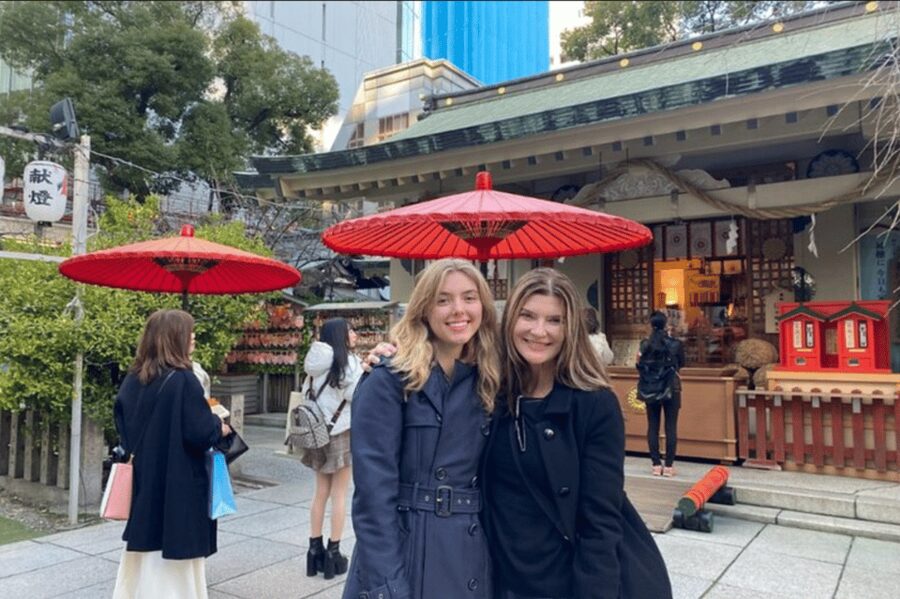
At $57 per person, this is a reasonable price for a four-hour private-feeling cultural introduction, provided you budget separately for getting around and eating. The included gifts for all participants add a small extra touch, but they are not the main reason to book.
The main value is time saved. You do not have to work out how to combine Kobe’s port area with Arima Onsen town on your own, and you have a guide who can explain what you are seeing. That matters most when your schedule is tight or when you prefer conversation over self-guided sightseeing.
The price is less attractive if you want a long stay at one location. Transportation can take a meaningful share of a four-hour tour, especially when the route covers both the city and an onsen town. If you are happy to pay the fares and accept a compact overview, the arrangement makes sense.
A useful way to judge the cost is to ask what kind of day you want. For local context, basic planning help, and a cross-section of Kobe, $57 is fair. For a detailed food crawl, a long spa visit, or a deep architectural tour, this is probably too short and too broad.
Who Will Get the Most From This Tour
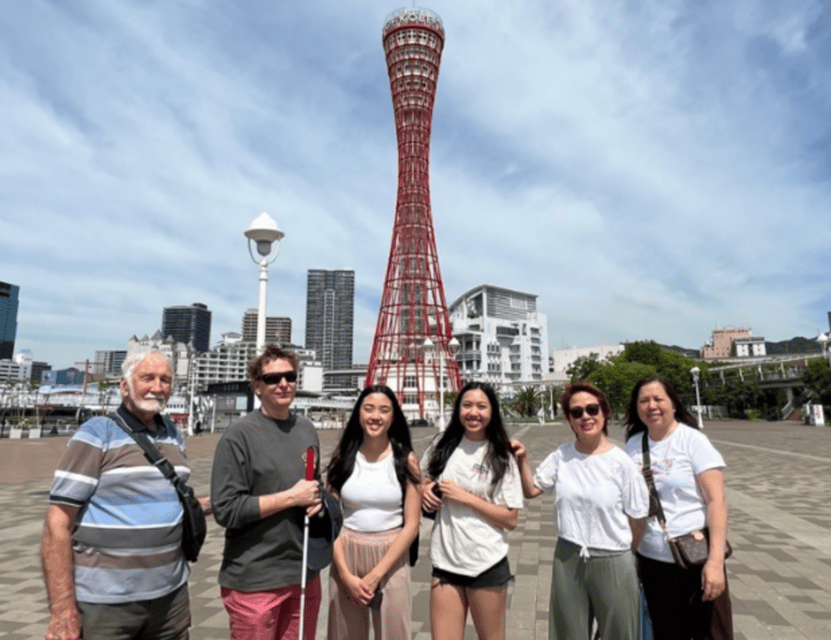
I would recommend this experience to a first-time Kobe visitor who wants to understand the city quickly. It also suits someone who is curious about Japan beyond major urban sights and wants an easy introduction to hot-spring customs.
It works well for people who enjoy asking questions. Yuta’s strengths are his English communication and friendly, personalized approach. One practical advantage is that he can help recover from a train mistake or clarify directions, which is useful when railway lines and station names are easy to mix up.
You should be comfortable walking in practical clothing and shoes. The tour instructions specifically call for comfortable shoes and clothes, so leave formal footwear and anything restrictive in your luggage.
I would be cautious if you want a precise, landmark-by-landmark itinerary. The description gives the main areas but not a detailed sequence. I would also hesitate if your main goal is a long bath, since the onsen visit is part of a larger four-hour route.
The tour is offered in English and Japanese. That makes it accessible to people who do not speak Japanese, while Japanese-speaking visitors can still use the experience for local context and cultural explanation.
Timing, Costs, and Practical Details
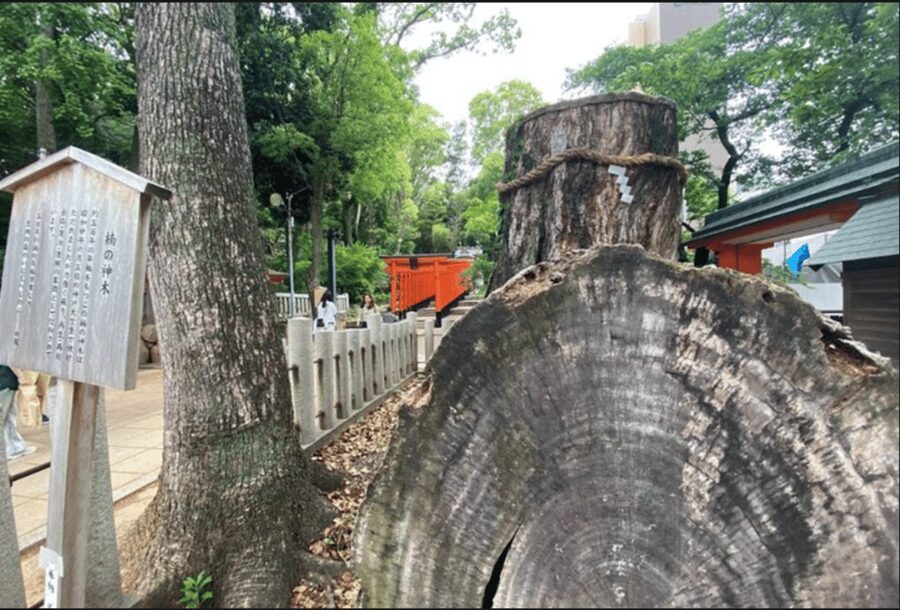
Plan to arrive at JR Motomachi, not the Hankyu station. Go to the East exit and look near the ticket gates. This is the single most important arrival detail.
The tour ends back at the meeting point. That is useful when planning your next activity, but keep some flexibility because the day includes both a Kobe city area and Arima Onsen town.
Transportation fares and meals are not included. Bring cash, comfortable shoes, and comfortable clothes. Bare feet are not allowed, and the experience is not suitable for someone with a cold or for anyone over 95 years old under the stated conditions.
You can reserve now and pay later, which helps if your Japan schedule is still moving around. Cancellation is allowed up to 24 hours before the tour for a full refund. Those terms are helpful for a short trip where weather, train plans, or health can change.
The provider is Spejapa-Excursion. The tour has received a perfect rating from the three available ratings, but the small number means you should treat that score as encouraging rather than final proof for every type of visitor.
Should You Book the Kobe and Arima Combination?
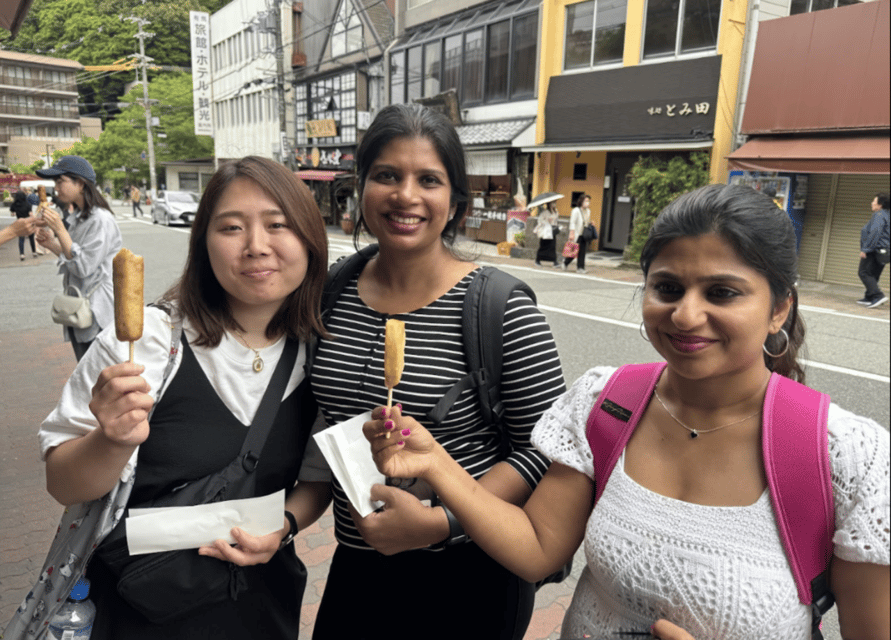
Book this tour if you want a friendly local introduction that joins Kobe’s port culture with Arima’s traditional hot-spring setting. The combination gives you more range than a simple city walk, and Yuta’s clear English and willingness to answer questions can make the four hours feel personal.
Think twice if you dislike moving between places, need a fixed list of famous sights, or want a long onsen stay. The schedule is compact, and your total spending will be higher than $57 once transport and meals are added.
For a first look at Kobe, I would choose it for the contrast and the cultural guidance. Arrive at the correct JR station, wear sensible shoes, carry cash, and treat the itinerary as a broad introduction rather than a slow, exhaustive tour.
FAQ
How long is the Kobe Guided Tour Including Port Area and Arima Onsen Town?
The tour lasts four hours.
Where does the tour start?
It starts at JR Motomachi Station. You should use the East exit and meet near the ticket gates.
Is the meeting point at the Hankyu Motomachi station?
No. The instructions specify JR Motomachi, not the Hankyu line station.
Where does the tour end?
The activity ends back at the meeting point.
What languages are available?
The tour is offered in English and Japanese.
Are transportation fares included?
No. You must pay transportation fares separately.
Are meals included?
No. Meal costs are not included.
What should I bring?
Bring comfortable shoes, comfortable clothes, and cash.
Can I cancel for a full refund?
Yes. You can cancel up to 24 hours in advance for a full refund.
Just added around Japan
- Samurai Guide Sho’s Mt. Takao Hike, Temple & Onsen from Shinjuku★ 5.0 · 9 reviews
- Tokyo Local Tattoo Friendly Public Bath Experience★ 5.0 · 4 reviews
- Japanese Head Onsen and Scalp Massage Retreat in Tokyo★ 4.5 · 2 reviews
- Mt. Fuji to Lake Kawaguchi, Lake Yamanaka and Onsen Day Tour★ 4.5 · 3 reviews
- Mt. Fuji Tours to Lake Kawaguchi and Yamanaka Onsen English Guide★ 4.5 · 4 reviews
- Tokyo City Adventures Private English Tour With Hotel Pickup★ 5.0 · 12 reviews
- Tattoo-friendly open-air Onsen & drink★ 5.0 · 25 reviews
- Private Tour to Snow Monkey, Zenkoji Temple & Hot Springs Nagano★ 4.0 · 2 reviews
Japanese Onsen Tours, compared.
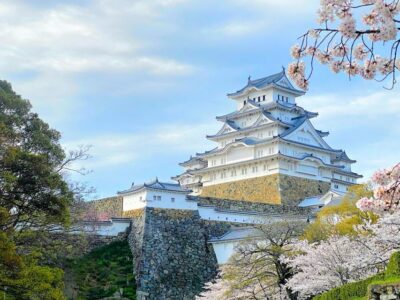
Himeji Castle, Arima Onsen & Mt. Rokko Day Tour
Read our review →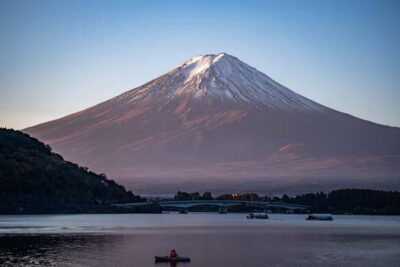
Private Tour to Fuji/Hakone – Onsen, Art, Nature
Read our review →
All-Day Pass to Yunomori Sathorn Onsen Bath and Spa
Read our review →
Mt. Fuji, Hakone Private Tour from Tokyo – Onsen, Arts and Nature
Read our review →
From Fukuoka: Mount Aso, Kurokawa Onsen, and Shrine Tour
Read our review →
Private Nagano 1-Day Tour:Snow Monkeys,Zenko-ji,Obuse,Sake,Onsen
Read our review →Browse the lists this tour appears in