
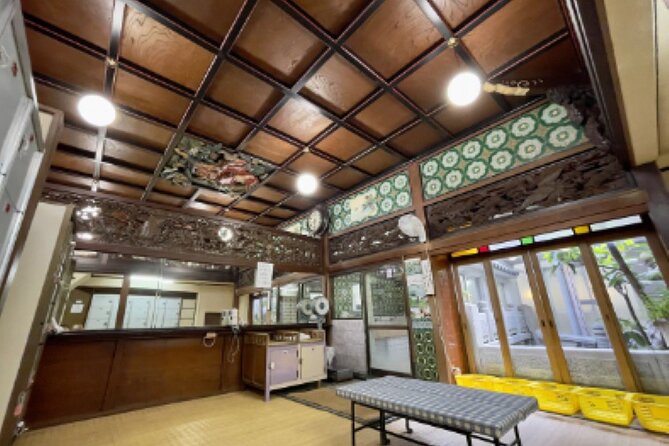
REVIEW · JAPAN
Guide tour of Japanese bathing culture at Funaoka Onsen
The most useful part of this Kyoto experience comes before you enter the bath. At Sarasa Nishijin, a cafe made from a former public bathhouse, guide Atsuki explains the customs, history, health points, and proper steps of Japanese bathing. You then put that advice to work at Funaoka Onsen, one of Kyoto’s best-known public bathhouses.
I like the small group limit of five, which gives you room to ask questions, and I like that the lesson removes the worry of doing something wrong. The main catch is simple: you bathe nude and by gender, so couples are separated, and the guide’s English is limited.
Key points to know before booking
- A former bathhouse cafe starts the lesson: Sarasa Nishijin gives the introduction a fitting setting rather than a plain classroom.
- Atsuki guides the process: He explains the rituals and stays available as you try the bathing routine.
- Funaoka Onsen is a local institution: The bathhouse has an interesting story, including competition with traditional geothermal hot springs.
- The experience lasts about 90 minutes: Plan for 15 minutes at the cafe and about an hour at Funaoka Onsen.
- The group is capped at five people: This matters when you want personal help with etiquette.
- The price is $45.72 per person: Admission is included, making the fee reasonable if you want instruction rather than a bath alone.
Why Japanese bathing is more than getting clean
Japanese bathing culture has its own rhythm. You do not simply walk into a tub, wash quickly, and leave. The washing and soaking stages have separate purposes, and the order matters.
That distinction is easy to miss if you visit a public bath on your own. You may understand that you should rinse first, but still wonder how long to wash, where to place your towel, or how to move through the room without looking lost. This tour gives you a clear set of steps before you have to make those choices yourself.
The experience also puts bathing into a wider cultural setting. Like the tea ceremony, Japanese bathing is presented as a ritual shaped by courtesy, calm, and attention. The point is not only the warm water. It is also the way you prepare, share space, and let the bath serve as a pause in the day.
I especially like this angle after a morning of shrines and temples. Kyoto sightseeing can be tiring in a very ordinary way: plenty of walking, standing, and careful attention. A bath offers a change of pace. You are not looking at another old building. You are taking part in a daily custom.
More Onsen Tours in Japan:
- From Osaka: Himeji Castle, Arima Onsen & Mt. Rokko Day Tour
★ 4.6 · 339 reviews - From Tokyo: Private Tour to Fuji/Hakone – Onsen, Art, Nature
★ 5.0 · 116 reviews - Mt. Fuji, Hakone Private Tour from Tokyo – Onsen, Arts and Nature
★ 5.0 · 79 reviews
Starting at Sarasa Nishijin, a cafe with a past
The first stop is Sarasa Nishijin, about 15 minutes of the experience. The cafe occupies a former public bathhouse, so the setting begins the lesson before the guide says much at all.
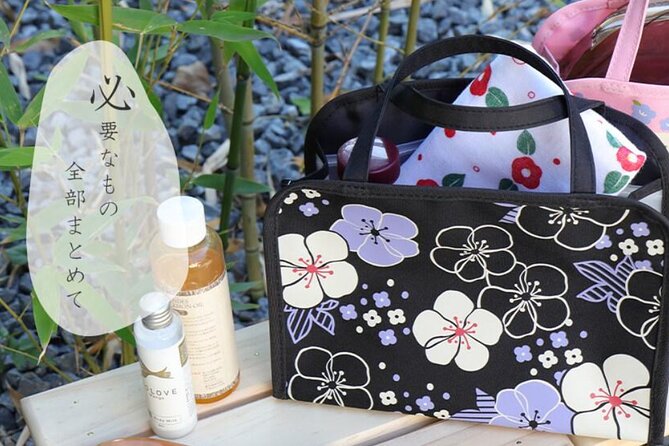
Over a drink, Atsuki explains the history and meaning of Japanese public baths. You also receive a guide to proper bathing methods that you can take with you. That small handout is useful because the lesson moves quickly, and it gives you something to refer to later at another bathhouse.
This opening stop is not a sightseeing tour of every part of the old building. Think of it as a friendly orientation in a place that helps you picture the role public baths have played in Japanese life. The former bathhouse setting makes the talk feel connected to the activity ahead.
The lesson covers etiquette and health benefits, along with the basic procedure. For a first-time visitor, the value is practical. You can ask about the details that are hard to learn from a sign or a guidebook, then head to Funaoka Onsen with a plan.
The one limitation is language. Atsuki is a local Japanese guide, but his English is not strong. Past participants have still found his explanations useful, though you should expect simple communication rather than a polished, highly detailed lecture. If you need to ask complex medical or cultural questions, patience will help.
Learning the routine before entering Funaoka Onsen
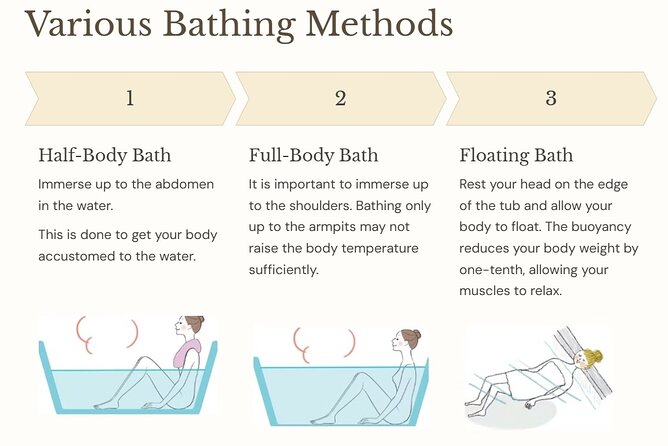
At Funaoka Onsen, the instructional part continues before you bathe. Atsuki uses materials to explain the bathing method and the steps to follow. This is where the tour earns its fee for many first-time bathers.
A public bath can feel intimidating when you do not know the unwritten rules. The bathhouse may be familiar to local residents, but the process is new to you. Having someone explain it in advance lets you focus on the experience instead of worrying about a mistake.
You learn how to approach the bathing area and how to prepare before using the tubs. The purpose is not to rush you through a checklist. It is to help you understand why the routine is arranged as it is, so the bath becomes relaxing rather than stressful.
Atsuki is also available during the process to help you along. That support matters most if you are alone in Kyoto. You can take part without needing a partner to interpret the setting or reassure you at each stage.
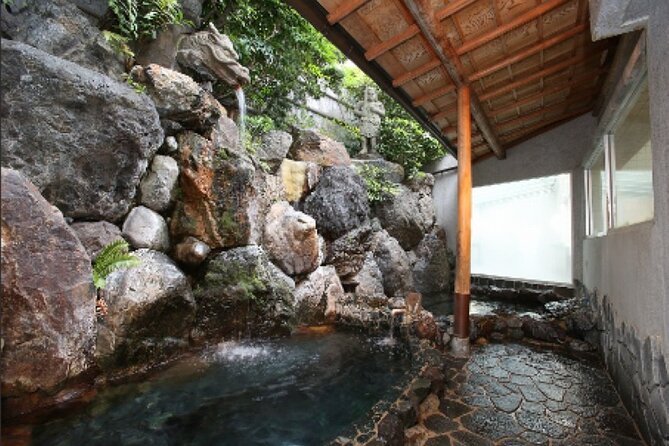
Keep in mind that the tour does not turn the public bath into a private spa. Funaoka Onsen is a working bathhouse used by local residents. You are entering a real public setting, not a staged cultural performance. That is part of its value, but it also means you need to respect the facility and the people using it.
What makes Funaoka Onsen special
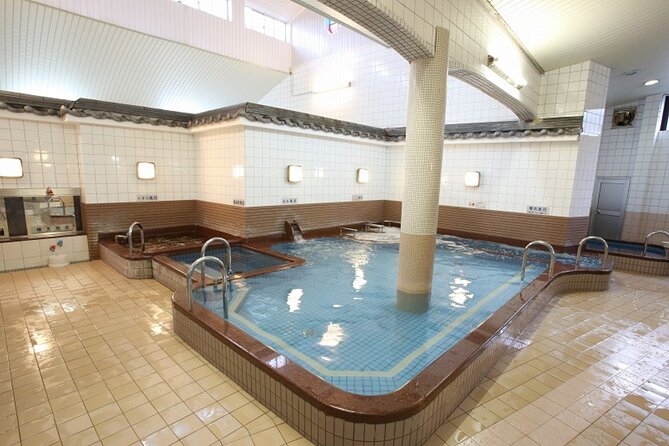
Funaoka Onsen is known for its long connection with Kyoto residents and for its preserved bathhouse character. The experience also explains an unusual part of its story: its founders competed with traditional geothermal hot springs.
That background gives the bathhouse more interest than a simple stop for hot water. Japanese bathing culture includes both hot spring bathing and public bathhouse bathing, and those are not identical experiences. Learning how a public bath built its place in that world gives you a better sense of the institution you are using.
The tour does not require you to be an expert on Japanese history. The main benefit is knowing why a place like Funaoka Onsen matters locally and how to behave inside it. You leave with instructions that can also apply at other Japanese hot springs and public baths.
The bath itself is the quiet payoff. Once you understand the steps, you can stop concentrating on etiquette and enjoy the warmth. The experience is not packed with sightseeing stops, photo opportunities, or entertainment. It is deliberately modest and personal.
A few more hot spring trips around Japan worth a look
- Samurai Guide Sho’s Mt. Takao Hike, Temple & Onsen from Shinjuku
★ 5.0 · 9 reviews - Kobe Guided Tour Including Port Area and Arima Onsen Town
★ 4.5 · 5 reviews - Mt. Fuji Tours to Lake Kawaguchi and Yamanaka Onsen English Guide
★ 4.5 · 4 reviews - Onsen Spa in Tokyo and Asakusa Bar Hopping with Local Guide
★ 5.0 · 3 reviews
Nude bathing, gender separation, and personal comfort
You need to be comfortable with nude bathing before booking. Swimsuits are not part of this experience, and the bath areas are separated by gender.
That arrangement means couples do not bathe together. You and your partner will attend the same experience, but you will use separate bathing areas. For some people, this is an important part of traditional public bathing. For others, it is a firm reason to choose a different activity.
The tour is a good fit if you want an authentic bathhouse experience and are willing to follow local customs. It is not a good fit if you need mixed-gender bathing, swimwear, or a private room.
You should also be honest about your health. The activity advises against participation for people with severe heart or lung disease, recent gastrointestinal bleeding, advanced malignant tumors, or severe anemia. You should not join if you have a fever, feel unwell, or have consumed alcohol. If your doctor has advised against hot springs, follow that advice.
What the $45.72 price includes
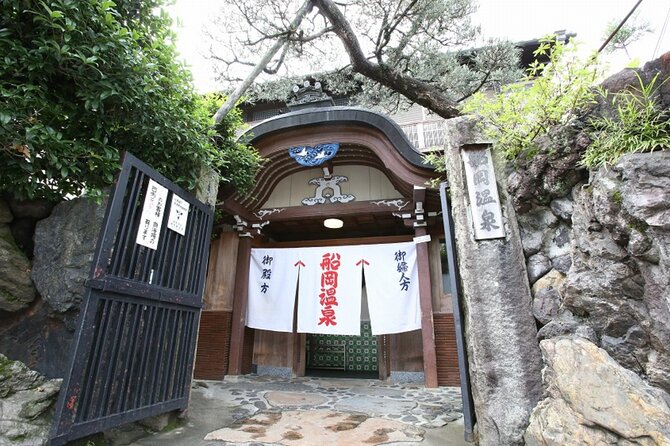
At $45.72 per person, this is not the cheapest way to enter a Kyoto bathhouse. You could seek out a public bath independently for less, assuming you already understand the rules and feel comfortable finding your way through the process.
The fee makes more sense if you see it as a short cultural lesson with admission included. You receive an introduction at Sarasa Nishijin, guidance from Atsuki, an explanation of the bathing method, and access to Funaoka Onsen. The tour also saves you from spending your first bath worrying about every small movement.
The small group helps justify the cost. With a maximum of five people, the experience is not a large lecture where you simply listen from the back. You have a better chance to ask for clarification and receive help when you need it.
I would consider it good value for a solo visitor, a first-time bather, or anyone who wants cultural context rather than a stand-alone soak. If you already use Japanese public baths with confidence, you may find the instruction less necessary.
Timing, meeting point, and the shape of the afternoon
The experience lasts about an hour and a half. The published breakdown gives 15 minutes at Sarasa Nishijin and about one hour at Funaoka Onsen, though you should allow a little flexibility around the bathing portion.
The meeting point is Funaoka Onsen at 82-1 Murasakino Minamifunaokacho in Kyoto’s Kita Ward. The tour ends back at the same meeting point. It is near public transportation, which makes it easier to fit into a Kyoto day, but you should still allow time to reach the address without rushing.
Because the activity returns to the starting point, it works well as a compact addition to a day in northern Kyoto. You can plan around the fixed meeting point rather than arranging a separate ride after the bath.
The small size also means advance planning matters. This experience is commonly booked about 34 days ahead, so last-minute availability may be limited. Confirmation arrives at booking, and free cancellation is available until 24 hours before the start time. Changes or cancellations inside that window are not accepted for a refund.
Who will get the most from this experience
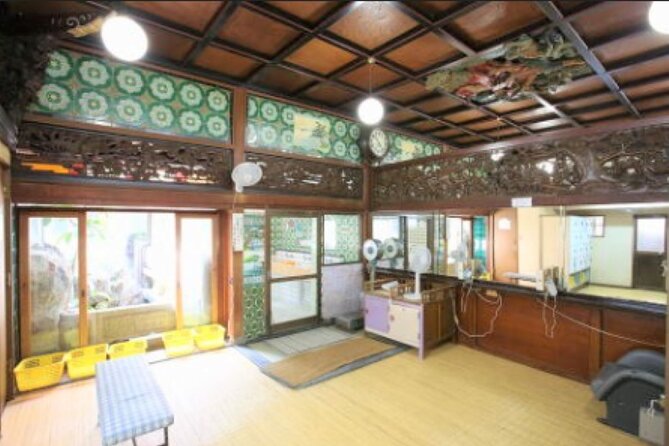
I would recommend this tour to you if Japanese bathing is new and you want someone to explain the customs before you enter. It is especially helpful if you are traveling alone, since Atsuki can guide you through the process without requiring you to figure out the room by yourself.
It also suits visitors who care about ordinary local traditions. The experience is not built around a famous monument. Its focus is a public bathhouse and the social habits that surround it. That gives you a more everyday view of Kyoto.
Wellness-minded visitors should also like the pace. The lesson covers health benefits and proper technique, but it does not promise a medical treatment. Think of it as cultural guidance for a relaxing bath.
I would be more cautious if you are traveling as a couple and want to share the same bathing space. I would also skip it if you are uncomfortable with nudity, have a health condition affected by hot bathing, or need detailed English explanations.
Should you book this Kyoto bath experience?
Book it if you want to do more than look at Japanese culture from the outside. The combination of Sarasa Nishijin, Atsuki’s instruction, and Funaoka Onsen gives you a clear path into a custom that can otherwise feel confusing.
The strongest reasons to go are the small group, the hands-on guidance, and the chance to use a historic public bathhouse as local residents do. The main limits are the nude, gender-separated format, the guide’s limited English, and a price that is higher than entering a bathhouse on your own.
For a first visit to a Japanese bath, I think the instruction is the point. Once you know the routine, you can use the same etiquette at other public baths and hot springs. If that practical confidence is worth $45.72 to you, this is a thoughtful and memorable Kyoto add-on.
FAQ
How long does the bathing culture experience last?
The experience lasts approximately 1 hour and 30 minutes. About 15 minutes takes place at Sarasa Nishijin, followed by roughly one hour at Funaoka Onsen.
Where does the experience start?
The meeting point is Funaoka Onsen at 82-1 Murasakino Minamifunaokacho, Kita Ward, Kyoto, 603-8225, Japan.
Where does the experience end?
The activity ends back at the Funaoka Onsen meeting point.
Is admission to Funaoka Onsen included?
Yes. Admission is included for both Sarasa Nishijin and Funaoka Onsen.
How many people can join the tour?
The experience has a maximum of five participants.
Who leads the experience?
The guide is Atsuki, a local Japanese guide who explains Japanese bathing culture and the bathing process.
Is the guide fluent in English?
The guide is not very strong in English, so you should expect straightforward explanations and allow extra patience for questions.
Do I have to bathe nude?
Yes. The bathing experience requires nude bathing, and the bath areas are separated by gender.
Can couples bathe together?
No. The bathing areas are separated by gender, so couples will use separate areas.
Who should not take part?
You should not participate if you have certain serious health conditions, feel unwell, have a fever, or have consumed alcohol. The listed conditions include severe heart or lung disease, recent gastrointestinal bleeding, advanced malignant tumors, and severe anemia. If a doctor has advised against hot springs, you should not join.
Just added around Japan
- Samurai Guide Sho’s Mt. Takao Hike, Temple & Onsen from Shinjuku★ 5.0 · 9 reviews
- Tokyo Local Tattoo Friendly Public Bath Experience★ 5.0 · 4 reviews
- Japanese Head Onsen and Scalp Massage Retreat in Tokyo★ 4.5 · 2 reviews
- Mt. Fuji to Lake Kawaguchi, Lake Yamanaka and Onsen Day Tour★ 4.5 · 3 reviews
- Mt. Fuji Tours to Lake Kawaguchi and Yamanaka Onsen English Guide★ 4.5 · 4 reviews
- Tokyo City Adventures Private English Tour With Hotel Pickup★ 5.0 · 12 reviews
- Tattoo-friendly open-air Onsen & drink★ 5.0 · 25 reviews
- Private Tour to Snow Monkey, Zenkoji Temple & Hot Springs Nagano★ 4.0 · 2 reviews
Japanese Onsen Tours, compared.
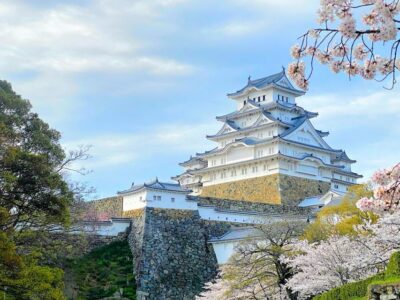
Himeji Castle, Arima Onsen & Mt. Rokko Day Tour
Read our review →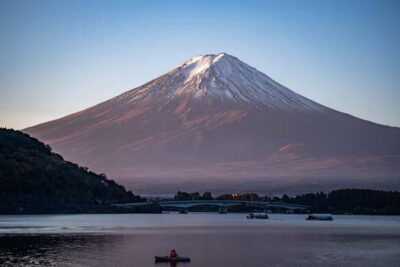
Private Tour to Fuji/Hakone – Onsen, Art, Nature
Read our review →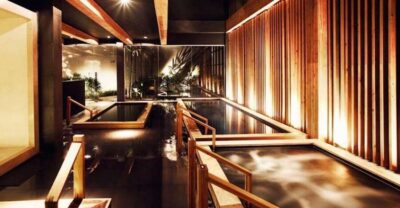
All-Day Pass to Yunomori Sathorn Onsen Bath and Spa
Read our review →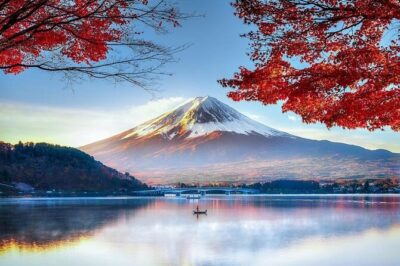
Mt. Fuji, Hakone Private Tour from Tokyo – Onsen, Arts and Nature
Read our review →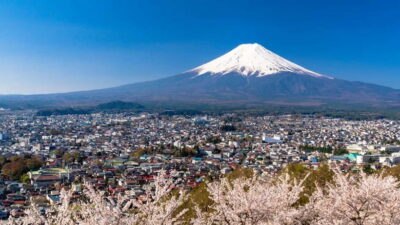
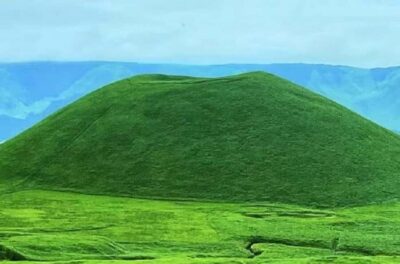
From Fukuoka: Mount Aso, Kurokawa Onsen, and Shrine Tour
Read our review →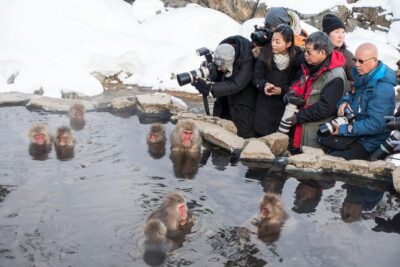
Private Nagano 1-Day Tour:Snow Monkeys,Zenko-ji,Obuse,Sake,Onsen
Read our review →Browse the lists this tour appears in