
REVIEW · JAPAN
Kobe Guided Tour Including Port Area and Arima Onsen Town
Kobe gives you two very different Japan experiences in one half-day: a seafront trading city shaped by foreign contact, then Arima Onsen, an old mountain hot-spring town with a slower, more traditional feel. That sharp change is the main reason to consider this tour.
I like the manageable group size, capped at 10, and the way the route mixes Kobe’s port, Chinatown, a Shinto shrine, and Arima’s narrow streets. I also like that guide Yuta has adapted the day to suit individual interests, including offering a more personal walk when the group became very small. The main drawback is timing: a late change to the afternoon once made Arima too dark to enjoy fully.
Key points at a glance
- Two sides of Kobe in four hours: See the waterfront city and the mountain hot-spring town in one outing.
- Yuta leads the walk: The experience is designed around explanation, conversation, and help with the return journey.
- Small maximum group: No more than 10 people are accepted, and the group may be smaller.
- Arima is the finale: You finish at Arimaonsen Station, close to the old town but not back in central Kobe.
- Budget for extras: The $84.55 price includes the guided experience and a gift, but not transport fares, Kobe Port Tower admission, or dinner.
- Moderate fitness helps: Expect a long walking day, changes in elevation, and movement between city and mountain areas.
From Motomachi Station to Kobe’s seafront
Your morning begins at 10:00 at Motomachi Station, a useful starting point for Kobe’s central sights. The meeting point is outside the station at 1 Motomachikokadori in Chuo Ward.
The first section introduces Kobe as a port city. Kobe’s position on the water helped it develop a strong connection with overseas trade, and that international background still shapes the central districts. You are not just ticking off monuments here. You are moving through an area where Japan’s modern port identity and older local customs sit close together.
The walk is a good fit if you prefer an introduction that puts the sights together rather than sending you from one isolated attraction to another. Yuta can help explain how the waterfront, foreign influence, Chinese community, and traditional religious sites fit into the city’s story.
The tour runs for about four hours, so you should expect a fairly active morning. Wear comfortable shoes, keep your belongings light, and be ready for more than a short photo stop. The day ends outside central Kobe, so the route is best viewed as a one-way introduction rather than a loop that brings you back to where you started.
More Onsen Tours in Japan:
- From Osaka: Himeji Castle, Arima Onsen & Mt. Rokko Day Tour
★ 4.6 · 339 reviews - From Tokyo: Private Tour to Fuji/Hakone – Onsen, Art, Nature
★ 5.0 · 116 reviews - Mt. Fuji, Hakone Private Tour from Tokyo – Onsen, Arts and Nature
★ 5.0 · 79 reviews
Kobe Port Tower and the Meriken Park waterfront
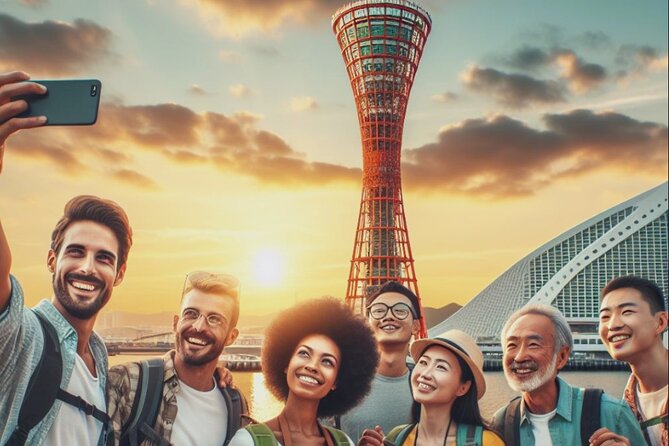
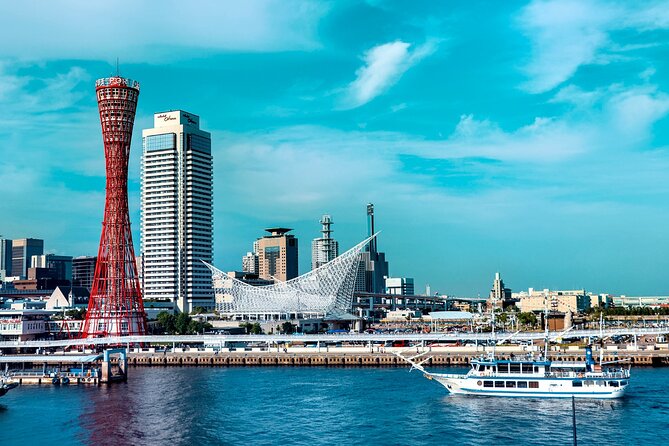
Kobe Port Tower is the most recognizable stop on the waterfront. The red lattice tower rises 108 meters above the Meriken Park area and gives the port district a clear visual anchor.
You have about an hour here. That is enough time to understand the setting and, if you choose to go inside, consider the views from above. The admission ticket is not included, so the decision to enter is yours and adds to the cost.
I like having this much time at the opening stop because it gives you room to take in Kobe’s layout. From the port, you can better understand the relationship between the city center, the water, and the Rokko mountain area that you will reach later.
The practical point is to clarify with Yuta how much of the hour will be spent inside the tower and how much will be a guided walk around the waterfront. The supplied details identify the tower as a stop, but they do not confirm that entry is part of the walking portion. Since admission is separate, bring a little extra money if the observation level interests you.
This is also where weather can affect the experience. The tour still offers the waterfront setting, but cloudy conditions may reduce the value of paying for a high view. If the air is clear, the tower should be one of the strongest photo stops of the day.
Nankinmachi, Kobe’s compact Chinatown
From the waterfront, the tour continues to Nankinmachi, Kobe’s Chinatown near Motomachi Station. You have about 30 minutes here, with no admission fee.
This is a short stop, so you should treat it as an introduction rather than a full food tour. The area is known for Chinese restaurants, snack counters, shops, and colorful street scenes. One useful feature of the location is that you can also return later on your own if you want more time for food or shopping.
A half-hour is enough to look around and hear why the district became part of Kobe’s international character. It is not enough to sample everything, so decide in advance whether your priority is photographs, a quick bite, or simply following the guide’s explanation.
If food is important to you, ask Yuta whether there is time for a purchase during the stop. Dinner is not included, and the tour does not promise a meal. The schedule makes a full restaurant visit unlikely, but the area gives you a chance to note places for later.
Nankinmachi is also a useful contrast with the waterfront. The port explains Kobe’s connection with overseas trade on a broad scale, while Chinatown gives that story a more immediate street-level feel.
A quiet pause at Ikuta Shrine
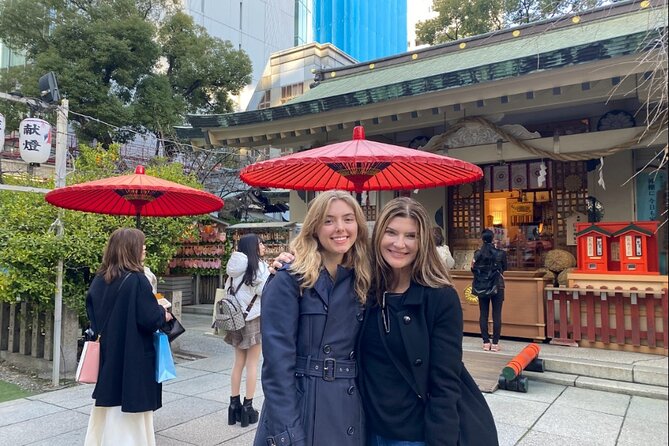
Ikuta-jinja provides a change of pace after the commercial energy of Nankinmachi. Founded in the third century, it is one of Japan’s oldest Shinto shrines and remains an important religious site in Kobe.
The visit lasts about 30 minutes and admission is free. You will have time to look at the shrine grounds, observe the layout, and learn basic points about Shinto practice and the site’s long place in local life.
I like this stop because it keeps the morning from becoming only a port-and-shopping tour. Kobe is often introduced through its harbor and international districts, but Ikuta-jinja shows a much older side of the city.
You should approach the shrine respectfully. Keep your voice low, follow any signs about where to walk, and allow people who have come to pray to use the space without interruption. The short visit will not turn you into an expert in Shinto, but it adds cultural balance to the day.
The stop is also physically useful. After the city walking, it gives you a calmer setting before the route shifts toward Arima Onsen. You should not expect a long ceremony or a structured religious activity. The value is in seeing a historic shrine as part of modern Kobe.
A few more hot spring trips around Japan worth a look
- Guide tour of Japanese bathing culture at Funaoka Onsen
★ 5.0 · 15 reviews - Samurai Guide Sho’s Mt. Takao Hike, Temple & Onsen from Shinjuku
★ 5.0 · 9 reviews - Mt. Fuji Tours to Lake Kawaguchi and Yamanaka Onsen English Guide
★ 4.5 · 4 reviews - Onsen Spa in Tokyo and Asakusa Bar Hopping with Local Guide
★ 5.0 · 3 reviews
Arima Onsen, the mountain-town finale
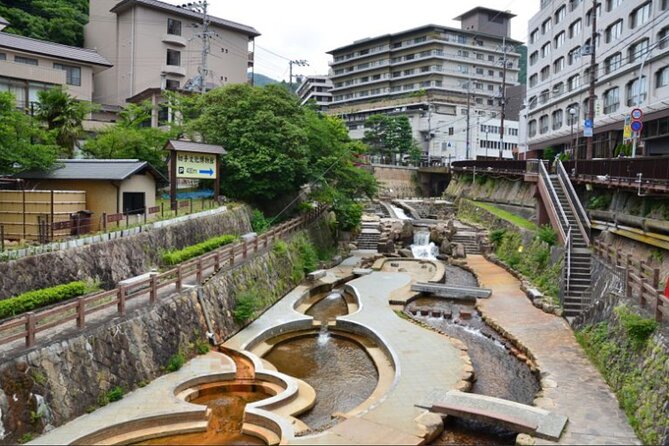
The largest part of the experience is reserved for Arima Onsen, with about two hours in the town. This is where the tour changes character.
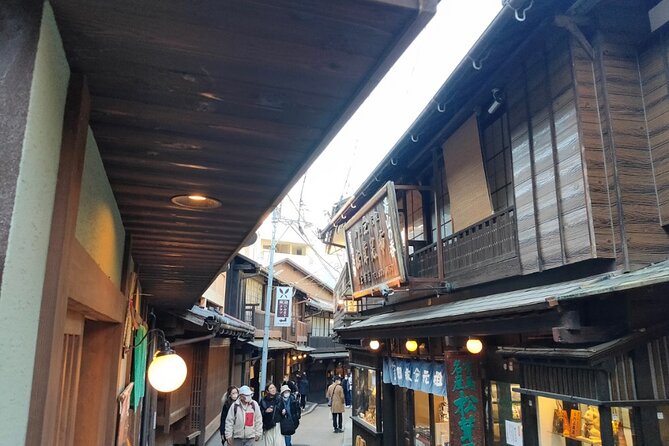
Arima sits beyond the Rokko mountain area and is known as one of Japan’s oldest hot-spring towns. Its appeal is not one single attraction. The pleasure comes from walking through a compact old town, noticing traditional details, browsing shops, and enjoying the change from Kobe’s port streets to a smaller mountain setting.
The town is described as walkable, and that matters. You can cover a good amount on foot without needing a complicated local transport plan. A free public hot foot bath is available in the area, making it possible to enjoy a small hot-spring experience without booking a full bath or paying for a major attraction.
The supplied tour details list admission as free for Arima Onsen, but they do not include a full bathing session. If you want to use a paid bath or purchase food and drinks, those costs are separate. Dinner is also not included.
Two hours is a useful amount of time, though it can pass quickly if you want to shop, eat, use the foot bath, and explore at an easy pace. You may need to choose your priorities. The tour is not presented as a full spa visit, so think of Arima as a guided town walk with time to explore, not as a resort package.
This is the portion most affected by the clock. The normal start is 10:00 in the morning, which gives Arima a better chance of being enjoyed in daylight. On one occasion, the tour shifted to the afternoon, and the late start meant Arima was too dark for the planned visit. If your date or meeting time changes, confirm the Arima plan before setting out.
What the price of $84.55 really covers
At $84.55 per person, this is not simply a paid walk around central Kobe. The price covers a guide, a route linking several districts, and help with a more complicated one-way finish in Arima.
The value is strongest if you want context and do not want to manage the entire day yourself. Kobe’s port, Chinatown, Ikuta-jinja, and Arima Onsen are easy to name, but combining them requires attention to timing and transport. Yuta’s role is to connect the stops and explain how to get back after the tour.
A small group also helps justify the price. The maximum is 10 people, and the group can be smaller. On one occasion, cancellations left a single participant with Yuta, turning the walk into a private-style experience. You cannot count on that happening, but the low maximum gives the tour a more personal feel than a large coach outing.
The price does not cover everything. Kobe Port Tower admission is separate, transport fares are not included, and food or dinner is your responsibility. The information also lists a transport fare from Teradacho to Shinimamiya as excluded, even though the stated meeting point is Motomachi Station. That detail does not match the main route description, so I would ask Yuta to confirm exactly which fares you may need to pay before booking.
A small gift is included for every participant. It is a pleasant extra, but the real value is the route and the guide rather than the gift itself.
The one-way finish at Arimaonsen Station
The tour ends at Arimaonsen Station, at the edge of the hot-spring town. The station is close to the central Arima area, but you do not finish back in Kobe’s main city center.
Getting from Arima back to central Kobe takes almost an hour. Yuta explains how to make the return trip yourself, which is important because the tour does not include a return transfer.
This arrangement works well if you want to stay in Arima after the guided portion. You can continue exploring, eat dinner, or use a bath at your own pace. It is less convenient if you have an evening reservation in central Kobe or need to return quickly to a ship, hotel, or train connection.
Plan the end of the day before you start. Keep your phone charged, have the mobile ticket available, and leave room in your schedule for the journey back. The tour provides guidance, but you remain responsible for your transport fare and return route.
The one-way design is not a flaw by itself. It is what allows the tour to connect the city with the mountain town in a single half-day. You simply need to accept that the experience ends with independent travel rather than a guided ride back to Motomachi.
Walking demands, group size, and flexibility
The tour requires moderate physical fitness. You will walk through several central districts, move around the waterfront, visit a shrine, and spend two hours in Arima. The route also connects Kobe with a mountain-area town, so it is not the best choice if you want a slow, seated sightseeing experience.
The group maximum of 10 keeps the format small. That makes it easier to ask questions and adjust the pace, especially when the group is tiny. Yuta has shown flexibility by changing the route to suit personal interests when a participant preferred a different focus.
That flexibility is useful, but it also means the exact flow may not always be identical. If you care most about seeing Arima in daylight, the port tower, or a particular Kobe district, say so early. A clear conversation at the start can help protect the stops that matter most to you.
The mobile ticket is convenient, and confirmation is provided at booking. Public transport is nearby, but you should still check the meeting point carefully. The tour starts at Motomachi Station and ends at Arimaonsen Station, so these are not interchangeable locations.
Who should book this Kobe and Arima combination
I would choose this tour if you have limited time in Kobe and want both the modern port side and the traditional hot-spring side. It is especially useful for a first visit, since the guide gives you a framework for understanding several central areas before sending you toward Arima.
It also suits people who enjoy walking, local explanation, and a small group. The route has enough variety to keep the morning moving: tower and harbor, Chinatown, shrine, then mountain town.
I would hesitate if you want a long soak, a relaxed restaurant meal, or extensive free time at every stop. Two hours in Arima is helpful but not generous if you want to combine bathing, shopping, eating, and sightseeing. I would also think twice if your schedule cannot absorb nearly an hour of return travel from Arima.
Book only after checking the date and start time. The morning departure is important because daylight makes the Arima portion more enjoyable. The experience is non-refundable and cannot be changed after booking, so the date needs to be firm.
FAQ
Where does the tour begin?
The tour begins at Motomachi Station in Kobe at 10:00 am. The stated meeting address is 1 Motomachikokadori, Chuo Ward, Kobe, Hyogo 650-0014, Japan.
Where does the tour end?
The tour ends at Arimaonsen Station, close to the Arima Onsen town area. It does not return you to central Kobe.
How long does the experience last?
The tour lasts approximately four hours. The listed time includes about one hour at Kobe Port Tower, 30 minutes in Nankinmachi, 30 minutes at Ikuta-jinja, and two hours in Arima Onsen.
Is admission included?
Admission is listed as free at Nankinmachi, Ikuta-jinja, and Arima Onsen. Kobe Port Tower admission is not included.
Are transport fares included?
Transportation fares are not included. The information also mentions a fare from Teradacho to Shinimamiya, so you should confirm with Yuta which transport costs apply to your specific departure.
Is dinner included?
No. Dinner, food, and beverages are not included.
How large is the group?
The experience accepts a maximum of 10 people. The group may be smaller, and the tour has sometimes operated with only one participant after other bookings were cancelled.
Should you book it?
Book this tour if you want Kobe in two contrasting acts: a port city shaped by international trade and an old mountain hot-spring town. The strongest points are the small group, Yuta’s flexible guiding, and the chance to see Arima without arranging the full route yourself.
Skip it if you need a return to central Kobe, a guaranteed long bath, or a slow day with little walking. For the best fit, keep the morning start, budget for tower entry and transport, and treat the final station-to-city journey as part of your planning.
Just added around Japan
- Samurai Guide Sho’s Mt. Takao Hike, Temple & Onsen from Shinjuku★ 5.0 · 9 reviews
- Tokyo Local Tattoo Friendly Public Bath Experience★ 5.0 · 4 reviews
- Japanese Head Onsen and Scalp Massage Retreat in Tokyo★ 4.5 · 2 reviews
- Mt. Fuji to Lake Kawaguchi, Lake Yamanaka and Onsen Day Tour★ 4.5 · 3 reviews
- Mt. Fuji Tours to Lake Kawaguchi and Yamanaka Onsen English Guide★ 4.5 · 4 reviews
- Tokyo City Adventures Private English Tour With Hotel Pickup★ 5.0 · 12 reviews
- Tattoo-friendly open-air Onsen & drink★ 5.0 · 25 reviews
- Private Tour to Snow Monkey, Zenkoji Temple & Hot Springs Nagano★ 4.0 · 2 reviews
Japanese Onsen Tours, compared.
Himeji Castle, Arima Onsen & Mt. Rokko Day Tour
Read our review →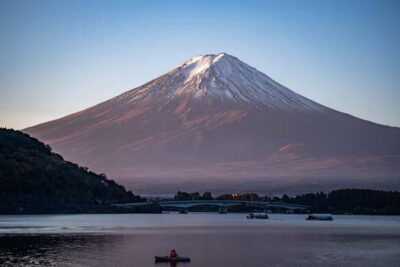
Private Tour to Fuji/Hakone – Onsen, Art, Nature
Read our review →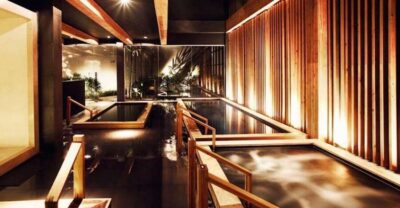
All-Day Pass to Yunomori Sathorn Onsen Bath and Spa
Read our review →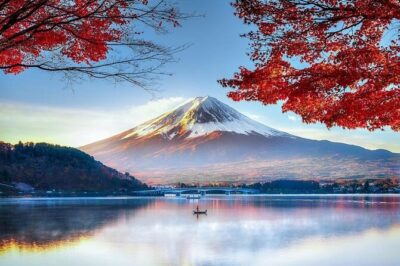
Mt. Fuji, Hakone Private Tour from Tokyo – Onsen, Arts and Nature
Read our review →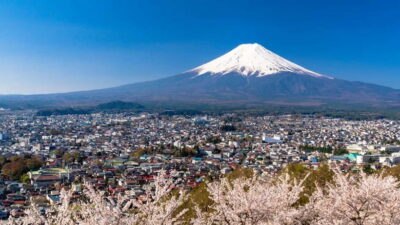
From Fukuoka: Mount Aso, Kurokawa Onsen, and Shrine Tour
Read our review →
Private Nagano 1-Day Tour:Snow Monkeys,Zenko-ji,Obuse,Sake,Onsen
Read our review →Browse the lists this tour appears in