
REVIEW · ITALY
2-Hour Guided Family Pasta or Pizza Cooking Class in Acqui Terme
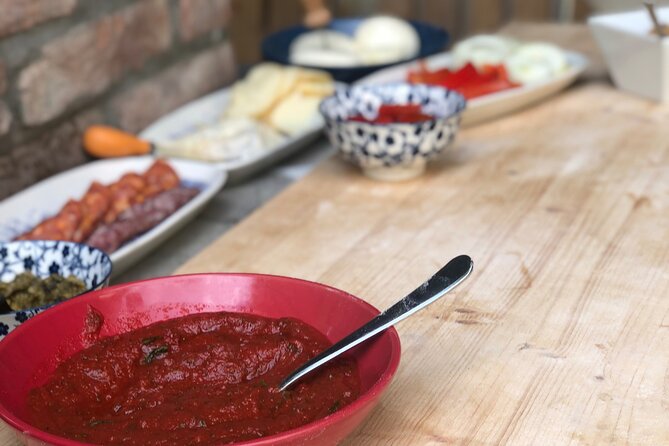
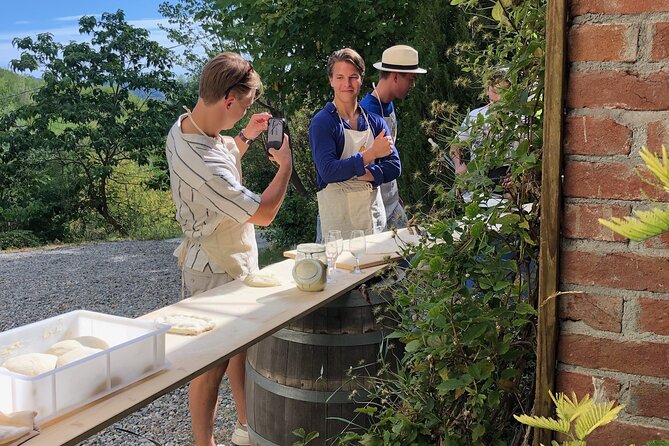
The best part of this Acqui Terme cooking class is that you do not simply watch someone prepare lunch. You mix, knead, shape, and cook your own pasta or pizza, then sit down under a portico to eat it with salad, local wine, and homemade dessert. Ariela leads the hands-on work in English, keeping the session personal with a maximum of eight people.
I like two things right away: the meal is part of the lesson, not an afterthought, and you leave with measured dough recipes so you can repeat the experience at home. The main thing to consider is the tight two-hour schedule. You get a useful introduction to pasta or pizza, but not a full culinary course covering several dishes.
Key points
- Choose your main project: Make fresh egg pasta with seasonal sauce, or stretch and top a stone-baked pizza.
- Ariela provides hands-on guidance: You work with the dough rather than simply observing a demonstration.
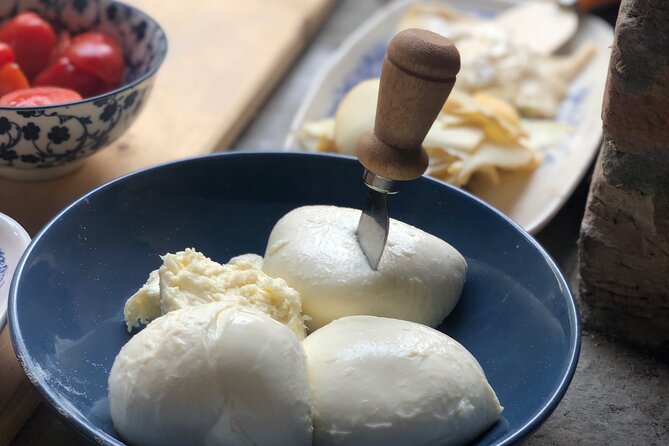
- The meal is included: Salad, local wine, and homemade dessert follow the pasta or pizza.
- The setting keeps the group small: No more than eight people take part at VerdmontItalia.
- You receive a recipe to take home: The dough measurements help you recreate the dish in your own kitchen.
- The class stays focused: At about two hours, it fits neatly into a day in Acqui Terme or the Langhe-Roero and Monferrato area.
Pasta or pizza, with lunch built into the lesson
This experience gives you two clear choices. You can make fresh egg pasta, or you can work with pizza dough and bake a pie in a stone oven. Both options follow the same basic rhythm: a short introduction, practical instruction, hands-on preparation, and a shared meal under the portico.
That structure matters. Many cooking activities separate the lesson from the food, leaving you to watch a chef prepare the final dish. Here, your work becomes the meal. You see the ingredients, handle the dough, and learn enough technique to understand why the finished pasta or pizza turns out the way it does.
The class takes place at VerdmontItalia in Acqui Terme, in the Langhe-Roero and Monferrato area of Piedmont. The activity begins and ends at Regione Faetta, 19/21. You will need to make your own way there, since no transportation is included in the details provided.
Other hot springs people book around Italy:
- Rome: Opera Concert at Palazzo Poli – Fontana di Trevi
★ 4.7 · 1,026 reviews - Ischia: Giardini Poseidon Thermal Park Official Entry Ticket
★ 4.8 · 464 reviews - Merano: Terme Merano Pools Entry Ticket
★ 4.4 · 240 reviews
The two-hour flow at VerdmontItalia
The opening is brief and useful. Ariela introduces the team, explains the ingredients, and outlines what you will do. That orientation helps you get your bearings before flour, dough, and cooking tools take over the table.
From there, the experience splits into the pasta or pizza option. If you are booking for a family or a mixed-age group, decide in advance which project suits everyone best. The supplied details describe both as hands-on, but you choose one main experience rather than making a complete menu of both.
The compact timing is one of the class’s strengths. Two hours is long enough to make the process feel real, yet short enough to fit around sightseeing in Acqui Terme. It also means the instruction stays focused. You will not spend the afternoon waiting through long demonstrations or moving between several unrelated dishes.
Making fresh pasta from flour to plate
The pasta session begins with measuring and combining the ingredients. This is a small but valuable step because you learn the proportions rather than receiving a pre-made lump of dough. You can see how the mixture changes as you work it.
Ariela demonstrates kneading techniques, then gives you time to work your own dough. This hands-on stage is where the class earns its keep. Pasta dough can feel simple until you try to bring it together, and the chance to receive guidance while kneading is more useful than watching a polished chef do it alone.
The dough then rests. While you wait, the group prepares a seasonal sauce. The sauce changes with the season, and the class explains the ingredients used in it. That gives the meal a local and practical character without turning the lesson into a long lecture.
Next comes shaping. You roll the dough into flat pasta sheets using both a rolling pin and a pasta machine. Then you cut it by hand. I like this combination because you get a feel for the old-fashioned method while also learning how a machine makes the dough thinner and more even.
The class cooks the pasta after it is cut, combines it with the fresh seasonal sauce, and serves it at the table under the portico. Salad, a local wine, and homemade dessert accompany the main dish. Your finished plate is not a sample to take home. It is the lunch you have helped create.
This option suits you best if you want to understand the mechanics of fresh pasta. You measure, knead, rest, roll, cut, and cook. The process is more involved than simply adding toppings to a pizza, so it may appeal especially to anyone hoping to take a traditional kitchen skill home.
Stretching dough and firing the stone oven
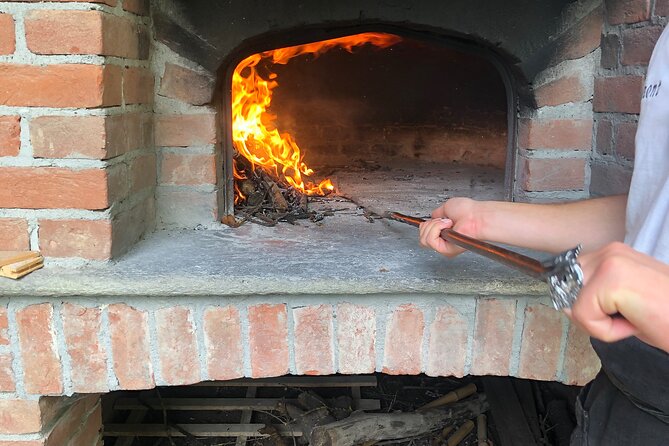
The pizza version begins with the oven. You learn how to light it, which gives the class a practical edge that a standard pizza demonstration may skip. You also learn how to fold the pizza dough before working with it.
You then receive dough to stretch by hand. After that, you add toppings of your choice and load the pizza into the oven. The sequence is easy to follow, but it still gives you several useful skills: handling the dough, shaping the base, choosing toppings, and transferring the pizza into a hot oven.
The finished pizza is described as light and crisp, with a stone-baked crust. You eat it family style under the portico, accompanied by salad, local wine, and a homemade dessert. That meal setup makes the pizza option feel like more than a quick lunch. It becomes a shared table experience after the work is done.
I would choose pizza if you want the simplest route into the class, especially with children or a group that prefers a faster result. The pizza process has fewer stages than the pasta option. On the other hand, you should pick pasta if your main goal is to learn a dough that you can shape into several meals at home.
Same place, a different kind of soak:
- Chianciano Terme: Theia Thermal Pools Entrance Ticket
★ 4.4 · 185 reviews - Rome: Terme di Caracalla Skip-the-line Entry Ticket
★ 3.7 · 182 reviews - Merano: Terme Merano Pools and Sauna Entry Ticket
★ 4.5 · 133 reviews - From Montecatini Terme: Wine Experience in Tuscan Farm
★ 4.8 · 120 reviews
Why the shared meal adds real value
The $108.02 per-person price is not just paying for a cooking demonstration. It covers a guided, hands-on activity, the ingredients used for your main dish, and a meal with salad, local wine, and homemade dessert. You also receive the dough recipe and measurements afterward.
That makes the price easier to assess than a class that charges for instruction but leaves you to arrange lunch separately. In a food-focused part of Italy, the meal is a central part of the experience, not a minor extra.
The local wine adds to the regional feel, but keep in mind that the meal is described as including wine rather than a broad tasting session. You should expect an accompaniment to lunch, not a dedicated wine lesson.
The shared format also helps create a relaxed finish. Once the cooking is over, you sit under the portico and eat what you made. That pause gives you time to enjoy the food instead of rushing straight to the next activity.
A small group makes the instruction more useful
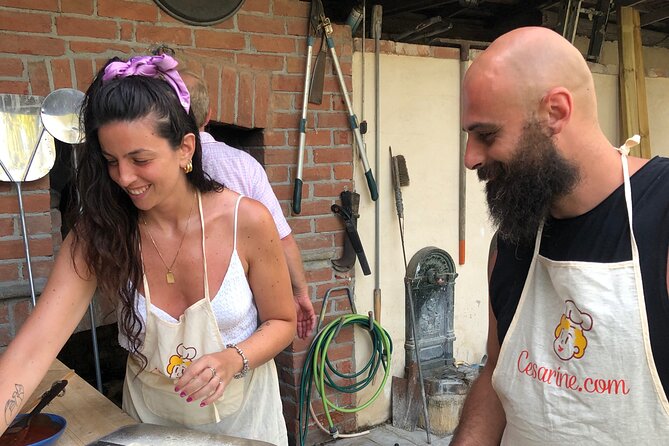
The maximum group size is eight people. That is a good number for a kitchen class because it leaves room for individual work without turning the session into private instruction.
Ariela’s role appears central to the experience. She welcomes the group, explains the steps, and guides the dough work. A personal account describes her as both welcoming and clear in her explanations, which fits the needs of a class where the value depends on practical guidance.
The small group also matters if you are traveling with family. Children and first-time cooks can work at their own pace more easily than they could in a large class. Still, the supplied information does not give a minimum age, so you should confirm age suitability directly if that is important for your booking.
The class is offered in English. That makes the instructions accessible to English-speaking visitors, though the food itself remains firmly tied to the local setting through seasonal sauce, local wine, and the Italian pasta and pizza traditions.
The portico setting and the rhythm of the day
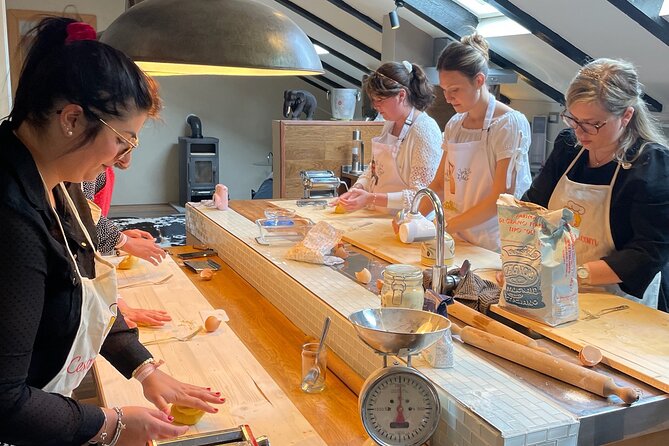
The meal takes place under the portico at the meeting point. This is a pleasant change from eating at the same crowded restaurant table you might find in a town center. The setting keeps the focus on the food, the people at your table, and the work you have just completed.
You should plan your day around the fixed meeting point in Acqui Terme. The activity starts and finishes at VerdmontItalia, Regione Faetta, 19/21, 15011 Acqui Terme AL, Italy. Since transportation is not listed, allow enough time to reach the address on your own.
The activity is mobile-ticket friendly, and confirmation is received at booking. Those details make the practical side simple, but they do not replace checking the meeting time and route before you set out.
Because the class lasts about two hours, it works well as a morning or midday plan. The supplied details do not specify an exact start time, so you should check that when booking and leave room for the meal at the end.
Who will get the most from this class
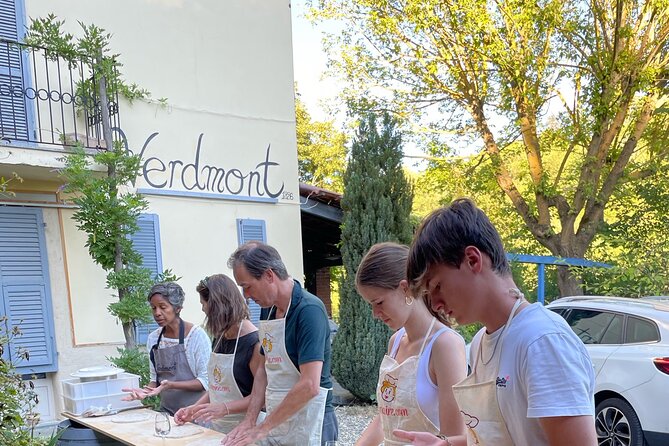
I would recommend the pasta option to you if you enjoy learning a technique step by step. Measuring ingredients, kneading, resting, rolling, cutting, and cooking give you a clear sense of how handmade pasta comes together.
The pizza option is a strong fit if you want an easygoing family activity. Children can take part in stretching dough and choosing toppings, while the oven and shared meal add a sense of occasion. Since the group is limited to eight, the class should feel more manageable than a large demonstration.
This experience also works for couples. A past booking by a husband and wife focused on pasta with Ariela, and the personal nature of the instruction was a key part of their enjoyment. The class gives you an activity to share, followed by a meal that does not require finding another restaurant.
It may be less suitable if you want a wide-ranging cooking course. You make either pasta or pizza, not a full Piedmontese menu, and the two-hour format leaves little time for advanced methods or several courses.
Most people can participate, and service animals are allowed. Specific dietary accommodations, age rules, and ingredient substitutions are not provided, so you should ask before booking if anyone in your group has special needs.
What to bring home besides the recipe
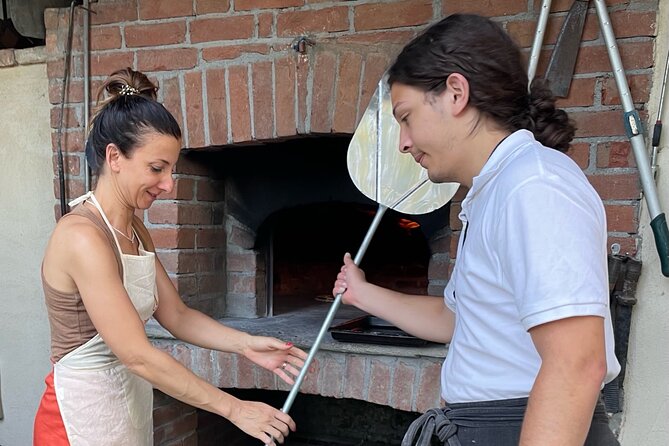
The take-home dough recipe is one of the most practical features. You receive measurements for either pasta dough or pizza dough, so the class can continue in your kitchen after your holiday ends.
A recipe alone can be vague. Here, you will have already measured the ingredients, handled the dough, watched the texture change, and seen the finished result. That memory gives you a better chance of judging the dough when you make it again.
You will not take home the pasta or pizza itself, since you eat it during the class. The lasting souvenir is the method: how to knead, how to rest the dough, how to roll or stretch it, and how to work with the cooking equipment shown during the session.
Booking, cancellation, and practical value
The price is $108.02 per person, and the experience is often booked about 22 days ahead. That advance pattern suggests you should not leave it until the last moment if your dates are fixed, particularly because the group is limited to eight.
Free cancellation is available up to 24 hours before the local start time for a full refund. Cancellations or changes made inside that 24-hour window are not accepted for a refund. This is flexible enough for normal itinerary planning, but you should make your final choice of pasta or pizza before the class begins.
The meeting point is also the end point, which keeps the activity straightforward. You do not need to arrange a second pickup location after lunch.
Should you book the Acqui Terme pasta or pizza class?
Book it if you want a small, hands-on food experience with the meal included. The strongest reasons are the limited group size, Ariela’s direct guidance, the chance to make your own dough, and the relaxed meal with wine, salad, and dessert under the portico.
Choose pasta if learning technique matters most. Choose pizza if you want a simpler family activity with a quick, satisfying finish. At $108.02, the value is reasonable for a two-hour lesson plus a complete meal and recipe, though anyone seeking a long, advanced culinary course should look elsewhere.
If you are already planning time in Acqui Terme, this class gives you a useful way to connect the town and its food traditions. I would reserve it in advance, confirm the start time and any dietary questions, and treat the recipe as part of the experience rather than a small souvenir.
FAQ
Where does the cooking class take place?
The class takes place at VerdmontItalia, Regione Faetta, 19/21, 15011 Acqui Terme AL, Italy.
How long does the experience last?
The cooking class lasts approximately two hours.
Can I choose between pasta and pizza?
Yes. You can choose the fresh egg pasta experience with seasonal sauce or the stone-baked pizza experience with toppings of your choice.
Is food and wine included?
Yes. Both options include salad, local wine, and homemade dessert with the pasta or pizza you prepare.
How many people can join the class?
The activity has a maximum of eight participants.
What is the cancellation policy?
You can cancel at least 24 hours before the local start time for a full refund. Cancellations and changes made less than 24 hours before the start time are not accepted for a refund.
More 2-Hour Experiences in Italy
- 2-Hour Deep Blue Hot Springs in Warrnambool
★ 4.5 · 160 reviews - 2 Hour Onsen Calligraphy Experience
★ 5.0 · 11 reviews - Thrilling 2-Hour Zipline Tour in Radium Hot Springs
★ 5.0 · 9 reviews - Private Blue Lagoon Tour from Reykjavik: 2 Hour Spa Experience
★ 5.0 · 4 reviews
More Workshops in Italy
- Surf Lesson Caldas da Rainha
★ 5.0 · 5 reviews - Hot Spring Dyeing Workshop in Beppu
★ 5.0 · 4 reviews - Hands On Pottery Workshop in Arima Onsen
★ 5.0 · 3 reviews
Just added around Italy
- Venice Airport (VCE) to Abano Terme – Round-Trip Private Transfer★ 5.0 · 2 reviews
- Saturnia Thermal & Wellness from Civitavecchia Port★ 5.0 · 8 reviews
- E-Bike Tour fortresses and mountains near the Free Baths of Saturnia★ 5.0 · 10 reviews
- Saturnia’s thermal waters a hike through history★ 5.0 · 2 reviews
- Bassano del Grappa Tour: from Padua and Abano/Montegrotto Terme★ 5.0 · 2 reviews
- Saturnia and Città del Tufo in E Bike★ 5.0 · 2 reviews
- Saturnia Thermal Spring Small Group Day Trip from Rome with Lunch★ 5.0 · 13 reviews
- Private Full-day Cascate del Mulino Hot Springs from Rome★ 5.0 · 31 reviews
Hot Spring Tours, compared.
Volcanic Islands Cruise with Hot Springs Visit
Read our review →
Mount Batur Sunrise Guided Hike and Natural Hot Spring
Read our review →
Sky Lagoon Entrance Pass With 7-Step Spa Ritual
Read our review →
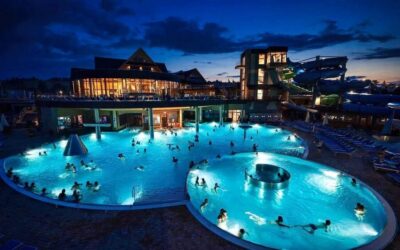
Zakopane, Thermal Springs, Cable Car, Local Tasting
Read our review →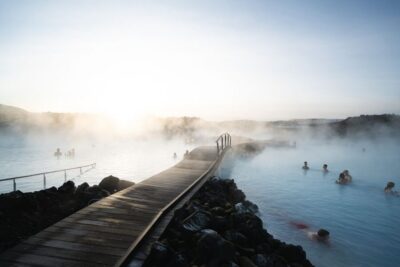
Golden Circle, Kerid Crater, & Blue Lagoon Tour
Read our review →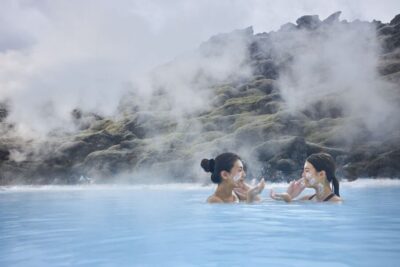
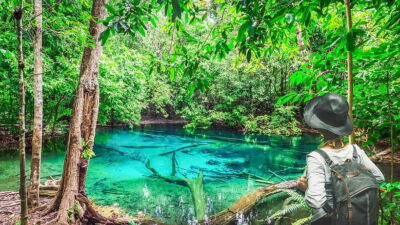
Tiger Cave Temple, Emerald Pool and Hot Springs Tour
Read our review →Browse the lists this tour appears in