
REVIEW · TAURANGA
Te Puia Geothermal, Kiwi and Māori Art
Te Puia gives you a full day of geysers, Māori culture and kiwi conservation in Rotorua, with transport from Tauranga included. You’ll see Pōhutu Geyser, watch poi and haka in a carved meeting house, and visit the Kiwi Conservation Centre. I like the small group size of up to 15 and the useful snacks, bottled water and scenic drive.
I also like the range of Rotorua stops, from the geothermal activity at Kuirau Park to the Government Gardens and Sulphur Point. The main caution is timing: a six to eight-hour day includes a long drive, and the Māori performance schedule needs careful checking. One past departure missed the performance because the show time was communicated incorrectly, while another did not make every advertised short stop.
Key points to know before you book
- Pōhutu Geyser is the star attraction: Te Puia brings you close to the largest naturally active geyser in the Southern Hemisphere.
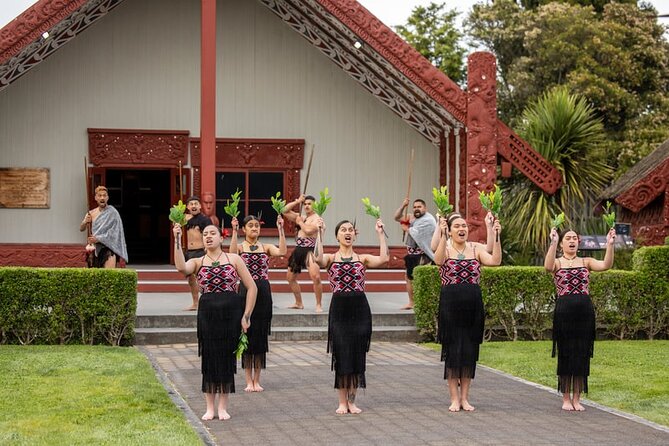
- Māori culture is a central part of the day: Expect a welcome, songs, traditional chant, poi and haka in a carved meeting house.
- The Kiwi Conservation Centre adds a rare wildlife encounter: You can see New Zealand’s national bird in a purpose-built facility.
- The trip begins and ends at Port of Tauranga: The return timing is planned around your ship’s sailing schedule.
- This is a small-group excursion: The maximum group size is 15 people, with a driver-guide handling the route.
- Lunch is your responsibility: Snacks and water are supplied, but you stop in Rotorua to buy lunch.
From Tauranga to Rotorua, with the windows doing some work
The day starts at Port of Tauranga, at 2 Salisbury Avenue in Mount Maunganui. From there, allow about one to one and a half hours for the drive to Rotorua. That is a fair stretch of road, but the trip includes bottled water and snacks, so you are not left to fend for yourself before reaching Te Puia.
The drive is part of the outing rather than dead time. You get changing views as you leave the port area and head inland, and the guide handles the route while you look out the window. Since the group is capped at 15, this should feel more personal than a large coach excursion, though the vehicle itself does not have a loudspeaker.
That last point matters. One passenger found it difficult to hear the driver at times, so sit near the front if you want the best chance of catching every comment. If the guide is explaining Māori traditions, geothermal features or the day’s timing, a quiet seat close to the front can make a real difference.
The day is designed as a shore excursion, not an overnight Rotorua visit. The operator plans to return you to the port well before sailing, which is reassuring if you are travelling by ship. Still, a long drive, several short stops and a two-hour main visit mean the schedule must run neatly. You will see a lot, but you will not have unlimited time at any one place.
A few more hot spring trips around New Zealand worth a look
- Rotorua: Wai-O-Tapu Geothermal Park Entry Ticket
★ 4.6 · 2,601 reviews - Rotorua Forest Hot Tub Soak at Secret Spot
★ 5.0 · 556 reviews - Wai-O-Tapu Thermal Wonderland, Rotorua, New Zealand
★ 4.5 · 379 reviews
Te Puia brings geothermal power and Māori art together

Te Puia is the main event, and you have about two hours there with admission included. That is enough time to get a strong introduction to the site, but it is not enough for a slow, all-day exploration of every corner.
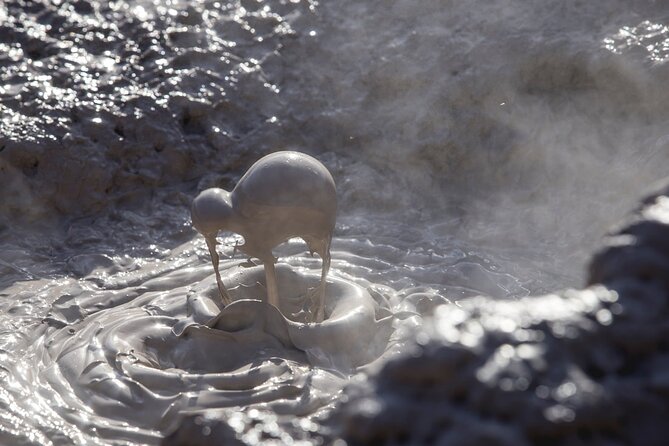
The geothermal area features active geysers, bubbling mud and native bush. The most important sight is Pōhutu Geyser, described as the largest naturally active geyser in the Southern Hemisphere. Its eruptions do not run on a visitor-friendly timetable, so you may not see its biggest boiling peak during your visit. That is simply part of seeing a working geothermal area rather than a staged attraction.
Even without a dramatic peak, the steaming ground and bubbling mud make Te Puia memorable. Stay on marked paths and follow the guide’s directions around the hot ground. This is not a place for casual wandering away from barriers.
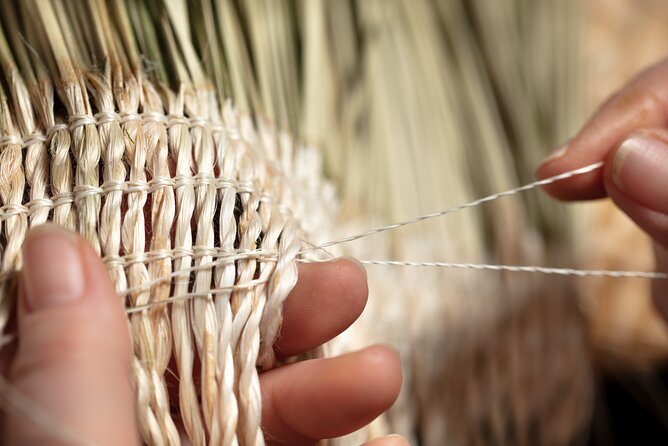
Te Puia also houses the New Zealand Māori Arts and Crafts Institute. That gives the visit more weight than a quick photo stop at a geyser. Māori carving and craft traditions are presented alongside the geothermal setting, helping you connect the land with the culture that developed around it.
Your guided visit is especially valuable if you want context, rather than just a collection of views. The exact route and amount of commentary can vary, but the included admission and guide give you a structured way to see the site within the limited time available.
The Māori performance is worth protecting on your schedule
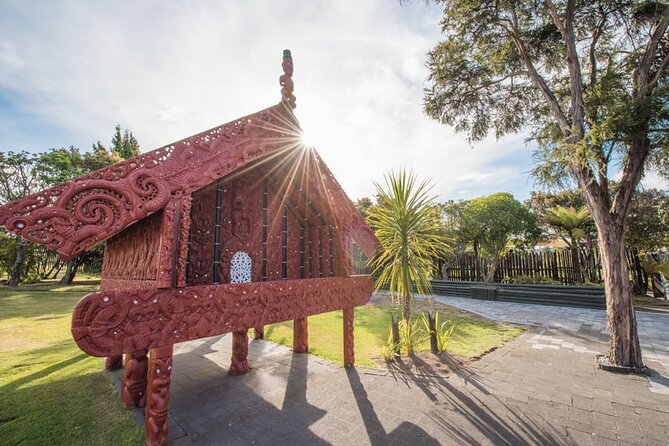
The cultural performance takes place in a beautifully carved meeting house. It includes a traditional Māori welcome, song, chant, poi and haka. This is one of the most distinctive parts of the day because it gives you a direct presentation of Māori performance traditions, not just an explanation from behind a display.
The performance schedule is important. One departure missed the show after the local operator received the wrong time, and the mistake had a major effect on the day for that family. If the cultural performance is your main reason for booking, confirm the scheduled time as soon as the day begins and make sure your driver knows it matters to you.
The poi and haka are likely to be the most memorable elements for many people, but the welcome and song matter too. You are seeing a formal cultural presentation in a carved meeting house, so pay attention to the setting and the sequence, not only the more dramatic moments.
The performance also gives Te Puia a stronger sense of place. Without it, your visit could feel mainly like a geothermal outing. With it, the day covers two sides of Rotorua: the powerful volcanic activity underfoot and the living Māori culture connected to the region.
The Kiwi Conservation Centre adds a rare New Zealand symbol
Te Puia’s newer Kiwi Conservation Centre gives you an up-close look at the New Zealand kiwi. For many people, this may be the best chance during a short North Island visit to see the country’s famous flightless bird in a dedicated conservation setting.
Kiwi are not easy to spot in ordinary outdoor conditions, so the centre makes this part of the experience more reliable than simply hoping to find one in native bush. The visit also adds variety after the geothermal area and cultural performance. You move from steam and mud to wildlife and conservation.
The supplied information does not promise a particular viewing setup or length of time inside the centre, so keep your expectations practical. You are guaranteed entry, but not a specific animal display or behaviour. A kiwi may be active, quiet or partly hidden when you visit.
For families and first-time visitors to New Zealand, this is a useful part of the program. It gives you a chance to see an important native species without adding another separate attraction to the day.
Same place, a different kind of soak:
- Rotorua: Hell’s Gate Outdoor Mud Spa & Guided Walk
★ 4.7 · 1,140 reviews - Rotorua: Polynesian Spa Pavilion Hot Pool Bathing (12+ yrs)
★ 4.4 · 376 reviews - Polynesian Spa Rotorua: Deluxe Lake Spa Hot Spring Bathing
★ 4.5 · 358 reviews - Rotorua: Secret Spot Hot Tubs
★ 4.8 · 326 reviews
Four short Rotorua stops, with different levels of value

After or around the main Te Puia visit, the route includes several short Rotorua stops. Their value depends heavily on timing. At 15 minutes, you can get your bearings and take a few photos, but you should not expect a full walk or detailed visit at every location.
Redwoods, Whakarewarewa Forest
The Redwoods are part of the 55,000-hectare Whakarewarewa Forest, a large recreation area used by walkers, hikers, horse riders and mountain bikers. The Californian redwoods give this stop a very different feel from Te Puia’s open geothermal ground.
The listed stop is only 15 minutes. That is enough for a brief look and perhaps a short stretch of the legs, not a proper forest walk. Also, timing is a real concern here. One departure did not make a stop at the Redwoods, so treat this as a possible short photo stop rather than the reason to book the excursion.
Government Gardens
The Government Gardens sit near central Rotorua and offer open green space around several recreation facilities, including bowling, petanque, croquet and a golf course. The setting provides a calmer contrast to steaming vents and bubbling mud.
Again, 15 minutes is brief. You can look around, take photos and get a taste of the area, but you will not have time to explore the gardens in detail. If you enjoy historic public gardens, you may wish this stop were longer.
Sulphur Point
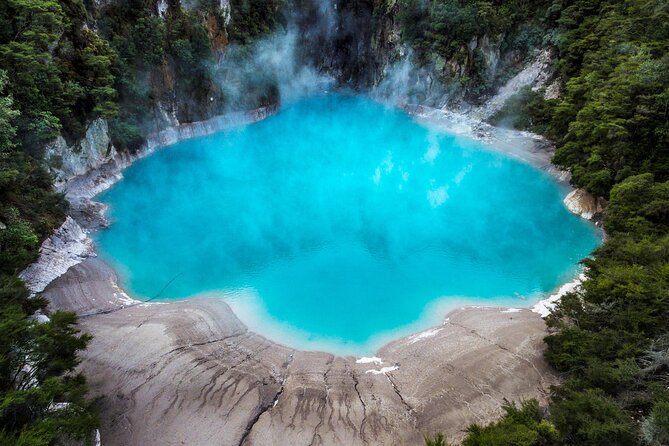
Sulphur Point, at the southern end of Lake Rotorua, shows another side of the region’s geothermal activity. The bay’s changing conditions and sulphurous setting make it a worthwhile stop for anyone interested in how geothermal forces shape the area.
The planned time is 15 minutes, and one departure did not stop there. That makes the same practical point as the Redwoods: the short visits are secondary to Te Puia, and the actual day may need to adjust for traffic, site timing or the performance schedule.
Kuirau Park
Kuirau Park receives about 30 minutes, making it the longest of the short Rotorua stops. Walking tracks lead to several areas of geothermal activity, and you can see steaming ground and other active features without paying another admission fee.
Stay on the cool side of the safety fences. New eruptions can occur, so this is not the place to step off the path for a better photograph. Kuirau Park was a highlight for one departure, and I can see why: it offers a direct, accessible look at Rotorua’s geothermal character without the polished structure of a major attraction.
Of the four shorter stops, Kuirau Park has the best chance of feeling like a real visit rather than a quick roadside pause. Even so, 30 minutes goes fast.
What the $148.94 price really covers
At $148.94 per person, this is not a bargain-basement sightseeing ride, but the price includes several useful pieces: transport from the port, a driver-guide, snacks, bottled water, admission to Te Puia and the main cultural and geothermal attractions there.
You are also paying for convenience. Arranging Te Puia independently from Tauranga would mean managing the long drive to Rotorua, entry, parking or transport, the performance timing and the return to the ship. This tour puts those elements into one day and provides a planned return to Port of Tauranga.
The value is strongest if you want one organized Rotorua day and do not want to arrange a rental car or separate transfers. It is less compelling if your priority is spending a long, relaxed period in one place. The short stops can feel rushed, and lunch costs extra.
A practical budget should include the meal in Rotorua. Snacks and water cover the road, but they do not replace lunch. The tour does stop so you can buy food, yet you should not assume the price includes a restaurant meal or a set menu.
Who will get the most from this day
I would recommend this experience to first-time visitors who want a broad introduction to Rotorua without giving up their ship-based itinerary. You get geothermal activity, Māori arts, a cultural performance, kiwi conservation and several city sights in one outing.
It also suits families and mixed-age groups because the day changes pace often. You are not walking around geothermal paths for six hours. The vehicle, performance, wildlife centre and short scenic stops break the day into manageable sections.
It is a good match for anyone who values cultural context. Te Puia is not only about seeing steam and mud. The meeting house performance and Māori Arts and Crafts Institute add meaning and give you a better sense of the area’s people and traditions.
You may want a different plan if you dislike tight schedules, long vehicle rides or uncertain stop times. You should also think twice if seeing the Māori performance is non-negotiable unless you confirm the schedule carefully at the start. The operator has acknowledged a past timing error, so this is the one detail I would actively check.
Comfortable footwear is recommended. The experience is listed as suitable for most people, and service animals are allowed. It is also near public transportation, though the tour itself begins and ends at the port meeting point.
Timing, weather and the return to your ship
The full outing lasts about six to eight hours. That range gives you a useful warning: the exact length is not fixed to the minute. The route includes a one to one and a half-hour drive each way, a two-hour Te Puia visit, lunch time and the short Rotorua stops.
Because the activity is built around a ship departure, the return transfer matters as much as the sights. The stated plan is to get you back to your ship well before sailing. I would still give the driver your exact sailing time and listen for any changes during the day.
Weather can also affect the schedule. The experience requires good weather, and poor conditions may lead to a different date or a full refund. If the minimum number of people is not met, the operator may offer another date or experience, or a full refund.
You can cancel for a full refund up to 24 hours before the start time. Changes or cancellations inside that window are not accepted for a refund. Keep the local cut-off time in mind if your ship’s schedule changes.
What I would do on the day
I would arrive ready for a long but varied day, with comfortable shoes and a little patience for the drive. I would sit near the front of the vehicle so I could hear the driver clearly, especially since the bus does not have a loudspeaker.
At Te Puia, I would confirm the Māori performance time before wandering anywhere. I would then make sure the group returns to the meeting point promptly, because missing that performance would remove one of the day’s main cultural experiences.
I would treat the Redwoods, Government Gardens and Sulphur Point as welcome extras rather than guaranteed long visits. Kuirau Park deserves particular attention if the timing holds, since its geothermal paths can give you a more direct feel for Rotorua.
Should you book Te Puia from Tauranga?
Book it if you want a well-rounded Rotorua introduction with port transfers, Te Puia admission, Māori performance, kiwi viewing and a small group. The combination offers solid value for a first visit, especially when you want the operator to handle the long drive and ship-day timing.
Book with caution if you want slow exploration or if every listed short stop is essential. The main Te Puia experience is the reliable core, while the Redwoods and Sulphur Point may receive only a brief visit or could be dropped if the schedule tightens.
My advice is simple: choose this tour for Te Puia, Pōhutu Geyser, Māori culture and the Kiwi Conservation Centre. Regard the other Rotorua stops as bonuses, confirm the performance time early and budget separately for lunch. That approach gives you the best chance of enjoying what this day does well.
FAQ
Where does the tour begin and end?
The tour begins at Port of Tauranga, at 2 Salisbury Avenue, Mount Maunganui 3116, New Zealand. It ends back at the same meeting point.
How long does the experience last?
The full experience lasts approximately six to eight hours. The drive from Tauranga to Rotorua takes about one to one and a half hours each way.
Is admission to Te Puia included?
Yes. Admission to Te Puia is included in the tour price.
What can I see at Te Puia?
You can see geothermal features including geysers and bubbling mud, visit the New Zealand Māori Arts and Crafts Institute, attend a Māori cultural performance and visit the Kiwi Conservation Centre.
Is lunch included?
No. Lunch is not included. The tour stops in Rotorua so you can purchase lunch.
Are snacks and drinks provided?
Yes. Bottled water and snacks are included. Towels for the foot spa are also listed as included.
How many people can join the tour?
The tour has a maximum group size of 15 people.
What is the cancellation policy?
You can cancel at least 24 hours before the experience start time for a full refund. Cancellations or changes made less than 24 hours before the start time are not accepted for a refund. If poor weather or an insufficient number of people causes cancellation, you will be offered another date or experience, or a full refund.
Just added around New Zealand
- Whakarewarewa: Self-Guided Geothermal Trails★ 4.5 · 41 reviews
- West Auckland: Sunset with Thermal pool & Wine Tasting★ 5.0 · 3 reviews
- WAI-O-TAPU Geothermal, Rotorua – Group Day Tour Ex Auckland★ 4.3 · 4 reviews
- Tauranga Private Shore Excursion: Wai-O-Tapu Thermal Wonderland★ 5.0 · 9 reviews
- Wai-O-Tapu Geothermal Valley, & Hot River★ 5.0 · 4 reviews
- Hells Gate Geothermal, Mud & Sulphur Spa★ 4.0 · 7 reviews
- Tauranga: Mount Maunganui Hot Pools Experience★ 4.5 · 7 reviews
- Waimangu Geothermal Valley & Lake Rotomahana Tour – 7hrs★ 5.0 · 32 reviews
Hot Spring Tours, compared.
Volcanic Islands Cruise with Hot Springs Visit
Read our review →
Mount Batur Sunrise Guided Hike and Natural Hot Spring
Read our review →
Sky Lagoon Entrance Pass With 7-Step Spa Ritual
Read our review →
Zakopane, Thermal Springs, Cable Car, Local Tasting
Read our review →
Golden Circle, Kerid Crater, & Blue Lagoon Tour
Read our review →
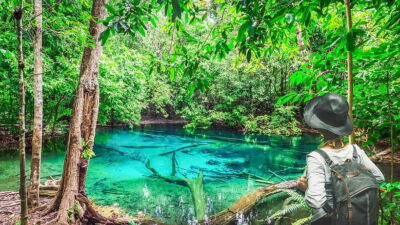
Tiger Cave Temple, Emerald Pool and Hot Springs Tour
Read our review →Browse the lists this tour appears in