
REVIEW · OSAKA
Solaniwa Onsen: Osaka Bay Tower
Solaniwa Onsen turns a normal bath into a full Osaka outing, with nine hot spring baths below and a 3,000-square-meter rooftop garden above. I like the open-air and garden-view baths, plus the easy English information that makes the place less intimidating if this is your first Japanese onsen. I also like that towels, face towels, and in-house clothes are included. The main drawback is cost: food and drinks inside can feel high, and the 150-yen bathing tax is extra.
The Bentencho location is near public transportation, and you can stay for a quick soak or most of the day. I like the mix of bathing, saunas, footbaths, arcade games, festival-style stalls, fish foot spa, and Japanese dining. Just check the tattoo rules carefully before you go, since the official conditions are strict even though a private-bath user reported being able to use a cover patch.
Key points at a glance
- Nine bath types: Try natural hot spring water, an open-air bath, a garden-view bath, and a carbonated spring bath.
- Rooftop Tenku Garden: Walk among seasonal trees, flowers, waterfalls, and a display of a thousand torii gates.
- Long, flexible visit: Plan anywhere from 4 to 12 hours, depending on how much time you give the baths, garden, food, and games.
- Easy first onsen choice: English information, included towels, and rental in-house clothes reduce the usual first-visit guesswork.
- More than bathing: You can add a fish foot spa, arcade and carnival-style games, gacha stations, live shows, and food.
- Important restrictions: A 150-yen bathing tax is paid on-site, and people with tattoos, tattoo stickers, tattoo paint, gang affiliations, or alcohol impairment cannot use the service under the stated rules.
A Hot Spring Town Inside Osaka Bay Tower
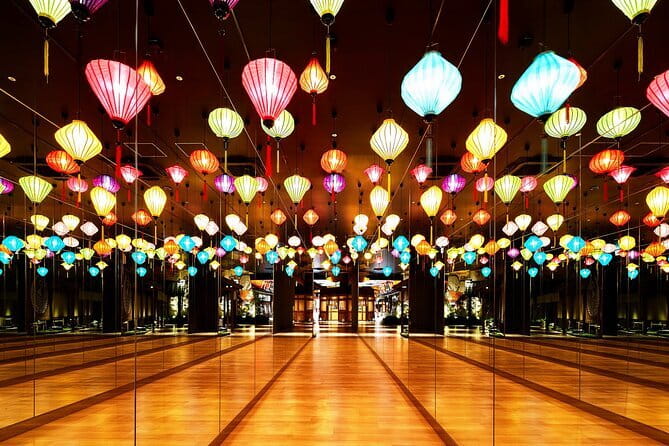
Solaniwa Onsen is not a quiet village bathhouse. It is a large indoor entertainment complex designed to feel like a traditional Osaka hot spring town, with bathing at its center and plenty to do around it.
That distinction matters. If you want a small neighborhood sento where local residents come and go, this is not that experience. If you want a comfortable place to spend several hours without leaving the city, Solaniwa makes more sense. You can bathe, change into the provided in-house clothes, eat, walk through the garden, and take a break from sightseeing without arranging a separate day trip.
The setting also gives the place a useful advantage. You remain in central Osaka, near Bentencho, rather than spending much of your day reaching a remote hot spring town. The facility is near public transportation, and clear directions from JR Osaka Loop Line’s Bentencho Station make the approach fairly simple.
The atmosphere aims for old Japan, but the operation is built with international visitors in mind. English information is available, which helps with bath etiquette and general orientation. You still need to pay attention to the facility’s rules, but you are not left to decode every sign on your own.
More Onsen Tours in Japan:
- From Osaka: Himeji Castle, Arima Onsen & Mt. Rokko Day Tour
★ 4.6 · 339 reviews - From Tokyo: Private Tour to Fuji/Hakone – Onsen, Art, Nature
★ 5.0 · 116 reviews - Mt. Fuji, Hakone Private Tour from Tokyo – Onsen, Arts and Nature
★ 5.0 · 79 reviews
Nine Baths Using Water From 1,000 Meters Below
The bathing area is the main reason to come. The slightly alkaline natural hot spring water is called Beautiful Hada no Yu, and it rises from about 1,000 meters underground.
You get nine types of baths to choose from. The exact appeal depends on your mood, but the variety makes it easy to move from one pool to another rather than settling into a single tub. An open-air bath gives you a change of air, while the garden-view bath connects the bathing area with the Japanese design outside it. The carbonated spring bath offers a different feel from the natural hot spring pools.
I like this setup for a first onsen visit because you can sample the experience without committing to a long, silent soak. Try one bath, cool down, move to another, and take your time. The water itself is only part of the appeal. The contrast between indoor facilities, outdoor bathing, garden views, and sauna time gives the visit a rhythm.
Saunas and scrubbers add to the traditional bathhouse routine. The scrubber service is not simply another pool, so you should treat it as an optional add-on rather than part of the basic admission. The supplied information does not give separate prices or operating details for these services, so check on-site if you want to use them.
As with any Japanese public bath, you should expect the bathing area to follow standard onsen customs. Solaniwa’s rules are clearly important, particularly regarding tattoos, alcohol, and conduct. Admission includes bath towels and face towels, so you do not need to pack those basics.
Tenku Garden and the Thousand Torii Gates
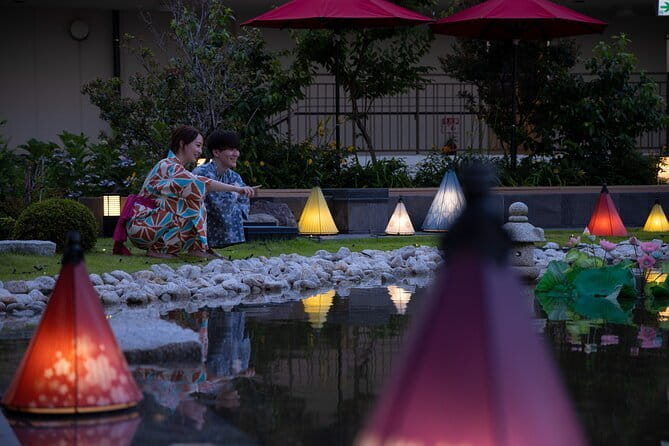
The rooftop Tenku Garden covers about 3,000 square meters. That is a generous amount of outdoor space for a facility in the middle of Osaka, and it changes the pace of the visit.
After hot bathing, the garden gives you a place to slow down without sitting in another indoor room. Seasonal trees and flowers provide the main natural interest, while waterfalls, a thousand torii gates, and other displays create a deliberately theatrical Japanese setting.
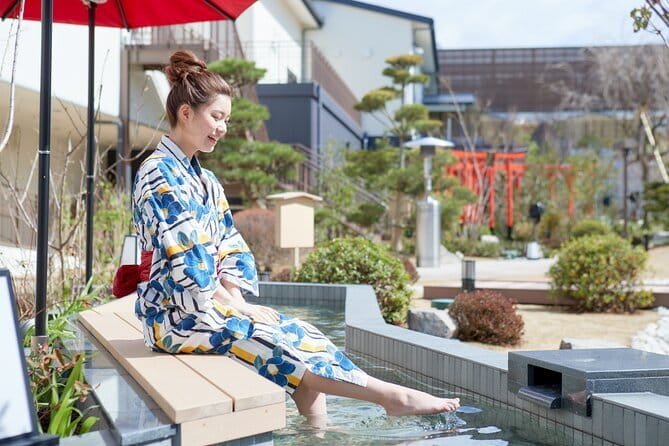
The footbath area is the garden’s practical centerpiece. You can rest your feet in warm water while looking around, which is useful if you want a gentler break between baths. It also gives non-bathing time a clear purpose instead of making the garden feel like a quick photo stop.
Do not expect untouched countryside. This is a designed attraction on a rooftop, and the torii gates and waterfalls are displays within a modern complex. I find that honest framing helpful. Solaniwa is selling the pleasure of a hot spring town atmosphere, not a claim that you have left Osaka behind.
The garden is also one of the better reasons to allow extra time. If you rush in for a single bath, you miss one of the facility’s most distinctive features. Give yourself time to walk, sit in the footbath, and look at the seasonal planting before returning to the indoor areas.
A Flexible Four to Twelve Hour Visit
The stated visit length is roughly 4 to 12 hours, which tells you how Solaniwa works. You are not following a tightly timed tour with a guide leading you from one stop to the next. The experience is self-paced, and the single main stop is the facility itself.
For a shorter visit, allow enough time to change, bathe in several pools, visit the garden, and get oriented. Four hours should let you enjoy the core experience without trying every extra activity. If you stay longer, the additional time can go toward food, the games area, foot spa, gacha stations, live shows, and another round of bathing.
That flexibility is valuable on an Osaka sightseeing day. Solaniwa can fill a slow afternoon, provide a rest after walking around the city, or give you a weather-proof plan. You are free to make the visit calm or playful.
The entertainment options also make the facility easier for mixed groups. One person can spend more time in the baths while another checks out the arcade, festival-style games, or food area. You should still remember that this is a bathing facility first. If everyone in your group wants a silent spa, the games and activity areas may feel less peaceful than expected.
Age limits affect evening plans. Groups under 16 can use the facility until 7:00 PM, while groups under 18 can stay until 10:00 PM. The stated rules refer to groups, so families should confirm how those limits apply to their own arrangement before planning a late visit.
A few more hot spring trips around Japan worth a look
- Osaka: Nara and Uji Day Trip with Deer Park and Hot Spring
★ 4.4 · 302 reviews - Tokyo: Mount Fuji 5th Station & Onsen Day Trip
★ 4.3 · 75 reviews - From Fukuoka: Mount Aso, Kurokawa Onsen, and Shrine Tour
★ 4.6 · 72 reviews - Private Nagano 1-Day Tour:Snow Monkeys,Zenko-ji,Obuse,Sake,Onsen
★ 5.0 · 71 reviews
Food, Games, and a Fish Foot Spa
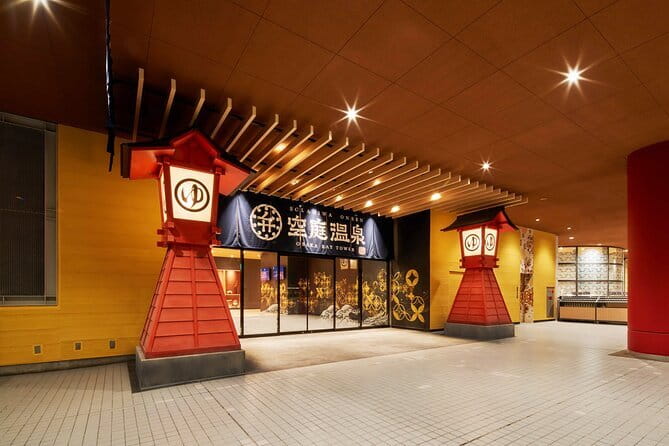
Solaniwa adds enough side activities to make the place feel like a small indoor town rather than a bath with a waiting room.
The food area serves a broad selection of Japanese dishes. That is convenient because you do not have to leave, dry off, and find a restaurant elsewhere. It also means the price of the full outing can rise beyond the admission cost, especially if you add food, drinks, private bathing, or paid services.
The arcade and carnival-style games give the complex an old-fashioned amusement feel. Gacha stations add another small diversion, particularly if you like the capsule-toy culture found throughout Japan. Live shows may also be scheduled, though the supplied information does not provide a timetable, so do not build your entire visit around one unless you confirm the schedule.
The fish foot spa is another unusual extra. It is separate from the main baths and offers a different kind of playful relaxation. If you prefer a quiet visit, you can simply skip these activities and focus on the hot spring pools and garden.
This combination works best for people who want more than a strictly traditional bath. Solaniwa takes classic Japanese visual cues and places them alongside modern entertainment. Some visitors will find that fun and convenient. Others may find it less authentic than a smaller local onsen.
What the Admission Includes, and What It Does Not
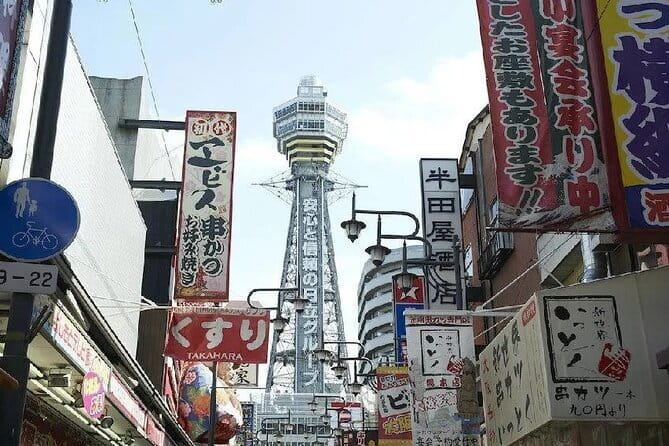
Admission includes the entry fee, bath towels, face towels, and in-house clothes. That is a practical benefit. You can arrive without carrying a full bathing kit, then spend the visit in the provided clothing when you are away from the pools.
The displayed tour price is $0.00 in the supplied details, but you should not treat that figure as proof that the whole visit is free. A 150-yen bathing tax is required on-site, and food, drinks, parking, private baths, and other extras may cost more. Confirm the final booking price and any add-on charges before you commit.
The value depends heavily on how long you stay. A quick bath can feel expensive if you do not use the garden or other facilities. A half-day visit makes better use of what is included, especially if you enjoy moving between baths, taking a garden break, and eating on-site.
Parking is not included. Since the facility is near public transportation, using the train may be the simpler choice, particularly if you plan to drink or want to avoid adding a separate parking charge.
The ticket cannot be combined with other discounts or services. A separate note says a discount is applied from 5:00 PM onward, but the available information does not explain how that discount works with this ticket. Check the terms before assuming an evening price reduction applies to your booking.
Tattoo Rules Need Careful Checking
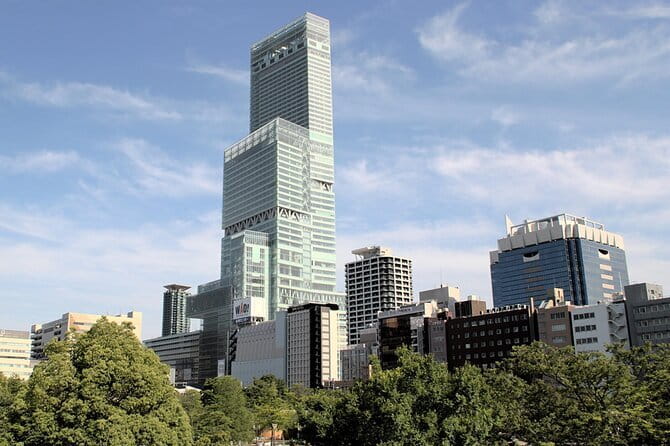
This is the point I would settle before booking. The stated conditions say people with tattoos, tattoo stickers, or tattoo paint cannot use the service. The same rule also excludes people with gang affiliations or anyone under the influence of alcohol.
One account describes the facility as tattoo-friendly and says a cover patch was offered, with a private bath booked. That is useful information, but it conflicts with the official restriction provided for this experience. You should not assume that a patch guarantees entry or use of the public baths.
If you have a tattoo, contact the facility or booking provider before paying. Ask specifically about public baths, private baths, cover patches, and the size or type of tattoo allowed. This matters because the ticket is non-refundable and cannot be changed after booking.
Solaniwa may be welcoming in practice in some situations, but the written rule is the safer standard for planning. Do not arrive expecting staff to make an exception.
Getting There and Planning the Day
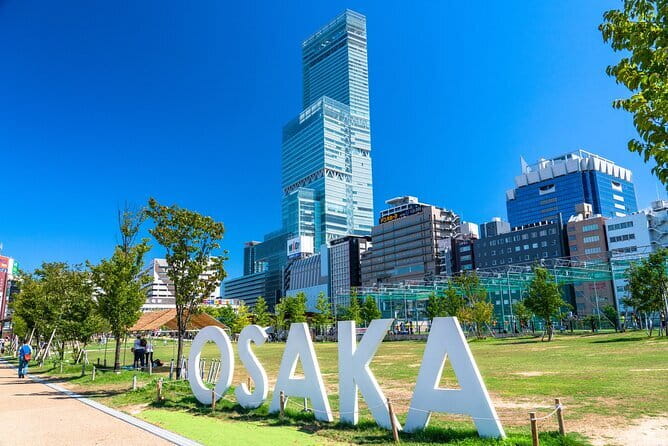
The facility is in Osaka Bay Tower and is near public transportation. The clearest route in the supplied information uses the JR Osaka Loop Line to Bentencho Station, followed by clear directions to the onsen.
Because you are visiting a large complex, allow a little time to find the entrance and complete the initial process. The mobile ticket should be ready on your phone. Admission, towels, and in-house clothes are included, but you should have a way to pay the 150-yen bathing tax and any extras.
You cannot leave and re-enter. That rule affects your meal plans and sightseeing schedule. If you want to visit another attraction nearby, do it before entering or after you finish. Once inside, plan to remain there for the part of the day you have set aside.
Bring a relaxed attitude toward time. The facility is best enjoyed when you do not force every feature into a strict schedule. Start with the baths, visit the rooftop garden, eat if you like, and return to the water or sauna before changing.
Who Will Enjoy Solaniwa Most
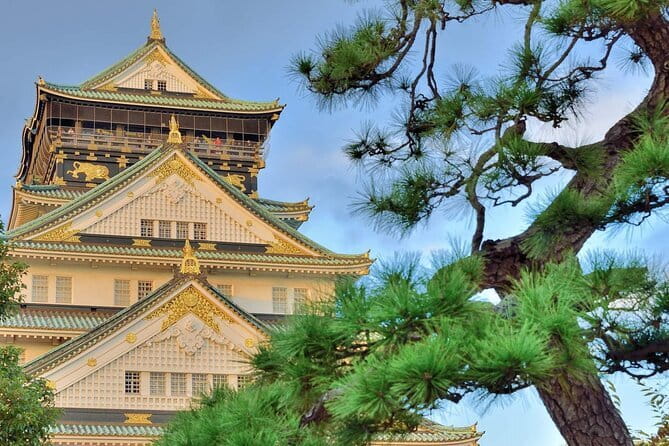
I would recommend Solaniwa to you if you want an easy, comfortable introduction to Japanese hot spring culture without leaving Osaka. The included towels, in-house clothes, English information, and wide range of facilities remove much of the usual first-visit friction.
It also suits families and mixed-age groups, subject to the evening age rules. The games, food, garden, and fish foot spa give people alternatives when they are ready for a break from bathing.
Couples and friends may appreciate the option of a private bath, although the supplied details do not state its price or availability. Ask before booking if privacy is important to your plans.
I would be less likely to recommend it if your main goal is a small, quiet, deeply traditional onsen. The entertainment areas, displays, and indoor-town design make Solaniwa more like a hot spring theme park. That is not a flaw, but it is a different experience.
Should You Book Solaniwa Onsen?
Book it if you want several hours of bathing, Japanese-style scenery, food, and light entertainment in a central Osaka location. The strongest reasons are the nine bath types, the rooftop Tenku Garden, the included towels and clothing, and the fact that you can shape the visit around your own pace.
Think twice if you only want a quick soak, need a low-cost outing, or have a tattoo and have not confirmed the rules directly. Food and drinks can add up, the bathing tax is extra, and the no re-entry rule limits flexibility.
For most first-time onsen visitors, I would set aside at least four hours and treat Solaniwa as a half-day Osaka activity rather than a quick bath stop. That gives you time to enjoy the water, garden, footbath, and atmosphere without rushing from one feature to the next.
FAQ
Where is Solaniwa Onsen located?
Solaniwa Onsen is located at Osaka Bay Tower in Osaka, Japan. It is near public transportation, and the facility can be reached from Bentencho Station on the JR Osaka Loop Line.
How long should I plan for a visit?
The approximate duration is 4 to 12 hours. You can make a shorter visit centered on the baths or stay longer for the garden, food, games, foot spa, and other facilities.
What is included with admission?
Admission includes the entry fee, bath towels, face towels, and in-house clothes.
Is there an extra bathing tax?
Yes. A 150-yen bathing tax must be paid on-site.
Are parking fees included?
No. Parking fees are not included.
Can people with tattoos use Solaniwa Onsen?
The stated rules say people with tattoos, tattoo stickers, or tattoo paint cannot use the service. One private-bath account describes using a cover patch, but you should confirm your situation directly before booking because the ticket is non-refundable.
Can I leave and come back in later?
No. Temporary exits and re-admission are not allowed. Plan to stay inside for the period you want to use the facility.
Just added around Japan
- Samurai Guide Sho’s Mt. Takao Hike, Temple & Onsen from Shinjuku★ 5.0 · 9 reviews
- Japanese Head Onsen and Scalp Massage Retreat in Tokyo★ 4.5 · 2 reviews
- Tokyo Local Tattoo Friendly Public Bath Experience★ 5.0 · 4 reviews
- Mt. Fuji to Lake Kawaguchi, Lake Yamanaka and Onsen Day Tour★ 4.5 · 3 reviews
- Mt. Fuji Tours to Lake Kawaguchi and Yamanaka Onsen English Guide★ 4.5 · 4 reviews
- Tokyo City Adventures Private English Tour With Hotel Pickup★ 5.0 · 12 reviews
- Tattoo-friendly open-air Onsen & drink★ 5.0 · 25 reviews
- Private Tour to Snow Monkey, Zenkoji Temple & Hot Springs Nagano★ 4.0 · 2 reviews
Japanese Onsen Tours, compared.
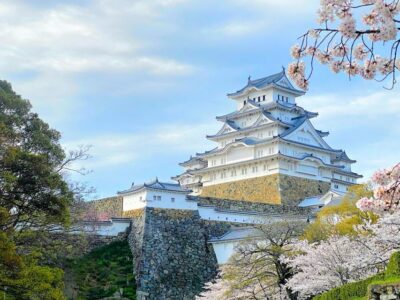
Himeji Castle, Arima Onsen & Mt. Rokko Day Tour
Read our review →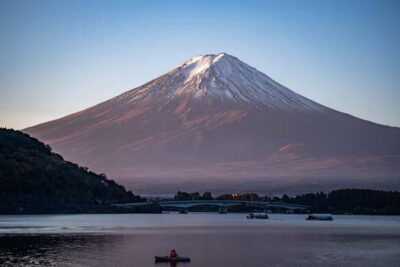
Private Tour to Fuji/Hakone – Onsen, Art, Nature
Read our review →
All-Day Pass to Yunomori Sathorn Onsen Bath and Spa
Read our review →
Mt. Fuji, Hakone Private Tour from Tokyo – Onsen, Arts and Nature
Read our review →
From Fukuoka: Mount Aso, Kurokawa Onsen, and Shrine Tour
Read our review →
Private Nagano 1-Day Tour:Snow Monkeys,Zenko-ji,Obuse,Sake,Onsen
Read our review →Browse the lists this tour appears in