
REVIEW · INDONESIA
From Jakarta : Volcano, Tea & Rice Fields, Hot Spring
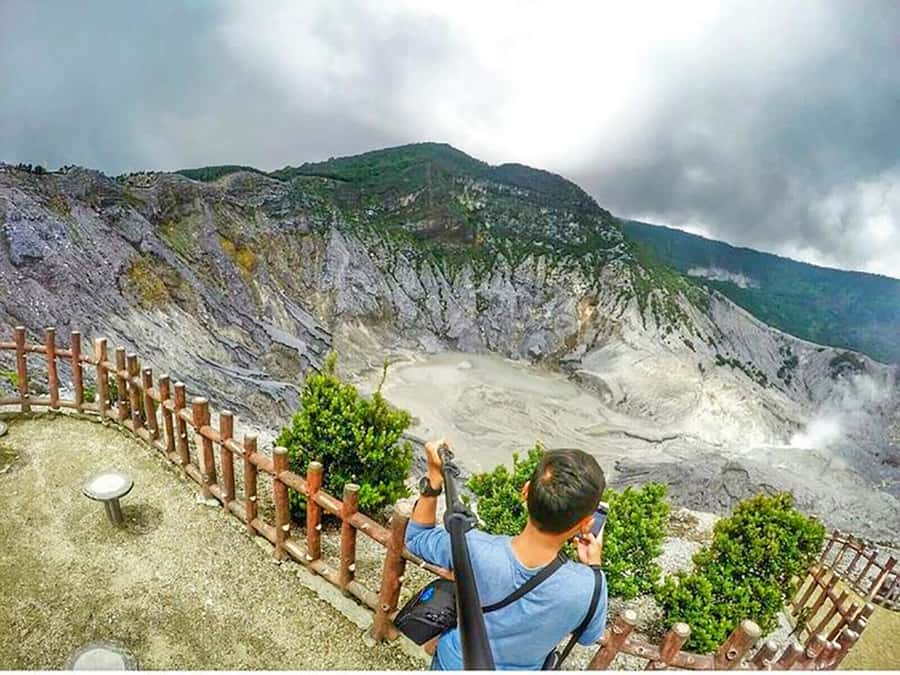
Tangkuban Parahu is the star here: you get close to an active volcanic crater, smell the sulfur, watch smoke rise, and sometimes hear the earth rumble. I like the way this trip pairs that dramatic stop with ordinary West Java life, from farmers in rice fields to fruit sellers and tea workers. I also like the generous mix of food stops, with tropical fruit, lunch, and Luwak coffee included.
The catch is the road time. You will spend about five to six hours in the vehicle on the round trip, and traffic can push your return past 8 pm. I would book this for a full day outside Jakarta, not for a day tied to a flight or an evening appointment.
Key points to know before booking
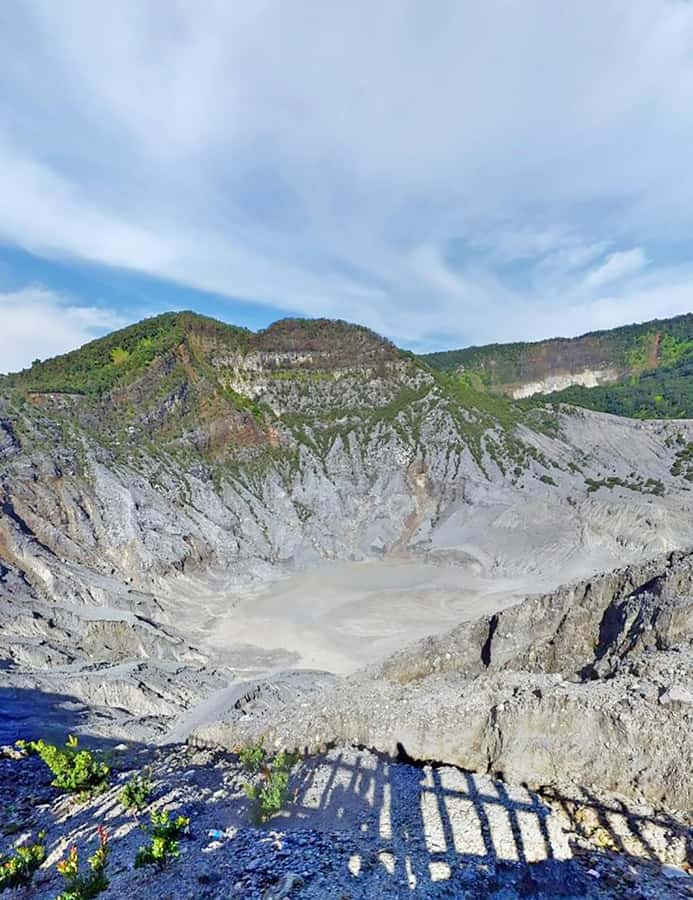
- Tangkuban Parahu is an active volcano: See the crater up close, smell sulfur, and watch for smoke and bubbling mud.
- The drive takes most of the day: Pickup is between 7 and 7:25 am, with arrival back in Jakarta usually around 7 or 8 pm.
- Fruit is part of the fun: Taste honey pineapple, mangosteen, and other local produce at a large fruit market.
- The group is private: You travel in an air-conditioned vehicle with an English-speaking guide and hotel pickup.
- Sari Ater adds a relaxing finish: Soak your legs or swim in warm, sulfur-infused water after the sightseeing.
- The $135 price covers a lot: Transport, tolls, parking, admissions, lunch, bottled water, fruit tasting, taxes, and a guide are included.
Why this Jakarta to Bandung day trip works
Jakarta can feel far removed from the countryside, farms, and volcanoes that shape Java. This outing gives you a quick route into West Java without asking you to arrange several separate rides, admissions, and meals.
You leave your hotel in the morning and head toward Subang and Bandung. The distance is not huge on a map, but Jakarta traffic can make the journey slow. That is why the private vehicle matters. You can settle into an air-conditioned car, keep your group together, and let the guide handle toll roads, parking, and the day’s timing.
I see this as a sightseeing day with a strong food-and-rest component. It is not a strenuous volcano hike. You visit the crater area, walk around for photos, stop for local food, and finish with hot water. That makes it suitable if you want variety without committing to a demanding trek.
The private format is also useful for families and small groups. You are not waiting for strangers at every stop, and the guide can explain local fruit, coffee, farming, and volcanic activity as you go. English is the tour language, and past guides have included Budi, Nabila, Samir, and Enok.
More Volcano Hot Spring Tours in Indonesia
- Bali: Mount Batur Sunrise Guided Hike and Natural Hot Spring
★ 4.8 · 9,284 reviews - Bali/Mount Batur: Private Sunrise Jeep Tour & Hot Spring
★ 4.8 · 3,528 reviews - Mount Batur Sunrise Hike and Natural Hot Spring Option
★ 5.0 · 1,927 reviews
The long morning drive from Jakarta
Pickup begins promptly between 7 and 7:25 am. Wait in your hotel lobby about five minutes before the scheduled time. The guide is expected to meet you at the concierge area with a sign bearing your name.
The drive to Subang and Bandung takes about 2.5 to 3 hours before the day’s main sightseeing begins. That estimate can change with traffic, especially on weekends. You should think of the vehicle as part of the tour, not just a transfer.
The air conditioning, bottled water, and private setup make the ride easier. Still, bring a jacket. The vehicle may be cool, and the volcano and tea plantation are at higher elevations than Jakarta.
This early start is sensible. It gives you a better chance of reaching the major stops before the day becomes crowded, although no tour can remove West Java traffic completely. If you dislike long road journeys, this may feel tiring. If you want to see a volcano from Jakarta without changing hotels, the drive is the necessary trade-off.
Tropical fruit at the Subang market
One of the most enjoyable early stops is a large fruit market near Bandung. This is not just a quick photo stop. You get to look at local produce and taste fruit that may be unfamiliar if your usual shopping happens in European or North American supermarkets.
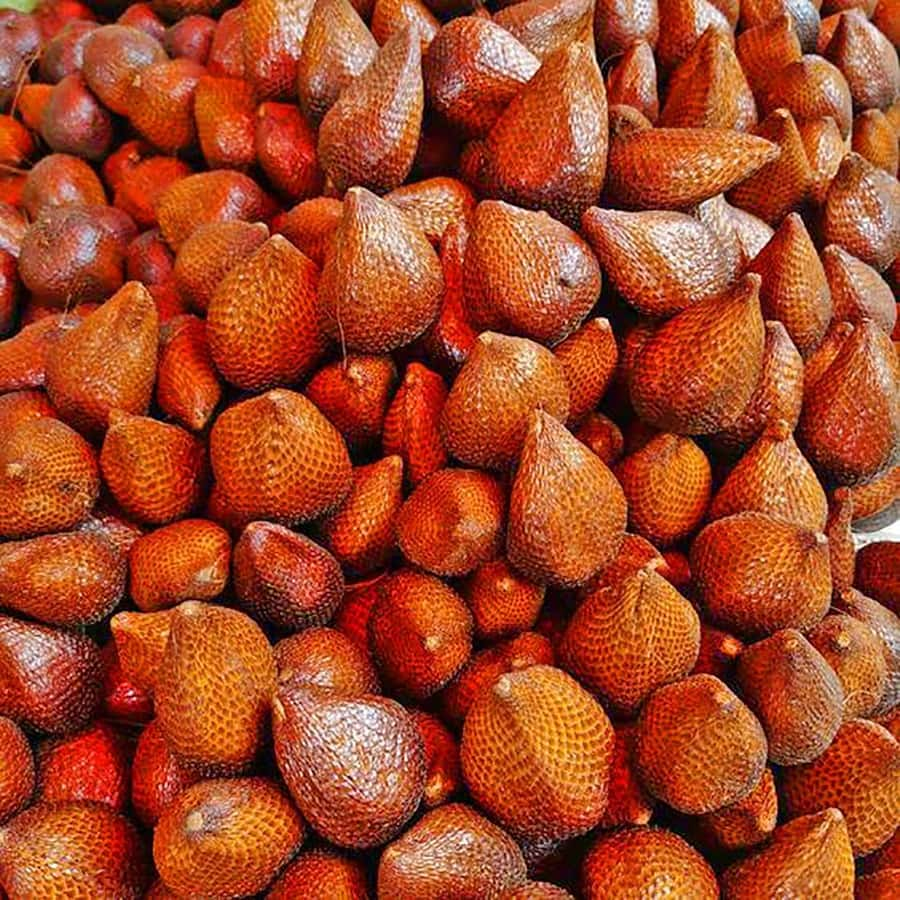
Honey pineapple is the clear favorite. Your guide may select one for you before the return trip, and its sweetness gives you a useful comparison with the pineapples commonly sold elsewhere. Mangosteen is another highlight, with its thick purple shell and soft white sections inside.
The fruit stop adds something that a standard volcano tour often lacks. You are not only looking at scenery. You are tasting the region and learning what grows in the surrounding countryside. Depending on the season, the exact selection may vary, so do not expect every fruit listed in a brochure to appear on every visit.
This is also a good place to ask your guide questions. You can learn which fruit is seasonal, how it is eaten, and what local shoppers look for. The stop is informal, so it suits curious eaters more than people who want a polished food demonstration.
Rice fields and village life between stops
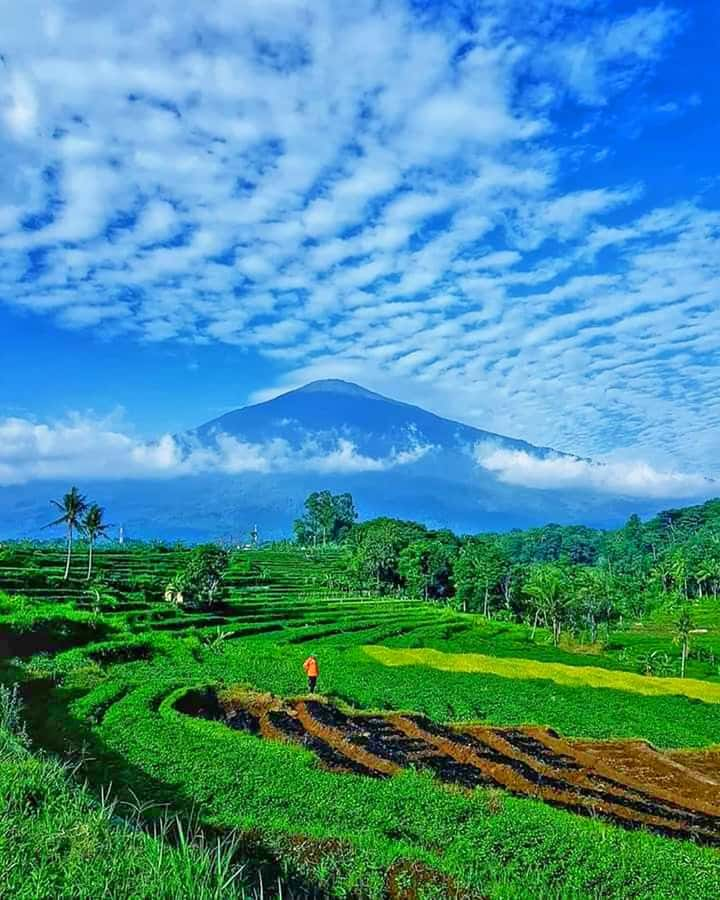
The route includes time beside rice fields, where you can watch local farmers at work. The value of this stop is its simplicity. You see the food system behind the meals served later in the day, rather than viewing West Java only through tourist attractions.
You may see farmers tending the fields, though the exact activity depends on the season and the day’s work. Your guide can help explain what you are seeing, and the open setting gives you a chance to take photographs away from the crater crowds.
Keep your expectations practical. This is a short countryside stop, not a farm workshop or a long walk through rural villages. Its strength is the contrast it provides: Jakarta’s dense urban setting in the morning, then fields, plantations, and mountain air later on.
Wear shoes that you do not mind using outdoors. The tour information does not promise a particular trail surface, and field edges can be uneven or damp.
Same place, a different kind of soak:
- From Ubud: Mount Batur Shared Jeep Sunrise & Hot Spring Tour
★ 4.8 · 1,842 reviews - Mount Batur Sunrise Jeep Tour with Optional Activities
★ 5.0 · 1,555 reviews - Bali: Shared Mount Batur Jeep Sunrise with Hot Springs
★ 4.9 · 1,332 reviews - Ubud Hot Springs and Waterfall Private Guided Tour
★ 5.0 · 719 reviews
Tangkuban Parahu and its sulfur crater
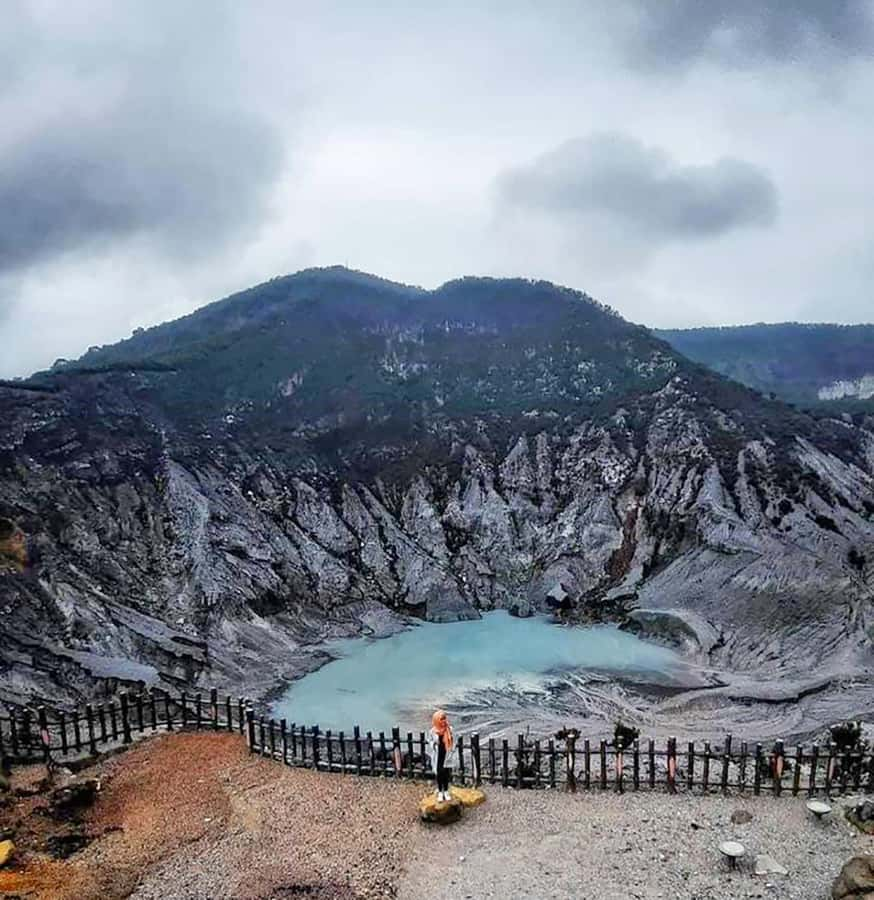
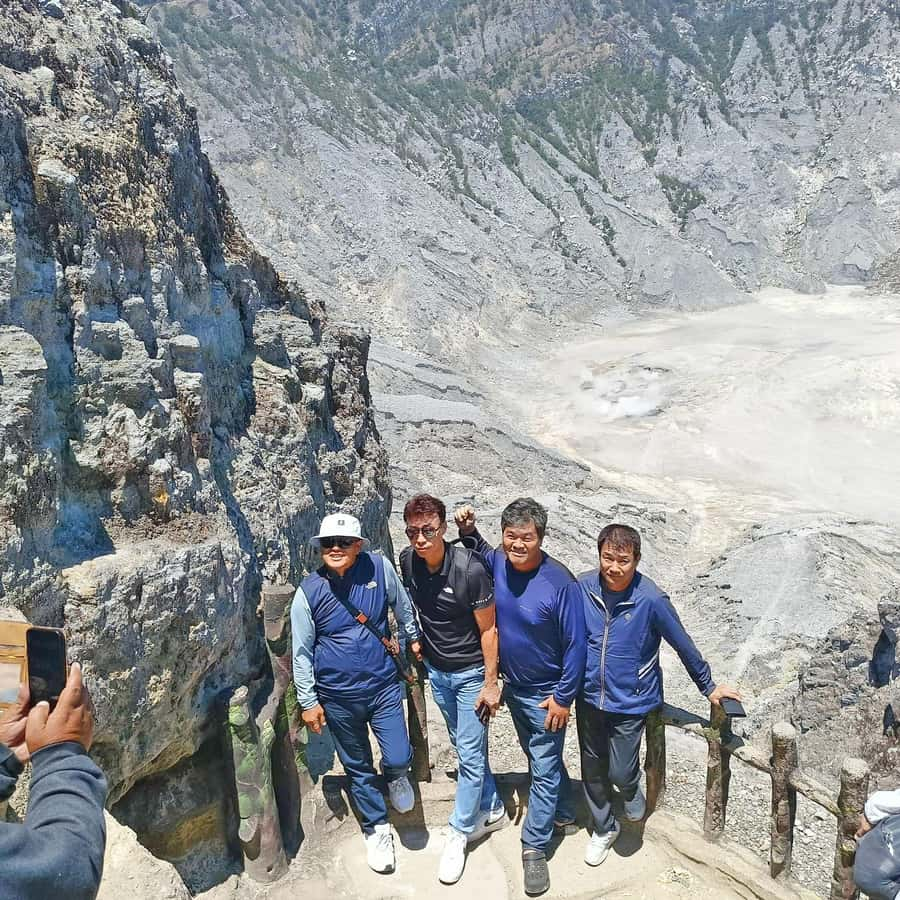
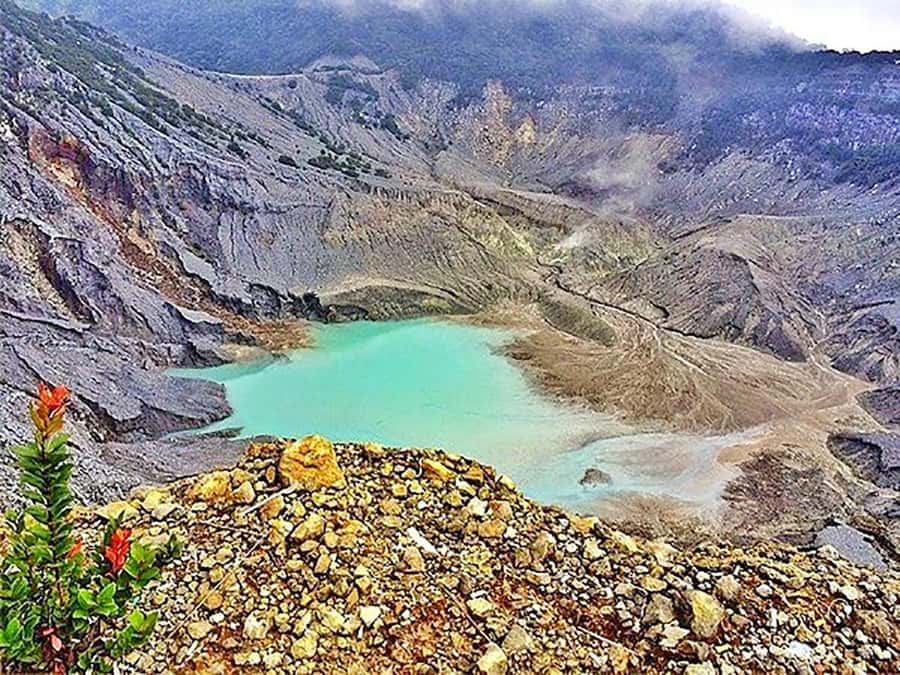
Tangkuban Parahu is the main reason to choose this outing. The volcano sits in a forested area and remains active. At the crater, you can get close enough to smell sulfur, see smoke, and look for bubbling mud. At times, you may hear a low rumble from underground activity.
For many people, this is more memorable than simply viewing a dormant cone from a distance. The sulfur smell makes the geology feel immediate. The crater is not a painted backdrop. It is a working volcanic site, and conditions can change.
You receive about two hours here, including a guided visit and time for photographs. That is enough for a close look without turning the day into a hike. The provided admission fee covers the volcano entry, so you do not need to budget separately for that ticket.
Stay close to your guide and follow local instructions around the crater. Active volcanic areas deserve respect, even when the visit feels relaxed. Conditions may also affect how clearly you see smoke or bubbling mud.
This stop can be especially satisfying if you have never stood near an active volcano. It also gives photographers a strong subject, with crater views, smoke, forest, and mountain surroundings. The drawback is that visibility and volcanic activity are not guaranteed to look exactly the same each day.
Luwak coffee at Cikole
After the volcano, the tour visits Kopi Luwak Cikole for about an hour. You learn how Luwak coffee is produced, taste the coffee, and have the chance to buy coffee products.
Luwak coffee is made using coffee cherries that have passed through the digestive system of the Asian palm civet. The beans are then collected, cleaned, processed, and roasted. The process is unusual, which explains much of the coffee’s interest and price.
The tasting gives you a chance to decide if you enjoy the flavor before buying anything. I would treat the purchase as optional, not as an expected part of the day. Ask questions about sourcing and production if animal welfare is important to you. The tour includes the visit and tasting, but it does not say that coffee purchases are included.
This stop works well after the volcano because it changes the pace. You move from sulfur and crater views to a local product with a strong connection to Indonesian agriculture. If you do not drink coffee, you can still follow the production explanation, but the tasting will naturally be less important to you.
Lunch in Bandung and a taste of local food
Lunch is included at a local restaurant, with about an hour set aside for the meal. The supplied details do not specify the restaurant or exact menu, so you should expect local Indonesian food rather than a fixed dish list.
That uncertainty is normal on a private day trip. The guide can help you understand what is being served and may be able to assist with choices, but you should mention dietary needs when booking or at pickup. Do not assume every special diet can be handled unless the provider confirms it.
Lunch also breaks up the long day at the right point. By then, you will have completed the first major drive and visited the volcano and coffee stop. A seated meal gives you time to recharge before the tea plantation and hot spring.
Tea fields in an active volcanic area
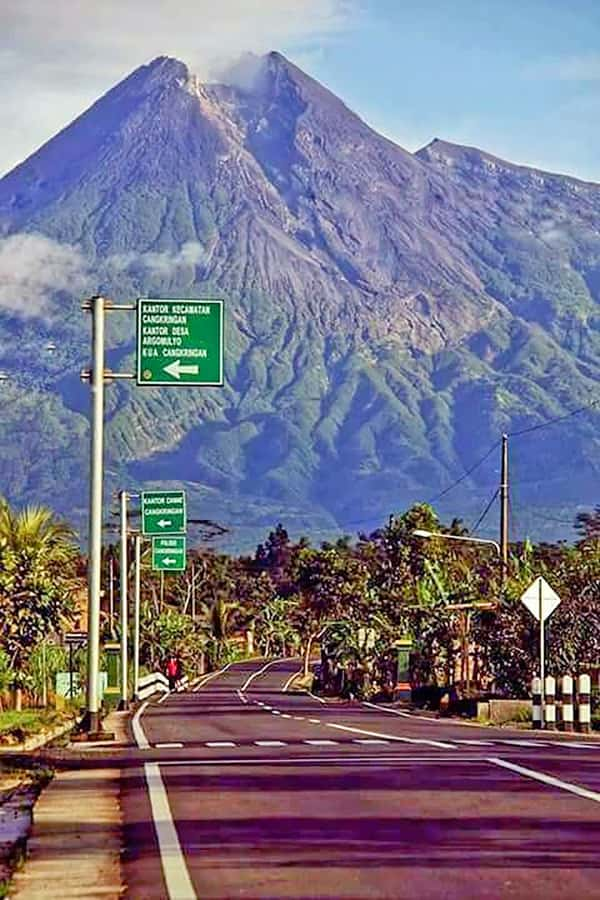
The tea plantation is one of the prettiest parts of the route. You see rows of tea plants covering the slopes and learn about the drink’s cultivation, types, history, and harvesting.
This stop adds context to the scenery. Instead of seeing green fields as a pleasant background, you learn that they are working agricultural land. The guide can explain how tea is grown and picked, and you can take photographs among the orderly rows.
The plantation sits within the same active volcanic region, so the day connects two useful ideas: volcanic soil and farming. You see how the area’s natural conditions support crops that are sold and consumed far beyond Java.
The tea visit is not described as a factory tour, and there is no promise of a formal tea ceremony. Think of it as a guided plantation visit with explanations and photo time. Bring the jacket mentioned in the tour instructions, since the higher, open setting may feel cooler than Jakarta.
Sari Ater hot springs
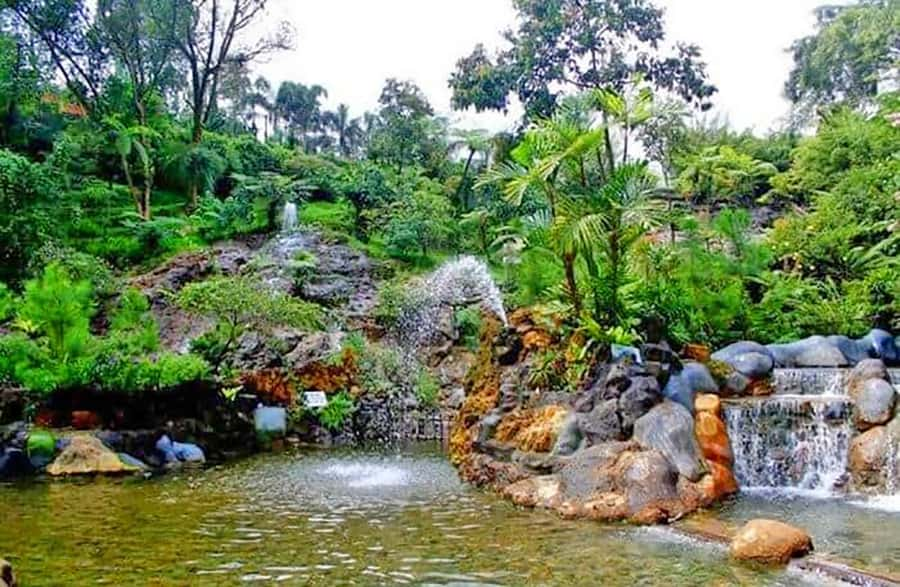
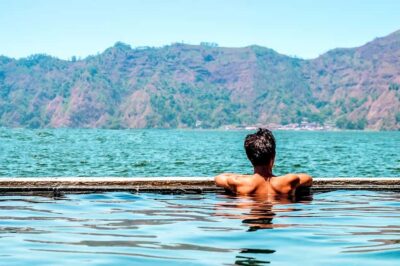
The final major stop is Sari Ater Hot Spring Water, where you have about two hours. You can swim or simply put your legs in the warm, sulfur-infused water. The springs are known locally for their supposed healing qualities, though you should view those claims as part of the local tradition rather than a medical treatment.
This is a smart finish to a busy day. You have been sitting in a vehicle, walking around the volcano, and stopping at several sites. Warm water gives you a chance to slow down before the return drive.
Bring swimwear if you plan to enter the pools. The instructions specifically say you can swim or soak your legs, but they do not list towel rental, changing facilities, or locker details. Pack only what you need and keep valuables secure.
A local body massage is also part of the described visit. Confirm with your guide how it is arranged and whether any particular massage option carries an extra charge, since the included items list does not spell out separate massage fees.
You should not expect a quiet private spa. This is a hot spring attraction, not a small hotel wellness room. Its appeal is the warm water and local setting after a full day outdoors.
What the $135 price really covers
At $135 per person, this is not the cheapest way to see a single Bandung attraction. It becomes more reasonable when you count what is bundled into a private 12-hour day.
The price includes:
- Hotel pickup and drop-off
- Private air-conditioned transport
- An English-speaking guide
- Bottled water
- Volcano admission
- Other entrance fees
- Fresh fruit tasting
- Lunch
- Toll roads and parking
- Local taxes
You are paying for convenience, a full route, and the ability to see several parts of West Java in one day. Organizing the same combination independently would require arranging transport between Jakarta, Tangkuban Parahu, the plantations, the coffee stop, the hot springs, and the return journey. The private vehicle is the main value.
The price makes less sense if you only want the volcano or only want a hot spring visit. It makes more sense for first-time visitors who want countryside, food, coffee, tea, and geology without managing local transport themselves.
Tipping is not compulsory. You can offer it as appreciation if the guide or driver has been especially helpful, but it is not listed as an additional required cost.
Timing, comfort, and practical limits
This is a 12-hour day, but the schedule can run longer on weekends. Return to Jakarta is usually expected around 7 to 8 pm. Do not schedule a flight, train, or important appointment for the evening.
The tour is private and wheelchair accessible, which is useful for some visitors, although the details do not explain the exact accessibility of every crater path, field edge, or hot spring area. If you use a wheelchair, ask the provider about the specific stops before booking.
The tour is best for people who value variety over a slow pace. You cover fruit, farms, a volcano, coffee, tea, lunch, and hot springs in one outing. That is a lot, and the reward is a broad look at the region. The cost is time in the car.
An English-speaking guide is included. Guides named in past bookings include Budi, Nabila, Samir, and Enok. Their roles have included explaining the volcano and plantations, helping with food tasting, and keeping the day comfortable. Your assigned guide may be different.
Free cancellation is available up to 24 hours before departure, and you can reserve now and pay later. Those terms help if your Jakarta plans are still moving, but they do not solve the main issue: the tour needs a full, open day.
Should you book this West Java day trip?
Book it if you want to see far more than Jakarta in one day and like the idea of combining an active volcano with local food, farms, coffee, tea, and warm springs. The private vehicle, included admissions, lunch, and tolls make the $135 cost easier to justify, especially for a small group.
Skip it if you dislike long drives, need a firm evening arrival, or want a quiet, single-focus excursion. The volcano is the strongest stop, but the trip’s real appeal is the range of experiences around it.
For most first-time visitors with one free day, I would consider this a practical way to reach West Java. Set out early, bring a jacket and swimwear, keep the evening free, and let the day unfold at a road-trip pace.
FAQ
Where does the tour begin and end?
The tour includes hotel pickup in Jakarta and hotel drop-off back in Jakarta.
What time does pickup begin?
Pickup begins promptly between 7 and 7:25 am. You should wait in the hotel lobby about five minutes before your scheduled time.
How long does the tour last?
The tour lasts about 12 hours. You will usually return to Jakarta between 7 and 8 pm, although weekends may take longer.
Is the tour private?
Yes. The experience is arranged as a private group tour with an air-conditioned vehicle and an English-speaking guide.
Is lunch included?
Yes. Lunch at a local restaurant is included, along with fresh local fruit tasting and bottled water.
Are entrance fees included?
Yes. The volcano admission fee and all other listed entrance fees are included, along with tolls, parking fees, and local taxes.
Can I swim at the hot springs?
Yes. At Sari Ater Hot Spring Water, you can swim or put your legs in the warm sulfur-infused water.
What should I bring?
Bring a jacket. If you plan to swim or soak more fully in the hot springs, bring suitable swimwear.
Just added around Indonesia
- Volcano, Hot Spring, Mud Bath & Tea plantation all included★ 5.0 · 5 reviews
- Ubud: mount.batur sunrise jeep with breakfast and hot spring★ 5.0 · 6 reviews
- Mount Batur Sunset/Sunrise Jeep Tour & Natural Hot Springs★ 5.0 · 5 reviews
- Ubud: Mount Batur Jeep Sunrise, Hot Spring in one day★ 4.6 · 5 reviews
- Sunrise / Sunset Jeep Tour Mt. Batur Kintamani & Hot Spring★ 5.0 · 12 reviews
- Sunrise Trekking / Hike Mount Batur Private & Natural Hot Spring★ 5.0 · 12 reviews
- Mount Batur Sunrise Trek with Natural Hot Spring – All Inclusive★ 5.0 · 3 reviews
- Private Mount batur Hiking and Natural Hot Springs★ 5.0 · 23 reviews
Volcano Hot Spring Tours, compared.
Mount Batur Sunrise Guided Hike and Natural Hot Spring
Read our review →
Golden Circle, Kerid Crater, & Blue Lagoon Tour
Read our review →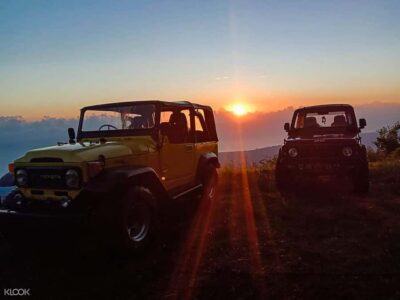
Bali/Mount Batur: Private Sunrise Jeep Tour & Hot Spring
Read our review →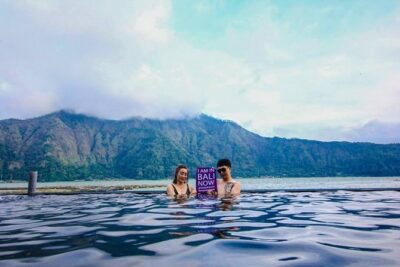
Mount Batur Sunrise Hike and Natural Hot Spring Option
Read our review →
Mount Batur Shared Jeep Sunrise & Hot Spring Tour
Read our review →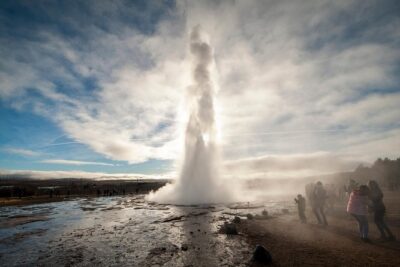
Golden Circle, Secret Lagoon and Kerid Crater Tour from Reykjavik
Read our review →
Mount Batur Sunrise Jeep Tour with Optional Activities
Read our review →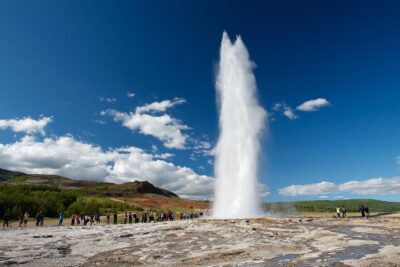
Golden Circle, Kerid Crater & Geothermal Lagoon -Small Group Tour
Read our review →Browse the lists this tour appears in