
REVIEW · TOKYO
Authentic Onsen Experience Tattoo Friendly Hidden Gem in Shinjuku
A cold bottle of milk after a hot bath is one of Japan’s simplest pleasures, and this 1954 neighborhood sento lets you enjoy it in the proper setting. You’ll learn how to handle the shoe lockers, washing stations, and shared baths before deciding how much of the experience feels right for you.
I like the small group of up to six and the clear beginner-friendly guidance. I also like that this is a working local bathhouse, not a polished spa built for sightseeing. The main consideration is that the guide is male, so female participants bathe independently after the introduction.
Key Points
- A real 1954 sento in Shinjuku: You visit a neighborhood bathhouse still used by locals, not a tourist spa.
- A bilingual introduction: Learn practical manners for lockers, changing rooms, washing areas, and communal pools.
- Mount Fuji mural context: Discover why Fuji scenes became a familiar feature of Japanese bathhouses.
- You do not have to bathe: You can observe the building and lobby or relax with a drink instead.
- Classic post-bath refreshment: Your booking includes one bottle of milk, milk coffee, fruit milk, or a soft drink.
- Short and personal: The experience lasts about one hour, with a maximum of six participants.
Why This Shinjuku Sento Feels Different
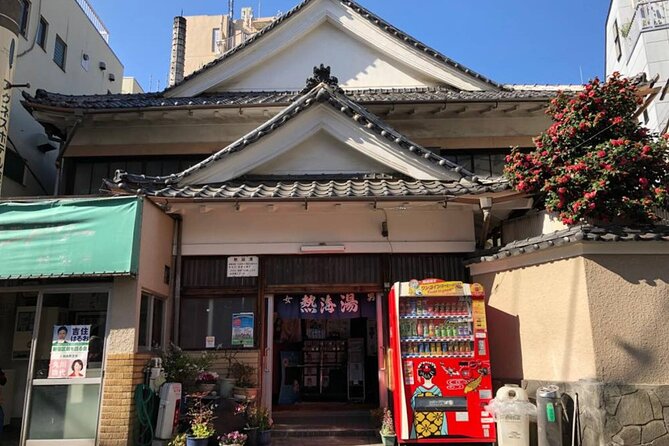
Many Tokyo bath experiences are designed as spa visits, with modern facilities and a polished feel. This one takes you to a neighborhood sento, the traditional public bathhouse that served ordinary communities long before Tokyo became a major international destination.
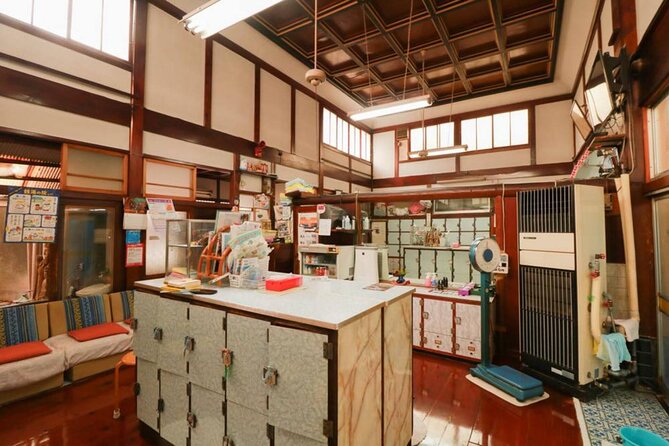
The bathhouse dates from 1954, a useful detail because it places the building in the years after World War II. Sento were important gathering places during that period. Not every home had a private bathroom, so a public bath offered more than hot water. It gave neighbors a place to wash, meet, and maintain a daily routine.
You are not simply paying for a soak. You are paying for the explanation that makes an unfamiliar place easier to understand. Without guidance, the shoe lockers, changing room, washing area, and pools can feel confusing. With a bilingual guide beside you, the process becomes much less intimidating.
That matters most if this is your first Japanese bath. The custom is straightforward once explained, but it differs from a Western swimming pool or hotel spa. Washing comes before entering the shared water, and the bath is for soaking rather than scrubbing. A short orientation helps you avoid small mistakes and lets you focus on the experience.
More Onsen Tours in Tokyo
- From Tokyo: Private Tour to Fuji/Hakone – Onsen, Art, Nature
★ 5.0 · 116 reviews - Mt. Fuji, Hakone Private Tour from Tokyo – Onsen, Arts and Nature
★ 5.0 · 79 reviews - Mt. Fuji 5th, Oshino Hakkai, Onsen Full-Day Trip From Tokyo
★ 4.5 · 50 reviews
Meeting Near Kagurazaka and Walking to the Bathhouse
The meeting point is the Starbucks Coffee near Kagurazaka-shita, at 1-chome 92 Kagurazaka in Shinjuku City. Your guide meets you there before walking with you to the sento.
This starting point gives you a simple place to find your guide and get organized before entering a local setting. The experience ends back at the meeting point, so the route is easy to understand when you plan the rest of your day.
The guide is bilingual and explains the visit in practical terms. One guide named Kosei is specifically associated with this experience, and the personal approach is part of its appeal. The group size is capped at six, which should make it easier to ask questions than it would be on a large walking tour.
Allow yourself enough time to reach the Starbucks without rushing. The activity lasts about an hour, but that does not mean you should treat the meeting time casually. A late arrival could cut into the explanation, which is the part that helps the bath make sense.
Shoe Lockers, Changing Rooms, and Bathing Rules
The first lesson is often the most useful: what to do with your shoes. At a Japanese sento, shoes come off before you move into the changing area. You place them in a locker, then continue to the changing room and store your clothing there.
The guide explains this sequence rather than leaving you to copy the nearest person. That is especially helpful when signs are mainly in Japanese or when you are unsure which locker system to use.
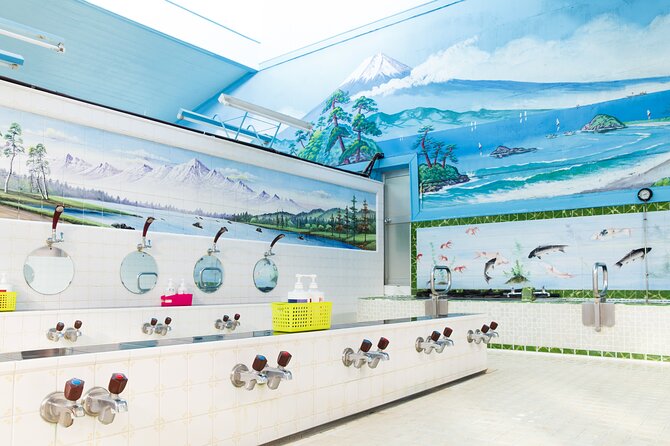
Next comes the washing area. You clean yourself before entering the baths. Shampoo and body soap are provided for use, so you do not need to bring those items for this activity. The guide explains how to wash and how to move from the shower area to the bathing pools.
This introduction is not filler. It gives you the basic rules that protect the calm atmosphere of the sento. Shared bathing works because everyone follows the same habits. You rinse properly, keep personal items under control, and enter the hot water clean.
If you are nervous about being unclothed around other people, that is worth considering before booking. The bath is a traditional communal setting. The guide can make the process clearer and less awkward, but the experience still involves the normal expectations of a public bathhouse.
The Mount Fuji Mural and a Postwar Custom
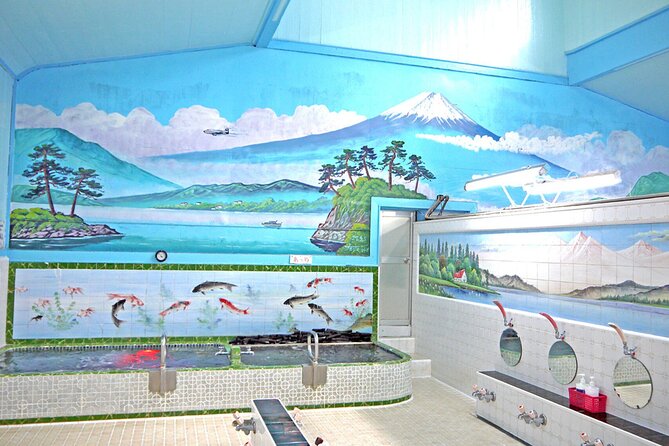
One of the most recognizable sights inside a traditional sento is the Mount Fuji mural. These large wall paintings are more than decoration. They create an ideal view for bathers and connect the ordinary act of washing with a famous symbol of Japan.
Your guide explains why Fuji appears so often in sento art and how these interiors became part of the visual identity of public bathing. You also learn how bathhouses supported communities in the postwar years, when a private bath was not guaranteed in every home.
This is where the visit moves beyond instructions. You begin to see the building as part of everyday social history. The tiled walls, painted scenery, lockers, and bathing pools are not random design choices. Together, they show how a practical service became a familiar neighborhood institution.
The setting may appeal to you if you prefer local customs to major attractions. You will not be touring a famous temple or viewing Tokyo from a high observation deck. Instead, you are learning why people came together in a place most visitors would pass without noticing.
Same place, a different kind of soak:
- Tokyo: Mt Takao Tour with Ramen and Tattoo-Okay Hot Spring
★ 5.0 · 69 reviews - [Seasonal Limited] Mt. Fuji 5th Station &Hot Spring Day Tour
★ 4.5 · 53 reviews - Full Day Hiking Tour at Mt.Takao including Hot Spring
★ 5.0 · 52 reviews - Tattoo-friendly open-air Onsen & drink
★ 5.0 · 25 reviews
Choosing to Bathe, Observe, or Simply Relax
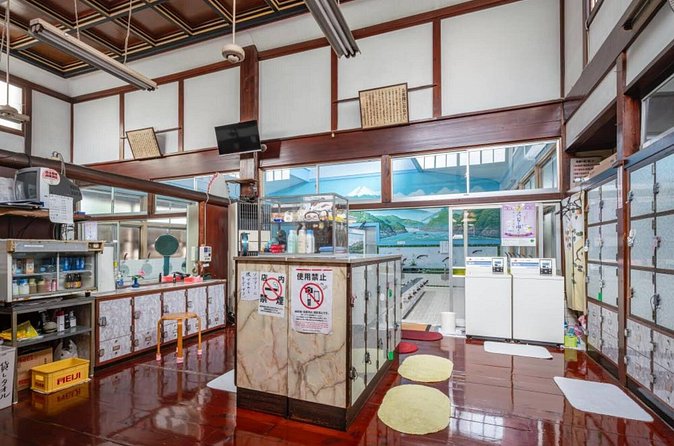
After the introduction, you can take a bath if you feel ready. The guide walks you through the essentials, but you decide how fully to participate.
That choice makes this activity more approachable than a bath visit that assumes everyone already feels comfortable. You can take part in the bathing experience, or you can spend the time observing the architecture, looking at the entrance murals, or relaxing in the lobby with a drink.
This option is particularly useful for first-time visitors who are curious but uncertain. You may want to understand sento culture without committing to communal bathing. You may also have a temporary reason to skip the water. The activity still gives you cultural context and access to the setting.
Keep in mind that the guide is male. Female participants enjoy the bath on their own after the shared orientation, so anyone who wants direct guidance inside the women’s bathing area should understand that this is not provided. The information supplied does not describe a female guide or separate in-bath assistance.
The guide’s role is therefore strongest before the bathing portion. You receive help with the process, cultural background, and etiquette, then handle your own bath privately within the normal rules of the facility.
Milk Coffee, Fruit Milk, or Soda After the Soak
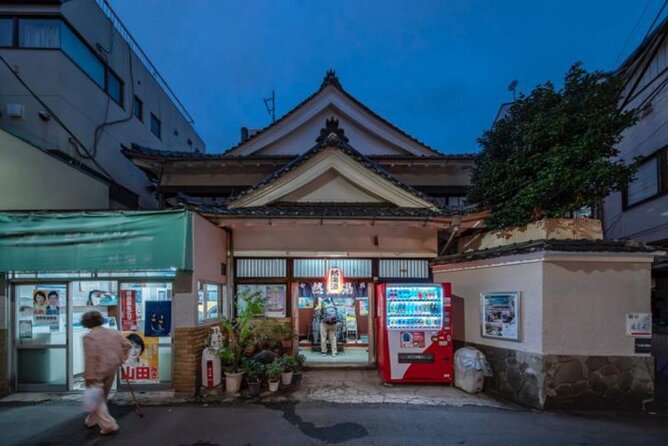
The final drink is a small detail, but it gives the experience a satisfying finish. After bathing, you receive one complimentary bottle of milk or a soft drink. Options include milk coffee and fruit milk.
Bottled milk became associated with the post-bath ritual because it was easy to drink after a hot soak. The cold bottle, often enjoyed quickly while the body is still warm, is part of the sento experience in its own right.
I like this touch because it connects the explanation to a physical habit. You do not just hear about the tradition. You get to try the same kind of simple refreshment that has long followed a bath.
If you choose not to bathe, the activity information says you can relax in the lobby with a drink. The exact drink choice may depend on what is available, but a bottle or soda is included with the booking.
Is $35.77 Good Value for One Hour?
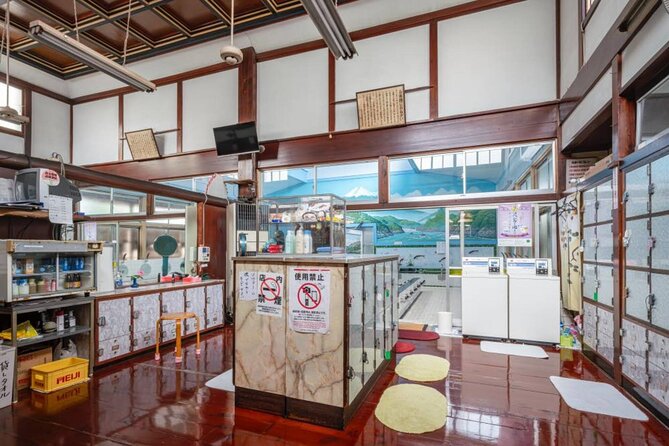
At $35.77 per person, this is not the cheapest way to visit a bathhouse. You could potentially find a public bath on your own for far less than the full activity price.
The value comes from the guidance and access to cultural context. You are paying for someone to meet you, walk you to the bathhouse, explain the customs in English and Japanese, answer beginner questions, and help you understand details such as the Fuji mural and post-bath milk tradition.
That makes the price easier to justify if you are new to sento culture or worried about making an etiquette mistake. It is less compelling if you already know Japanese bathhouse customs and feel comfortable navigating the process alone.
The maximum of six participants also matters. This is a small introduction rather than a large group tour. You get a more direct exchange with the guide, although the visit remains short at about one hour.
For a first attempt, I consider the price fair if you want cultural explanation as much as bathing time. If your only goal is a hot soak, visiting a sento independently will likely cost less.
Who Will Enjoy This Experience Most?
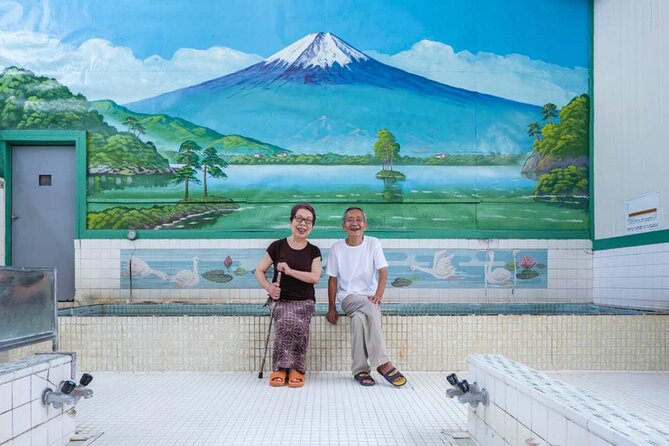
This activity suits you if you want a local Tokyo encounter that fits into a busy sightseeing day. The short duration makes it easier to add before dinner, after visiting Shinjuku, or during a day in the Kagurazaka area.
It is also a good match for people who feel unsure about Japanese etiquette. The guide explains the process in order, so you do not need to learn everything from signs or by watching other bathers.
You will likely appreciate it most if you enjoy small cultural rituals: taking off your shoes, washing before soaking, looking at an old wall mural, and ending with a cold milk drink. These details are the point of the visit.
It may not suit you if you want a long spa treatment, privacy, or a modern wellness center. This is a shared neighborhood bathhouse with a traditional setup. The one-hour format also leaves limited time for a long soak or extended conversation.
The activity is open to most people, and confirmation is provided when you book. It is near public transportation, and the group is limited to six. Since the experience requires good weather and a minimum number of participants, a cancellation may result in a new date or a full refund.
Practical Details Before You Book
Bring a respectful attitude toward shared bathing and be ready to follow the guide’s instructions. Shampoo and body soap are available, so those essentials are covered.
The mobile ticket makes entry and meeting arrangements simple. Confirm the Starbucks location carefully because the address is in Kagurazaka, within Shinjuku City, rather than at the main Shinjuku Station area.
You can cancel for a full refund up to 24 hours before the start time. Cancellations or changes made within 24 hours are not refunded or accepted. If poor weather or an insufficient number of participants causes the activity to be canceled, you are offered another date or a full refund.
The experience has a five-star rating from four supplied reviews, with praise focused on the guide’s kindness, clear explanations, local atmosphere, and relaxing first-bath experience. Those points match what the format is built to provide: a friendly introduction rather than a rushed photo stop.
Should You Book This Sento Visit?
Book it if you want to understand Japanese bathing customs and prefer a small, personal introduction to a real neighborhood bathhouse. The 1954 setting, Mount Fuji mural, postwar context, and milk drink give the hour a clear sense of place.
Think twice if you already know sento etiquette, dislike communal bathing, or want a longer spa session. Female participants should also note that the male guide does not accompany them into the bath area.
For a first sento visit, $35.77 buys reassurance and context, not just hot water. That is the reason to choose it.
FAQ
Where does the experience begin?
It begins at Starbucks Coffee near Kagurazaka-shita, at 1-chome 92 Kagurazaka, Shinjuku City, Tokyo 162-0825.
Where does the experience end?
The activity ends back at the meeting point.
How long does the experience last?
The experience lasts approximately one hour.
How many people can join?
The activity accepts a maximum of six participants.
Is a guide included?
Yes. A bilingual guide introduces the sento facilities, etiquette, and cultural background.
Can I join if I do not want to bathe?
Yes. You can observe the architecture and entrance murals or relax in the lobby with a drink instead.
What is included after the bath?
You receive one complimentary bottle of milk, milk coffee, fruit milk, or a soft drink.
Are shampoo and body soap provided?
Yes. Shampoo and body soap are available for use.
What is the cancellation policy?
You receive a full refund if you cancel at least 24 hours before the start time. Cancellations or changes within 24 hours are not refunded or accepted.
Just added around Tokyo
- Samurai Guide Sho’s Mt. Takao Hike, Temple & Onsen from Shinjuku★ 5.0 · 9 reviews
- Tokyo Local Tattoo Friendly Public Bath Experience★ 5.0 · 4 reviews
- Japanese Head Onsen and Scalp Massage Retreat in Tokyo★ 4.5 · 2 reviews
- Mt. Fuji to Lake Kawaguchi, Lake Yamanaka and Onsen Day Tour★ 4.5 · 3 reviews
- Mt. Fuji Tours to Lake Kawaguchi and Yamanaka Onsen English Guide★ 4.5 · 4 reviews
- Tokyo City Adventures Private English Tour With Hotel Pickup★ 5.0 · 12 reviews
- Tattoo-friendly open-air Onsen & drink★ 5.0 · 25 reviews
- Private Tour to Snow Monkey, Zenkoji Temple & Hot Springs Nagano★ 4.0 · 2 reviews
Japanese Onsen Tours, compared.
Himeji Castle, Arima Onsen & Mt. Rokko Day Tour
Read our review →
Private Tour to Fuji/Hakone – Onsen, Art, Nature
Read our review →
All-Day Pass to Yunomori Sathorn Onsen Bath and Spa
Read our review →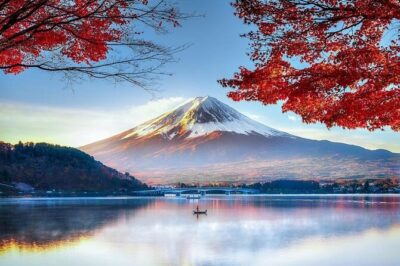
Mt. Fuji, Hakone Private Tour from Tokyo – Onsen, Arts and Nature
Read our review →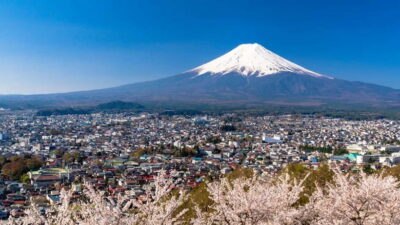
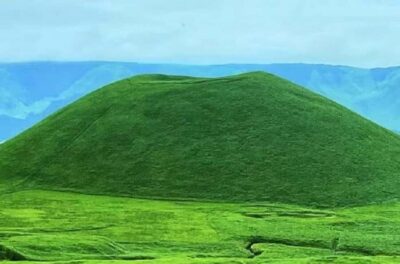
From Fukuoka: Mount Aso, Kurokawa Onsen, and Shrine Tour
Read our review →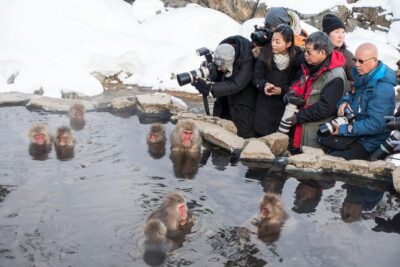
Private Nagano 1-Day Tour:Snow Monkeys,Zenko-ji,Obuse,Sake,Onsen
Read our review →Browse the lists this tour appears in