
REVIEW · JAPAN
Osaka: Nara and Uji Day Trip with Deer Park and Hot Spring
Nara’s deer are the hook, but the best part of this day trip is the range: friendly deer in a maple forest, a giant bronze Buddha, a lantern-filled shrine, Uji’s matcha shops, and a hot spring to soothe your feet. For $57, you get transport from Osaka, a guide, and a full day without having to piece together several train routes.
I like the easy mix of guided sightseeing and free time. You get a clear introduction to Todai-ji and Kasuga Taisha, then room to choose your own matcha snack or Uji stop. I also like the finish at Genji-no-Yu, since an hour in a Japanese bath can be just what you need after a long day on foot.
The tradeoff is pace. Nara and Uji each deserve a full day, but this tour gives you roughly two hours at Nara Park and about 90 minutes in Uji, with temple visits and bathing added on top. If you like lingering, this may feel brisk.
Key points to know before booking
- Deer crackers are included: You receive a complimentary pack at the meeting point, but the deer can be eager once they see food.
- Three different Japanese experiences in one day: Nara’s religious sights, Uji’s matcha culture, and a traditional hot spring each feel distinct.
- The Great Buddha is the main Nara highlight: Todai-ji admission is extra, but this is the stop most visitors will want to prioritize.
- Uji requires a choice: You may focus on Byodo-in Temple and its approach street, or visit the Tale of Genji Museum.
- The hot spring is optional in practical terms: Admission costs extra, tattoos may prevent entry, and bathing is fully nude.
- Guides are a major part of the experience: Etta receives especially warm praise for energy, organization, clear English, and useful messages with meeting details.
Why this Osaka day trip works
This is a long, full outing, not a slow temple walk. You leave from Harimaya Building near Osaka’s Namba and Shinsaibashi area at 8:40 a.m., then ride about 70 minutes to Nara. The return ride from the Uji area takes about 80 minutes, so you spend a fair amount of the day on the road.
That travel time is the price of combining two destinations. On your own, Nara and Uji are reachable by train, but you would need to manage connections, local walking routes, opening hours, and the trip to the hot spring. Here, the air-conditioned vehicle and guide handle the framework.
The group is shared and may include people from several countries. Explanations are offered in English, Japanese, and Traditional Chinese. If fewer than 13 people join, the guide may also drive, which means the commentary will be more basic. Vehicle seats can be compact by local standards, so taller passengers should be prepared for a snug ride.
The tour has earned a 4.4 rating from 302 bookings, with particularly strong praise for guides including Etta, Lucia, Ethan, Watson, Jack, and Nick Lee. The repeated pattern is clear: the guide’s energy and ability to keep a mixed-language group moving can make a big difference.
More Hot Spring Day Trips in Japan
- From Osaka: Himeji Castle, Arima Onsen & Mt. Rokko Day Tour
★ 4.6 · 339 reviews - Tokyo: Mount Fuji 5th Station & Onsen Day Trip
★ 4.3 · 75 reviews - Private Nagano 1-Day Tour:Snow Monkeys,Zenko-ji,Obuse,Sake,Onsen
★ 5.0 · 71 reviews
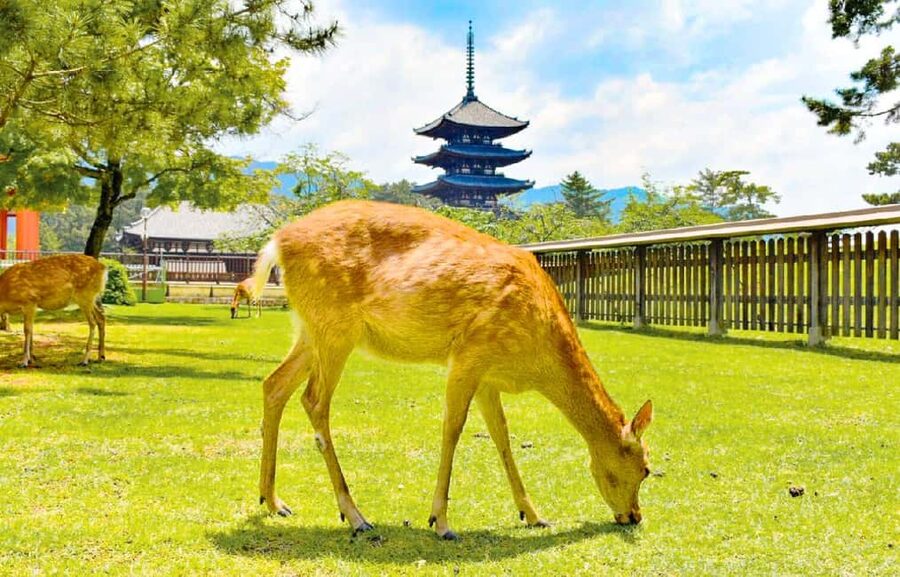
Feeding deer in Nara Park
Your first main stop is Nara Park, at the base of Wakakusa Mountain. The park is known for its large population of free-roaming deer, and the highest concentration is around the main sightseeing areas.
The supplied deer crackers make this more than a quick photo stop. Hold them where the deer can see them and you may soon have several animals approaching. That is fun, but you need to pay attention. The deer are used to visitors, and excited groups may crowd around you looking for more food.
A simple rule helps: feed in small amounts, keep your hands visible, and put the crackers away when they are gone. The tour specifically warns you to be mindful around the deer, and this is not just a formality. Children should be watched closely, especially when several deer move in at once.
The maple forest gives the park a softer, more scenic setting, though the exact appearance changes with the season. Your two hours at Nara Park include time for feeding deer and visiting the nearby sights, but you will not have unlimited time for every path, shop, and viewpoint.
Wear shoes that can handle walking. The parking area is not right beside every attraction, and reaching the temples and shrine involves a fair amount of movement on foot.
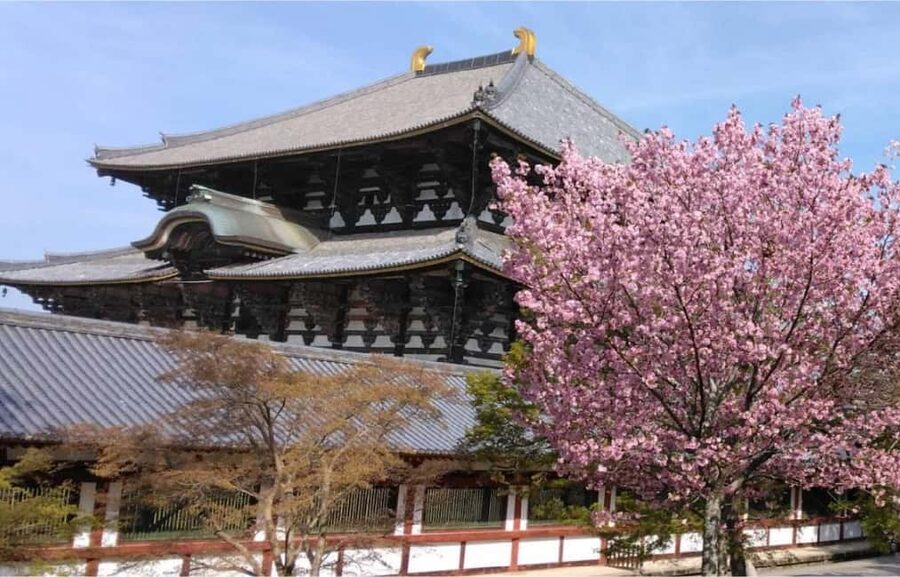
Todai-ji and the Great Buddha
Todai-ji is the essential cultural stop in Nara. The temple houses the Great Buddha of Nara, a huge bronze figure that gives the visit its visual punch. Even if you have seen many Japanese temples, the scale of the Buddha and the temple setting make this a worthwhile priority.
Admission is not included, so budget separately for the entrance fee. Since time is limited, I would use the guide’s introduction to understand what you are seeing, then spend your remaining minutes inside the temple rather than trying to cover every nearby shop.
The tour format gives you a practical balance. You get context and directions from the guide, but you are not tied to a long lecture at every corner. Guides such as Etta and Karin were praised for keeping groups on time while still offering useful information and food suggestions.
Todai-ji is also where the tour’s pace becomes most noticeable. You have Nara Park, Todai-ji, and Kasuga Taisha in the same general outing. If you want detailed architectural study or quiet time in the temple grounds, you may wish you had longer.
Kasuga Taisha and its lanterns
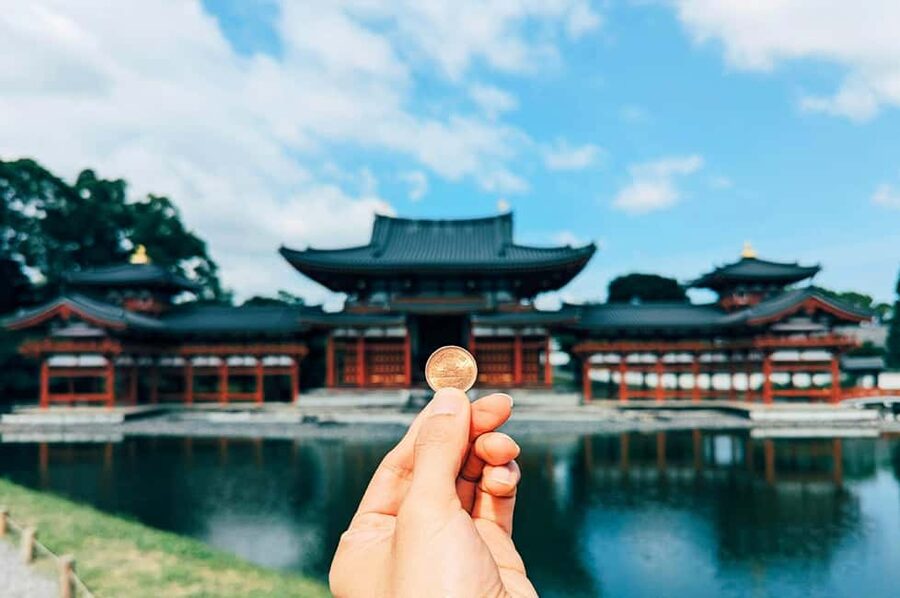
Kasuga Taisha brings a different mood from Todai-ji. It is a Shinto shrine known for thousands of bronze and stone lanterns, and the lanterns are the detail to watch for as you move through the grounds.
I like this pairing because it lets you compare two major religious traditions in one morning. Todai-ji gives you monumental Buddhist architecture and sculpture. Kasuga Taisha offers a more intimate shrine atmosphere, with lanterns shaping the route and the surrounding forest adding to the sense of calm.
The visit is primarily sightseeing, not a long religious ceremony or specialist tour. Your guide will help you find the main areas, but you should expect to walk and keep an eye on the meeting time.
The Nara portion is strongest for first-time visitors who want the famous essentials. It is less suited to someone who has already spent several days in Nara and wants quieter neighborhoods or smaller temples.
Same place, a different kind of soak:
- From Tokyo: Private Tour to Fuji/Hakone – Onsen, Art, Nature
★ 5.0 · 116 reviews - Mt. Fuji, Hakone Private Tour from Tokyo – Onsen, Arts and Nature
★ 5.0 · 79 reviews - From Fukuoka: Mount Aso, Kurokawa Onsen, and Shrine Tour
★ 4.6 · 72 reviews - Tokyo: Mt Takao Tour with Ramen and Tattoo-Okay Hot Spring
★ 5.0 · 69 reviews
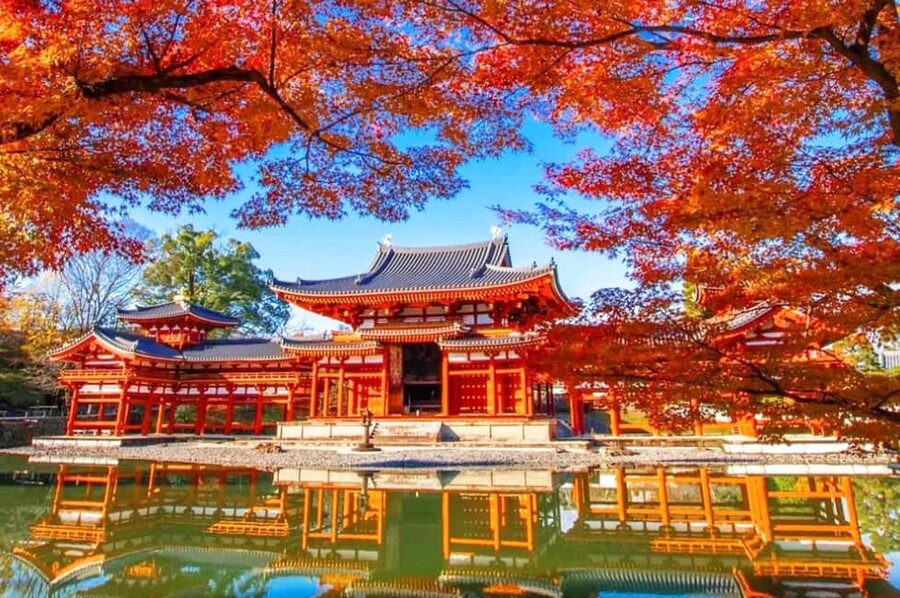
Uji’s matcha streets and Byodo-in
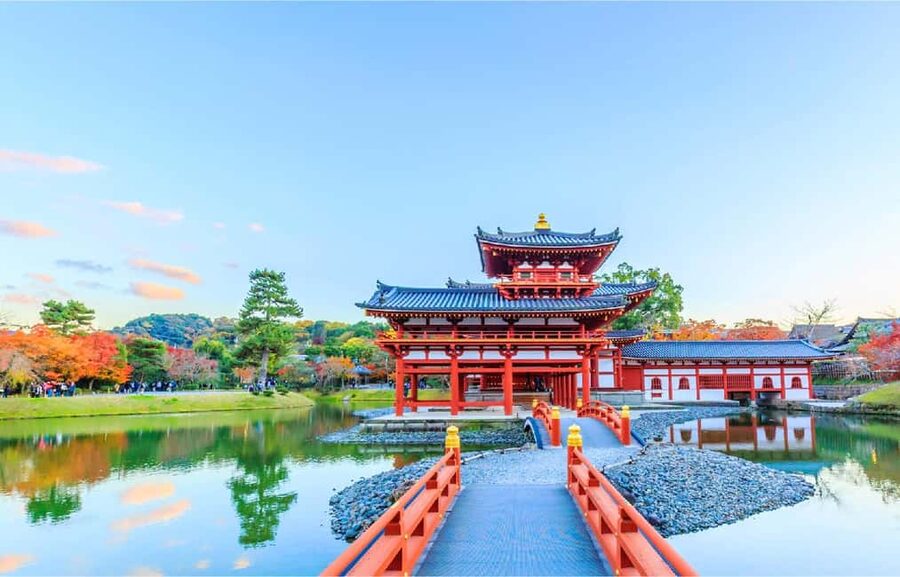
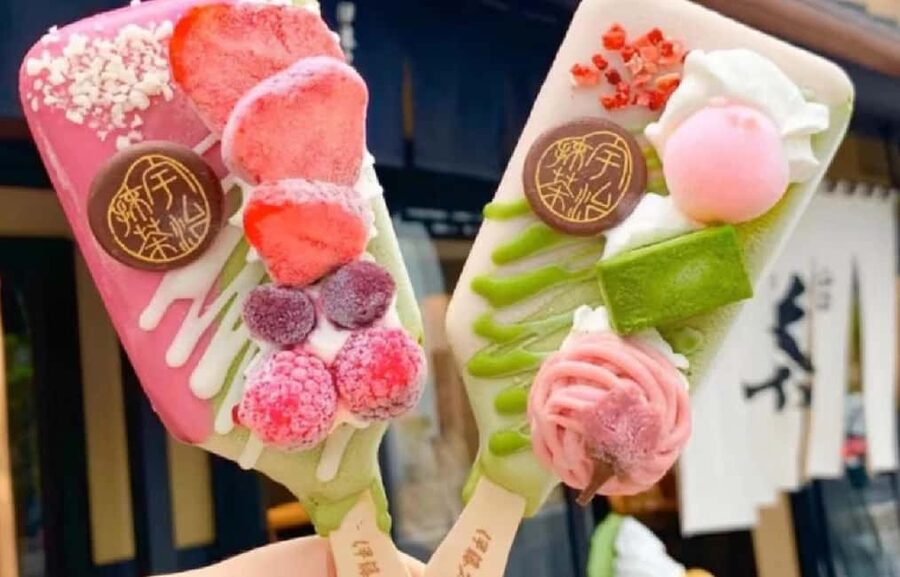
After Nara, the coach takes you to Uji, a city closely tied to matcha. The streets around Byodo-in are lined with matcha ice cream, cakes, drinks, and even green tea soba noodles. This is the place to turn sightseeing into lunch or a snack break.
You are not given meals or drinks, so plan to buy food during your free time. The matcha focus makes Uji feel different from Nara, and the short stop works well if you want to sample sweets or pick up matcha products.
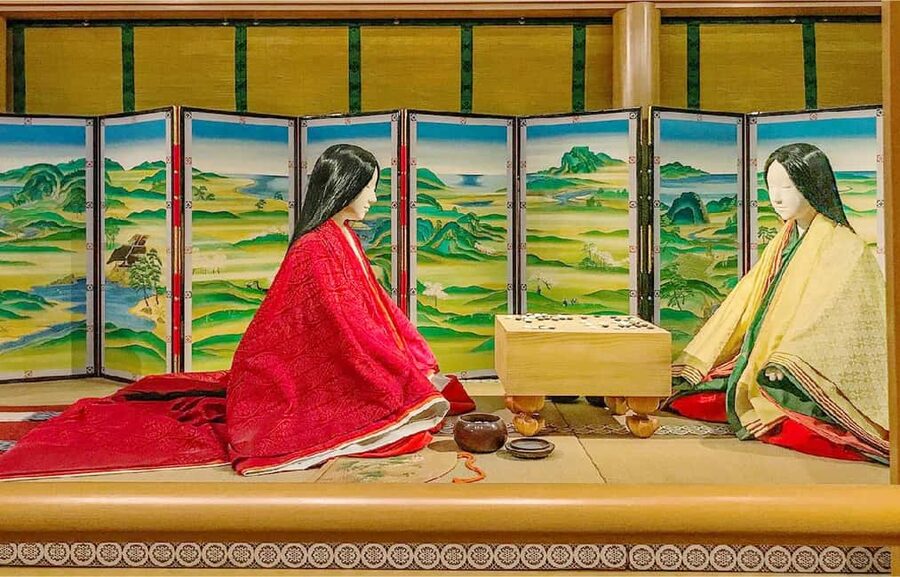
Uji also connects to The Tale of Genji, the classic Japanese novel whose final ten chapters are set in the area. You can choose between two main directions:
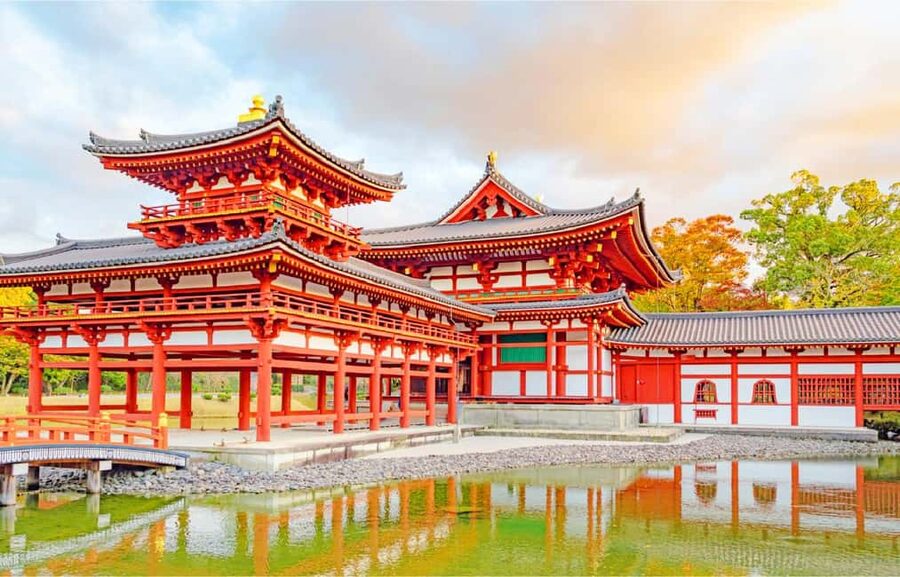
- Byodo-in Temple and Byodo-in Omotesando: The temple is known for its Heian-era pond garden design. The approach street is useful for matcha shopping and food.
- The Tale of Genji Museum: This uses multimedia and high-definition visuals to explain the novel and its setting.
Admission to Byodo-in and the museum is not included. Since Uji time is listed at about 90 minutes, trying to do every option may leave you rushing. I would choose Byodo-in if architecture, gardens, and the famous approach street appeal to you. Choose the museum if you already know the novel or want a more literary stop.
Several people who enjoyed the day also singled out matcha ice cream and vegetarian soba as good choices. That fits the stop well: Uji is not just a temple visit, but a chance to taste the local identity.
Rain can affect Uji more than Nara’s main indoor sights. One booking noted that wet weather reduced the enjoyment of the town, so a rain jacket and comfortable shoes are sensible.
Genji-no-Yu: a quiet finish

The final major stop is Genji-no-Yu, described as Uji’s only natural hot spring. Water is drawn from 1,111 meters underground, and the facility has three indoor baths plus an outdoor bath.
The hot spring lasts about an hour. That is enough time to wash, soak, and relax, but not enough for a leisurely spa day. The value comes from the timing. After a morning of walking around Nara and an afternoon in Uji, sitting in warm water gives the day a pleasant change of speed.
You need to know Japanese bathing rules before you go. Bathing is nude, and wearing clothing in the hot spring is not allowed. If you have a tattoo, you may not be admitted, so check the facility’s policy before booking rather than assuming you can simply cover it.
Admission is extra. Some people may prefer to skip the bath and spend more time in Uji, while others will consider it the best part of the day. If you are new to onsen bathing, this is a relatively simple way to try it, provided you are comfortable with the rules.
One important caution: the hot spring is part of the planned route, but local conditions can affect the schedule. Do not arrange a tight evening train, restaurant reservation, or flight connection after the tour.
What the $57 price really covers
At $57 per person, the price is attractive for a 10-hour day that includes round-trip coach transport from central Osaka, an English, Japanese, or Traditional Chinese speaking guide, driver and guide service fees, parking, and taxes.
The price does not cover meals, drinks, Todai-ji admission, Byodo-in admission, the Tale of Genji Museum, or the hot spring. These extra costs are not difficult to manage, but they change the final total. Bring enough cash or a payment method suitable for the places you plan to enter and the food you want to buy.
The main value is convenience. You avoid arranging transport between Osaka, Nara, Uji, and Genji-no-Yu, and you get a guide who can explain the main sights and keep the group moving. If you are comfortable planning Japanese rail trips and want to set your own pace, separate visits may suit you better.
The tour is especially good value for a first Osaka visit. You can see the deer, Great Buddha, lantern shrine, Uji matcha area, and a hot spring without spending several days on regional logistics.
How to prepare for the day
Meet at Harimaya Building, 1-chome-3-11 Nipponbashi, Chuo Ward, Osaka, at least 15 minutes before the 8:40 a.m. departure. Look for the guide holding a yellow flag. Late arrivals and no-shows do not receive a refund, so leave extra time for reaching the meeting point.
Wear walking shoes and clothes that are easy to manage at the bath. Bring water, weather protection, and room in your budget for food and admissions. Keep your deer crackers controlled, and do not plan another important activity immediately after the scheduled return.
The day can change because of traffic or weather. That is normal for a long shared coach outing, but it matters if you have a fixed evening booking.
Is this Nara and Uji tour right for you?
I would book this tour if you want a broad first look at Nara and Uji, prefer road transport to managing several train journeys, and like having a guide handle timing and basic explanations. The combination of deer, Todai-ji, Kasuga Taisha, matcha, and a hot spring gives you a lot of Japan in one day.
I would skip it if your main goal is slow temple photography, extended time at Byodo-in, or a long onsen visit. The schedule is full, Uji is short, and admissions cost extra.
For most first-time visitors based in Osaka, the tour offers solid value. The best way to enjoy it is to pick your priorities before departure: feed the deer safely, make Todai-ji your Nara focus, choose either Byodo-in or the museum in Uji, and treat the hot spring as a relaxing finish rather than another rushed attraction.
FAQ
Where does the tour leave from?
It leaves from Harimaya Building in the Namba and Shinsaibashi area at 1-chome-3-11 Nipponbashi, Chuo Ward, Osaka. Departure is at 8:40 a.m., and you should arrive at least 15 minutes early. The guide holds a yellow flag.
What languages does the guide speak?
Live explanations are offered in English, Japanese, and Traditional Chinese. The tour is shared with participants from different countries, so explanations may be given in several languages.
Are deer crackers included?
Yes. You receive a complimentary pack of deer crackers and can feed the deer in Nara Park. Be careful because the deer may approach quickly and gather around you when they see food.
Are entrance fees and meals included?
No. Meals, drinks, Todai-ji admission, Byodo-in admission, Tale of Genji Museum admission, and Genji-no-Yu hot spring admission are not included.
Can I enter the hot spring if I have a tattoo?
You may not be able to enter if you have a tattoo. Check the facility’s policy before booking. Bathing is nude, and wearing clothing in the hot spring is not allowed.
How much free time is available?
The visit to Nara Park is listed at about two hours, and the Uji visit at about 90 minutes. Traffic, weather, and local conditions can change the schedule, so do not plan a tight activity or transport connection after the tour.
More 1-Day Tours in Japan
- 1-Day Winter Tour From Nozawa Onsen: Snow Monkeys, Zenko-ji Temple & Sake
★ 5.0 · 32 reviews - Himeji Castle, Arima Onsen & Mt. Rokko: 1-Day Bus Tour from Osaka
★ 4.0 · 28 reviews - Kyushu: Aso Vocano, Grassland,Onsen and Aso shrine 1-Day Tour
★ 4.5 · 23 reviews - Private Car Day Trip to the Kobe Mountains, Gardens and Hot Springs from Osaka
★ 4.5 · 16 reviews
Just added around Japan
- Samurai Guide Sho’s Mt. Takao Hike, Temple & Onsen from Shinjuku★ 5.0 · 9 reviews
- Tokyo Local Tattoo Friendly Public Bath Experience★ 5.0 · 4 reviews
- Japanese Head Onsen and Scalp Massage Retreat in Tokyo★ 4.5 · 2 reviews
- Mt. Fuji to Lake Kawaguchi, Lake Yamanaka and Onsen Day Tour★ 4.5 · 3 reviews
- Mt. Fuji Tours to Lake Kawaguchi and Yamanaka Onsen English Guide★ 4.5 · 4 reviews
- Tokyo City Adventures Private English Tour With Hotel Pickup★ 5.0 · 12 reviews
- Tattoo-friendly open-air Onsen & drink★ 5.0 · 25 reviews
- Private Tour to Snow Monkey, Zenkoji Temple & Hot Springs Nagano★ 4.0 · 2 reviews
Hot Spring Day Trips, compared.

Zakopane Snowmobiles, Bonfire & Hot Springs Day Tour
Read our review →
Golden Circle Day Tour with optional Blue Lagoon
Read our review →
Full-Day Tour of Pamukkale from Antalya with Lunch
Read our review →
Lake Vouliagmeni Thermal Spa And Temple Of Poseidon Private Full Day Tour
Read our review →
Full-Day Tour to Pamukkale From Marmaris w/ Breakfast & Lunch
Read our review →Browse the lists this tour appears in