
REVIEW · JAPAN
Hakone: Traverse the Hakone Caldera and Enjoy Onsen
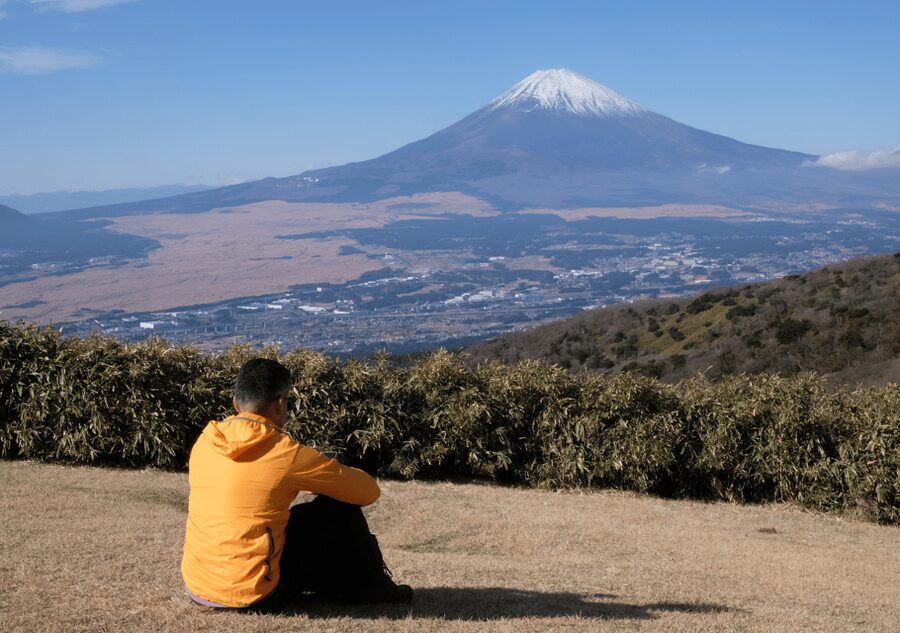
Hakone is best seen from above, and this 8 to 9 km caldera-rim hike gives you a very different day from the usual ropeway and sightseeing circuit. You climb for about 90 minutes, then walk the ridge for three hours with views toward Mt Fuji, the Pacific Ocean, Owakudani, Sengokuhara, and Hakone town. Guide Akihiro Wada, also called Aki, leads the walk in English or Japanese.
I like two things right away: the small group, limited to six people, and the traditional finish in a natural onsen after lunch. Aki also carries snacks and drinks for the mountain, and his photography has been a real bonus for past participants. The main catch is simple: this is a proper mountain hike, not a gentle stroll. You need to be fit enough for a 400-meter climb and several hours on a ridge.
Key points to know before you book
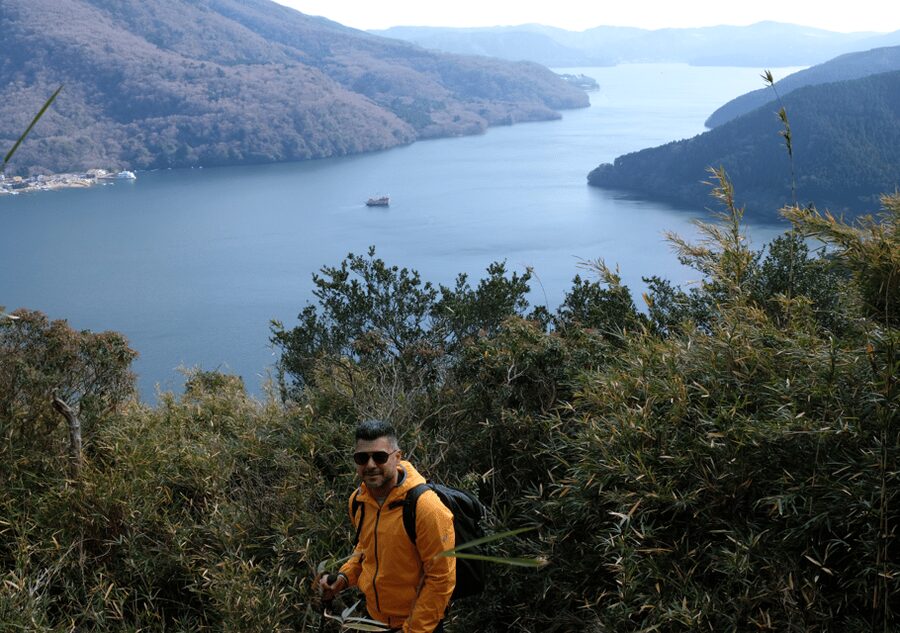
- A 90-minute climb starts the hard work: You gain about 400 meters before reaching the mountain ridge.
- Views depend on the weather: Clear skies can reveal Mt Fuji, the Pacific Ocean, Owakudani, Sengokuhara, and the Hakone mountains.
- The ridge walk lasts about three hours: Expect roughly 4 to 5 hours of hiking over 8 to 9 km.
- Aki leads a very small group: Coconuts Hike Japan limits the tour to six people, with English and Japanese guiding.
- The onsen is part of the Japanese hiking ritual: After lunch, you soak in a natural hot spring to ease tired muscles.
- Several costs are extra: Budget for trailhead transport, lunch, and an onsen fee in addition to the $154 tour price.
Why this Hakone hike feels different
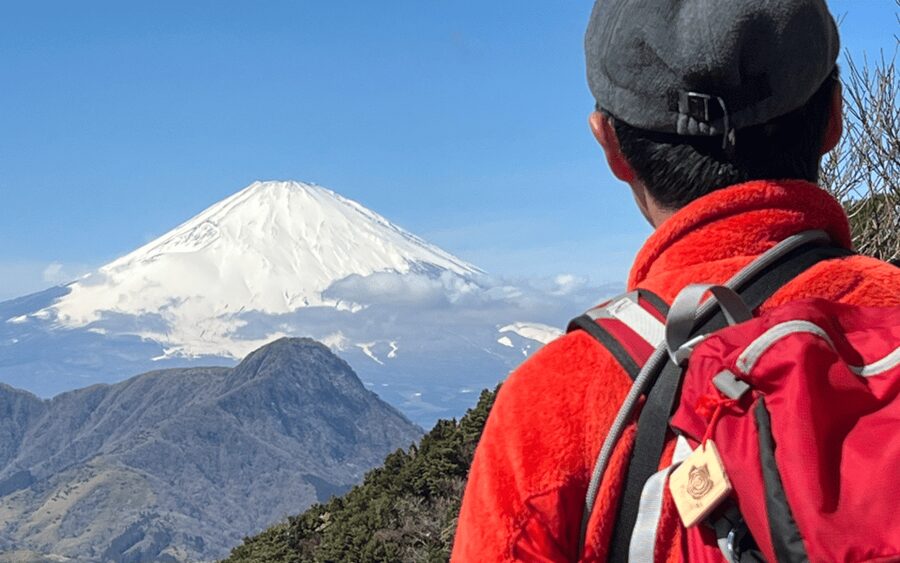
Many Hakone day trips keep you close to stations, lakefront sights, and the famous ropeway. This experience takes you onto the outer rim of the Hakone caldera, where the rewards come from steady walking, open mountain views, and long stretches with few other people around.
You’ll get a better sense of Hakone as a volcanic region, not just a resort town with a famous view of Mt Fuji. From the ridge, you can look across the area shaped by volcanic activity, including Owakudani and the surrounding mountains. The guide explains what you are seeing as you walk, so the views have some context rather than passing by as a series of pretty photographs.
I especially like the seasonal range. In spring, you may see sakura. Autumn brings red leaves, while winter can put powdered snow underfoot. Bamboo, birdsong, and open mountain air fill in the quieter parts of the route.
The weather matters a great deal. On a clear day, Mt Fuji can appear again and again along the ridge. If clouds cover the mountain, you still have views of Hakone town and the surrounding peaks, but you should not book this expecting a guaranteed Fuji photograph.
More Onsen Tours in Japan:
- From Osaka: Himeji Castle, Arima Onsen & Mt. Rokko Day Tour
★ 4.6 · 339 reviews - From Tokyo: Private Tour to Fuji/Hakone – Onsen, Art, Nature
★ 5.0 · 116 reviews - Mt. Fuji, Hakone Private Tour from Tokyo – Onsen, Arts and Nature
★ 5.0 · 79 reviews
Starting at Hakone Yumoto Station at 8:45
The meeting point is at the ticket gate of Hakone Yumoto Station at 8:45 a.m. That makes Hakone Yumoto a useful base for the morning, though you’ll need to plan your arrival carefully if you are coming from elsewhere in Japan.
The tour does not include hotel pickup or drop-off. If you are already staying in Hakone the night before, contact the operator about a possible meeting point closer to the trailhead. That may save time and reduce backtracking.
From the station, you travel to the start of the trail. Transportation to the trailhead is not included, and the expected bus cost is about 1,000 Japanese yen. Ask ahead about luggage storage or delivery options if you are changing hotels. Carrying a full suitcase before a mountain hike is a poor way to begin the day.
The 400-meter climb to the ridge
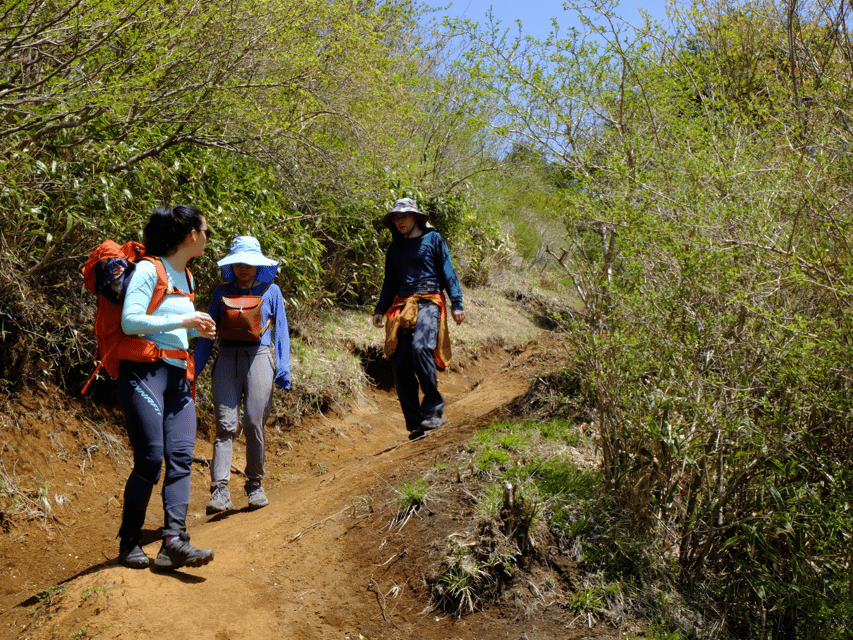
The first major section is the 90-minute ascent. You gain around 400 meters, so the trail demands steady effort from the start. This is the part that separates the tour from a sightseeing walk.
You should arrive wearing hiking shoes, not smooth-soled trainers. Bring water, sunscreen, and a hat. A change of clothes is also sensible, since a long climb followed by an onsen can leave you sweaty even in cooler weather.
The guide adjusts the pace to the group, but you still need a basic level of fitness. The tour information sensibly points out that difficulty depends on how often and how long you normally hike. If your usual outings are flat city walks, this may feel strenuous. If you regularly hike for several hours, the route should be more manageable.
At the top, pause for the views. The Pacific Ocean, Hakone’s mountain ranges, Owakudani, and Sengokuhara may all be visible. Mt Fuji appears when the weather cooperates, and clear conditions can make it the star of the day.
Three hours along Hakone’s outer rim
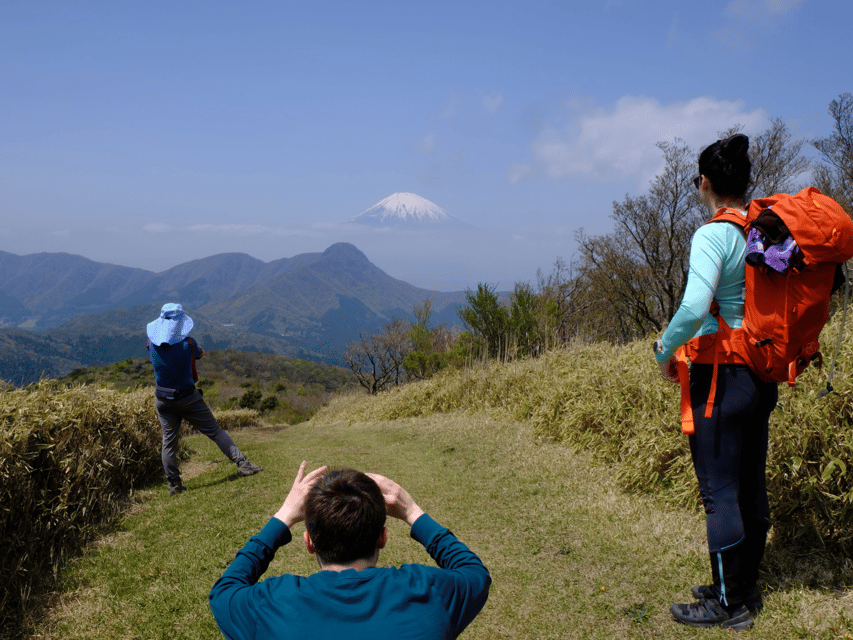
Once you reach the ridge, the tour settles into its main rhythm: a roughly three-hour walk with broad views over Hakone. The route gives you time to look around rather than rushing from one stop to the next.
This is where Aki’s role adds real value. He is the owner and chief guide of Coconuts Hike Japan, and he has advanced wilderness first aid training along with national mountain-guide certification. The point is not only safety. A good mountain guide helps you understand the terrain, volcanic activity, plants, and changing views as you move.
The small-group limit of six matters here. You can hear the guide without a struggle, ask questions, and walk at a pace that feels more personal than a large bus tour. One past participant ended up as the only person booked that day, and Aki adapted the walk to her needs. That kind of flexibility is useful, though you should still explain any injury or physical limitation before the hike begins.
The ridge changes with the seasons. Bamboo fields bring shade and a different texture to the route. Birds provide the soundtrack. Spring may add cherry blossoms, autumn brings red foliage, and winter can mean snow underfoot. Conditions are not fixed, so bring clothing that matches the forecast and expect the mountain to feel different from Hakone town.
More Volcano Hot Spring Tours in Japan:
- Tokyo: Mount Fuji 5th Station & Onsen Day Trip
★ 4.3 · 75 reviews - Fukuoka: Mt. Aso Volcano & Kurokawa Onsen Scenic Day Tour
★ 3.8 · 37 reviews - Traverse Outer Rim of Hakone Caldera and Enjoy Onsen Hiking Tour
★ 5.0 · 30 reviews - Mount Fuji – Hakone & Onsen Full Day Private Tour
★ 3.8 · 6 reviews
Fuji views are a bonus, not a promise
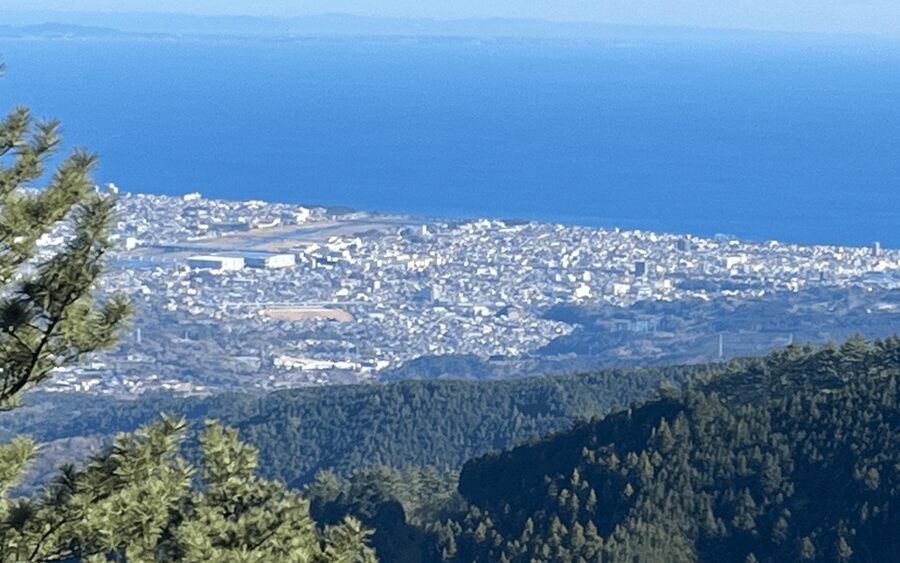
If you want Mt Fuji photographs, this route gives you a strong chance on a clear day. The mountain may remain visible for much of the ridge walk when the sky is open, and the higher position gives you more than the usual low-level view.
Still, Hakone weather changes quickly. Clouds may hide Fuji even when the rest of the route is perfectly enjoyable. The operator may also use a different onsen depending on the chance of seeing Mt Fuji, so the exact end-of-day plan can vary with conditions.
I would book this for the mountain walk first and the Fuji view second. That way, cloudy weather does not spoil the day. You will still see Hakone town, the caldera, and the surrounding mountain country, and the guide can explain the volcanic setting as you go.
A local lunch after the walking
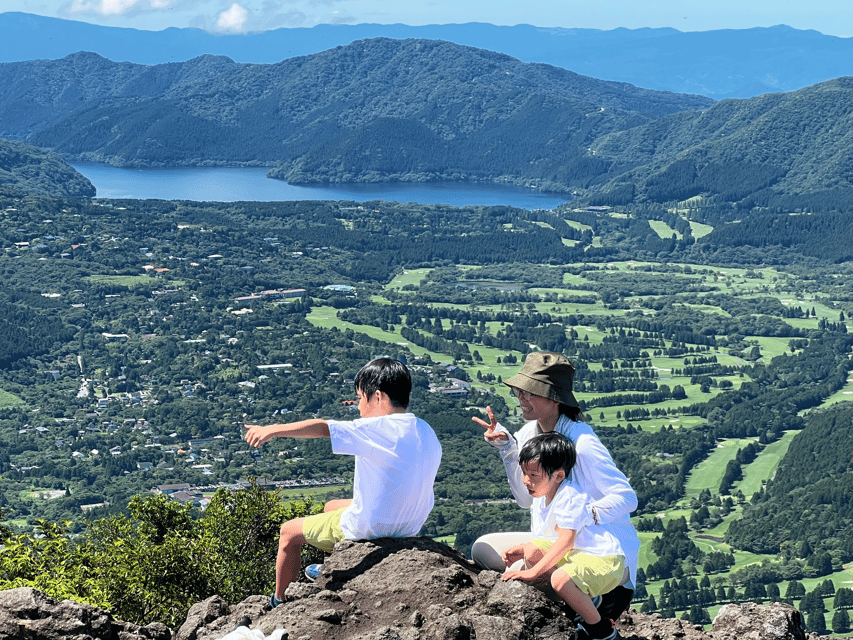
After the ridge section, you descend for about 30 minutes and reach Togendai. Lunch is arranged at a local Japanese restaurant, with regional food available.
Lunch is not included in the $154 price, so bring money for the meal. The arrangement is convenient because you do not have to search for a restaurant while tired and hungry, but you should allow room in your budget for food and drinks.
This break also gives your legs time to recover before the onsen. You will have spent four to five hours hiking, so a proper meal is more than a pleasant extra. It is part of what makes the day workable.
The onsen finish
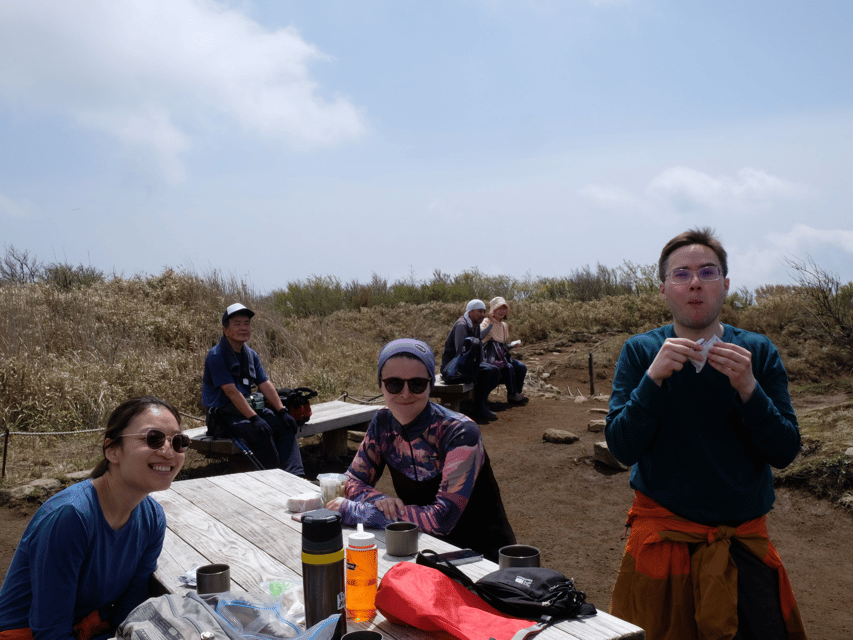
The final soak is one of the most appealing parts of the experience. In Japan, combining a mountain walk with a hot spring is a familiar ritual, and Hakone is one of the country’s best-known hot-spring areas. After the climb, ridge walk, and descent, warm mineral water can feel like exactly the right finish.
The onsen fee is extra, usually about 1,500 Japanese yen. You should also bring a change of clothes. The operator chooses a favorite local onsen, though a different facility may be used depending on the weather and the chance of seeing Mt Fuji.
There is an important tattoo rule. Most of the onsen facilities used on this tour do not allow visible tattoos. Tattooed participants may enter if they cover them with powdered sheets, which can be purchased online. Contact the operator in advance if you need help arranging this. Do not leave this question until you are standing at the bath entrance.
The onsen is not a private bath. If you are new to Japanese bathing customs, ask the guide for a quick explanation. You wash before entering the shared bath, keep towels out of the water, and respect the quiet setting.
What Aki adds to the day
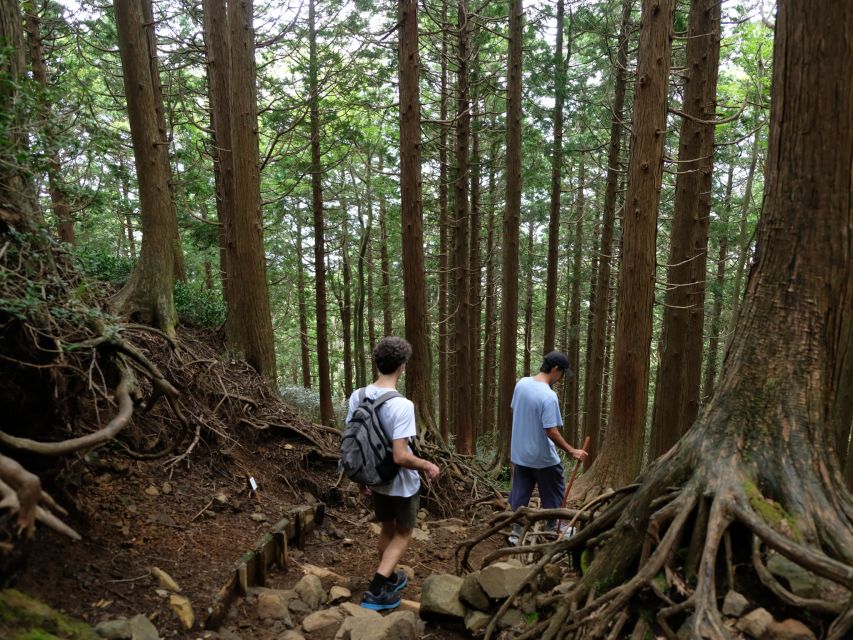
The strongest feature of this tour is the guide. Aki is repeatedly praised for being friendly, funny, flexible, and well informed about the area. He also takes photographs with a high-end camera and sends them after the hike, which is a thoughtful touch when you are too busy walking to manage your own camera.
His flexibility has practical value. One participant had to change plans because of an injury and was moved to a different Japan Heritage Hike. Aki adjusted the day rather than treating the original plan as rigid. That does not mean this caldera route is suitable for an injury, but it does show why direct communication with the guide matters.
He also adds local and historical context. The mountain views are attractive on their own, but learning about Hakone’s volcanic activity and the area’s place in Japanese culture gives the hike more shape. You are not simply following a trail to take pictures.
What the $154 price really covers
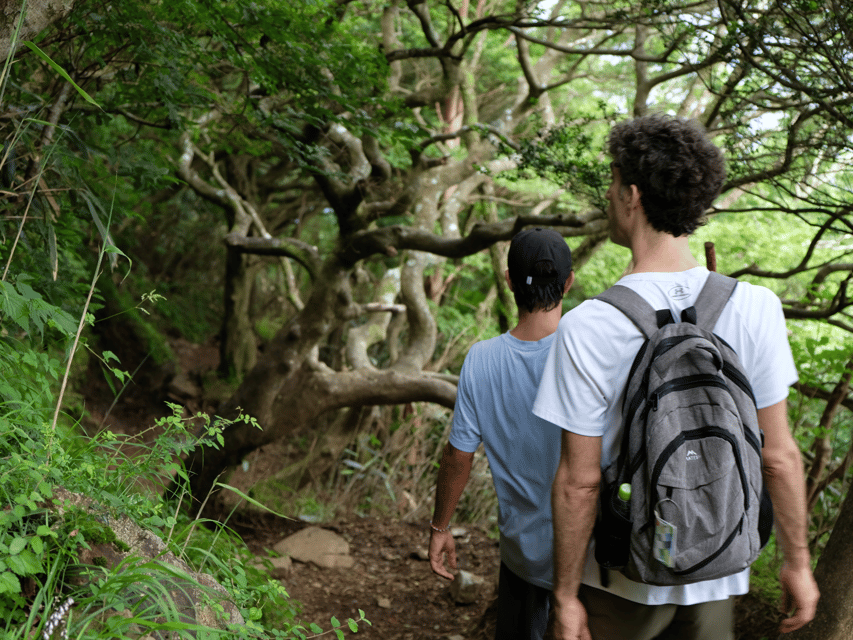
At $154 per person, this is not the cheapest way to see Hakone. You still pay for transport to the trailhead, lunch, and the onsen. Those extras may add a noticeable amount to the day’s cost.
The price makes more sense if you value expert guiding and a small group. It includes a nationally certified mountain guide with advanced wilderness first aid training, snacks and drinks at the mountain top, route planning, and an organized onsen finish. You are also paying to reach quieter mountain areas without having to work out the trail, bus connections, lunch stop, and hot spring on your own.
If you only want a quick Fuji photograph, public transport and a shorter sightseeing plan will cost less. If you want a full day on foot, volcanic scenery, seasonal mountain views, and a Japanese hot spring afterward, the package offers solid value.
Free cancellation is available up to 24 hours ahead, and you can reserve now and pay later. Those terms help if your Hakone schedule depends on the weather, though the most important practical decision is still your fitness level.
Who should book this hike
You should consider this tour if you:
- Enjoy walking for several hours and can handle a 400-meter ascent.
- Want to see Hakone away from the busiest sightseeing stops.
- Prefer a small group and direct access to a local guide.
- Like combining outdoor activity with food and an onsen.
- Are happy to treat Mt Fuji as a weather-dependent reward.
- Want help understanding Hakone’s volcanic setting.
You should think twice if you dislike steep climbs, need a flat route, or want a relaxed sightseeing day. The four to five hours of hiking are the core of the experience, not a minor part between attractions.
This tour also suits solo participants and couples who want a more personal day. The group can be as small as one participant, and the guide can adjust the outing when conditions and ability allow.
Practical preparation for the mountain
Wear proper hiking shoes and clothing that can handle changing mountain conditions. Bring water, sunscreen, and a hat, along with a change of clothes for the onsen.
Keep your day flexible. Clear weather gives you the best chance of seeing Mt Fuji, but cloud cover can change the view quickly. Even in poor Fuji conditions, the ridge offers Hakone town and mountain views, so the day does not depend on one peak alone.
Arrive at Hakone Yumoto Station before the 8:45 meeting time. Confirm the trailhead transport, especially if you are staying outside Hakone. If you have luggage, ask about storage or delivery before the morning of the hike.
Should you book it?
Book this experience if you want a real mountain day in Hakone, not simply a circuit of scenic stops. The combination of a volcanic-rim hike, a local lunch, Aki’s personal guiding, and a natural hot spring gives the outing a clear sense of place.
Skip it if you are not comfortable with a 400-meter climb and several hours on foot. Also skip it if your main goal is a guaranteed Mt Fuji photograph. For fit hikers who accept the weather risk, this is one of the better ways to see Hakone from above and finish the day in a distinctly Japanese fashion.
FAQ
Where does the Hakone caldera hike meet?
The meeting point is at the ticket gate of Hakone Yumoto Station at 8:45 a.m.
How long and how far is the hike?
The hiking portion lasts about 4 to 5 hours and covers roughly 8 to 9 km. The route includes a 90-minute climb with about 400 meters of elevation gain, a ridge walk of around three hours, and a 30-minute descent.
Is Mt Fuji guaranteed to be visible?
No. Mt Fuji is visible when weather conditions are clear. Clouds may hide it, but you can still see Hakone town and the surrounding mountains from the ridge.
Is lunch included in the tour price?
No. Lunch is arranged at a local Japanese restaurant after the hike, but you pay for your own food and drinks.
How much does the onsen cost?
The onsen fee is about 1,500 Japanese yen and is not included in the tour price. A different onsen may be used depending on the chance of seeing Mt Fuji.
Are tattoos allowed at the onsen?
Most of the onsen facilities used do not allow visible tattoos. You may enter if your tattoos are covered with powdered sheets. Contact the operator ahead of time if you need help obtaining them.
Just added around Japan
- Samurai Guide Sho’s Mt. Takao Hike, Temple & Onsen from Shinjuku★ 5.0 · 9 reviews
- Tokyo Local Tattoo Friendly Public Bath Experience★ 5.0 · 4 reviews
- Japanese Head Onsen and Scalp Massage Retreat in Tokyo★ 4.5 · 2 reviews
- Mt. Fuji to Lake Kawaguchi, Lake Yamanaka and Onsen Day Tour★ 4.5 · 3 reviews
- Mt. Fuji Tours to Lake Kawaguchi and Yamanaka Onsen English Guide★ 4.5 · 4 reviews
- Tokyo City Adventures Private English Tour With Hotel Pickup★ 5.0 · 12 reviews
- Tattoo-friendly open-air Onsen & drink★ 5.0 · 25 reviews
- Private Tour to Snow Monkey, Zenkoji Temple & Hot Springs Nagano★ 4.0 · 2 reviews
Japanese Onsen Tours, compared.

Himeji Castle, Arima Onsen & Mt. Rokko Day Tour
Read our review →
Private Tour to Fuji/Hakone – Onsen, Art, Nature
Read our review →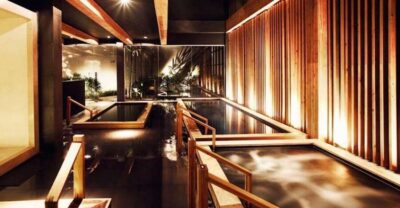
All-Day Pass to Yunomori Sathorn Onsen Bath and Spa
Read our review →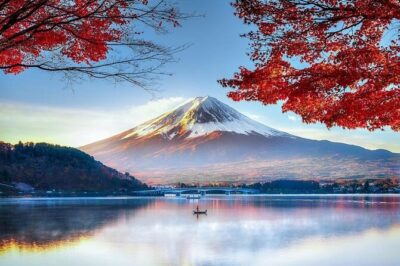
Mt. Fuji, Hakone Private Tour from Tokyo – Onsen, Arts and Nature
Read our review →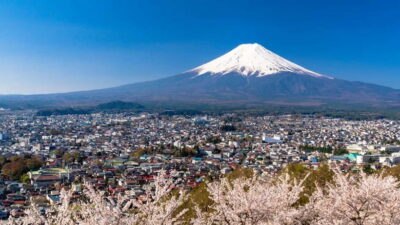
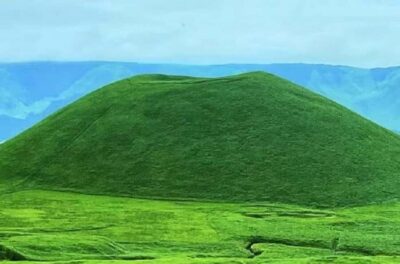
From Fukuoka: Mount Aso, Kurokawa Onsen, and Shrine Tour
Read our review →
Private Nagano 1-Day Tour:Snow Monkeys,Zenko-ji,Obuse,Sake,Onsen
Read our review →Browse the lists this tour appears in