
REVIEW · JAPAN
Snowshoeing and Onsen Adventures in a Winter Wonderland -Sapporo.
The best part of this Sapporo outing is the quick change from subway station to quiet winter forest. Guide Chris takes you beyond the city on a small-group route, where deep snow, mountain views, animal tracks, and silent trees replace crowded ski areas. I like the included lunch and the hot onsen finish, two simple touches that make a cold-weather hike feel complete. The main catch is the early 7:30am start and the need to bring your own warm clothing and snow-ready footwear.
I also like the maximum group size of five, since Chris can adjust the pace and route instead of pushing everyone along at one speed. The difficulty is listed as 4 out of 10, but deep snow and steep sections can still work your legs. Weather may change the plan, and one outing even became a regular hike when there was not enough snow for snowshoes.
Key points to know before booking
- Meet at Makomanai Station at 7:30am: A private vehicle takes you roughly 30 minutes from the subway station to the trailhead.
- Small groups make a real difference: With no more than five people, the guide can adapt the route to your pace and experience.
- Lunch is part of the day: Depending on the outing, you may have prepared curry, a hot meal cooked with a camp stove, or another trail lunch.
- Koganeyu Onsen follows the hike: Admission is included, and Chris explains basic bathing etiquette.
- Bring your own winter kit: Snowshoes, poles, and gaiters are supplied, but cold-weather clothes and suitable hiking footwear are not.
- Weather controls the experience: Poor conditions can lead to a new date or a full refund, while thin snow may turn the outing into a hike without snowshoes.
From Makomanai Station to the Hokkaido backcountry
This trip begins at Makomanai Station in Sapporo’s Minami Ward. Meeting at a subway station is useful because you do not need to find a remote trailhead on your own, and the tour then handles the transfer by private vehicle.
The early start is practical. Winter daylight is limited, and beginning at 7:30am gives you more time in the forest before the afternoon fades. It also means you should plan your breakfast and subway ride the night before. This is not a sleep-in excursion.
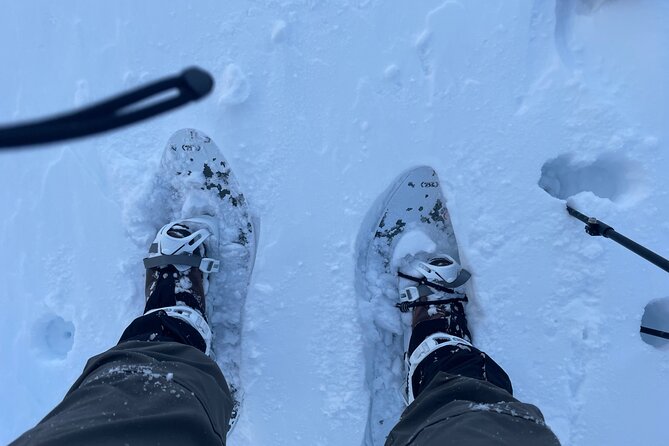
At the trailhead, Chris checks the equipment and explains how to use the snowshoes, poles, and gaiters. That short briefing matters more than it may sound. Snowshoes are easy to use once you learn how to place your feet, manage slopes, and avoid catching one shoe on the other. The supplied poles help with balance, while gaiters keep loose snow from filling your boots.
You need to provide your own clothing and hiking footwear. Pack a warm base layer, an insulating middle layer, a waterproof outer shell, gloves, a hat, and boots made for cold or snowy conditions. Ordinary sneakers are a poor choice here. The exact clothing you need depends on the day, but the forest can feel much colder when the wind rises or you stop for lunch.
More Onsen Tours in Japan:
- From Osaka: Himeji Castle, Arima Onsen & Mt. Rokko Day Tour
★ 4.6 · 339 reviews - From Tokyo: Private Tour to Fuji/Hakone – Onsen, Art, Nature
★ 5.0 · 116 reviews - Mt. Fuji, Hakone Private Tour from Tokyo – Onsen, Arts and Nature
★ 5.0 · 79 reviews
Five hours among snow-covered trees
The main outing is a roughly five-hour circuit with a lunch stop. The exact route can change with snow, weather, and the ability of the group. That flexibility is one of the strongest reasons to choose a small tour instead of a fixed, large-group outing.
Expect a forest walk rather than a groomed resort trail. In fresh powder, you may move slowly and work harder than the modest 4 out of 10 difficulty rating suggests. Snowshoeing itself is not technically difficult for most people who can walk comfortably, but uphill sections, deep snow, and cold air add effort.
Chris has adjusted routes for different fitness levels, and the pace can be changed when needed. On one outing, a pair turned back after reaching about 523 meters because heavy snow made continuing less appealing. That is a sensible approach. A mountain day is better when the guide treats the summit as optional and safety as fixed.
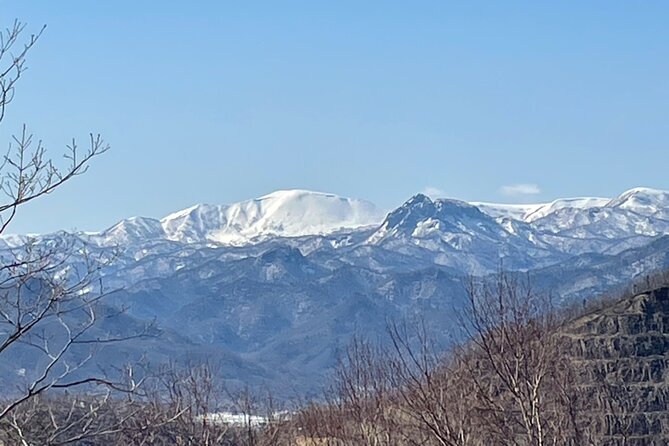
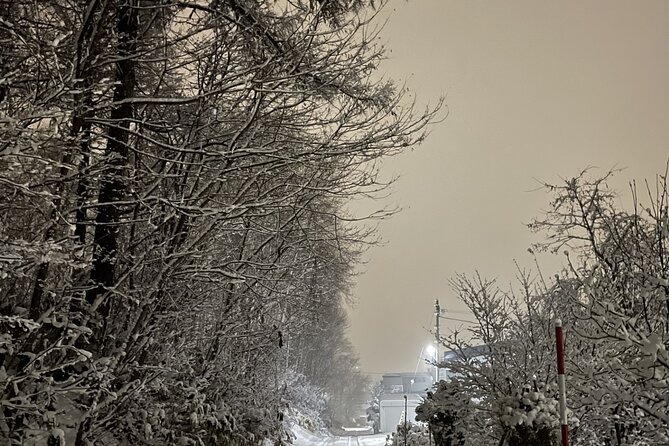
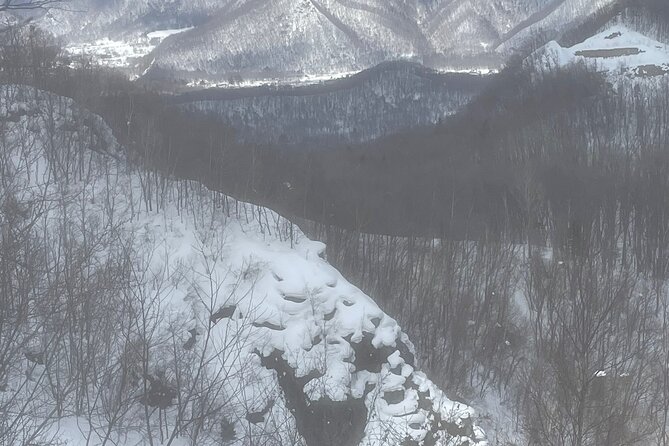
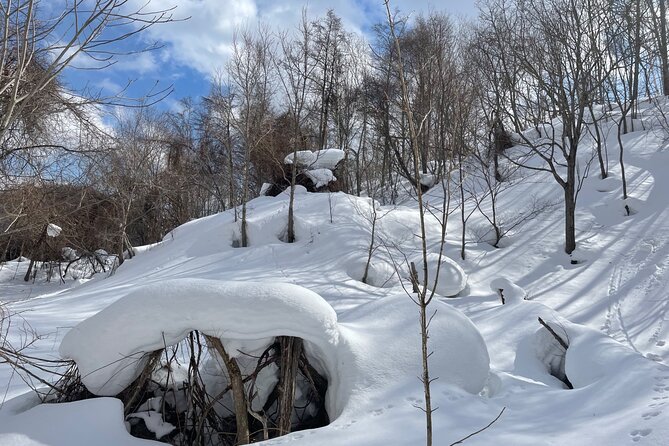
The scenery is the reason to accept the effort. You may pass beneath branches piled with snow, walk through stands of northern trees, and find wide views toward mountains or lakes. The quiet is part of the appeal. After the first section near the trailhead, you may see very few people.
The route also offers more than pretty snow. Chris has pointed out tracks from Japanese squirrels, raccoons, and foxes, along with Hokkaido trees and winter birds. One especially thoughtful detail is the encouragement to stop moving for a moment and listen to birds in the leafless woods. This gives the walk a sense of place rather than making it just an exercise session.
Lunch in the cold, quiet woods
Lunch is included, which is welcome after several hours on snowshoes. The food has included prepared curry, hot drinks, and meals cooked with a camp stove. The exact menu can vary, so do not book this expecting a particular dish, but you can reasonably expect a practical trail meal rather than a restaurant lunch.
A warm lunch is not a minor extra in winter. Standing still on snow can make you cold quickly, even after a hard climb. A hot meal and drink give you a chance to refuel before the return walk.
The lunch stop also changes the rhythm of the day. You can look around, take photographs, and enjoy the forest without rushing. Still, bring any personal snacks or drinks you know you will want. The supplied lunch is included, but the tour information does not promise a full menu or special dietary options.
Koganeyu Onsen is the proper finish
After the snowshoe circuit, you return to the vehicle and continue to Koganeyu Onsen. The admission fee is included, so this is not an optional add-on that catches you by surprise at the end.
A hot bath after a cold, active morning makes excellent sense. Your boots and clothing may be damp, your legs may feel heavy, and the contrast between snow and hot spring water is one of the day’s most memorable parts. The setting has been described as scenic, with views toward water and surrounding nature.
If you have never used a Japanese bath, Chris can explain the basic etiquette. You wash before entering the bath, keep towels out of the water, and follow the facility’s rules. The onsen is a cultural experience as well as a way to warm up.
Tattoo policies can vary widely between Japanese hot springs. One particularly useful detail from this experience is that Chris has helped arrange an onsen option for a participant with extensive tattoos. You should still discuss your situation before booking, since admission and access rules belong to the bathhouse, not the guide.
After the onsen, the group returns to Sapporo. The full timing is listed as approximately five hours, though the actual day may vary with the route, weather, transport, and time spent at the bath.
A few more hot spring trips around Japan worth a look
- Private Nagano 1-Day Tour:Snow Monkeys,Zenko-ji,Obuse,Sake,Onsen
★ 5.0 · 71 reviews - Snow Monkey & Shibu Onsen Afternoon Tour (Depart: Iiyama & Nozwa)
★ 5.0 · 54 reviews - 1-Day Winter Tour From Nozawa Onsen: Snow Monkeys, Zenko-ji Temple & Sake
★ 5.0 · 32 reviews - From Nozawa Onsen: Snow Monkeys and Zenko-ji Day Trip & Sake
★ 4.9 · 13 reviews
Why the group size matters
A maximum of five people is a major advantage here. Snowshoeing is not like walking down a city street, where everyone can spread out and still keep the same pace. In deep snow, small changes in fitness can create large gaps.
With a small group, Chris can slow down for a first-time snowshoer, offer tips on climbing and descending, or shorten the route when conditions are poor. He has also changed the plan around weather and snow depth. That personal attention is especially useful if this is your first time using snowshoes.
The small format also keeps the forest quiet. You are less likely to spend the day waiting for a large group to gather or listening to a guide speak over many people. You can ask about trees, wildlife, local routes, or the area around Sapporo as you walk.
There is one tradeoff. A small-group experience can feel more personal, but your enjoyment will still depend partly on the other people in the group. If you book with several friends, you control the mood. If you book alone or as a couple, a little flexibility helps.
What the guide adds to the day
Chris is the central part of the experience. He handles the practical side before the hike, including communication, meeting instructions, equipment, safety, and route choices. He is also comfortable adjusting his style. Some people need careful help on slopes, while others mainly want local information and a steady walking partner.
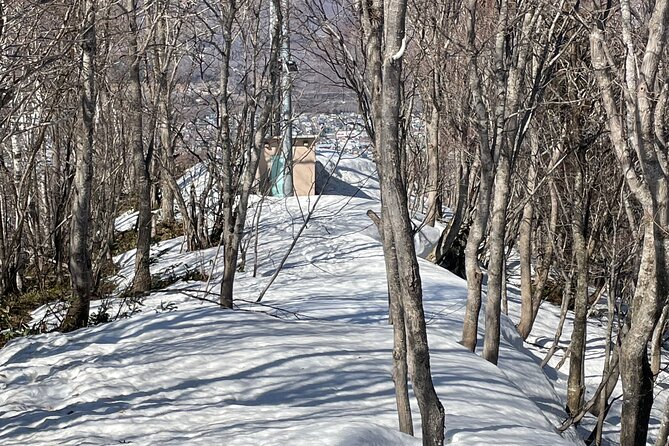
His route knowledge is useful in changing winter conditions. Snow can hide crevices, streams, uneven ground, and steep drops. Chris has avoided areas that could be unsafe and has turned back or altered routes when conditions called for it.
He also brings a local point of view. You may learn about Hokkaido’s northern trees, animal signs, nearby routes, or seasonal events in Sapporo. One participant even received a recommendation for a local ski jumping competition. That kind of advice can add a welcome bit of local life to a trip built around nature.
The tone seems to be friendly and relaxed rather than formal. That suits a half-day outdoor outing. You get safety guidance without losing the pleasure of simply walking through the snow.
Price and what you receive for $224.02
At $224.02 per person, this is not the cheapest way to see snow near Sapporo. The price makes more sense when you count what is included: private transport from the meeting point, snowshoes, trekking poles, gaiters, an included lunch, guide service, and onsen admission.
You are also paying for route judgment. Finding a safe and suitable snowshoe route near Sapporo is not as simple as locating a winter trail on a map. Snow depth changes, weather can turn quickly, and a marked summer path may look very different under snow.
The value is strongest for first-time snowshoers, people without winter equipment, and visitors who want a complete outdoor day without renting a car. It is less compelling if you already own snowshoes, know the local trails, and only want a short walk.
The small group helps justify the cost. A large coach tour might be cheaper, but it would not offer the same ability to change pace or route. Here, the onsen and lunch also prevent the day from feeling like you paid only for transport and a basic walk.
Who should book this snowshoe outing
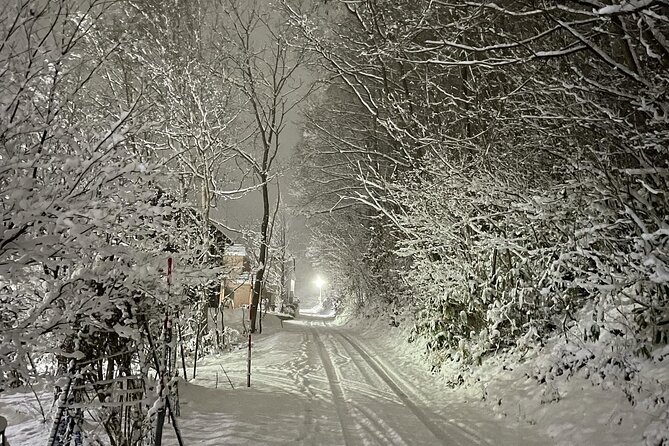
I would choose this for an active visitor who wants nature close to Sapporo without giving up the comfort of a guided plan. You do not need advanced mountaineering skills, and the listed difficulty is moderate rather than extreme.
It is a good match if you:
- Have never snowshoed and want instruction
- Want a quiet forest setting instead of a busy ski resort
- Prefer a group of five or fewer
- Like the idea of a hot spring after outdoor activity
- Need equipment and transport arranged for you
- Want a route that can respond to weather and fitness
You should think twice if you dislike cold, wet clothing, early mornings, or uneven snowy ground. The outing can be adjusted, but it remains a winter hike. Also remember that the tour does not supply your clothes or footwear.
Fitness expectations should be realistic. Most people who walk well can manage the basic movement, but deep snow is tiring. If you are unsure, contact the provider before booking and explain your experience and any concerns.
Booking, weather, and practical details
Confirmation is provided when you book, and the meeting point is near public transportation. Pickup is offered in the wider tour arrangement, but the stated start point is Makomanai Station at 7:30am, so check your confirmation carefully.
The tour requires suitable weather. If poor conditions force a cancellation, you can receive a different date or a full refund. You can also cancel for a full refund up to 24 hours before the start time. Changes or cancellations inside that 24-hour window are not accepted for a refund.
Snow conditions matter as much as the forecast. One outing had too little snow for snowshoes, but the guide still led a regular hike. That is a useful reminder that the experience depends on nature. If snowshoeing itself is your main goal, ask about current conditions shortly before your date.
Bring a phone for the mobile ticket, but protect it from cold and snow. You will also want space for personal water, snacks, extra layers, and anything needed after the bath. The supplied gear covers the snowshoe equipment, not your entire winter wardrobe.
Should you book it?
Book this tour if you want a well-organized escape from Sapporo with real time in quiet Hokkaido forest, a flexible guide, lunch, and an onsen at the end. The strongest reasons are the five-person limit, Chris’s careful route choices, and the way the day combines activity with recovery.
Skip it if you want a late start, a guaranteed summit, a resort-style snow experience, or a low-cost walk. Snow depth and weather can change the plan, and the hike will feel strenuous to some people despite the moderate rating.
For the right visitor, this is a satisfying winter day: early subway ride, private transfer, fresh snow, a warm meal, and a hot bath before returning to the city. Pack properly, accept that nature sets the schedule, and you get much more than a quick photo stop in the snow.
FAQ
Where does the snowshoe tour begin?
The stated meeting point is Makomanai Station in Sapporo’s Minami Ward. The start time is 7:30am.
How long does the experience last?
The activity is listed as approximately five hours. This includes the snowshoe circuit, lunch, transport to the onsen, and the return to Sapporo, so actual timing may vary.
How many people can join?
The maximum group size is five people.
What equipment is included?
Snowshoes, snow trekking poles, and gaiters are included.
What should I bring?
You must bring your own cold-weather clothing and hiking footwear suitable for snow or cold conditions.
Is lunch included?
Yes. Lunch is included. The meal has varied by outing, with examples including prepared curry and a hot meal cooked with a camp stove.
Is the onsen admission included?
Yes. Admission to the onsen is included in the tour price.
Can beginners join?
Most people can participate, and the listed difficulty is 4 out of 10. The guide can adjust the route and pace, but deep snow and slopes may still feel tiring.
What happens if the weather is poor or there is not enough snow?
If poor weather causes cancellation, you can choose another date or receive a full refund. If there is not enough snow for snowshoes, the outing may continue as a regular hike instead.
Just added around Japan
- Samurai Guide Sho’s Mt. Takao Hike, Temple & Onsen from Shinjuku★ 5.0 · 9 reviews
- Tokyo Local Tattoo Friendly Public Bath Experience★ 5.0 · 4 reviews
- Japanese Head Onsen and Scalp Massage Retreat in Tokyo★ 4.5 · 2 reviews
- Mt. Fuji to Lake Kawaguchi, Lake Yamanaka and Onsen Day Tour★ 4.5 · 3 reviews
- Mt. Fuji Tours to Lake Kawaguchi and Yamanaka Onsen English Guide★ 4.5 · 4 reviews
- Tokyo City Adventures Private English Tour With Hotel Pickup★ 5.0 · 12 reviews
- Tattoo-friendly open-air Onsen & drink★ 5.0 · 25 reviews
- Private Tour to Snow Monkey, Zenkoji Temple & Hot Springs Nagano★ 4.0 · 2 reviews
Japanese Onsen Tours, compared.

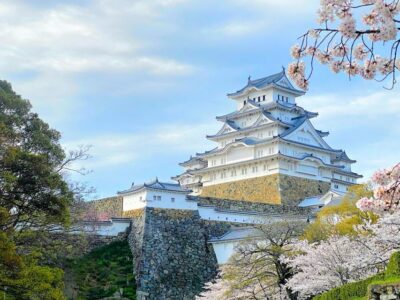
Himeji Castle, Arima Onsen & Mt. Rokko Day Tour
Read our review →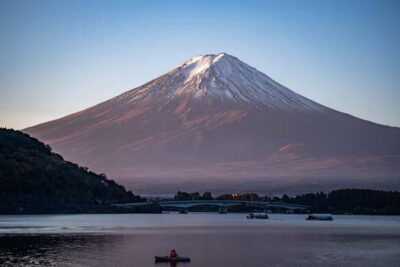
Private Tour to Fuji/Hakone – Onsen, Art, Nature
Read our review →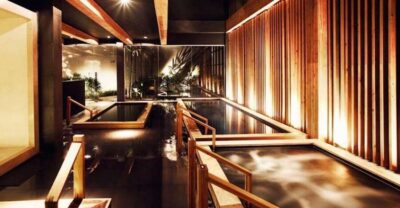
All-Day Pass to Yunomori Sathorn Onsen Bath and Spa
Read our review →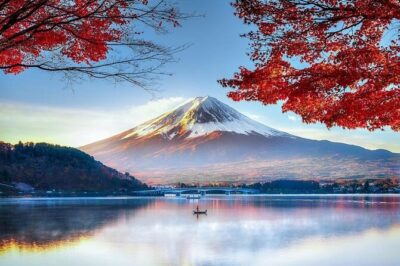
Mt. Fuji, Hakone Private Tour from Tokyo – Onsen, Arts and Nature
Read our review →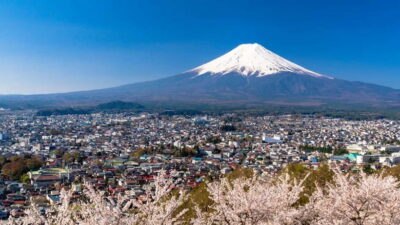
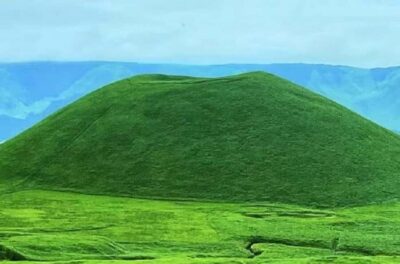
From Fukuoka: Mount Aso, Kurokawa Onsen, and Shrine Tour
Read our review →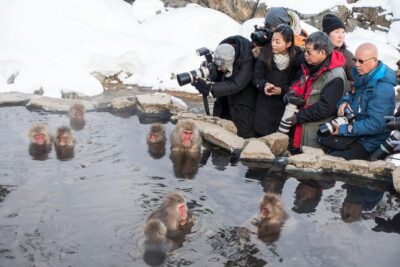
Private Nagano 1-Day Tour:Snow Monkeys,Zenko-ji,Obuse,Sake,Onsen
Read our review →Browse the lists this tour appears in