
REVIEW · ITALY
Abstract Painting | Acqui Terme Piemont (IT)
Abstract painting can look easy until you face a blank surface. This two-hour workshop in historic Acqui Terme gives you a clear way in, with instructor Annelies guiding you through color, materials, composition, and personal accents. You do not need previous painting experience.
I like the small maximum group of eight, which gives the class a more personal feel, and I like that you leave with a real 35-by-35-centimeter artwork rather than a quick souvenir exercise. The workshop also takes place in an old monastery setting near Piazza Duomo, adding a calm, unusual backdrop to a hands-on activity.
The main consideration is the price: at about $90.12 per person, this is not a casual drop-in art session. It makes the most sense if you want guided instruction, supplied materials, and an object you can carry home. Children under 10 cannot join, and bottled water is not included.
Key Points Before You Book
- A small class of up to eight: You get room to work and personal guidance from Annelies.
- A finished 35-by-35-centimeter artwork: The size is substantial enough to feel worthwhile, yet manageable to take home.
- More than random paint: You learn how to choose materials, mix colors, divide the surface, and place accents.
- A historic Acqui Terme setting: The meeting point is Biblioteca dell’Archivio vescovile at Piazza Duomo, 4.
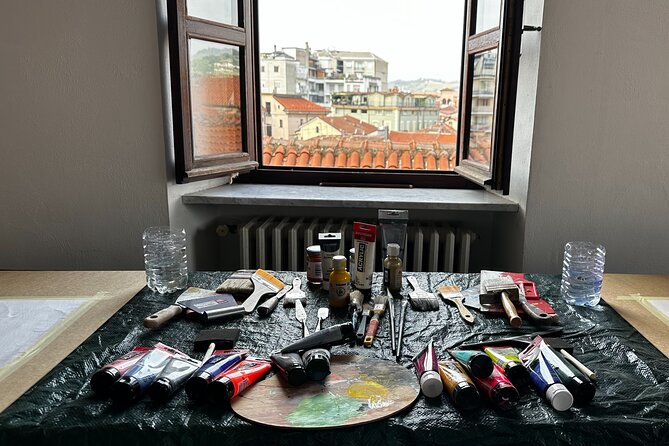
- Materials are included: Acrylics, linen, paper, and cotton for collage are supplied.
- A two-hour creative break: This is a good way to add something tactile and quiet to a Piedmont visit.
Starting at Piazza Duomo in Acqui Terme
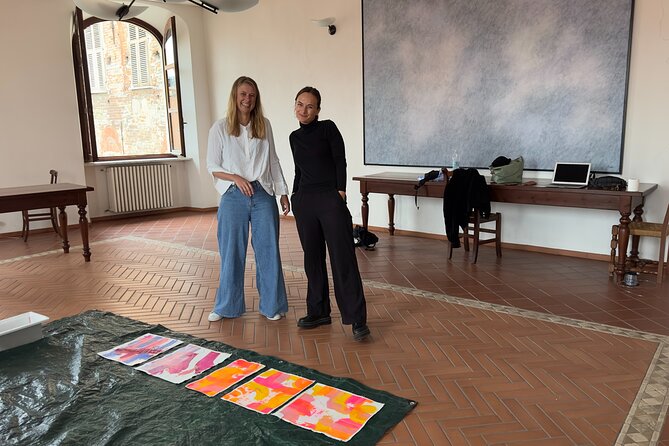
The workshop begins at 2:00 p.m. at Biblioteca dell’Archivio vescovile, Piazza Duomo, 4, in Acqui Terme. The central location matters because you are not being sent out to a remote studio or an industrial building. You start in the heart of the historic city, where the setting is part of the appeal.
The activity takes place in an old monastery setting, according to the description of the experience. That gives the class a different mood from a standard art-school room. You are working with modern acrylic paint and collage materials in a place with older walls and a strong sense of place.
I would allow a little extra time to find the meeting point, especially if you are unfamiliar with Acqui Terme. The supplied information identifies the library and address clearly, but it does not describe parking or give detailed arrival instructions. Public transportation is nearby, and the activity ends where it starts.
The scheduled start is in the afternoon. That makes the workshop easy to pair with other sightseeing earlier in the day, though you should avoid booking anything that runs too close to 2:00 p.m. A creative class works best when you arrive calm rather than rushing through the door.
A few more hot spring trips around Italy worth a look
- Ischia: Giardini Poseidon Thermal Park Official Entry Ticket
★ 4.8 · 464 reviews - Merano: Terme Merano Pools Entry Ticket
★ 4.4 · 240 reviews - Chianciano Terme: Theia Thermal Pools Entrance Ticket
★ 4.4 · 185 reviews
Learning How Abstract Painting Actually Works
The first useful lesson is that abstract painting is not simply putting colors on a surface and hoping for a result. You learn to make deliberate choices about the materials, the colors, the amount of open and covered space, and the points that draw attention.
That structure is especially helpful if you have never painted abstractly. A blank canvas can be intimidating, but the step-by-step approach gives you decisions to make one at a time. You begin with the tools and materials, then move toward color and composition, rather than trying to solve the whole artwork at once.
Annelies is the named instructor, and the experience places emphasis on her guidance and encouragement. You are not expected to arrive with a finished idea. The goal is to give you enough direction to make a personal piece while still leaving room for your own choices.
That balance is important. An overly rigid lesson can produce eight nearly identical paintings. A class with no structure can leave beginners staring at the table. Here, you are shown how to get started, then encouraged to develop your own image.
Acrylic, Linen, Paper, and Cotton for Collage
The materials are one of the strongest practical features. All supplies are provided, so you do not need to buy paints, brushes, paper, fabric, or a prepared surface before arriving.
The main medium is acrylic, used on linen and paper. Cotton is available for collage work. This gives you more than one way to build an image. You can work with painted marks, colored areas, overlapping pieces, and changes in texture.
Acrylic is a sensible choice for a short workshop because it works at a manageable pace. You can mix colors and build an image without the long drying times associated with some other painting methods. Still, you should not expect a full professional studio course in two hours. The class is designed to help you make a satisfying piece within the time available.
The 35-by-35-centimeter surface is a smart middle size. A smaller square might feel like a token activity, while a much larger one would be hard to complete and awkward to transport. This format gives you enough room to think about proportion and placement without creating a major packing problem.
You should still bring a way to protect the artwork if you have a long journey afterward. The supplied details do not specify packaging, drying arrangements, or whether the piece is ready to handle immediately. Ask Annelies on arrival if your plans require special care.
Making Decisions About Color and Space
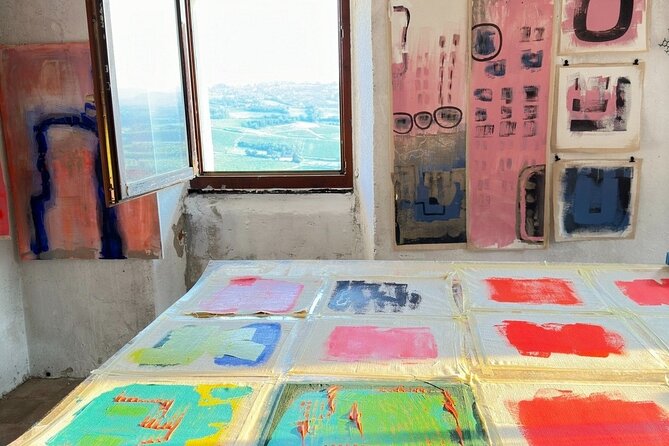
The workshop gives attention to mixed colors and the meaning of color choices. That does not mean there is one correct emotional code for every shade. Rather, you learn to think about what your colors do together and how they affect the whole image.
For beginners, this is often more useful than a lesson focused only on brush technique. You can learn to hold a brush fairly quickly. Deciding whether two colors compete, support each other, or leave enough breathing room is harder.
Surface distribution is another key idea. You consider where the paint or collage elements sit, how much of the surface remains open, and where the eye first lands. These choices can make a simple painting feel intentional.
The instructor also helps you decide where to put accents. An accent might be a strong color, a contrasting shape, or a small detail that gives the composition a point of focus. The point is not to fill every inch. You are learning when to stop, when to add, and when to leave a quieter area alone.
This is why the course can appeal even if you are not usually an art person. It teaches a way of looking at choices. You leave with a picture, but you also gain a simple framework for thinking about balance and emphasis.
Same place, a different kind of soak:
- Rome: Opera Concert at Palazzo Poli – Fontana di Trevi
★ 4.7 · 1,026 reviews - Rome: Terme di Caracalla Skip-the-line Entry Ticket
★ 3.7 · 182 reviews - Merano: Terme Merano Pools and Sauna Entry Ticket
★ 4.5 · 133 reviews - From Montecatini Terme: Wine Experience in Tuscan Farm
★ 4.8 · 120 reviews
A Two-Hour Pace That Keeps the Class Manageable
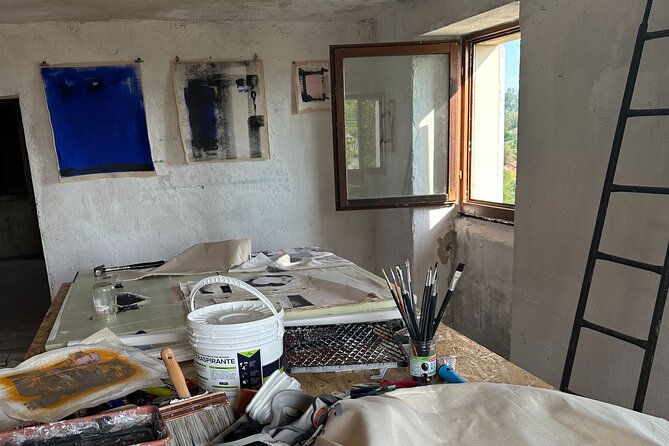
The experience lasts about two hours. That is long enough for an introduction, guided work, and a finished result, but short enough to fit into a day of sightseeing in Piedmont.
I see the length as a strength for couples, friends, and solo visitors who want to try something new without committing to a full-day course. Several people can work side by side while still having time to concentrate. The short format also makes it easier to include in a holiday itinerary.
The tradeoff is that you will need to work with purpose. You are not getting a series of weekly lessons or extended one-to-one coaching. The class teaches a process and helps you complete one piece. If you want technical training in drawing, portraiture, or advanced painting, this is not the right format.
The private booking arrangement also matters. Only your group participates, rather than joining a large public class. If you book as a couple or a small group of friends, the session should feel more contained. The stated maximum is eight people, so larger parties should confirm how the private arrangement applies to their booking.
Why the Historic Setting Adds Value
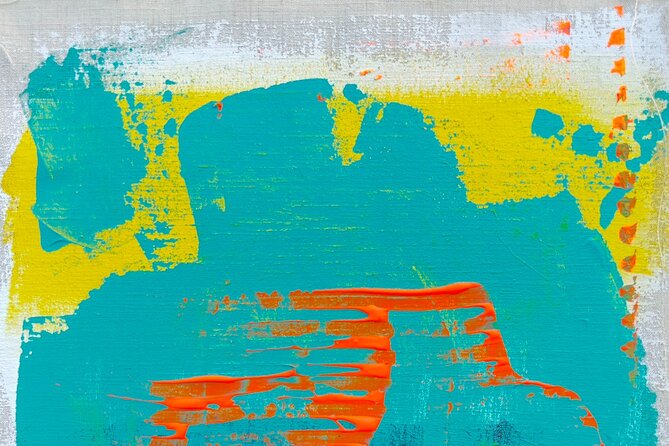
A painting class in a monastery setting feels different from another indoor activity. The old surroundings give you a reason to slow down and pay attention to the room as well as the work in front of you.
The location is also practical. You are in central Acqui Terme, close to the town’s historic core and near public transportation. You can treat the workshop as part of a broader visit rather than traveling to a separate destination solely for the class.
The setting does not replace good teaching, of course. A beautiful room will not fix a weak activity. Here, its value comes from how well it suits the pace of the workshop. The quiet, historic atmosphere supports the reflective side of painting.
I would book this for a day when you want a change from museums, churches, wine stops, or outdoor sightseeing. Using your hands can reset your attention. You are not simply looking at another object. You are making one.
The Experience for Couples, Friends, and Solo Visitors
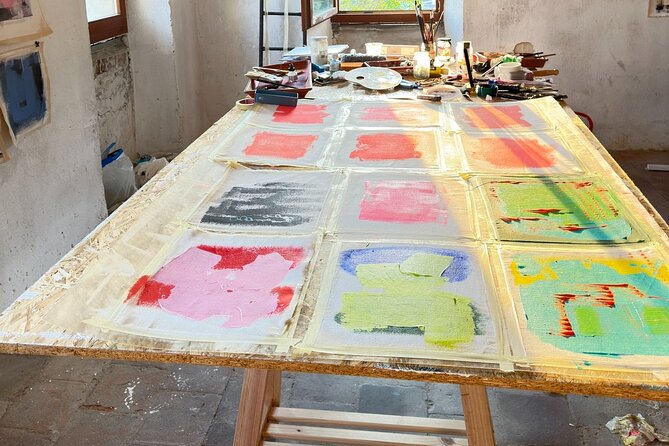
This is especially well suited to couples who want a shared activity that is more memorable than another meal. You work independently on your own piece, but you still have a common experience to discuss afterward.
It also works for a group of friends. The small class size allows everyone to participate without splitting into separate sessions, provided the booking stays within the eight-person limit. A mixed group can be a good fit because you do not need the same skill level or artistic style.
Solo visitors should also feel comfortable booking. The class is structured around your own artwork, and the instructor provides direction. You do not need to arrive with a partner or a ready-made group.
The activity is not suitable for children under 10. Older children may be allowed, but the supplied information only gives the lower age restriction, so families should confirm any age-specific questions before booking. The stated physical requirement is moderate fitness, which suggests you should be comfortable taking part in a hands-on, seated or standing workshop, though the exact setup is not specified.
Service animals are allowed. Bottled water is not included, so bring your own if you want water during the session.
Is $90.12 a Fair Price?
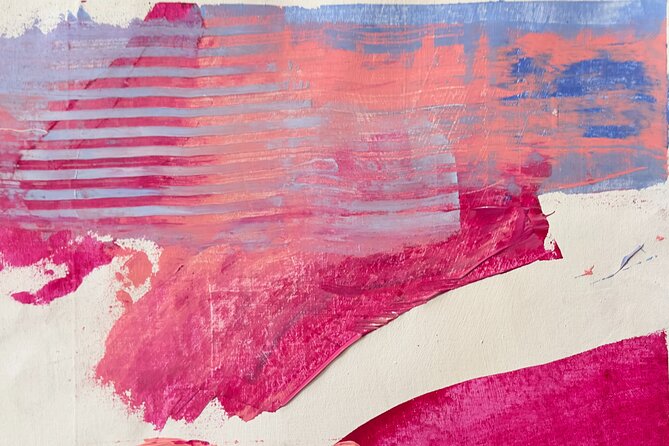
At approximately $90.12 per person, the workshop is priced as a guided private art experience rather than a basic craft activity. The fee includes all the materials, instruction, access to the historic setting, and the artwork you create.
The value depends on what you want from the afternoon. If you only want to try acrylic paint for a few minutes, the price may feel high. If you value a small class, a named instructor, supplied materials, a finished piece, and a central location, the cost is easier to justify.
You are also paying for the decisions that happen before the paint reaches the surface. Someone has selected the materials, designed the sequence, prepared the class, and created a method that helps beginners move from a blank square to a complete image.
The artwork itself may not look like a professional gallery piece, and you should not book with that expectation. Its value is personal. You make the decisions, and the finished square becomes a reminder of your time in Acqui Terme rather than a factory-made souvenir.
Free cancellation is available if you cancel at least 24 hours before the 2:00 p.m. start time. Changes or cancellations made within 24 hours are not refunded. The experience requires a minimum number of participants, so if the operator cancels because that minimum is not met, you are offered another date or experience, or a full refund.
What You Will Take Home
The clearest physical result is a 35-by-35-centimeter artwork. It is large enough to display at home, but not so large that it becomes a serious luggage problem.
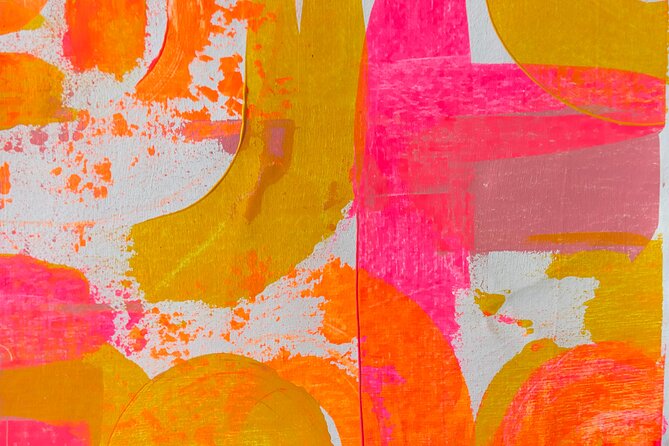
The final piece may combine acrylic paint on linen or paper with cotton collage elements. Since abstract painting depends on individual decisions, no two finished works should be expected to look alike. Your colors, spacing, and accents will shape the result.
I like that the format creates a tangible end point. Some creative holiday activities leave you with a few techniques and nothing to show for them. Here, you have a completed object that can remind you of Acqui Terme and the afternoon you spent there.
The only practical uncertainty is transport. The supplied information does not say whether a protective folder, drying rack, or wrapping is provided. If you are continuing by train, flying home, or carrying fragile luggage, ask about this before the class finishes.
Should You Book This Acqui Terme Art Workshop?
Book it if you want a small, guided creative activity in a distinctive historic setting. It is a good match for first-time abstract painters, couples, friends, and solo visitors who want to make something with their hands during a Piedmont trip.
You should also book if the finished artwork matters to you. The 35-by-35-centimeter format, included materials, and step-by-step teaching give the experience a clear purpose.
Skip it if you are looking for a cheap drop-in craft, a long technical painting course, or an activity for young children. The price is substantial, the session is only about two hours, and children under 10 are not accepted.
For the right visitor, this is a thoughtful way to spend an afternoon in Acqui Terme: central, personal, easy to carry home, and guided without taking away your creative choices.
FAQ
Where does the abstract painting workshop begin?
It begins at Biblioteca dell’Archivio vescovile, Piazza Duomo, 4, 15011 Acqui Terme AL, Italy.
What time does the workshop start?
The scheduled start time is 2:00 p.m.
How long does the activity last?
The workshop lasts approximately two hours.
How many people can join?
The group has a maximum of eight people. It is a private activity, so only your group participates.
Who teaches the workshop?
The named instructor is Annelies.
What materials are provided?
All materials needed for the workshop are provided. The class uses acrylic on linen and paper, with cotton available for collage.
What size artwork will I make?
You will work on a 35-by-35-centimeter surface.
Is the workshop suitable for children?
The workshop is not suitable for children under 10.
Is bottled water included?
No. Bottled water is not included.
Can I cancel for a full refund?
Yes, if you cancel at least 24 hours before the experience start time. Cancellations or changes made less than 24 hours in advance are not refunded or accepted.
Just added around Italy
- Venice Airport (VCE) to Abano Terme – Round-Trip Private Transfer★ 5.0 · 2 reviews
- Saturnia Thermal & Wellness from Civitavecchia Port★ 5.0 · 8 reviews
- E-Bike Tour fortresses and mountains near the Free Baths of Saturnia★ 5.0 · 10 reviews
- Saturnia’s thermal waters a hike through history★ 5.0 · 2 reviews
- Bassano del Grappa Tour: from Padua and Abano/Montegrotto Terme★ 5.0 · 2 reviews
- Saturnia and Città del Tufo in E Bike★ 5.0 · 2 reviews
- Saturnia Thermal Spring Small Group Day Trip from Rome with Lunch★ 5.0 · 13 reviews
- Private Full-day Cascate del Mulino Hot Springs from Rome★ 5.0 · 31 reviews
Hot Spring Tours, compared.
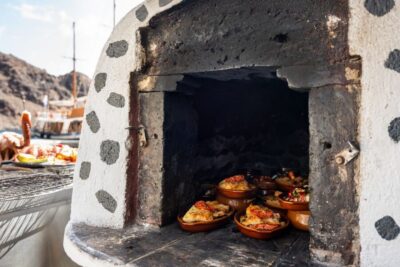
Volcanic Islands Cruise with Hot Springs Visit
Read our review →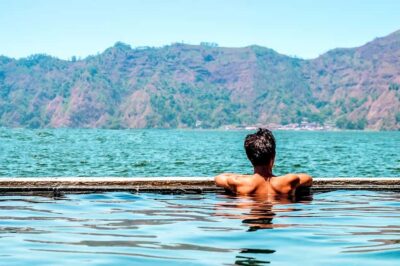
Mount Batur Sunrise Guided Hike and Natural Hot Spring
Read our review →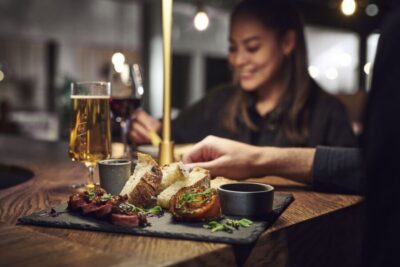
Sky Lagoon Entrance Pass With 7-Step Spa Ritual
Read our review →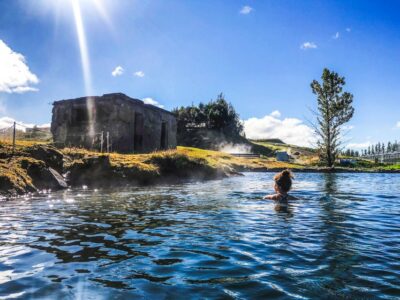
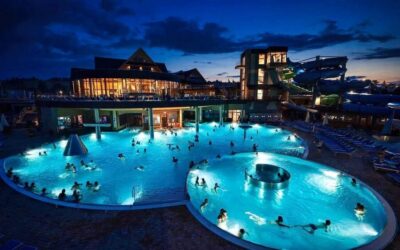
Zakopane, Thermal Springs, Cable Car, Local Tasting
Read our review →
Golden Circle, Kerid Crater, & Blue Lagoon Tour
Read our review →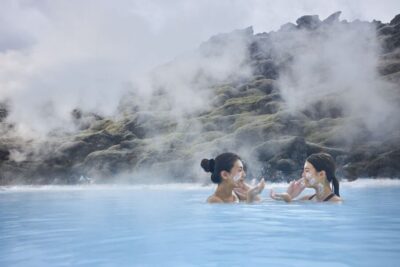
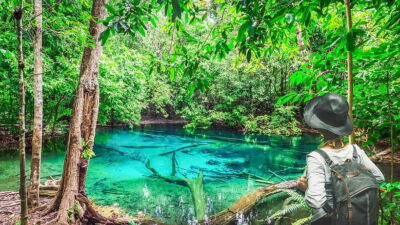
Tiger Cave Temple, Emerald Pool and Hot Springs Tour
Read our review →Browse the lists this tour appears in