
REVIEW · JAPAN
Become a local! A Walking Tour of Arts, Crafts & Onsen Culture
Beppu’s best stories are often found away from its famous hot-spring sights. This small-group walk leads you through market streets, craft workshops, and artist studios, where the city feels lived-in rather than packaged for sightseeing. You may meet artisans at work, see old photographs of Beppu, and step into places you would be unlikely to find alone.
I like the visit to the bamboo factory, where local Oita bamboo has been shaped into useful and beautiful objects since 1908. I also like the chance to meet artists in their working spaces, an experience that gives Beppu a human face. The main consideration is simple: this tour does not visit the Hells or take you inside an onsen, and one workshop stop depends on the instructor’s availability.
Key points before you book
- A small group of no more than eight people makes it easier to ask questions and talk with the guide.
- The bamboo factory dates to 1908, offering a close look at traditional craft rather than a shop-only visit.
- The route favors downtown alleys and local businesses, not Beppu’s famous Hells.
- Space Beppu occupies a century-old Japanese house with a gallery, gift shop, and old photographs.
- Kiyoshima Apartment is a working artist residence, giving you a look at studios as well as finished work.
- The two-hour to two-and-a-half-hour walk ends at Space Beppu, about 12 minutes on foot from JR Beppu Station.
What this Beppu walking tour is really about
This is a culture walk for people who want to understand how Beppu works day to day. The focus is not on grand monuments or a checklist of major attractions. Instead, you follow a local guide through downtown streets, small alleys, a market, craft spaces, and creative buildings.
Guides have included Masahiro Ide, often called Masa, and Lou. The strongest praise goes to the guides’ clear English, humor, and ability to explain Beppu’s past while walking through its present. That matters here because the route itself is not the whole experience. Much of the value comes from knowing what you are looking at.
The tour is capped at eight people. That is a useful size for a working factory or a small studio. You can hear explanations without being pushed to the back, and a craftsman or artist has a reasonable chance to speak with the group directly.
Expect a moderate amount of walking. The tour lasts about two hours to two hours and 30 minutes, with time divided among five stops. Wear comfortable shoes, since the appeal lies in moving through ordinary streets rather than staying in one polished visitor center.
More Onsen Tours in Japan:
- From Osaka: Himeji Castle, Arima Onsen & Mt. Rokko Day Tour
★ 4.6 · 339 reviews - From Tokyo: Private Tour to Fuji/Hakone – Onsen, Art, Nature
★ 5.0 · 116 reviews - Mt. Fuji, Hakone Private Tour from Tokyo – Onsen, Arts and Nature
★ 5.0 · 79 reviews
Starting at Beppu Station Market
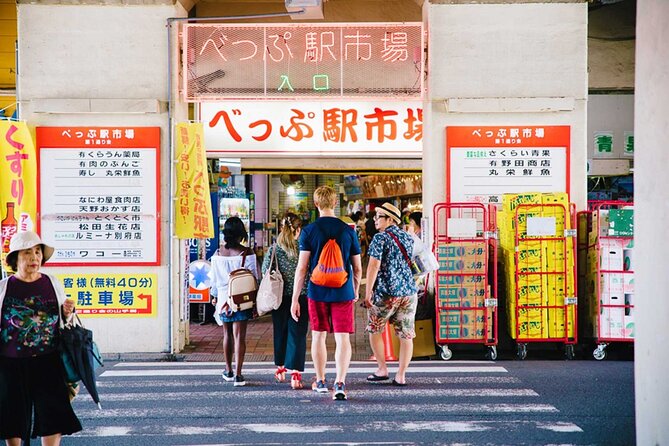
The walk begins at Beppu Station Market, a short introduction to local life. You see stalls selling fresh fish and vegetables, and the guide helps you understand the market as a place used by residents, not simply a photo stop.
The scheduled visit is only about 10 minutes, so do not expect a long food tour or time for a full meal. Its purpose is to set the tone. You get a quick look at the ingredients and daily shopping habits that shape local cooking.
This opening stop is also a good time to ask your guide about Beppu’s neighborhoods and the city’s connection to hot-spring culture. The tour is called a look at onsen culture, but the route does not take you inside an onsen building. If bathing is a priority, you will need to arrange that separately.
Inside a bamboo factory dating to 1908
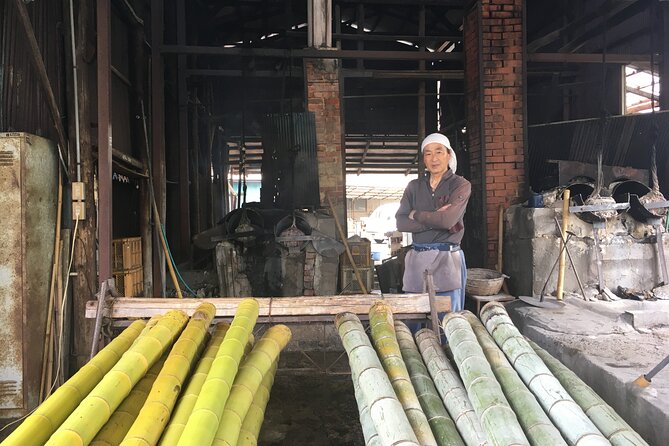
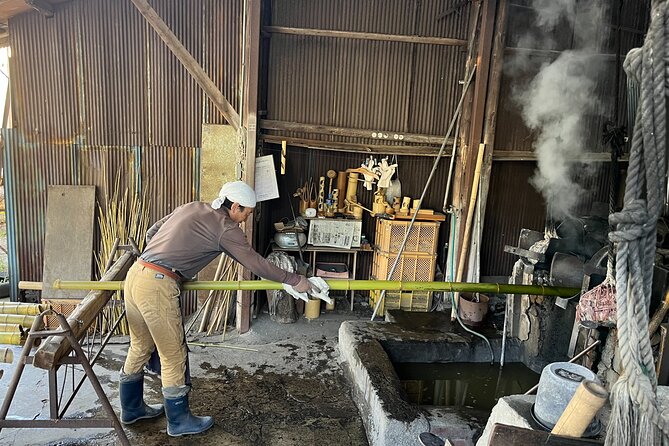
The bamboo factory is the tour’s clearest craft experience. Nagai Seichiku has worked with bamboo since 1908, using bamboo from Oita Prefecture. You can watch skilled artisans make bamboo products and see the care involved in a material that is easy to underestimate.
A factory visit is more useful than simply browsing finished goods. You see the working process and the people behind it. The stop lasts about 30 minutes, long enough to observe the craft and ask questions without turning the tour into a full workshop class.
One especially practical detail is that the stop may appeal even if you are not a serious art lover. Bamboo objects can be attractive, useful, and easy to carry home. Food, drinks, and souvenirs are not included in the tour price, so any purchase here is your own expense.
The factory is also where the guide’s local knowledge matters most. Without an explanation, bamboo products can look like a quick shopping opportunity. With context, you begin to notice the difference between factory work, handmade craft, local materials, and the skill needed to prepare each piece.
The flexible workshop at 別府風流人
The third stop is an irregular workshop at 別府風流人. It can last about one hour, making it the longest part of the walk, but it is not guaranteed for every departure. The instructor must be available, and the route or places visited may change when local businesses have different opening times.
That flexibility is both a strength and a limitation. If the workshop is operating, you may get a more personal encounter than a fixed museum visit can offer. One past experience included time in a local home, tea, origami, and playing the harp, showing how varied the art-focused portion can be.
You should not book this tour expecting a guaranteed lesson in one specific craft. Think of this stop as a chance for a special local meeting when conditions allow. The guide should explain any changes, but it is wise to keep your expectations open.
For many people, this is where the tour becomes most personal. A factory shows a trade. A flexible workshop may show how art and hospitality fit into everyday life.
More Walking Tours in Japan:
- Become a local! A Walking Tour of Arts, Crafts&Onsen Culture
★ 5.0 · 13 reviews - Hot Spring Beppu Onsen with Blue Hell cozy Tour by Car and walk
★ 4.5 · 9 reviews - Hot Spring Town Walking Tour in Shima Onsen
★ 5.0 · 7 reviews - Rotorua: Hell’s Gate Outdoor Mud Spa & Guided Walk
★ 4.7 · 1,140 reviews
Space Beppu inside a century-old house
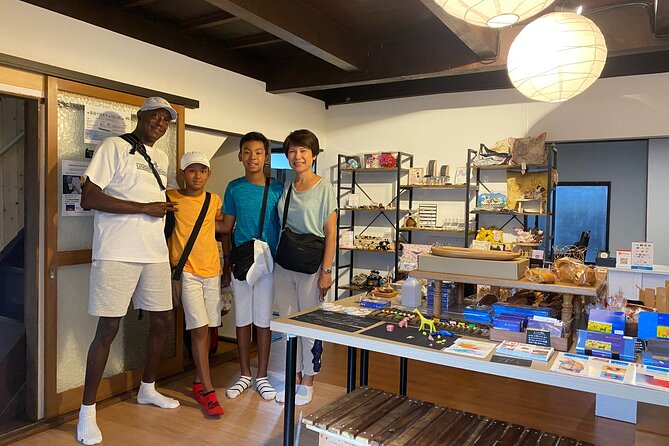
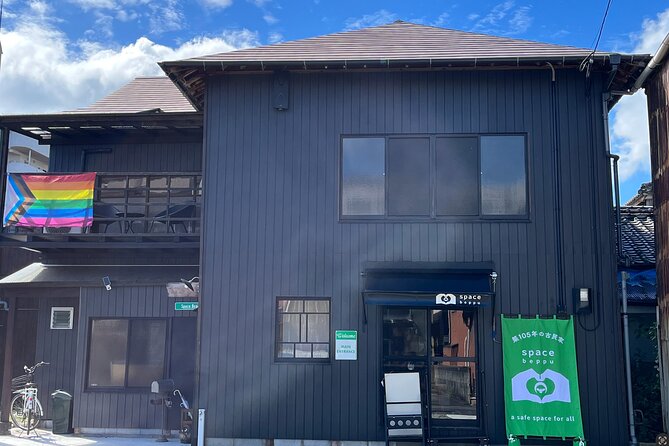
The route ends at Space Beppu, a community space and shop in a renovated Japanese house that is about a century old. The building holds a contemporary art gallery, a gift shop, and a history room with old photographs of Beppu.
This stop ties the tour together. You have seen current makers and working artists, then you finish in a place that connects present-day creativity with the city’s earlier years. The history room is especially useful if you want more than a quick walk through unfamiliar streets.
The scheduled time here is about 20 minutes. That is enough for a focused visit, but not a long gallery afternoon. You can browse the shop and decide if anything appeals to you, remembering that purchases are not part of the tour price.
Space Beppu is also the official endpoint. From here, the tour provider gives clear directions back to the station or to your next destination. It is about a 12-minute walk from JR Beppu Station, which makes the finish fairly easy to fit into a day of sightseeing.
Meeting artists at Kiyoshima Apartment
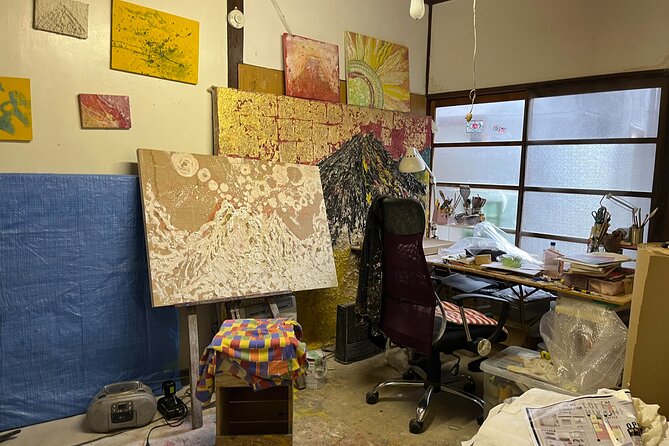
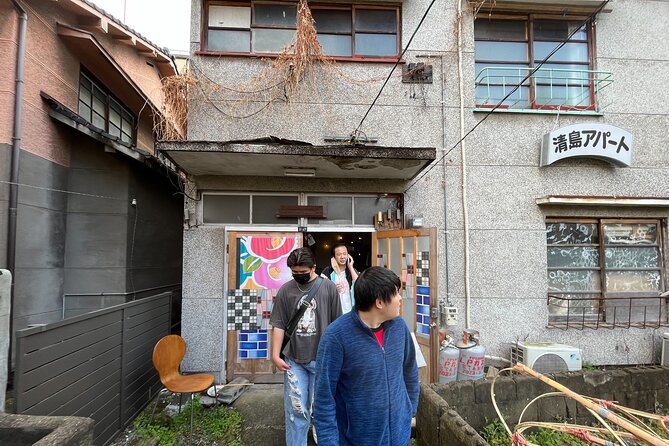
Kiyoshima Apartment is a creator residence and studio in downtown Beppu. The building gives you a chance to meet artists where they work, rather than viewing their pieces only in a formal gallery.
The scheduled visit lasts about 20 minutes. That is brief, but the format is valuable. You may see working areas, learn about the residents, and ask how the building supports creative work in Beppu.
The visit is not a broad survey of Japanese art. It is a close look at a specific local creative community. That makes it a good match for you if you prefer conversations and working spaces to large collections.
The atmosphere can also vary with the residents’ availability. The tour is built around real studios, not a staged performance, so the experience depends partly on who is present and what can be shared that day.
Why the back streets matter
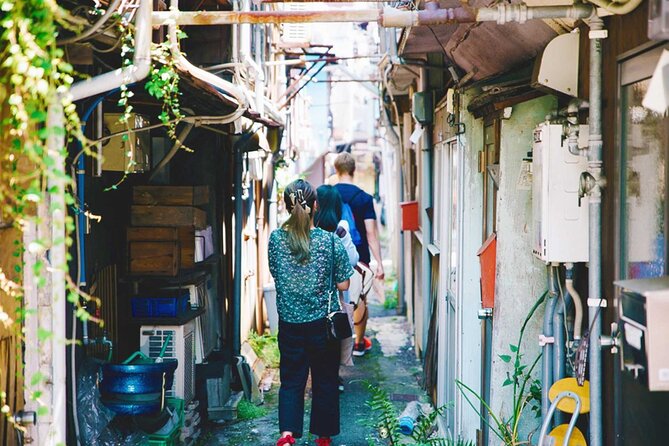
Beppu is widely known for its hot springs and the famous Hells, but those sights show only one side of the city. This walk takes you through streets and alleys where local businesses, old buildings, family restaurants, bathhouses, and creative spaces sit close together.
The guide may point out quaint bathhouses and historic buildings along the way, but you will not be shown inside an onsen building as part of the stated route. That distinction is important. You are learning about the setting and culture around bathing, not receiving an onsen visit or bathing session.
I find this approach useful because cities make more sense when you see the ordinary places between the headline attractions. A market, a workshop, and an old house tell you how people live and work. You also get a better sense of downtown Beppu’s scale and character.
Rain need not ruin the experience, though the streets may feel less comfortable in poor weather. One particularly memorable walk took place in the rain, with the wet streets adding atmosphere. Still, bring suitable clothing and shoes if the forecast is unsettled.
Guide quality and language
The guide can make or break a walking tour, and this experience places a lot of weight on that role. Masa, or Masahiro Ide, has been praised for his excellent English, humor, punctuality, and detailed explanations. Lou has also been singled out for strong English and a warm, informative style.
You are not simply being led from one address to another. The guide explains Beppu’s history, Japanese customs, local buildings, artists, and craft methods. You can ask questions as the route develops, which is far more useful than trying to understand every stop from a printed description.
The exact guide may vary, so do not assume Masa will lead every departure. The provider is Space Beppu, and the tour is designed around local access and personal introductions.
Price, timing, and overall value
The cost is $59.30 per person. For a two-hour to two-and-a-half-hour experience, that is not the cheapest way to walk around Beppu. You can explore downtown streets for free, and the market itself has no admission fee.
The price becomes easier to justify because admission fees for the facilities are included, the group is limited to eight, and the route offers access to places you may not find on your own. The bamboo factory, artist residence, flexible workshop, and Space Beppu provide more than a standard city stroll.
You are also paying for interpretation. A local guide helps turn a factory into a lesson about craft, an old house into a piece of city history, and an ordinary alley into part of Beppu’s story.
The value is strongest if you care about local culture, art, and conversation. It is weaker if you mainly want the Hells, a long onsen visit, food tastings, or a broad tour of Beppu’s major sights.
This experience is often booked well ahead, with an average booking point about 51 days before the tour. That suggests you should reserve early if your schedule is fixed, especially because the group is small.
Who should book this walk
I would choose this tour if you want to:
- See Beppu beyond the famous hot-spring attractions
- Meet local makers and artists
- Learn about Japanese craft through direct observation
- Walk with a small group and ask questions
- Get local suggestions for what to do after the tour
- Add a cultural experience to a Beppu stay
It suits couples, solo visitors, and small groups who enjoy a slower look at a city. The maximum of eight people also makes it a reasonable choice if you dislike large guided groups.
Families may enjoy the market, bamboo work, and hands-on elements if the workshop is available. However, the walk requires moderate physical fitness, and the experience is not designed as a children’s activity program.
Art lovers will get the most from Kiyoshima Apartment and the flexible workshop. Craft fans should pay special attention to the bamboo factory. If your main interest is bathing, reserve an onsen separately and use this tour to understand the city around it.
Booking details worth knowing
Your meeting point is WANDER COMPASS BEPPU inside the Beppu BIS South Building at Beppu Station. The tour ends at Space Beppu, rather than returning to the station, but you receive directions for returning or continuing elsewhere.
A mobile ticket is available, and confirmation is sent when you book. Service animals are allowed, and the meeting area is near public transportation.
Food, drinks, bottled water, and souvenirs are not included. Bring your own water if you prefer to have it during the walk, and budget extra if you want to shop at the bamboo factory or Space Beppu.
Free cancellation is available up to 24 hours before the start time. Cancellations or changes made within 24 hours are not accepted for a refund, and the cut-off follows local time.
Should you book the Beppu arts and crafts walk?
Book it if you want small-scale, local Beppu rather than the city’s headline sights. The bamboo factory and artist studios are the strongest reasons to go, while Space Beppu gives the walk a thoughtful finish in an old house filled with art and local photographs.
Skip it if you need a guaranteed workshop, an onsen bathing experience, or a visit to the Hells. The flexible third stop and changing route require some patience.
For the right visitor, this is a useful first or final activity in Beppu. It helps you see the city through its makers, markets, old buildings, and back streets, then leaves you close enough to continue exploring on your own.
FAQ
How long does the walking tour last?
The tour lasts approximately two hours to two hours and 30 minutes.
How many people can join the tour?
The maximum group size is eight travelers.
Does the tour visit Beppu’s Hells?
No. The route focuses on lesser-known cultural streets and alleys in downtown Beppu rather than the popular Hells.
Does the tour include entering an onsen?
No. You will not be shown inside an onsen building as part of this tour.
Where does the tour start?
The meeting point is WANDER COMPASS BEPPU inside Beppu BIS South Building at Beppu Station.
Where does the tour finish?
The tour ends at Space Beppu in Chiyomachi. It is about a 12-minute walk from JR Beppu Station, and directions are provided for your next destination.
Is the workshop at 別府風流人 guaranteed?
No. This workshop is irregular and depends on the instructor’s availability. The route and places visited may also change because local businesses can have different opening times.
Just added around Japan
- Samurai Guide Sho’s Mt. Takao Hike, Temple & Onsen from Shinjuku★ 5.0 · 9 reviews
- Tokyo Local Tattoo Friendly Public Bath Experience★ 5.0 · 4 reviews
- Japanese Head Onsen and Scalp Massage Retreat in Tokyo★ 4.5 · 2 reviews
- Mt. Fuji to Lake Kawaguchi, Lake Yamanaka and Onsen Day Tour★ 4.5 · 3 reviews
- Mt. Fuji Tours to Lake Kawaguchi and Yamanaka Onsen English Guide★ 4.5 · 4 reviews
- Tokyo City Adventures Private English Tour With Hotel Pickup★ 5.0 · 12 reviews
- Tattoo-friendly open-air Onsen & drink★ 5.0 · 25 reviews
- Private Tour to Snow Monkey, Zenkoji Temple & Hot Springs Nagano★ 4.0 · 2 reviews
Japanese Onsen Tours, compared.

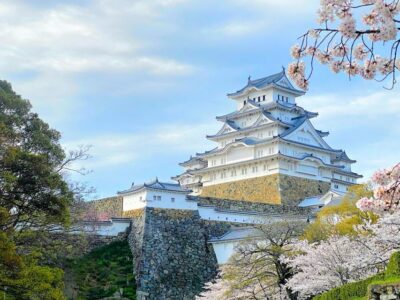
Himeji Castle, Arima Onsen & Mt. Rokko Day Tour
Read our review →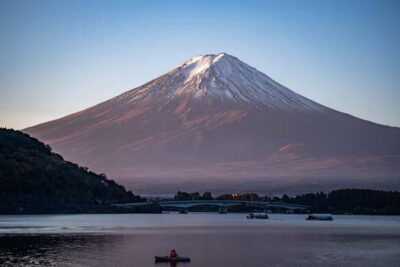
Private Tour to Fuji/Hakone – Onsen, Art, Nature
Read our review →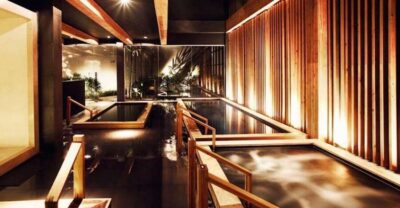
All-Day Pass to Yunomori Sathorn Onsen Bath and Spa
Read our review →
Mt. Fuji, Hakone Private Tour from Tokyo – Onsen, Arts and Nature
Read our review →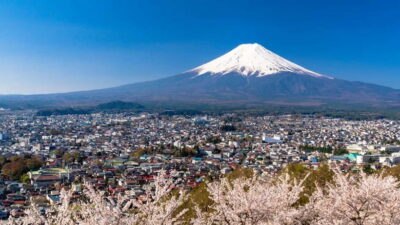
From Fukuoka: Mount Aso, Kurokawa Onsen, and Shrine Tour
Read our review →
Private Nagano 1-Day Tour:Snow Monkeys,Zenko-ji,Obuse,Sake,Onsen
Read our review →Browse the lists this tour appears in